MRO Europe 2026 panel: European maintenance sector must strengthen supply chain resilience amid geopolitical pressures
Why It MattersEngine parts sourcing and slot scarcity, rather than labour, are now the binding limits on European maintenance capacity, pushing providers toward regional component capability and deeper repair.
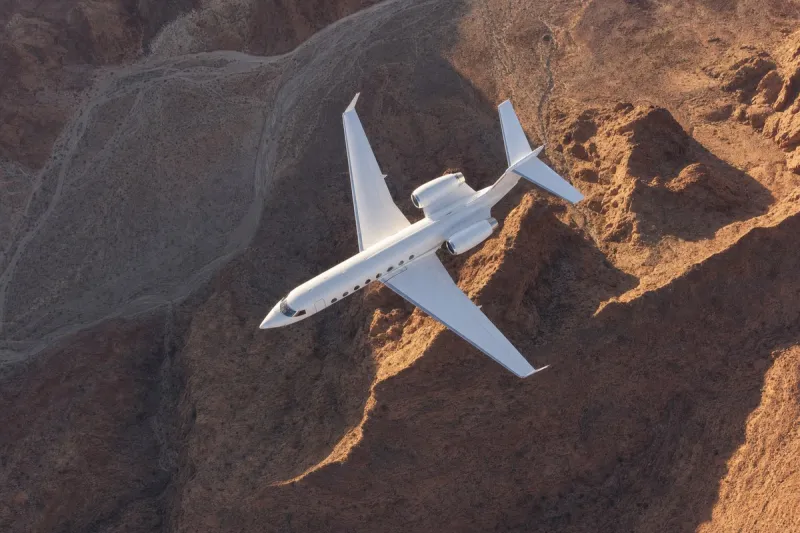
At MRO Europe 2026 in Amsterdam, executives from Lufthansa Technik, HAECO and AFI KLM E&M said European MRO providers must strengthen regional supply chains and technical capabilities while keeping the international partnerships that global aviation operations depend on. The panel, titled 'Beyond the Hangar: How MRO is Taking Flight in Europe Toward Strategic Sovereignty', examined how geopolitical uncertainty, trade restrictions and capacity pressures are reshaping maintenance.
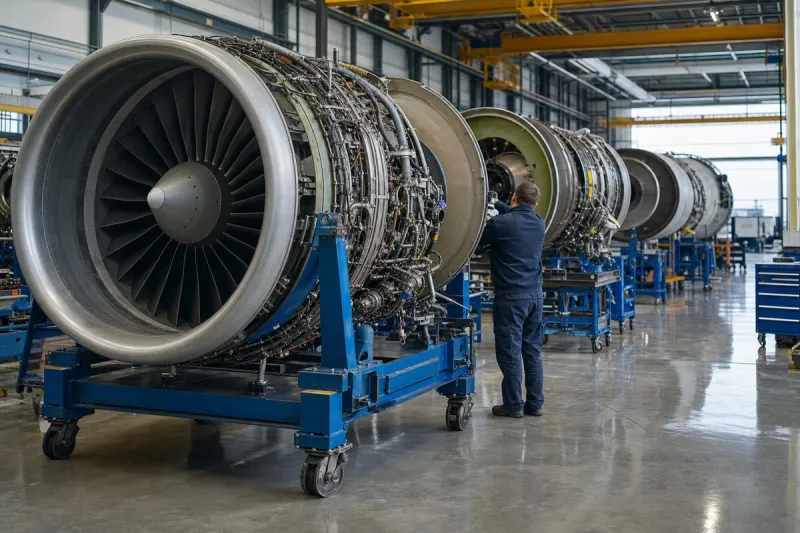
David Doyle, vice president of corporate strategy at Lufthansa Technik, said the sector depends on global component supply chains, particularly in engine maintenance, which accounts for roughly half of the MRO market. He said millions of parts circulate daily, that major disruption to established trade flows could have serious consequences, and that sourcing certain engine components is getting harder; he called on European manufacturers to build capabilities to ease shortages. Doyle said supply chain limitations are currently a bigger concern than workforce recruitment. Klaus-Peter Leinauer, senior vice president of corporate sales for Europe, the Middle East and Africa at HAECO, also named tariffs as a significant challenge but stressed aviation's resilience, and said maintenance slot availability remains extremely tight, though investment in facilities, new technologies and artificial intelligence is beginning to help. Peter van Helden, senior vice president of component product at AFI KLM E&M, said the company's international repair network places capabilities closer to customers and reduces unnecessary component movements, and described the environment as a 'golden age' for organisations holding available spare parts.
On Europe's position, Doyle pointed to Lufthansa Technik's investment in a new Portuguese facility as an example of the region's skilled labour and apprenticeship systems, while stressing that investment decisions must stay balanced across global markets. Leinauer argued cost is no longer necessarily the deciding factor for locating maintenance facilities, with quality, safety and operational efficiency increasingly influential. Van Helden said deeper component repair rather than replacement extends asset life with environmental and commercial benefits, and Doyle called for consistent sustainability requirements and a level regulatory playing field. Doyle also confirmed that Lufthansa Technik's proposed 44.9% investment in TAP Air Portugal had not yet closed, and said the minority stake would not give operational control, so closer integration would require a larger ownership position.