Pairing ADS-B In Traffic Display With TCAS Seen as Way to Give Pilots More Time Before Collision Alerts
Why It MattersA cockpit ADS-B In mandate would shift collision-avoidance practice from reactive alerts toward earlier traffic awareness, adding avionics demands on aircraft operating in congested airspace as eVTOL traffic arrives.
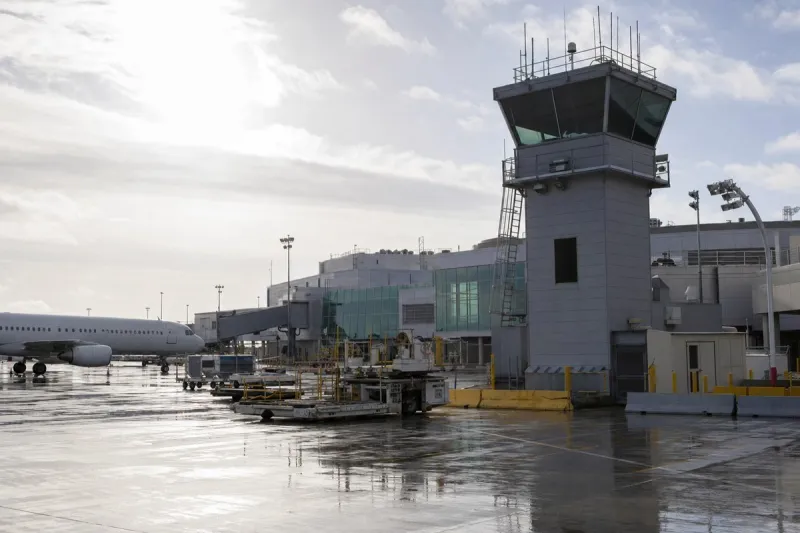
This summer, two commercial passenger aircraft came within seconds of colliding over Hartsfield-Jackson Atlanta International Airport before their onboard safety systems intervened. The final line of defense was their traffic collision avoidance systems (TCAS), which alert pilots to other aircraft nearby and, if a potential flight path conflict is detected, issue alerts to the flight crew. TCAS acts after loss of separation has occurred. Its highest alert level, the Resolution Advisory (RA), carries a potential startle factor and a very brief decision window. Under International Civil Aviation Organization standards, a pilot's response to an RA is expected within five seconds of the alert, and within half that time in the case of a reversal. Crews may try to confirm the situation by looking out the window or at flight deck displays, or may await instruction from the tower, which can delay responses.
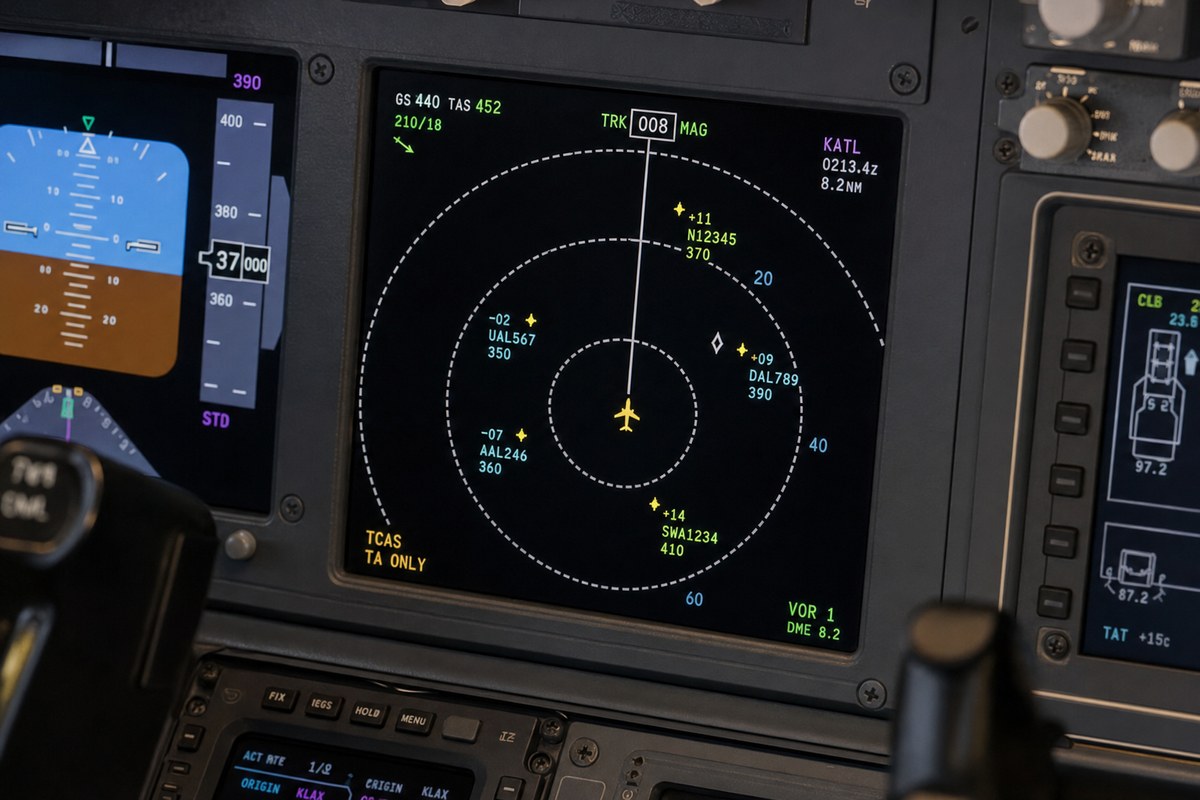
US lawmakers are proposing regulation that would mandate ADS-B In technology in the flight deck. ADS-B In is the receiving half of the ADS-B system already fitted to commercial aircraft; it gives pilots a GPS-precise view of surrounding traffic up to 180 nautical miles, updated every second. Pairing a reactive system such as TCAS II with proactive traffic awareness could give crews additional time to react, so conflicts are managed before the last-resort layer is needed.
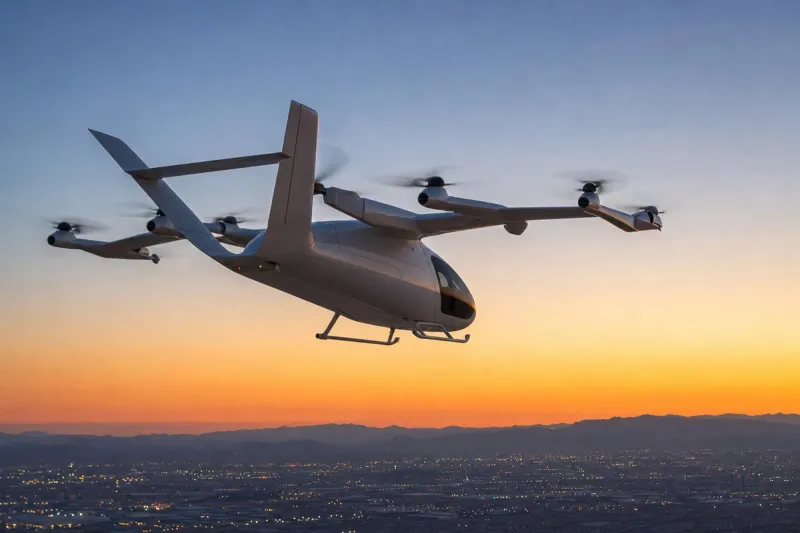
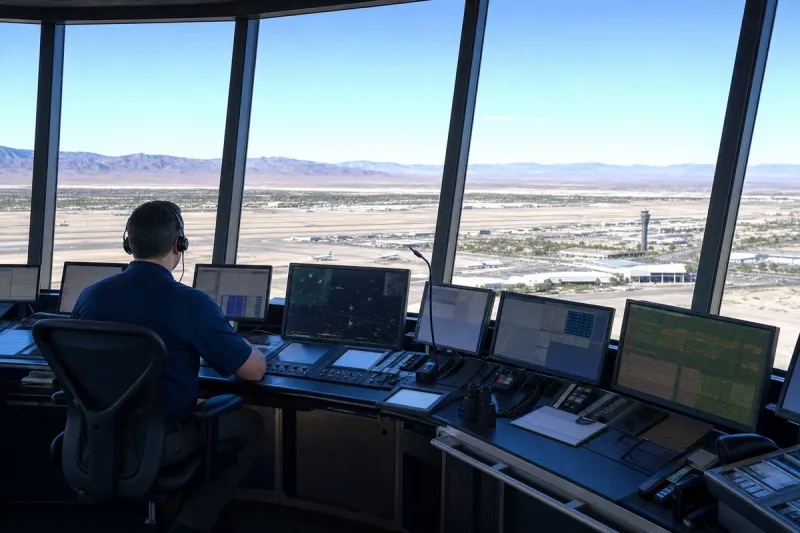
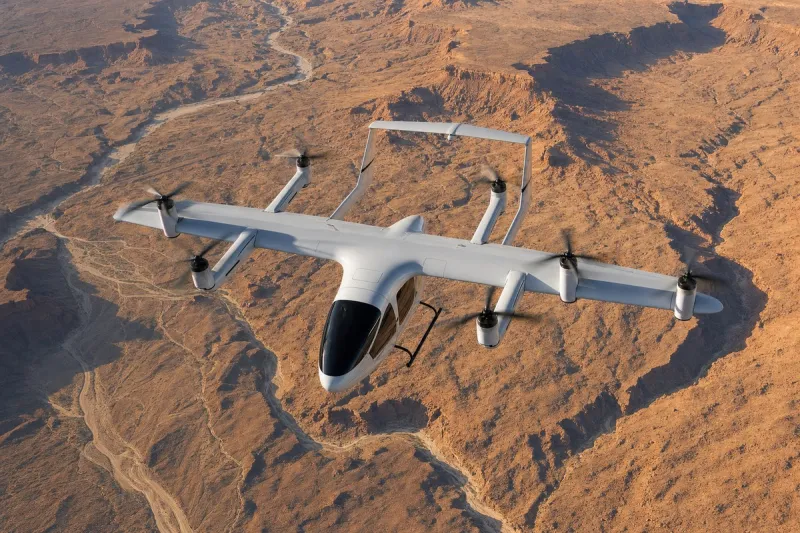
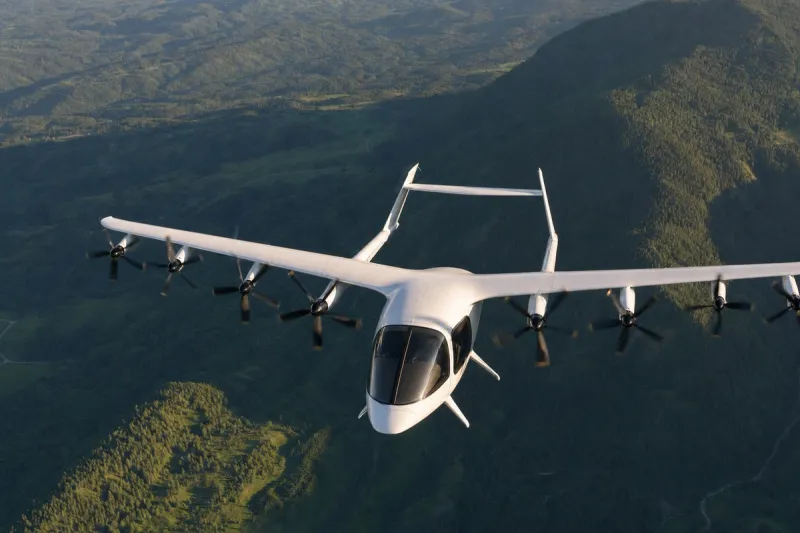
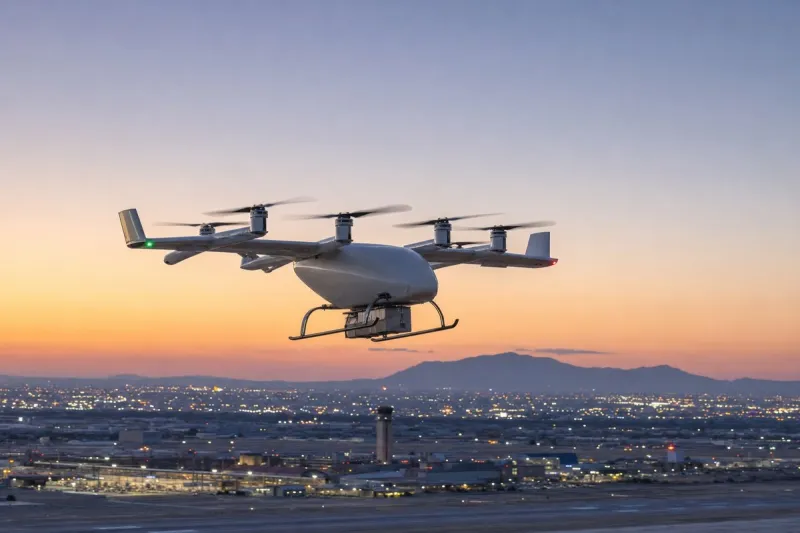
ADS-B In could also help en route by optimizing spacing through Interval Management. In the author's trials, air traffic control spent noticeably less time talking to ADS-B In-equipped aircraft, freeing controllers to focus on maintaining safe airspace. The author argues that combining reactive and awareness-based technologies matters as airspace becomes more congested and eVTOL aircraft enter service.