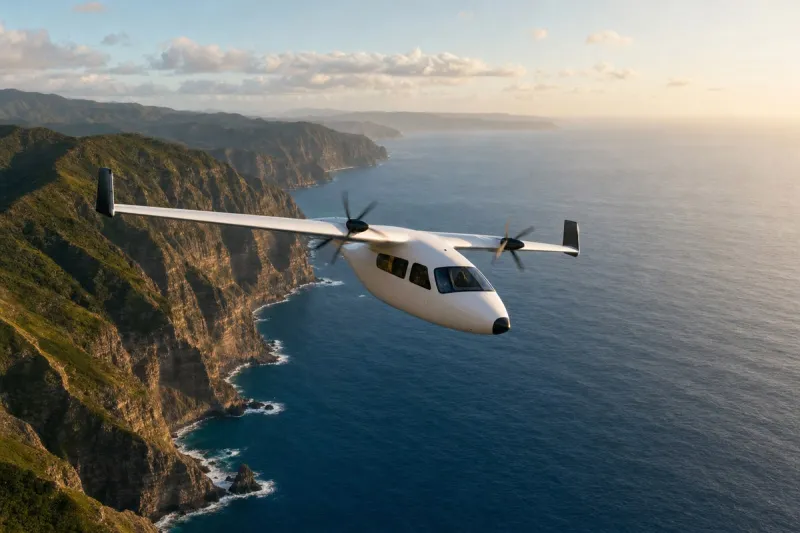
Boom's roughly 130 Overture orders are non-binding, and the Greensboro factory is designed for 33 aircraft a year
Why It MattersA backlog of conditional orders against a single 33-a-year factory leaves supersonic airliner demand unproven, and any conversion into deliveries would still be gated by capacity and certification.
Boom Supersonic's roughly 130 Overture orders and pre-orders from United, American and Japan Airlines are conditional rather than firm. None of the airline agreements is binding, no carrier has made an irreversible capital commitment, and only American's deposit is publicly disclosed. In the wording reviewed, even that deposit does not create an unconditional delivery obligation.
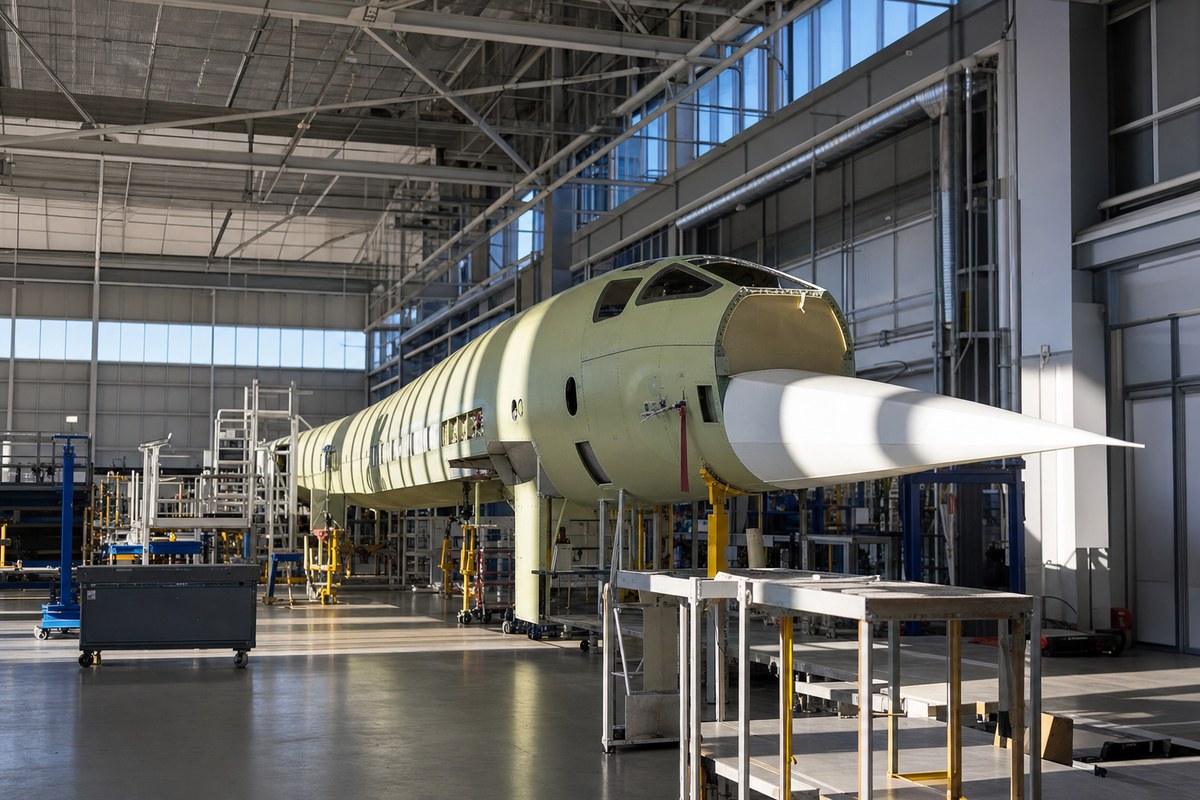
United appears on Boom's site with 15 aircraft ordered and 35 options. American has paid a deposit on up to 20 aircraft, with options on another 40, and delivery depends on Boom meeting operational, performance and safety benchmarks plus American's customary terms. Japan Airlines holds a 2017 pre-order for 20. The deposit amount, performance thresholds, test dates, refund mechanics and cancellation triggers have not been published, and Boom has not released a consolidated count of unconditional, deposit-backed aircraft.
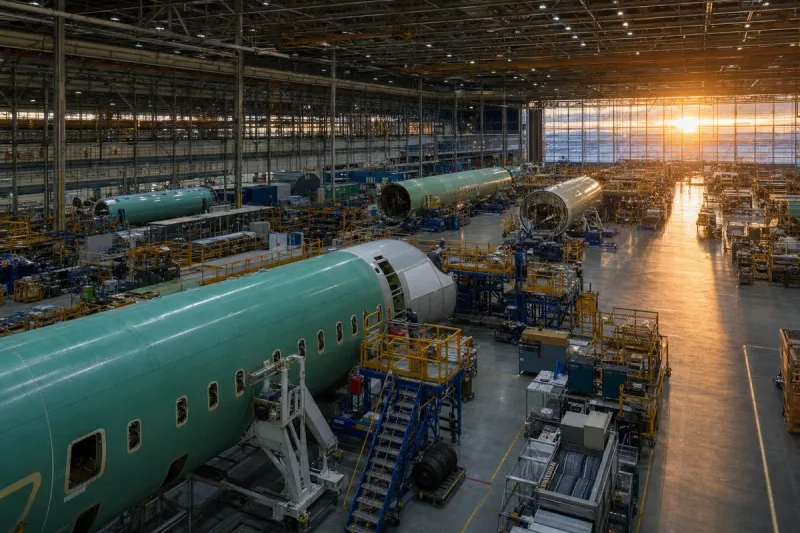
The Overture Superfactory in Greensboro, North Carolina, is designed for a maximum of 33 aircraft a year. Boom has said it wants a second assembly line that could eventually double output to 66, but no construction date, financing or commissioning schedule has been published. At 33 a year, a 130-aircraft backlog equals about four production years; at 66 a year, closer to two. These are queue calculations, not Boom delivery forecasts.
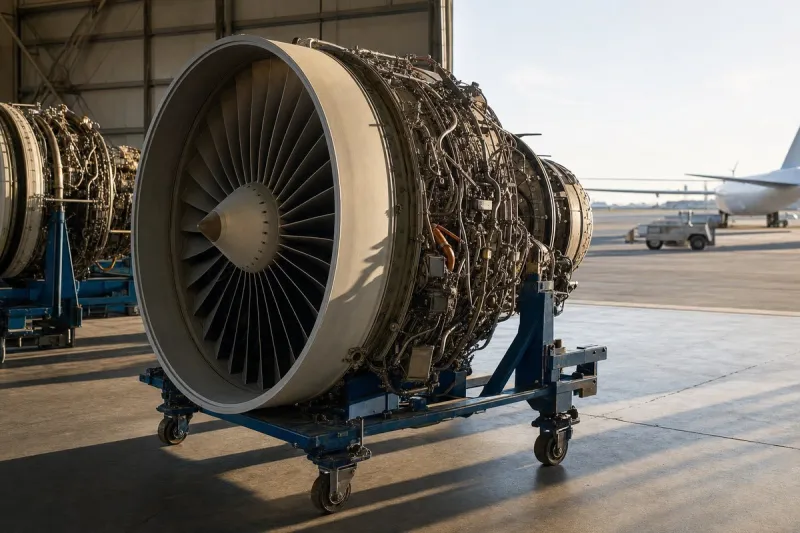
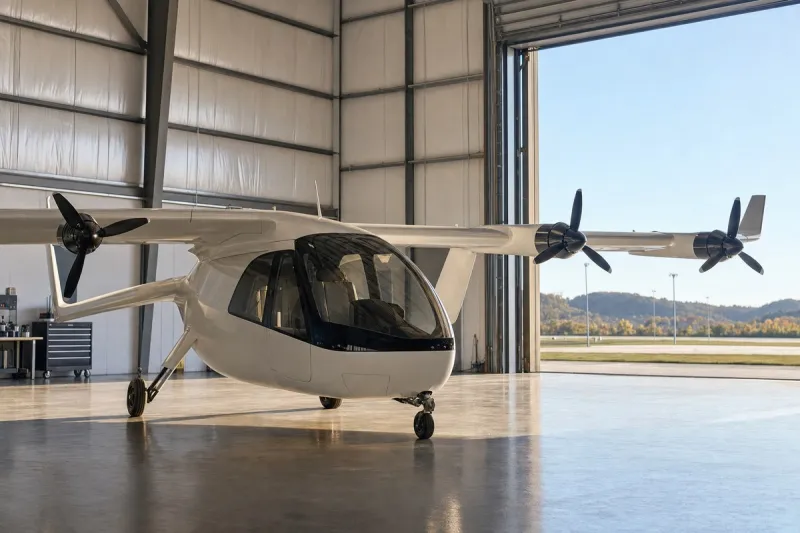
A new airframe and the custom Symphony engine must be certified concurrently for Boom's stated entry-into-service target to hold. The XB-1 demonstrator reached supersonic speeds, but it validates neither the Symphony engine nor the Overture airframe.
Pan Am and TWA cancelled their Concorde options in early 1973, and only British Airways and Air France ultimately flew the type. Aerion cancelled its AS2 program in May 2021 after failing to raise the financing it needed, despite a heavily promoted order book.