Ukrainian Drones Hit St Petersburg Oil Terminal and Data Centre; 327 Flights Disrupted at Pulkovo
Why It MattersDrone transits and strikes around St Petersburg show how quickly northwest Russian and Gulf of Finland airspace can restrict, a recurring risk for any business-jet routing through the region.
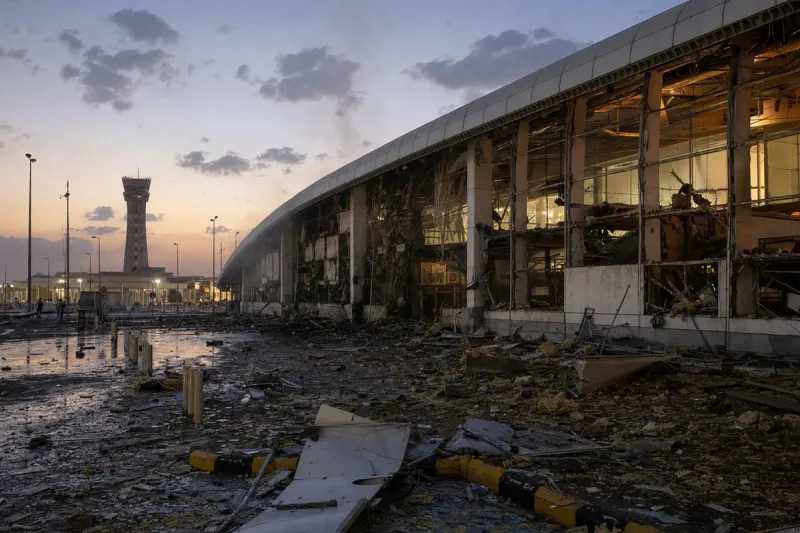
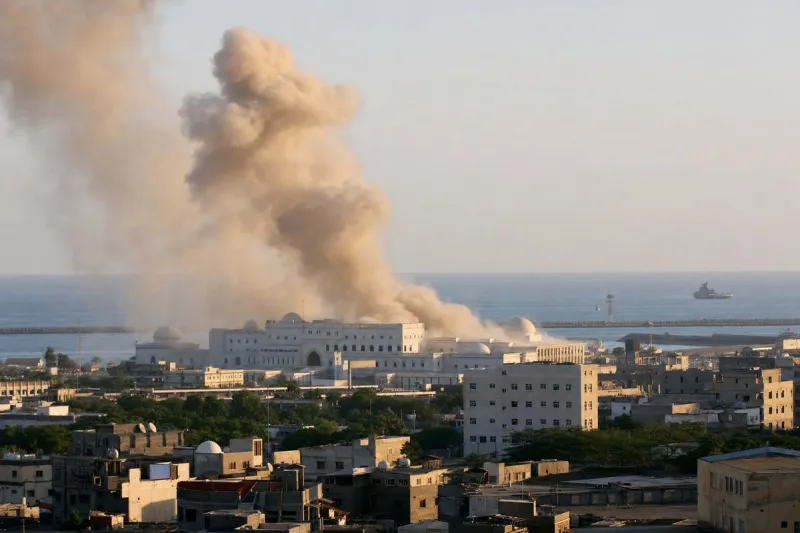
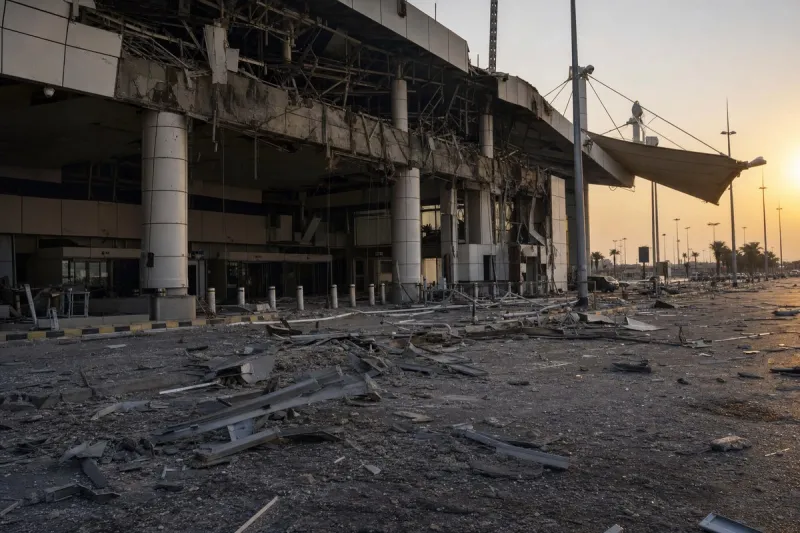
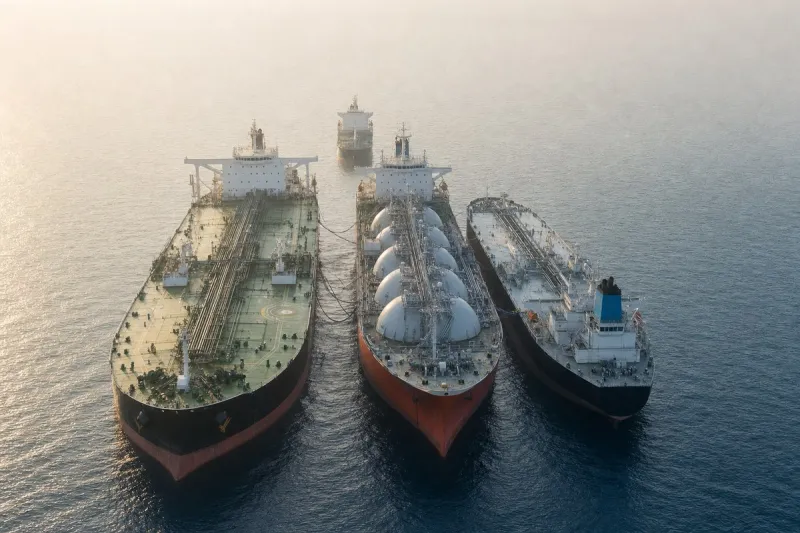
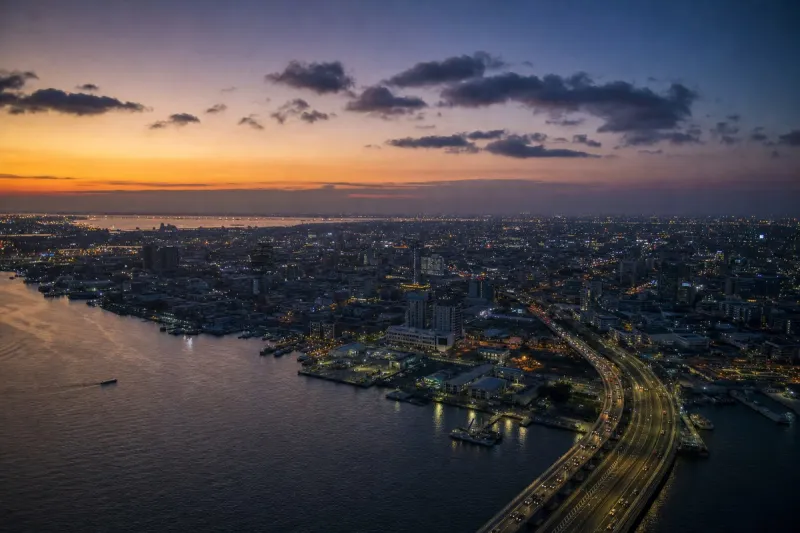
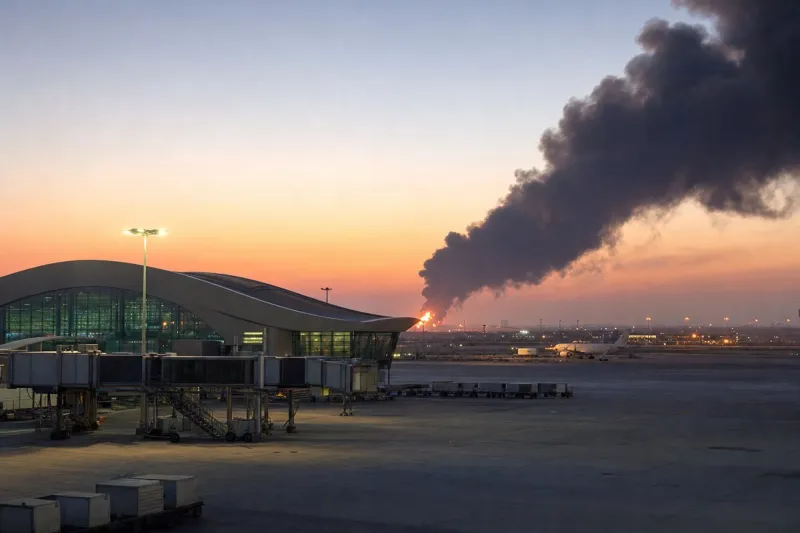
Ukraine launched a large overnight drone attack on St Petersburg on the night of 17 to 18 October 2026, setting the St Petersburg Oil Terminal ablaze and causing widespread disruption in Russia's second city. Other targets included a data centre linked to Russian internet company VK, a heating and power plant, and the cable-stayed Korabelny Fairway Bridge connecting Bely Island with Vasilyevsky Island, which was closed to traffic while damage was assessed. The terminal has a capacity of 12.5 million tons. Ozon confirmed its St Petersburg logistics hub was on fire, and VK said its services were restored to users after the strike on its data centre in the Leningrad region. Russia's Defence Ministry said air defence units downed 1,015 Ukrainian drones over Russian regions overnight.
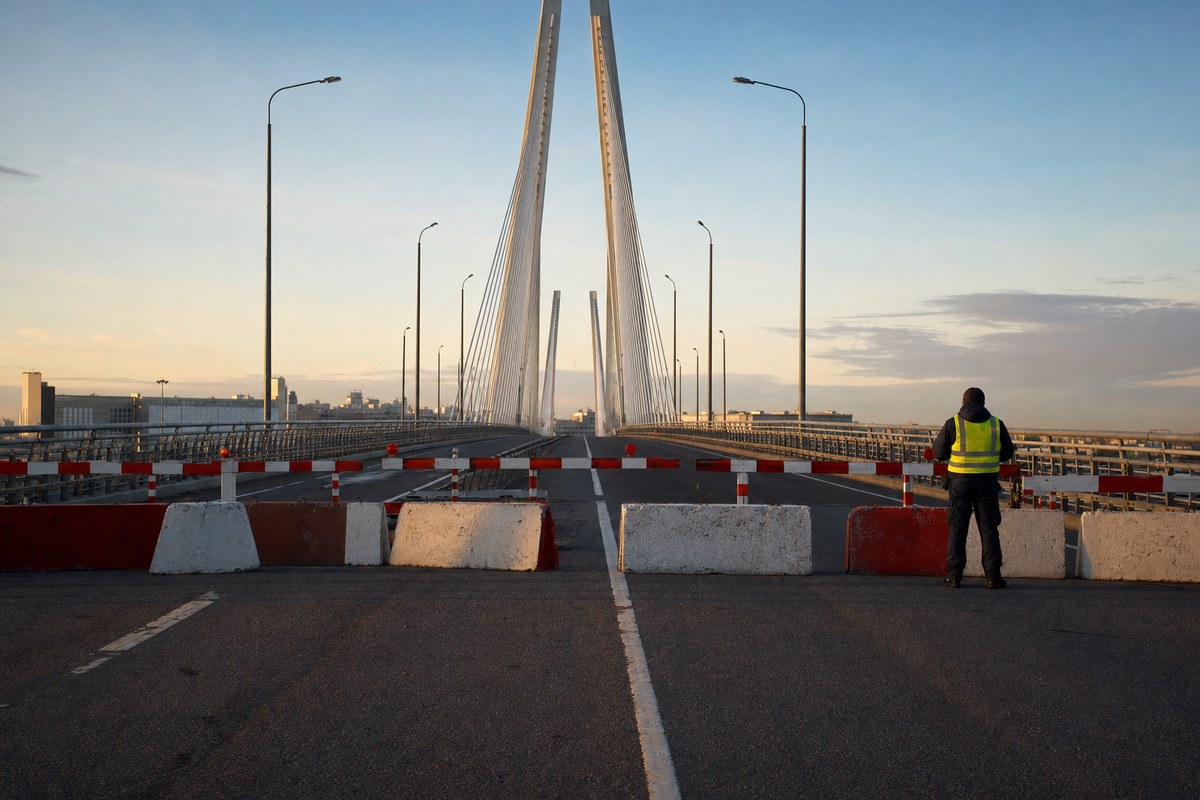
Governor Alexander Beglov confirmed one person was killed and five injured in St Petersburg, with fires spreading to industrial warehouses. Four people, including three children, were injured in the wider Leningrad region, tens of thousands were left without electricity, and mobile internet services were disrupted. Debris from downed drones fell on homes, cars and power lines, and the Dvortsovy Fasad residential complex was among the buildings affected.
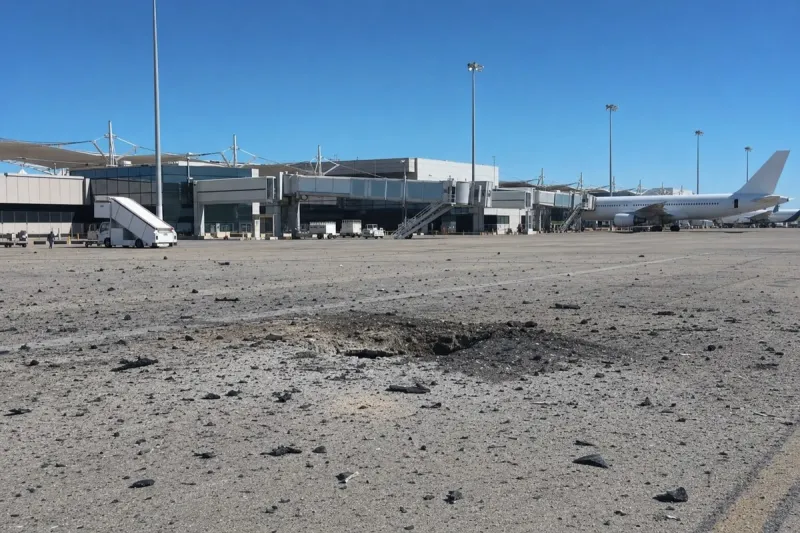
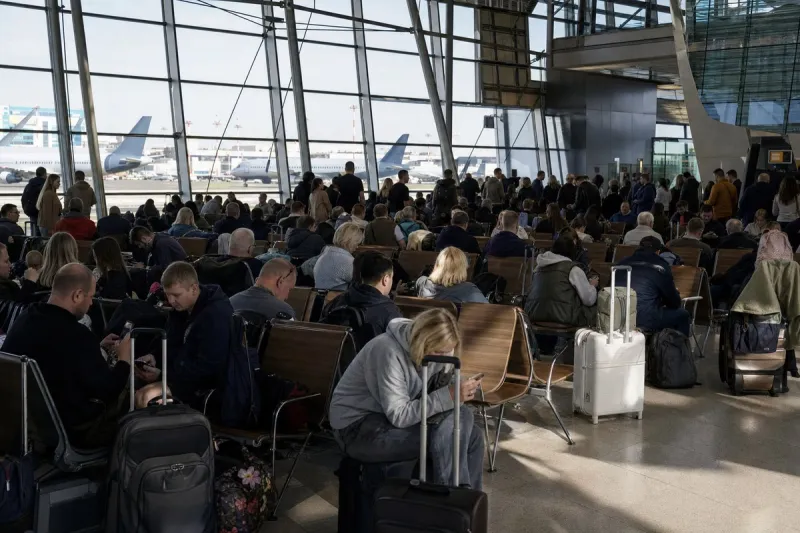
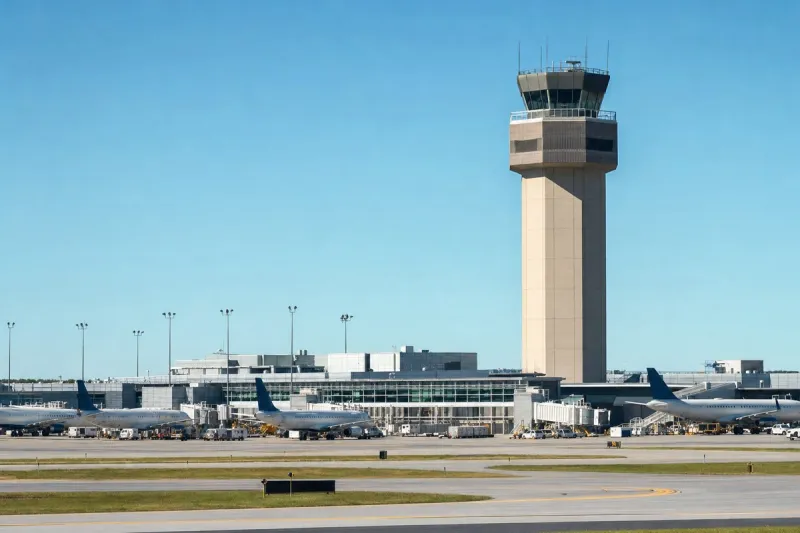
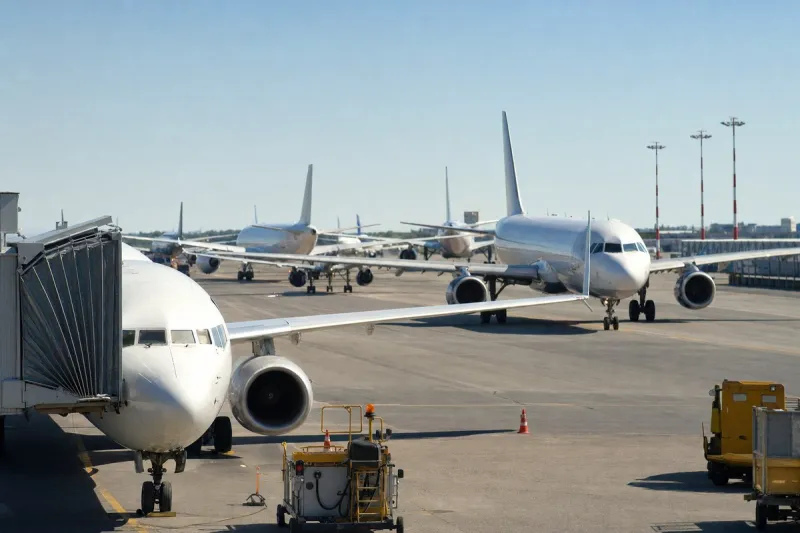
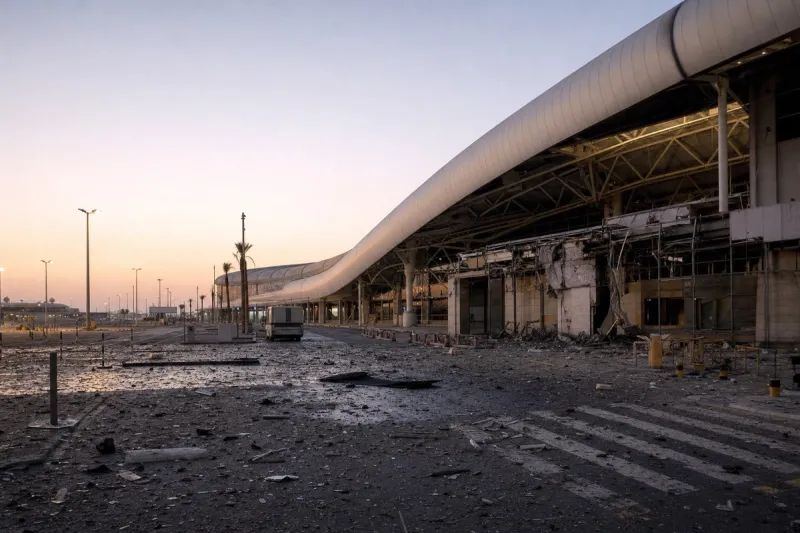
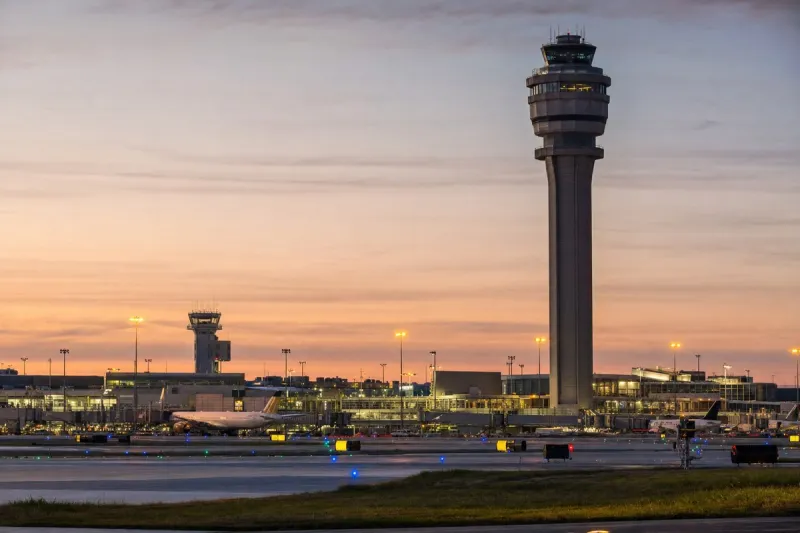
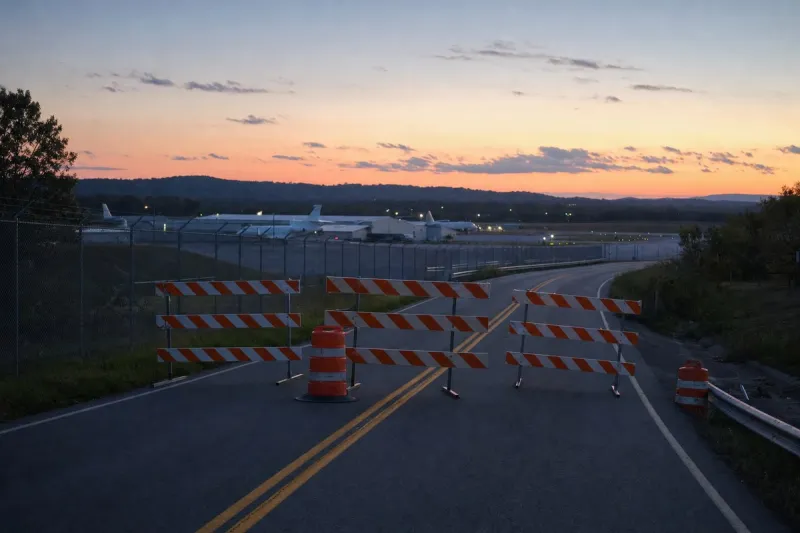
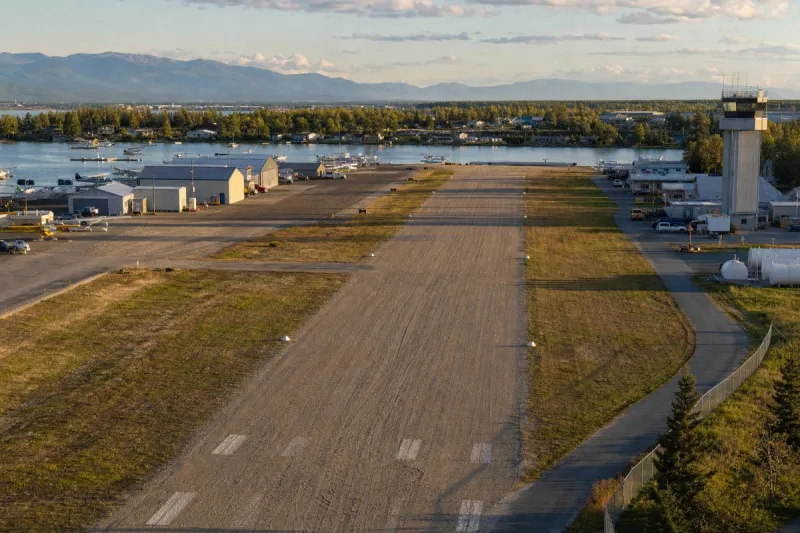
Pulkovo Airport (LED) restricted operations "for safety reasons", and staff were ordered to take cover in shelters. 327 flights were delayed or cancelled at the airport, and TASS also reported departure disruption. In neighbouring NATO member Finland, airspace was restricted in the eastern part of the Gulf of Finland as the long-range drones transited the region.
The strike came amid tension between Kyiv and Washington. Donald Trump this week signed an executive order blocking congressional sanctions against Russia, and he had earlier declared an "energy ceasefire" that neither Kyiv nor Moscow confirmed. He later called Ukraine's strikes on oil infrastructure "a disgrace", saying they were driving up global energy prices. The two leaders are also at odds over Trump's decision to waive sanctions and import millions of tonnes of Russian diesel in a deal reported to be worth £3.3 billion.
Volodymyr Zelensky said Russia was trying to create a blackout in Ukraine just before winter, and that Russia had attacked Ukrainian energy, oil and gas sectors 76 times in the week since Trump announced a halt to attacks on energy infrastructure. Russian pro-war Telegram channels called for a response including an Oreshnik hypersonic missile strike on central Kyiv.