Houthis Fire Missiles at Aden's al-Maashiq Palace as U.S. Embassy Restricts Staff Use of Saudi Airports
Why It MattersSustained missile and drone fire on Gulf airports turns airport availability into a recurring operating variable, with government travel bans and suspended hub operations reshaping how flights into the Kingdom are planned.
What happened
On October 15, Houthi forces fired five missiles at the al-Maashiq presidential palace in Aden, Yemen, the seat of the internationally recognized government. Yemeni officials said the strike killed two security personnel. Information Minister Moammar al-Eryani said the prime minister and all government members were safe.
Prime Minister Shaya Zindani condemned the attack as a continuation of the Iran-backed Houthi militia's pattern of striking civilian sites. Houthi military spokesman Yahya Saree said the strike targeted what he called the Saudi military operations headquarters in Aden.
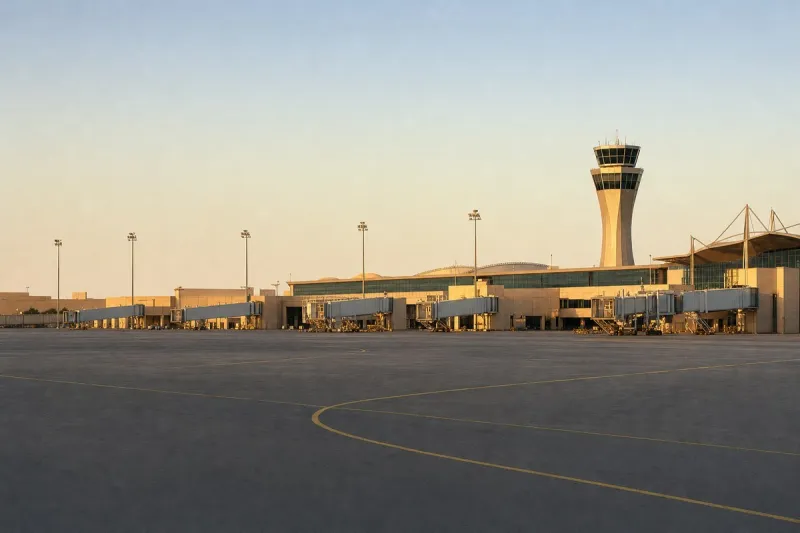
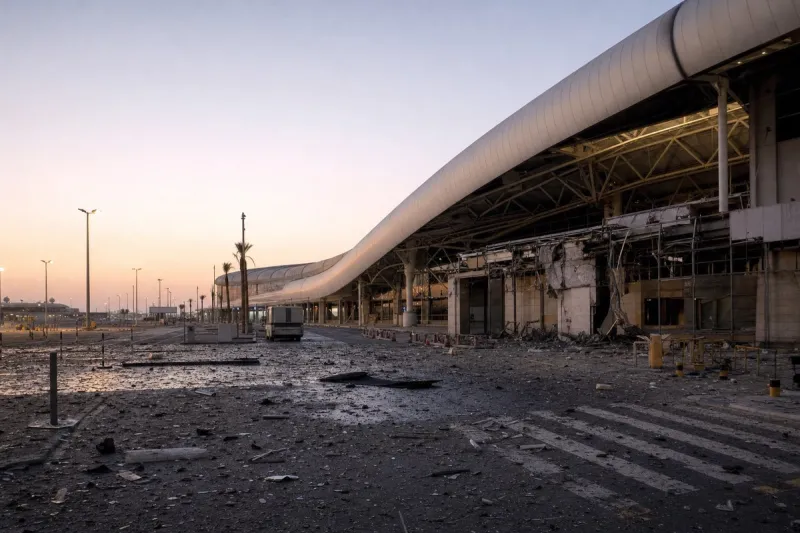
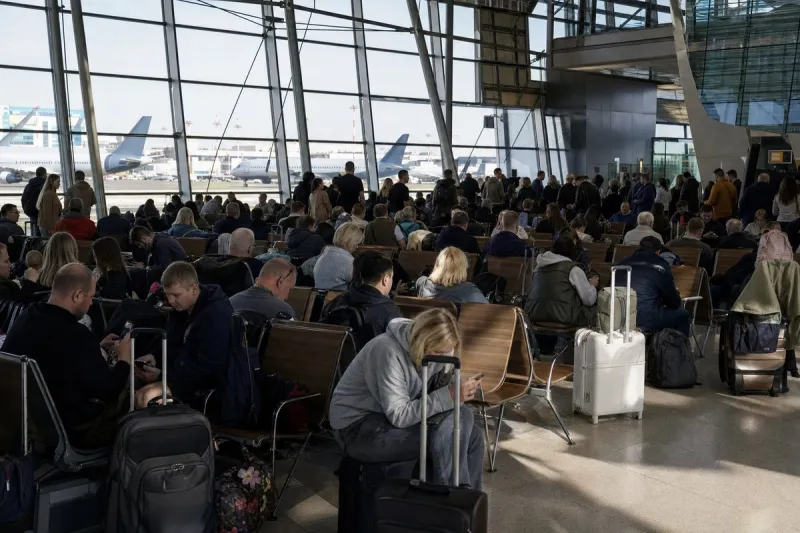
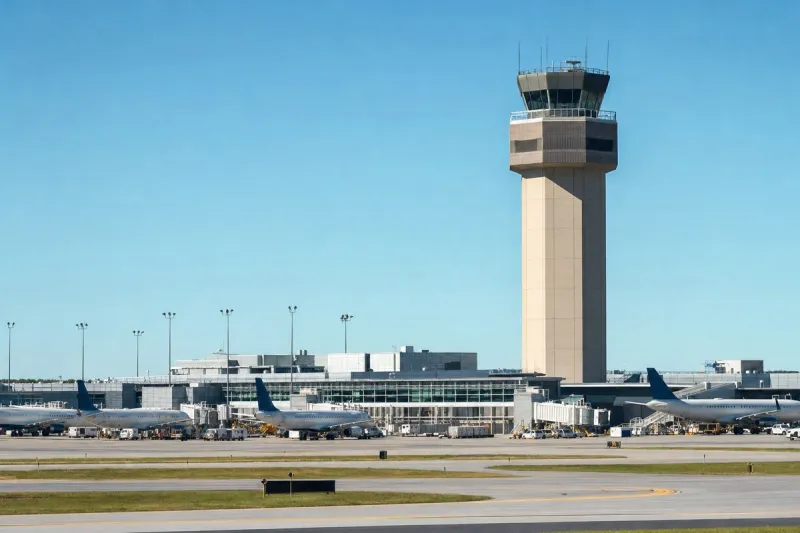
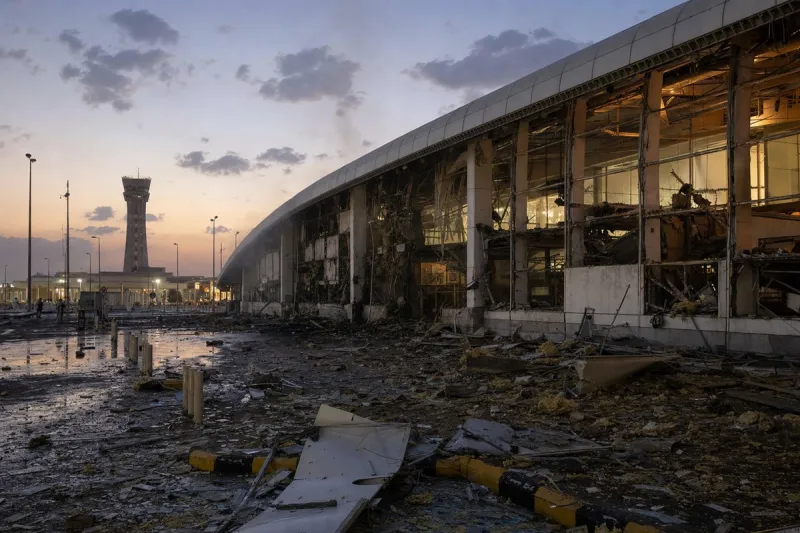
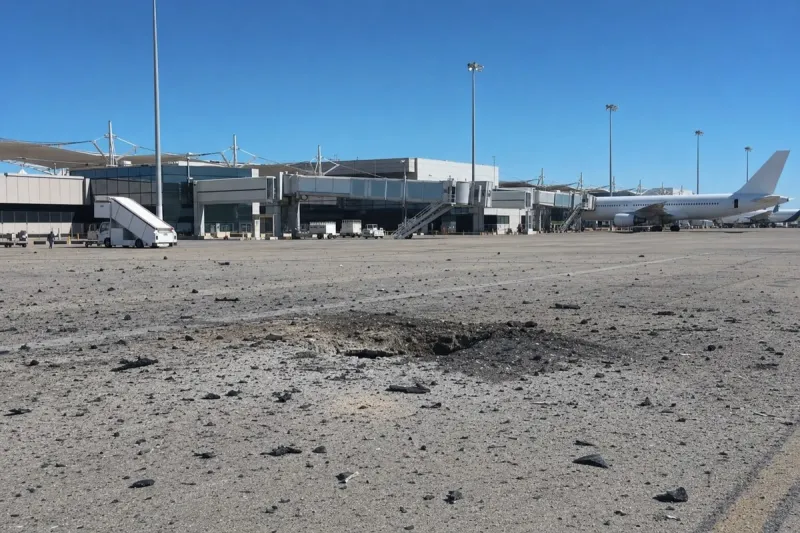
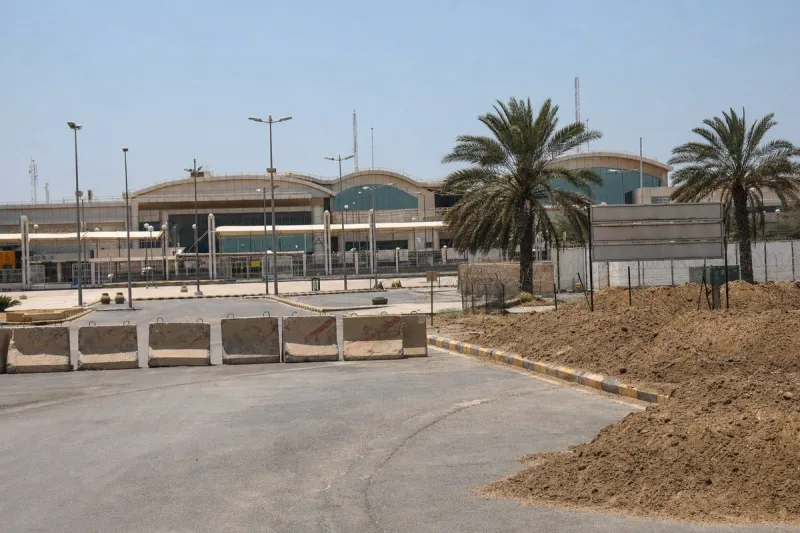
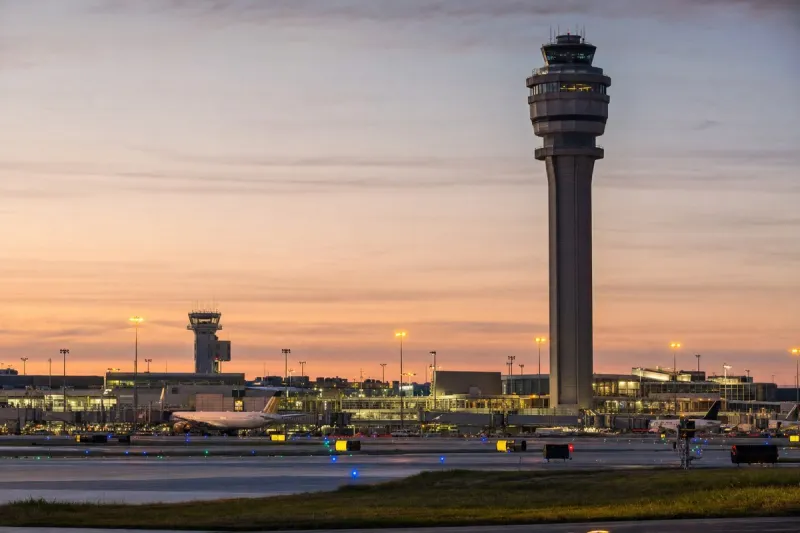
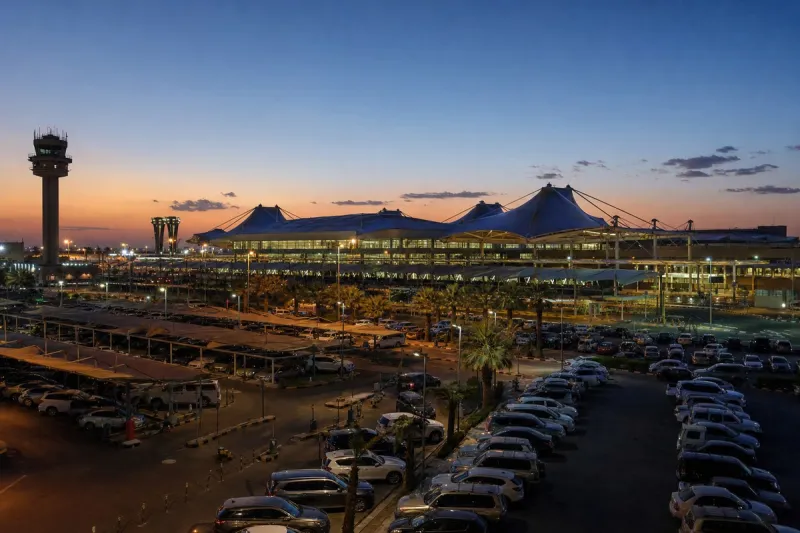
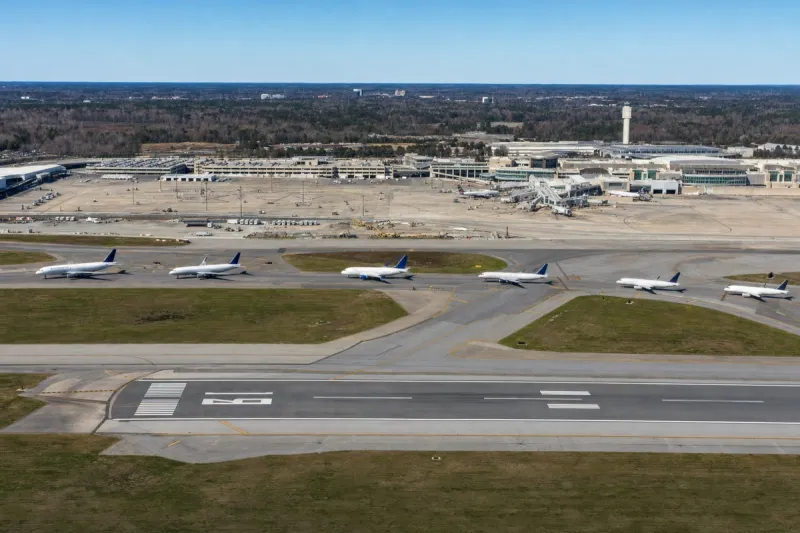
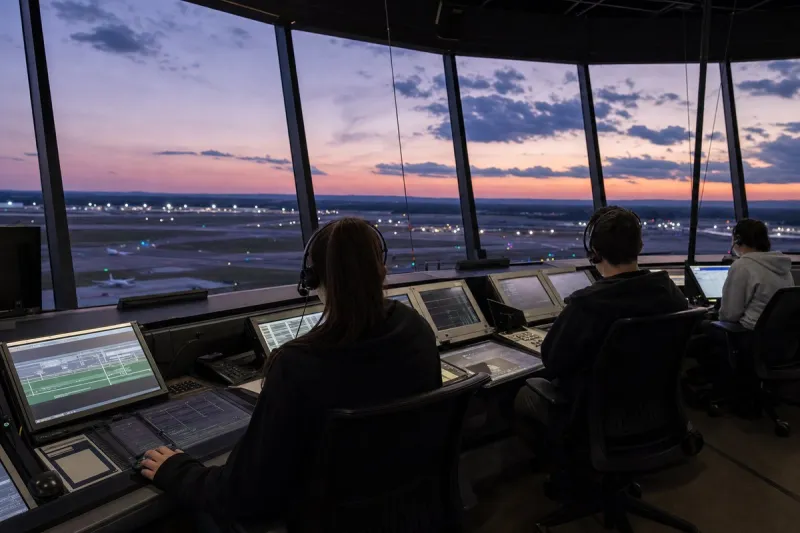
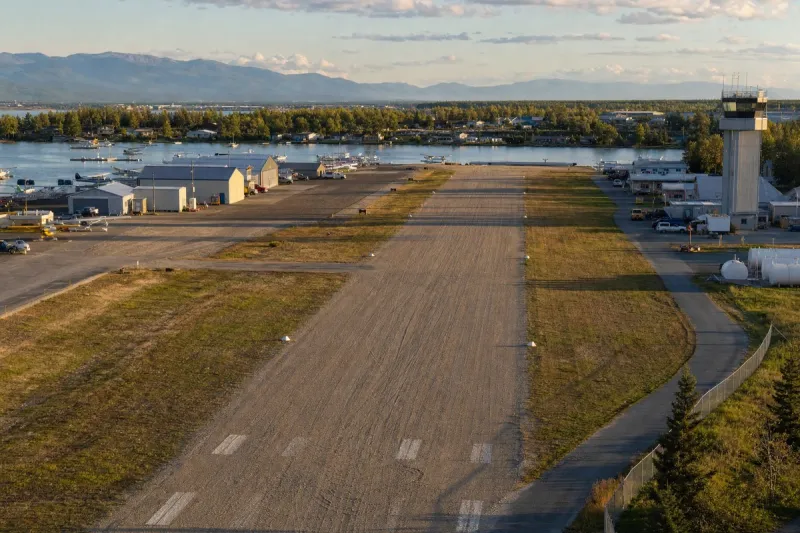
The same day, the U.S. Embassy in Riyadh issued a security alert stating that U.S. government employees in Saudi Arabia require special authorization from the Chief of Mission to use any airport in the Kingdom, following recent missile and UAV attacks on Saudi airports. King Khalid International Airport in Riyadh, about 10 km (6 miles) north of the city center, has had operations suspended through October 17 after multiple strikes.
Saudi-led coalition spokesman Major General Turki al-Maliki said Houthi attacks on the airport caused 17 deaths and more than 330 injuries, and that the group has launched 1,104 missiles and 1,135 drones at Saudi Arabia since operations began. He said coalition forces have destroyed 127 weapons storage facilities.
Industry impact & what to watch
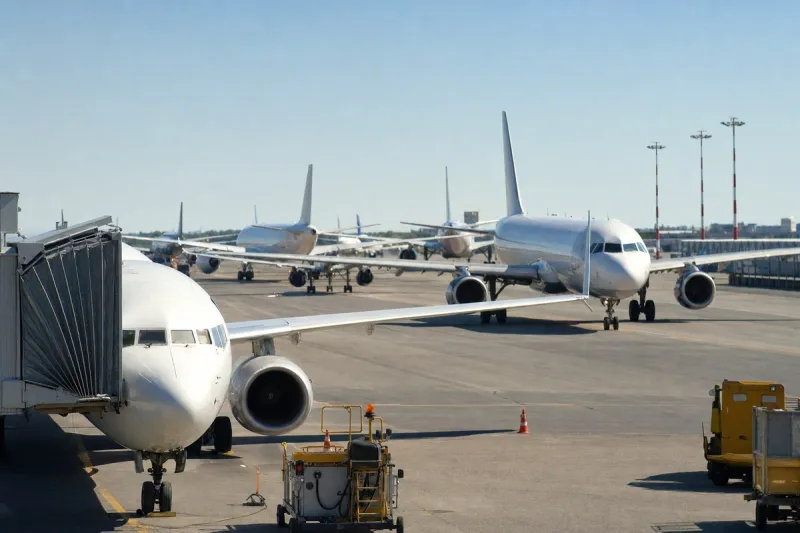
When an airport sits inside a missile and drone engagement zone, its availability stops being a fixed assumption and becomes something that changes by the day. A suspension of operations at a hub like Riyadh's King Khalid International, running through a stated date, forces any flight that planned to use it to be re-routed, re-timed or cancelled, and charter and business-aviation movements are usually the first to be rescheduled because they have the most flexibility to shift.
The embassy's authorization requirement shows a second mechanism at work: official travel guidance can tighten access to airports well before an airport formally closes. For operators and trip planners, this means exposure is shaped not only by whether a runway is open but by what clients, insurers and government customers are permitted to do. Duty-of-care obligations and crew-safety policies tend to follow such advisories closely.
The nearest dated marker is October 17, the end of the stated suspension at King Khalid International. Whether operations resume on that date, and under what conditions, will show how quickly Gulf airspace and airport access can normalize after strikes of this kind.