CASA Publishes Consultation Feedback on Risk-Based NOTAM Requirements for Drone and Rocket Operations
Why It MattersA risk-based test for when a NOTAM is required would reshape how low-level airspace is briefed, balancing drone and rocket access against the visibility of crewed aircraft operating in uncontrolled airspace.
Australia's Civil Aviation Safety Authority (CASA) has published a summary of its consultation on proposed amendments to rules affecting some drone and rocket operations, remote pilots and training providers. The three proposals cover a risk-based approach to determining when a NOTAM is required for an area approval, relocating existing record keeping and information requirements, and nationally consistent remote pilot licence (RePL) examinations. CASA said respondents broadly supported the objectives of all three.
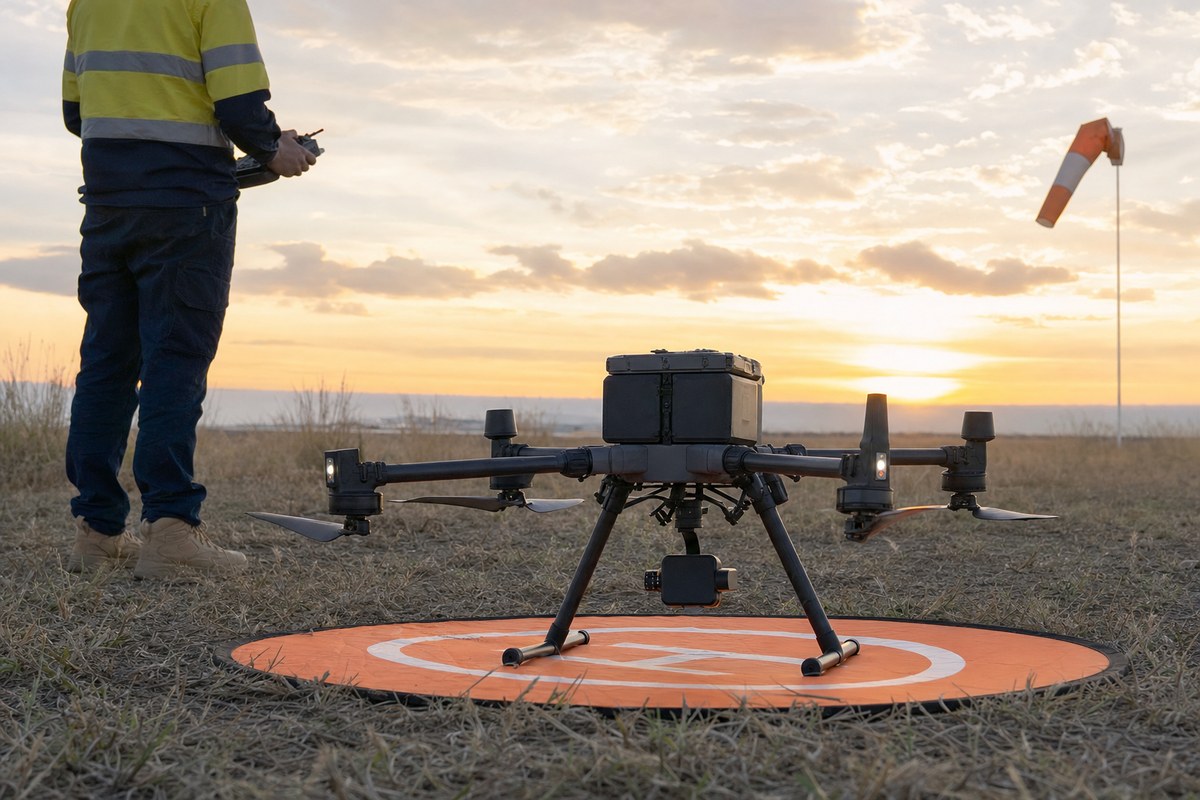
On the NOTAM proposal, respondents called for clear, nationally consistent criteria, suggesting factors such as operating height and duration, proximity to aerodromes and flight paths, airspace classification, the likelihood of low-level crewed aircraft, the dimensions of the approved area and other risk controls. They said the approach could reduce briefing workload and information overload, but stressed maintaining safety, since crewed aircraft can operate at low level, in Class G airspace, in remote areas and at short notice, including emergency services, military, aerial work and mustering flights. Respondents also asked who would arrange NOTAM publication, what lead times would apply, how changes, cancellations and system outages would be handled, and how a decision not to publish would be communicated to an operator whose approval requires one.
CASA said it will consider the feedback in finalising the proposal, including operations involving low-level crewed aircraft and areas where electronic conspicuity is not widely available. Most respondents did not expect the record keeping proposal to have unintended impacts, and RePL examination feedback focused on access, cost, delivery, examination integrity and transition arrangements.