Report Identifies Multiple Structural Barriers to Scaling Sustainable Aviation Fuel Supply
Why It MattersPersistent financing, feedstock and infrastructure bottlenecks threaten to slow SAF scale-up industry-wide even as regulatory blending mandates grow steadily stricter through 2050.
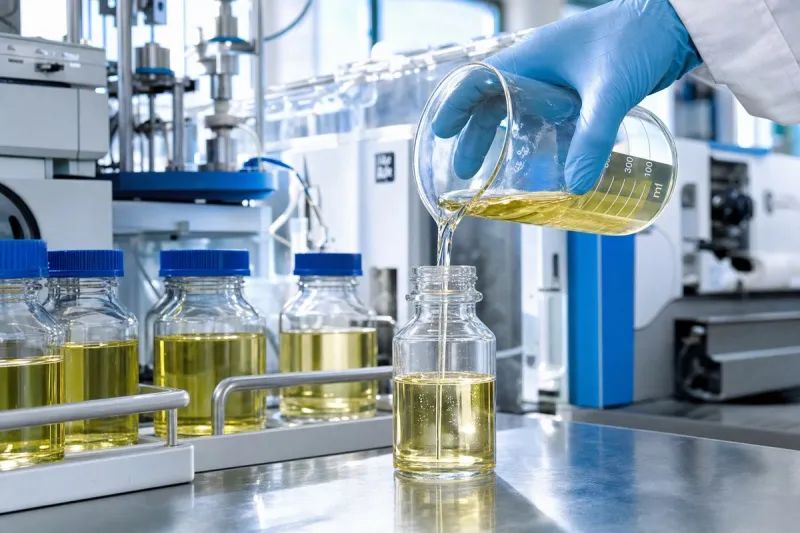
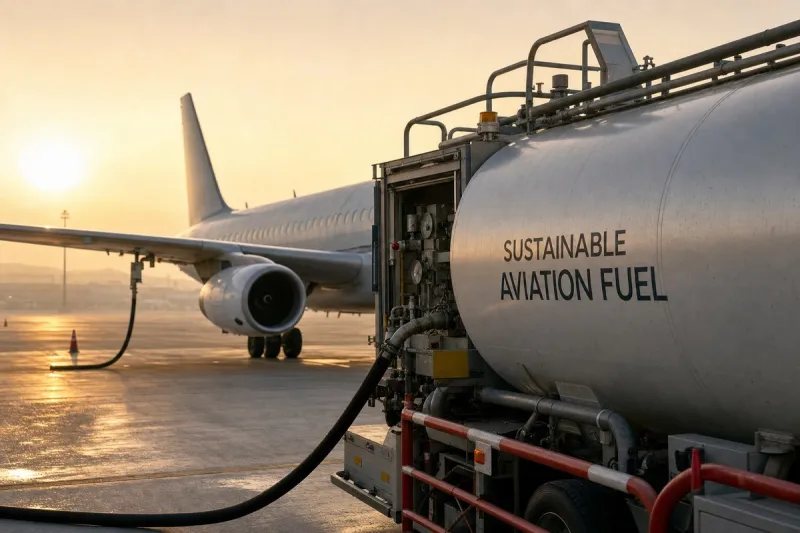
A report led by Martin Forman and co-authored by Annabel FitzGerald concludes that demand for sustainable aviation fuel (SAF) continues to grow but supply remains structurally constrained by interlinked technological, financial, infrastructural, regulatory, and feedstock bottlenecks. SAF is produced from renewable resources including waste materials, animal fats, renewable hydrogen, and captured carbon, and certain pathways can emit up to 90 percent less greenhouse gas than conventional petroleum jet fuel.
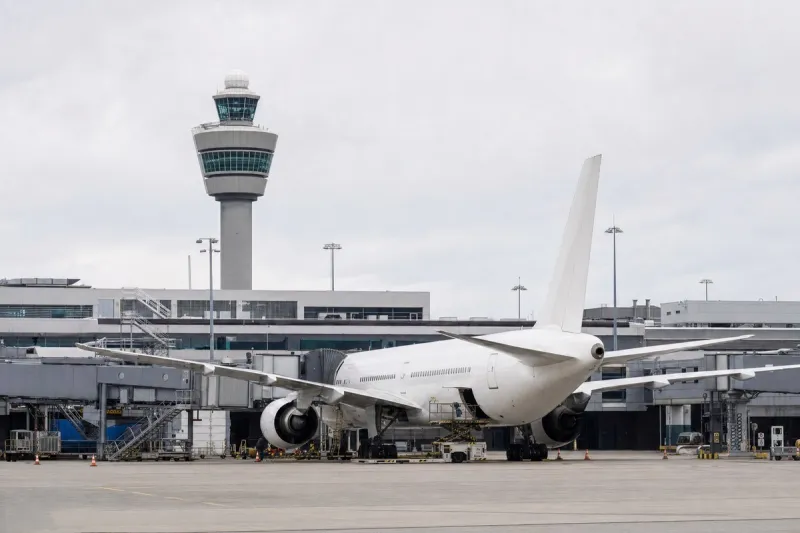
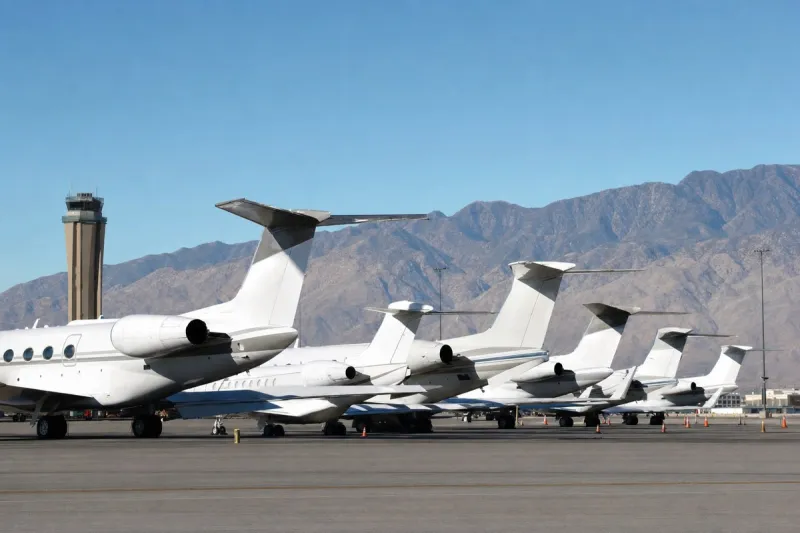
Under the EU's ReFuelEU Aviation regulation, the share of SAF at EU airports must legally rise to 70 percent by 2050. The 2024 blending target was exceeded by 40 percent, with SAF supply rising nearly sixfold over the year and cutting GHG emissions at European airports by more than 3.5 million tonnes. The 2025 target is set at just two percent, with steeper double-digit goals planned for later decades.
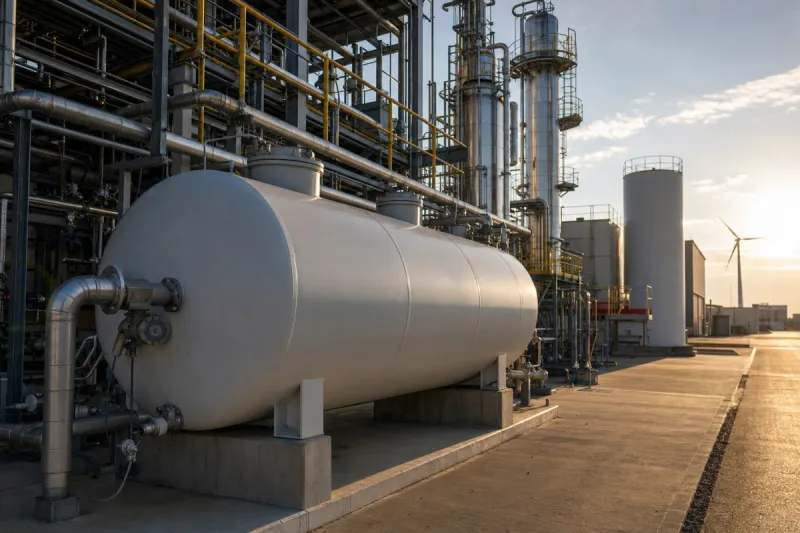
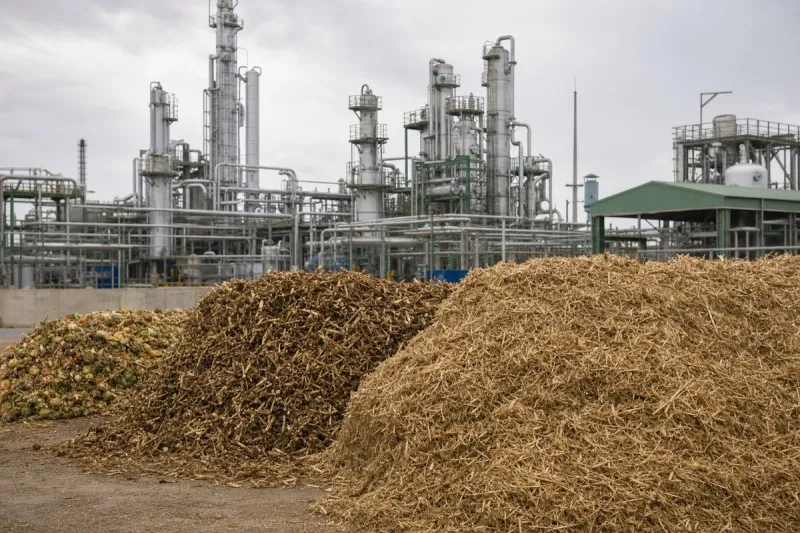
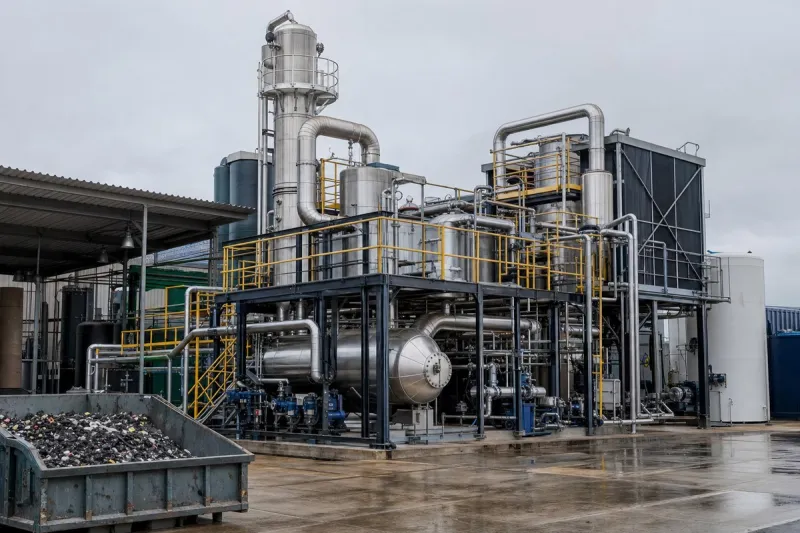
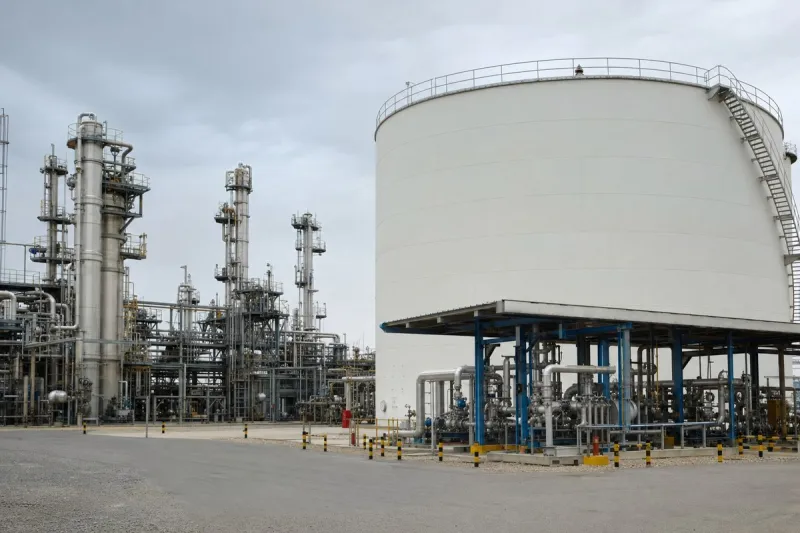
The report points to financing as a major obstacle, noting that revenue uncertainty, unpredictable pricing, and inconsistent technical data make SAF projects look high-risk to investors; none of 30 announced European from-scratch SAF production projects has reached a final investment decision. It also criticises the Renewable Energy Directive III's rigid pass/fail GHG threshold for disqualifying fuels that narrowly miss the minimum reduction requirement, which it says discourages startups and narrows the range of technologies in development. Feedstock competition across power, chemicals, maritime fuel and road transport, limited green hydrogen availability, and airport infrastructure gaps in storage, blending and traceability are also cited as constraints.
The authors recommend earmarking EU and national funding for SAF testing facilities and independent testing centres, and propose keeping the existing pass/fail threshold while adding a lifecycle carbon-intensity valuation that rewards incremental emissions reductions. "SAF is a key enabler on the journey to decarbonising the aviation sector," said co-author Annabel FitzGerald. "Overcoming these barriers requires coordinated action across industry, policymakers and finance to create a credible, investable pathway."