Misd Skyward Targets Urban Air Mobility with eVTOL Networks and AI Traffic Management
Why It MattersUrban air mobility platforms combining eVTOL hardware with AI traffic control remain dependent on certification frameworks still being developed by regulators such as the FAA and EASA.
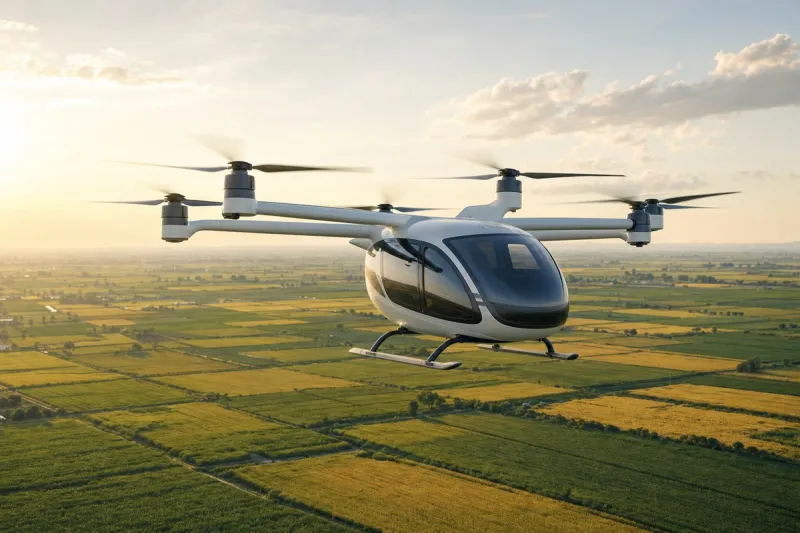
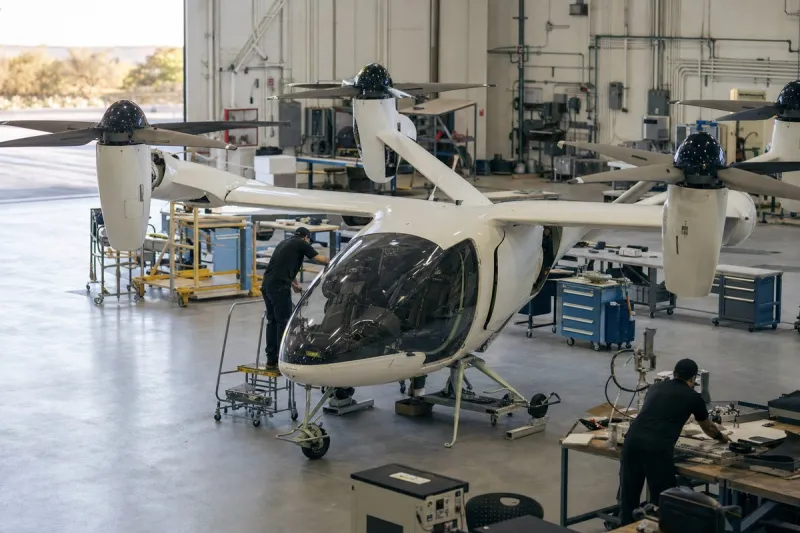
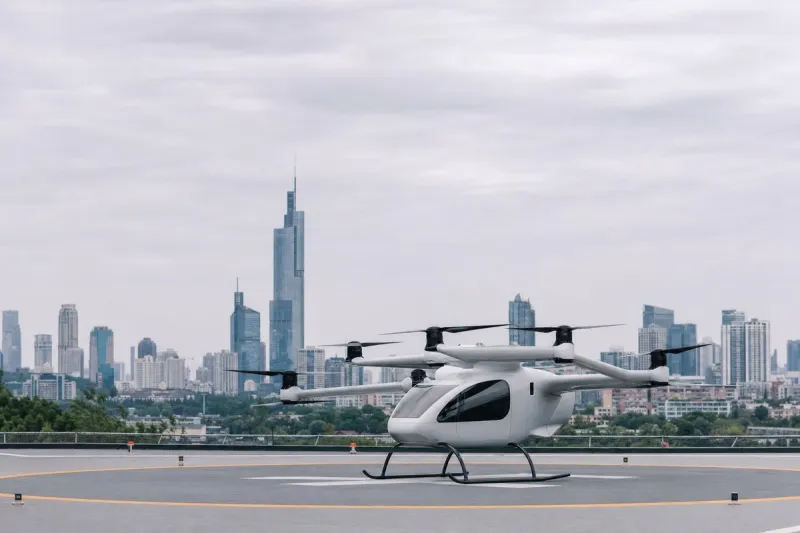
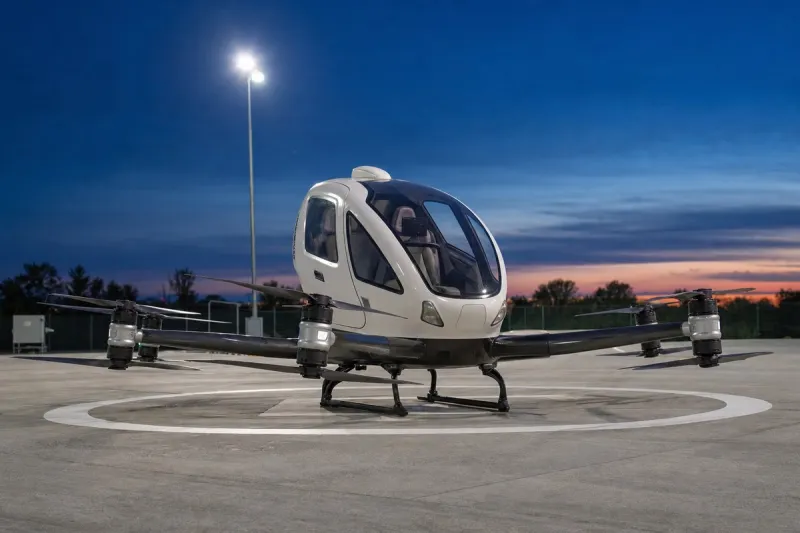
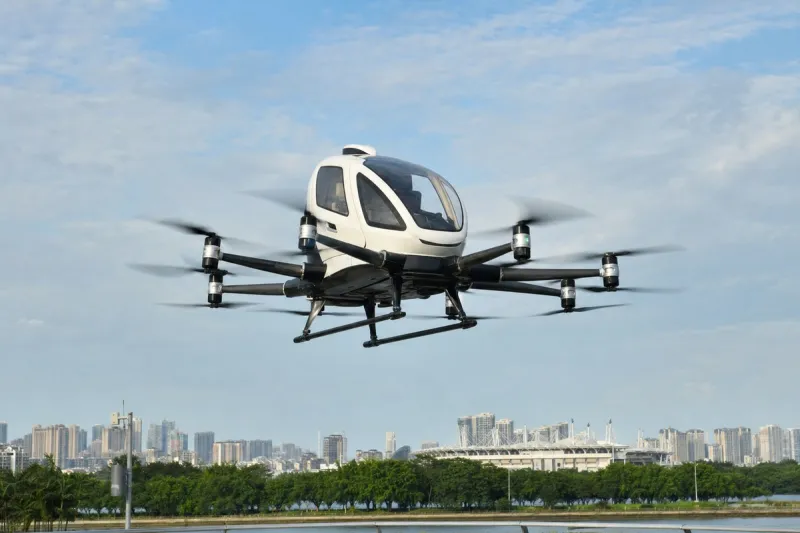
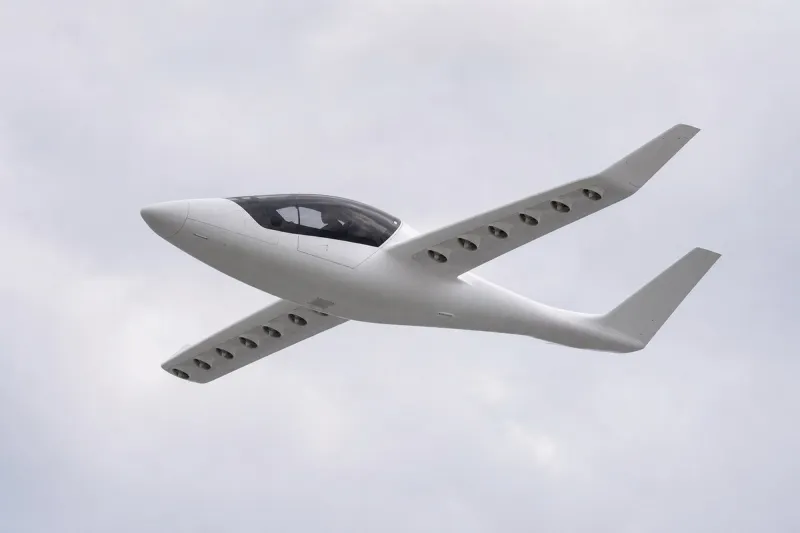
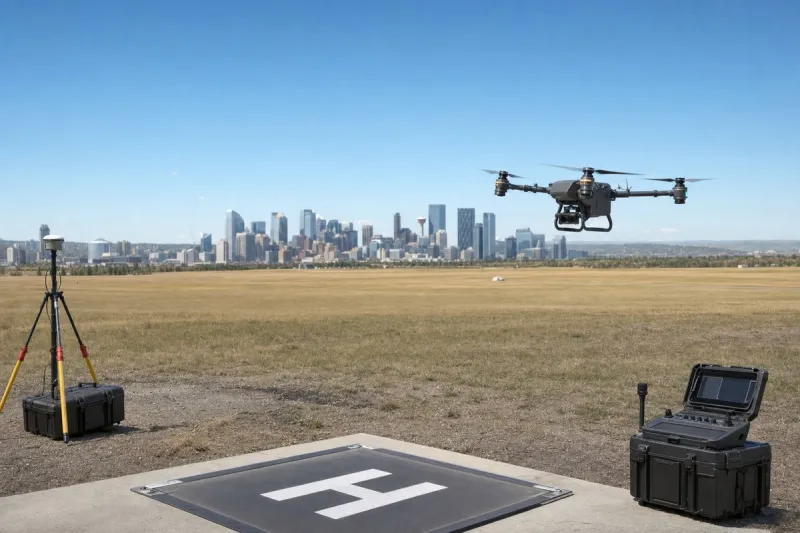
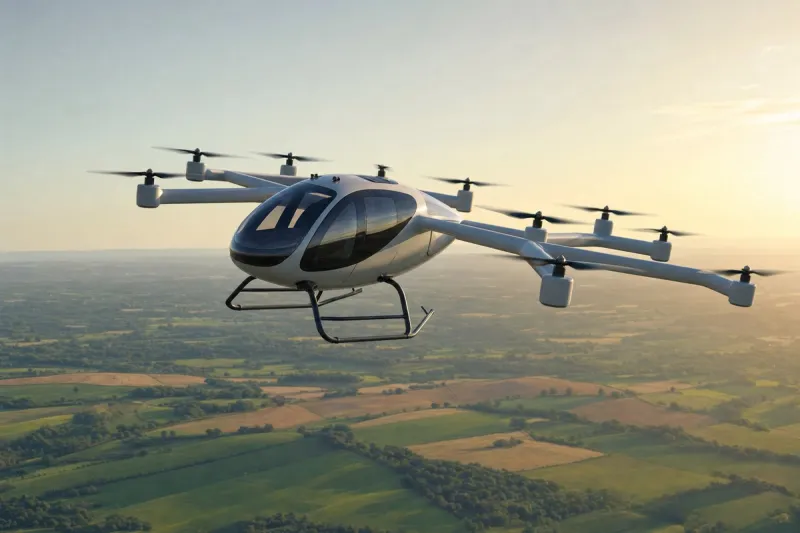
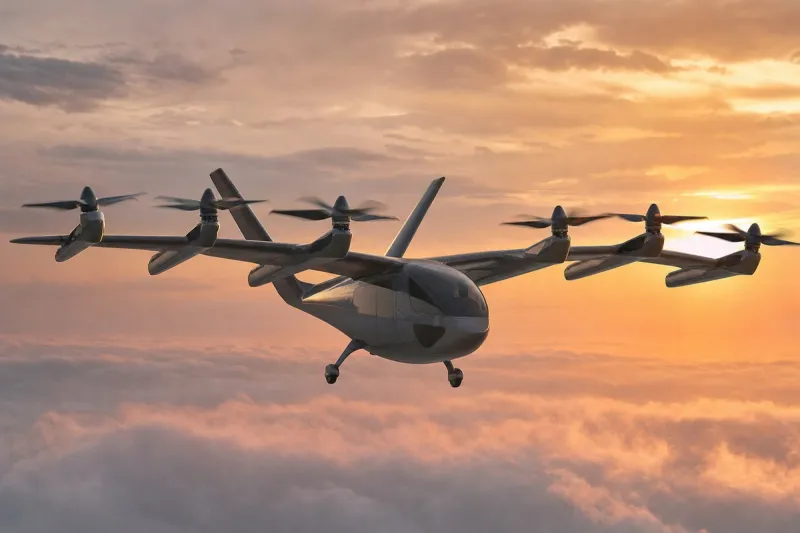
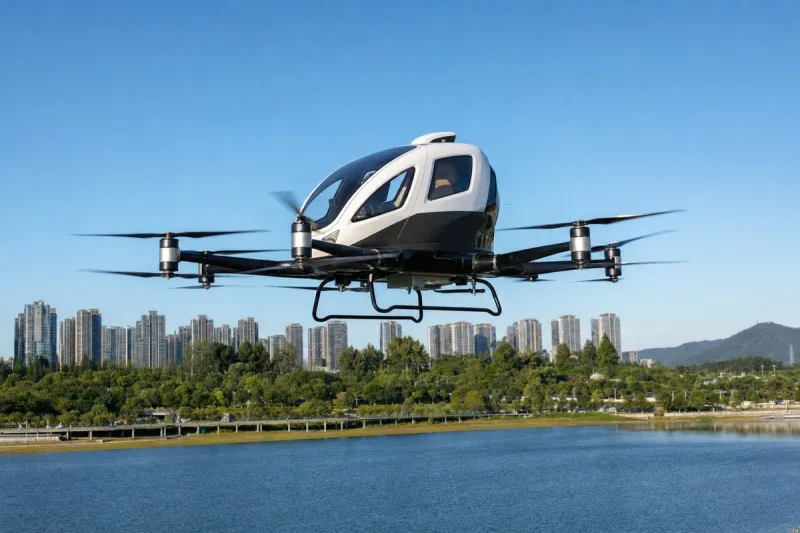
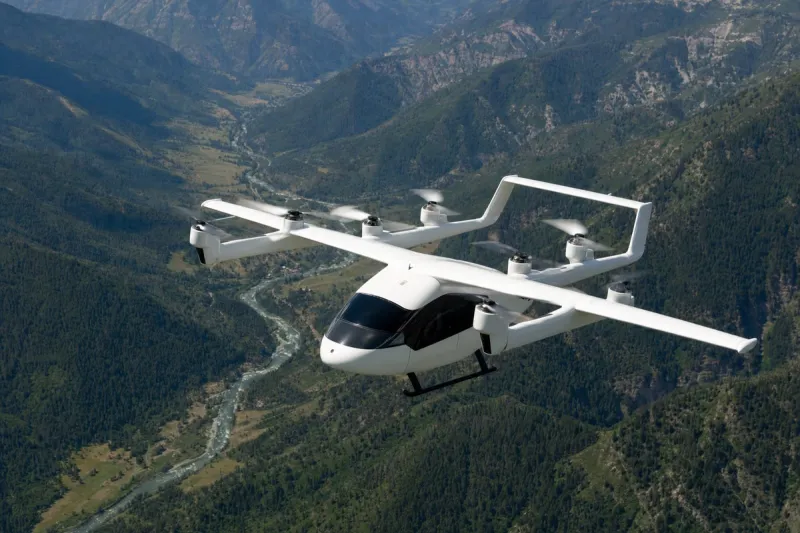
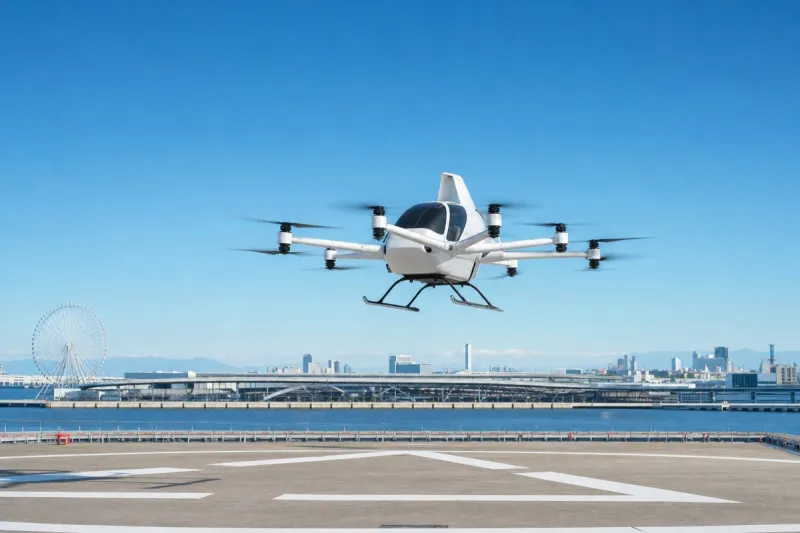
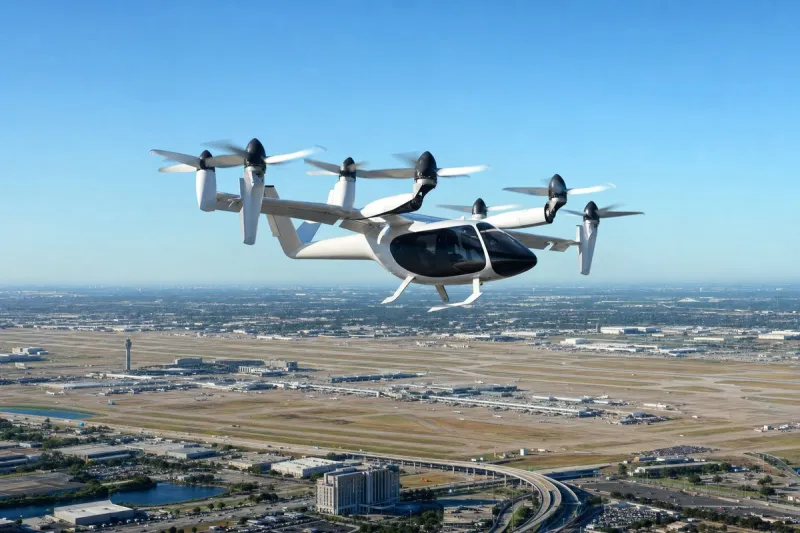
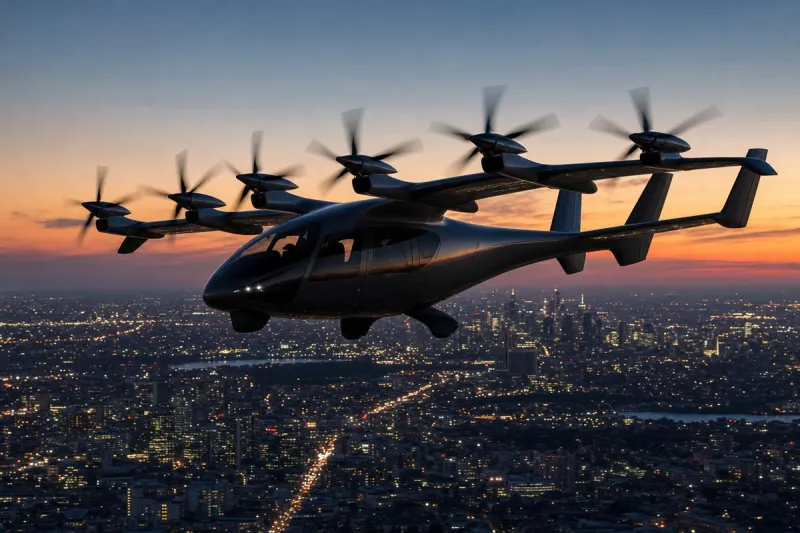
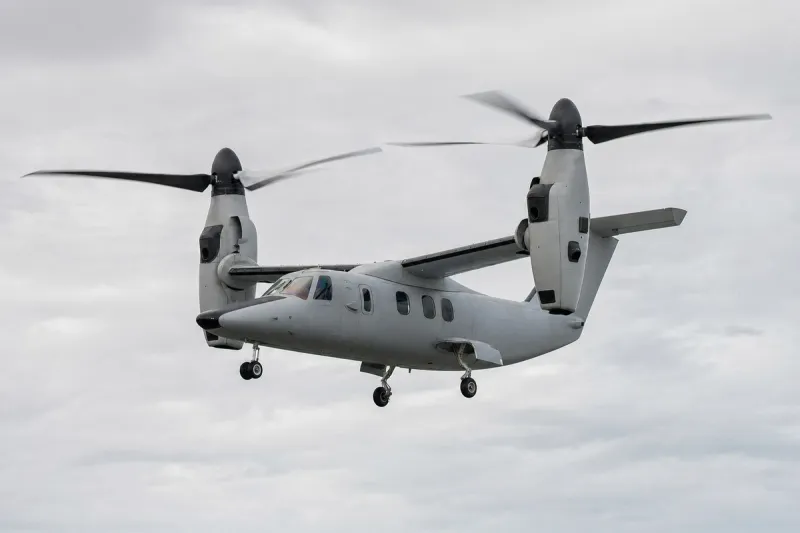
Misd Skyward is building an integrated urban air mobility system that pairs electric vertical takeoff and landing (eVTOL) vehicle design with AI-driven traffic management, aiming to make low-altitude flight routine within the next decade. The vehicle architecture relies on distributed electric propulsion with multiple redundant electric rotors or ducted fans, lightweight composite airframes, and an onboard sensor suite of LiDAR, radar and high-definition cameras feeding AI systems for obstacle avoidance and route calculation.
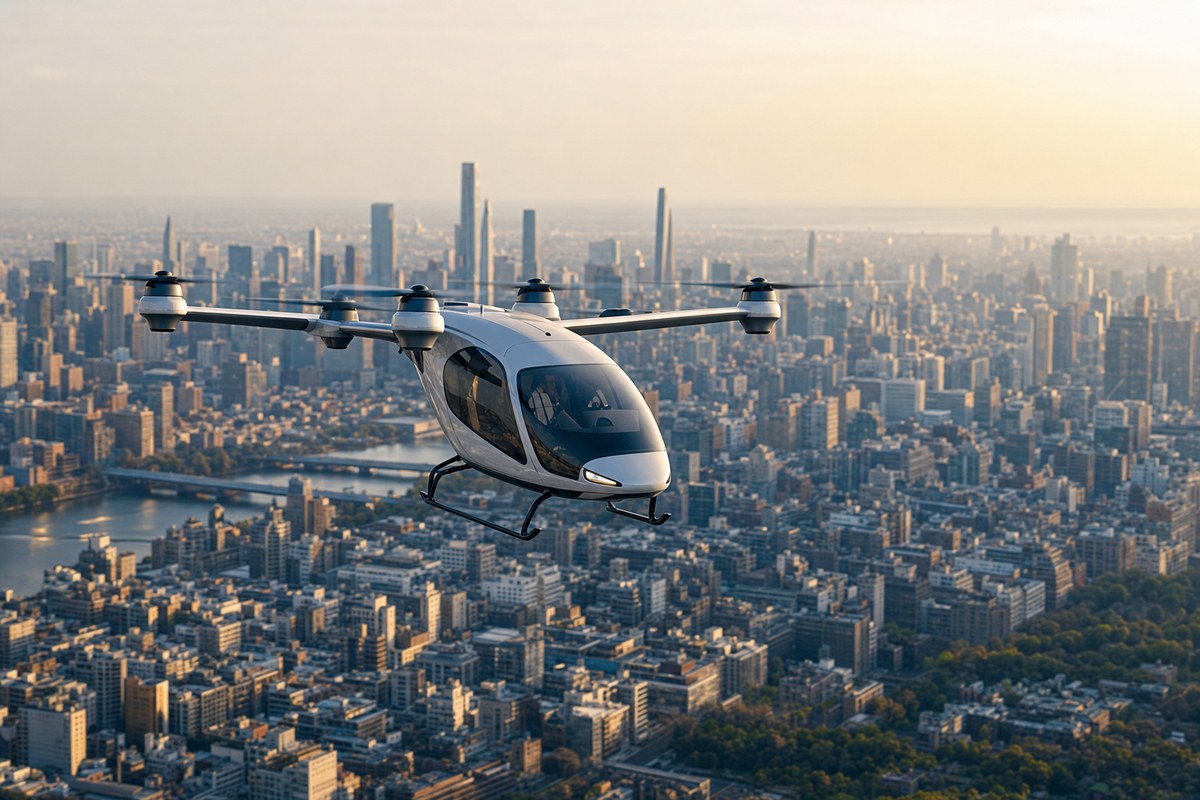
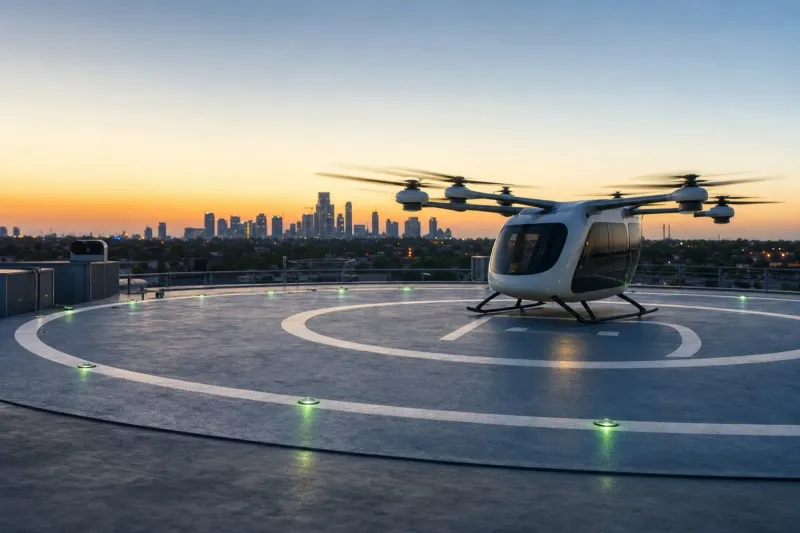
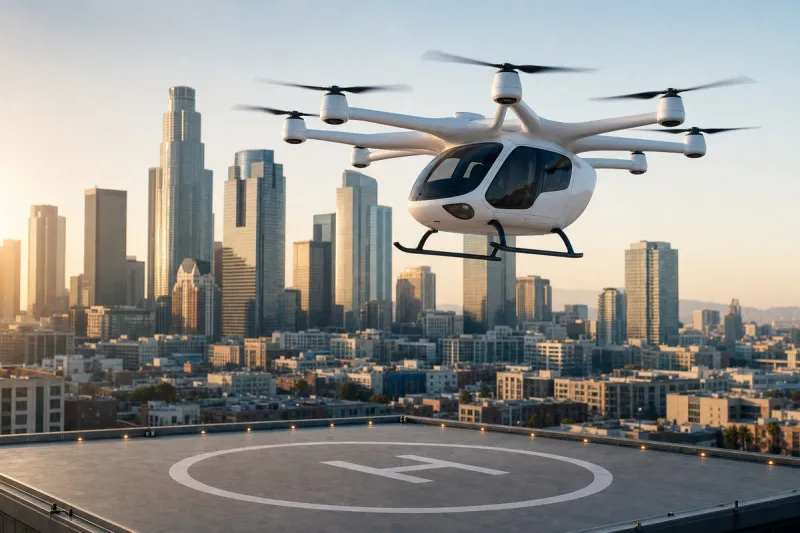
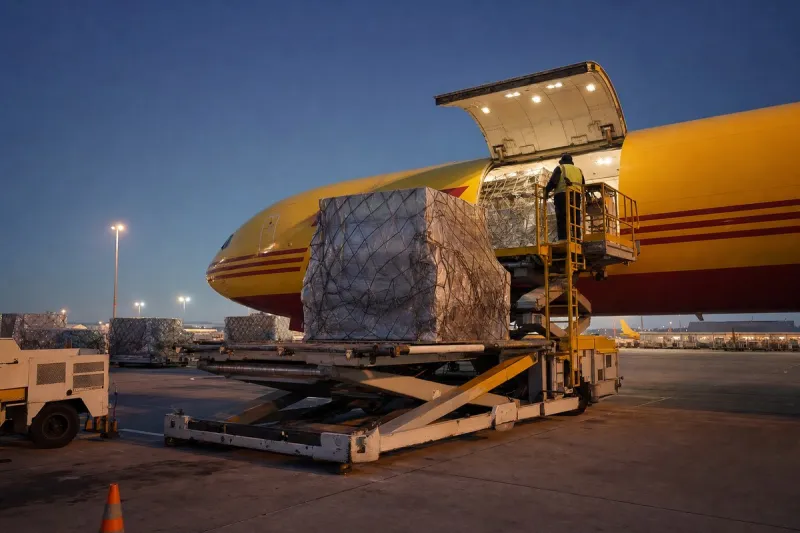
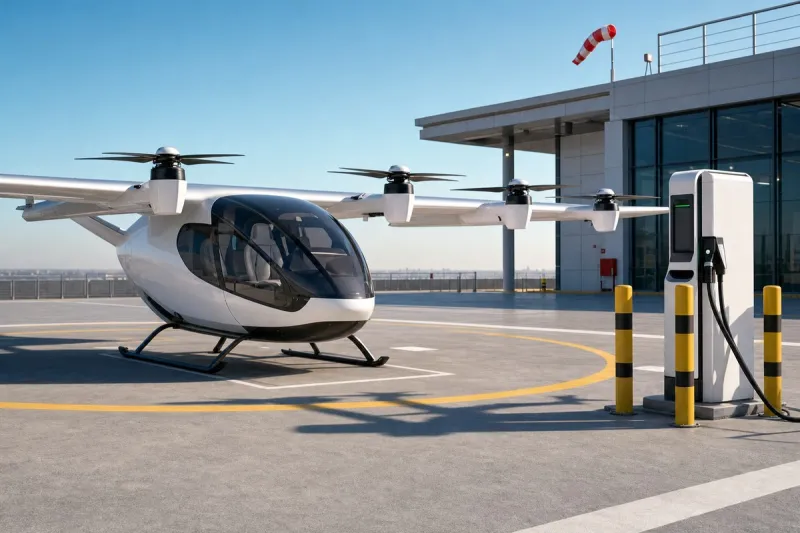
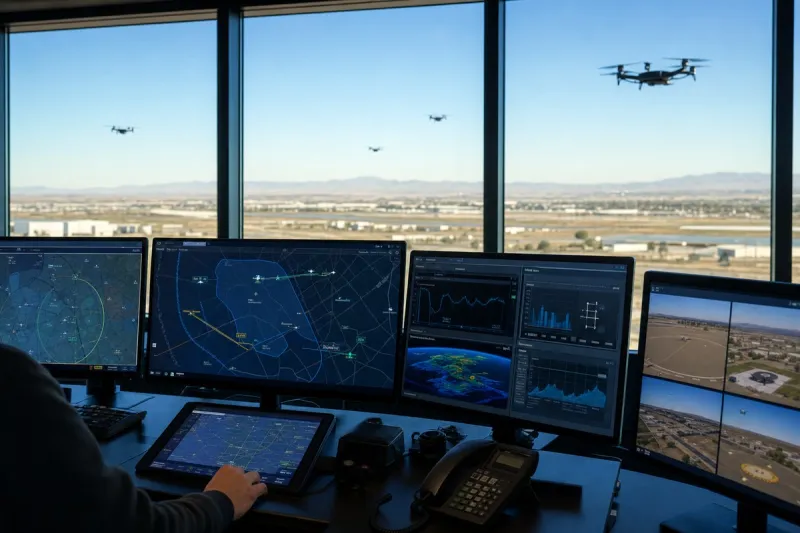
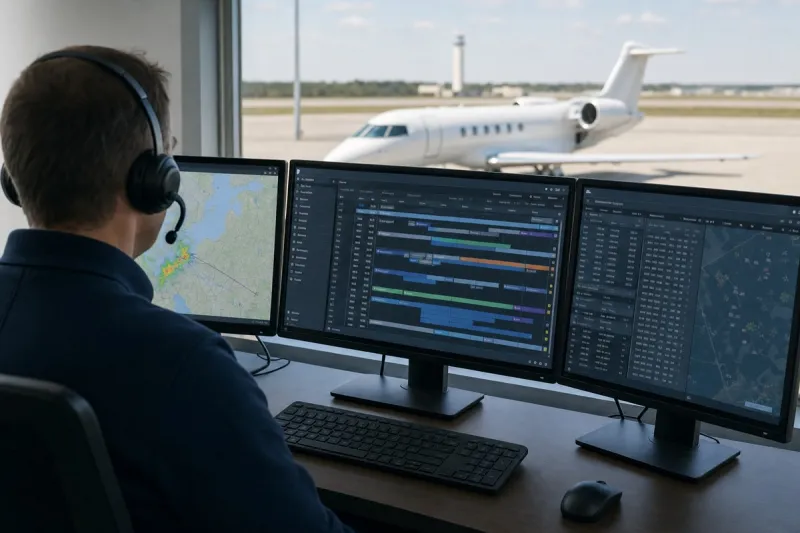
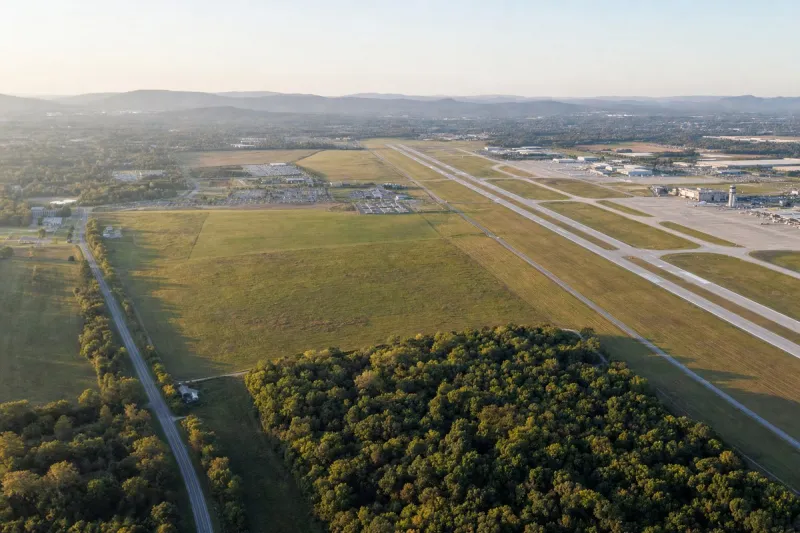
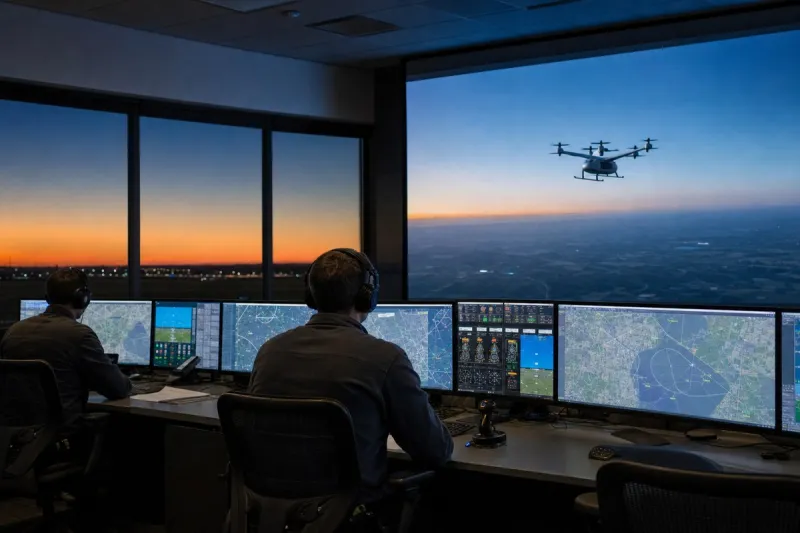
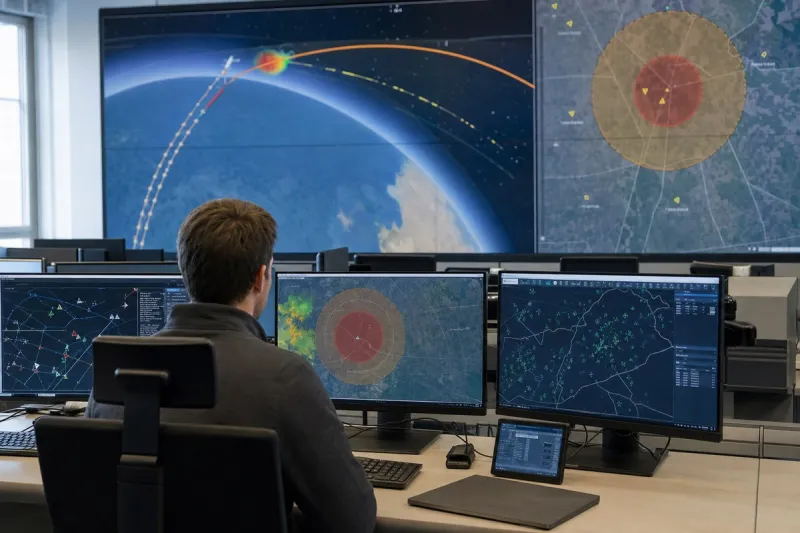
A ground-based Unmanned Traffic Management platform functions as a digital air traffic controller for the low-altitude environment, coordinating flight paths for hundreds of vehicles at once using encrypted communication and blockchain-like ledger technology for immutable flight records. The operational model separates premium passenger capsules for inter-district travel from mid-tier cargo pods carrying medical supplies, meals and small parcels, supported by automated vertiports with charging docks, passenger lounges and maintenance bays sited atop transit centres and commercial buildings.
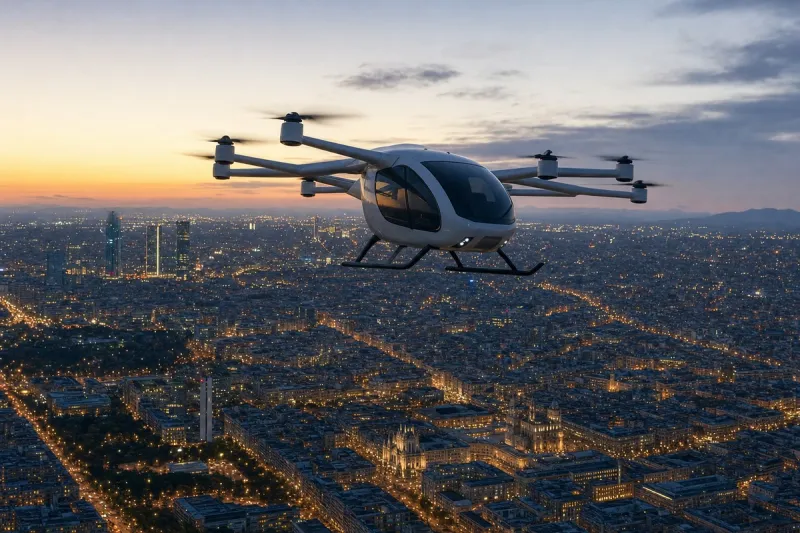
A pilot project in an unspecified major Asian city found that a network of five vertiports reduced average cross-city commute times by up to 65% compared with ground traffic during peak hours. Regulatory approval is described as the most immediate barrier, with the FAA and EASA still developing certification frameworks for eVTOL aircraft and autonomous operations, alongside concerns over noise pollution, public acceptance and data privacy from the volume of data a dense urban flight network would generate. Proponents say the system could create new industries in manufacturing, maintenance, traffic management and urban design, and connect suburban and rural areas to urban centres in ways existing public transit cannot.