Advanced Air Mobility Moves From Concept to Reality, But Certification, Infrastructure and Integration Challenges Remain
Why It MattersAAM's shift toward operational status signals growing pressure on regulators and airspace managers to adapt certification frameworks and traffic systems for crewed and uncrewed aircraft coexistence.
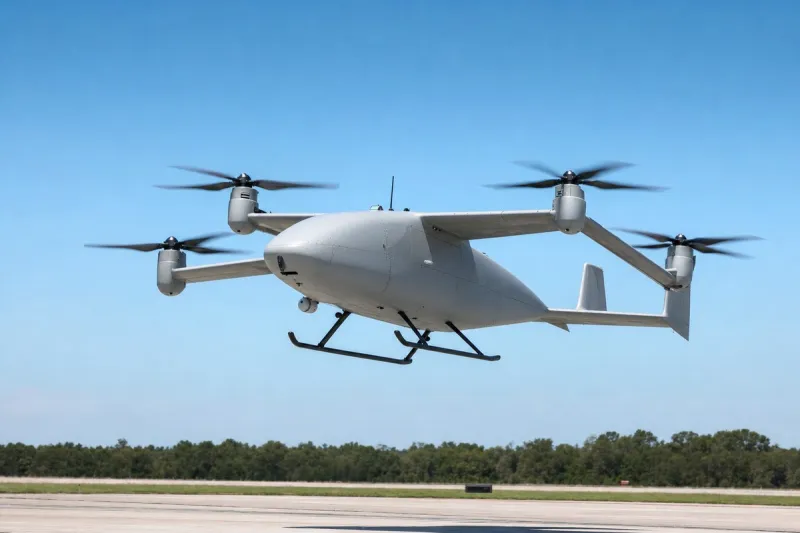
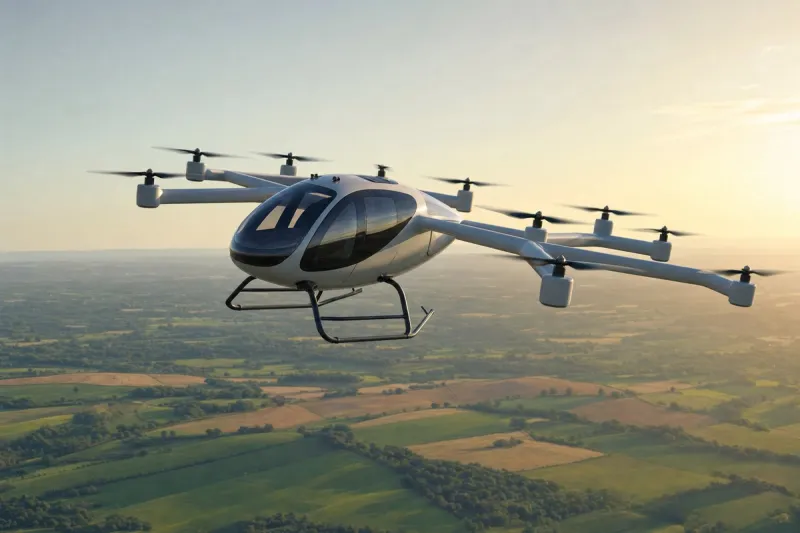
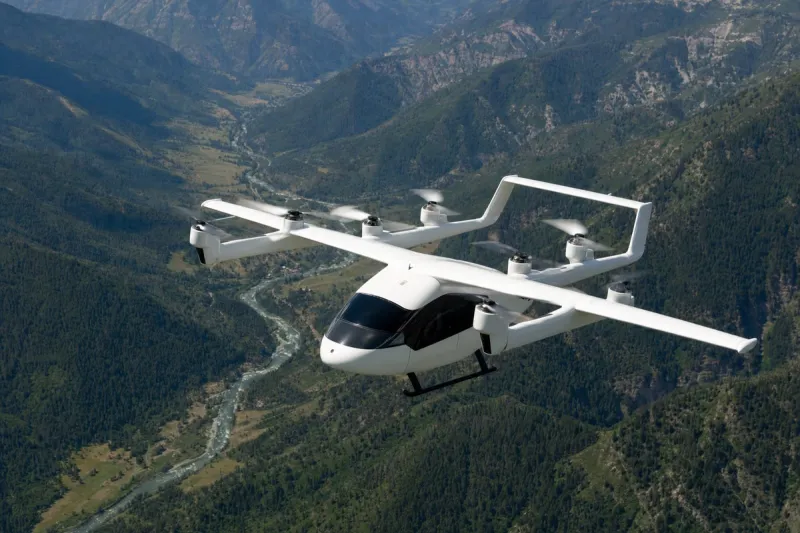
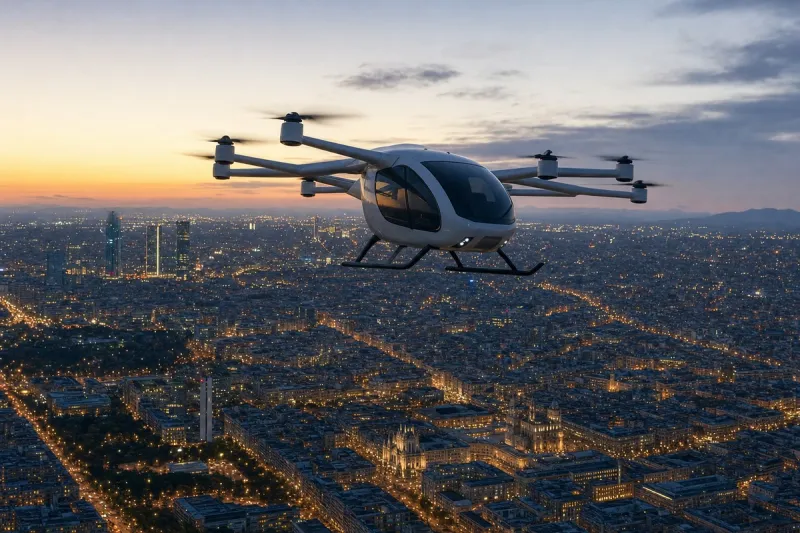
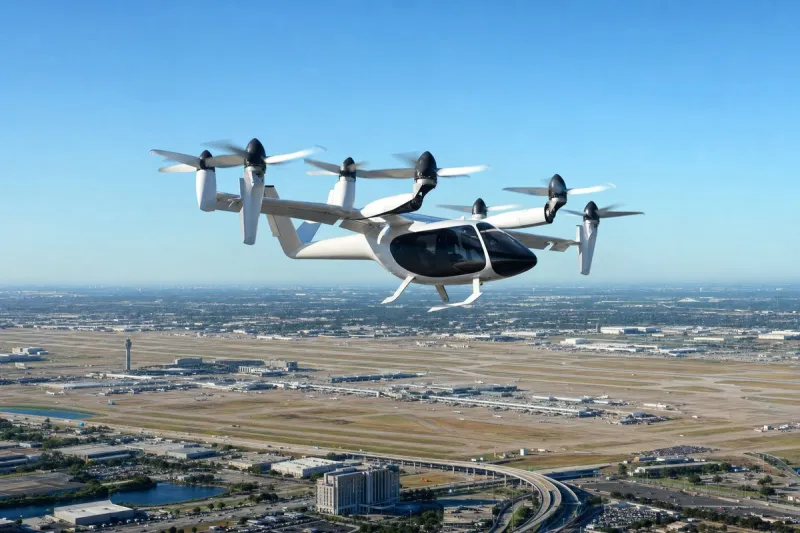
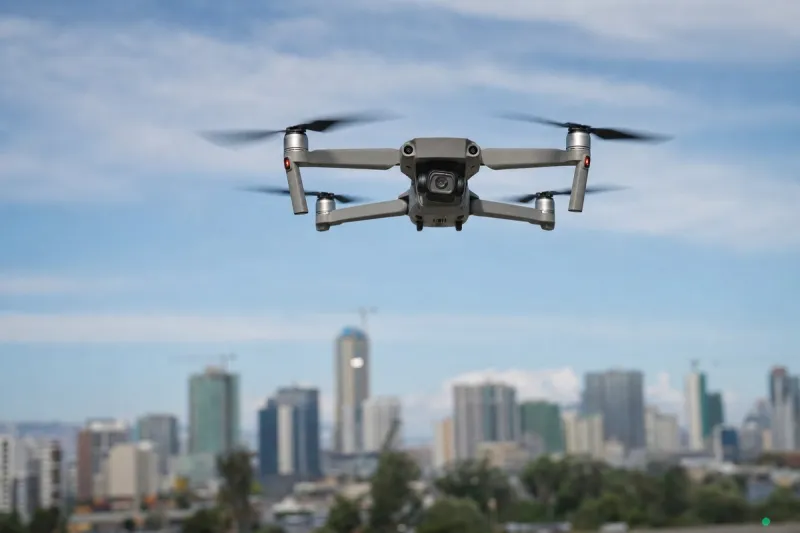
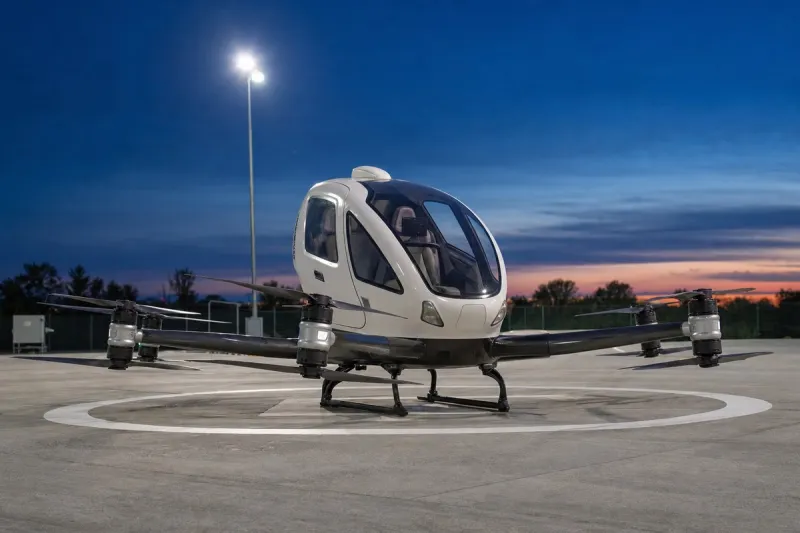
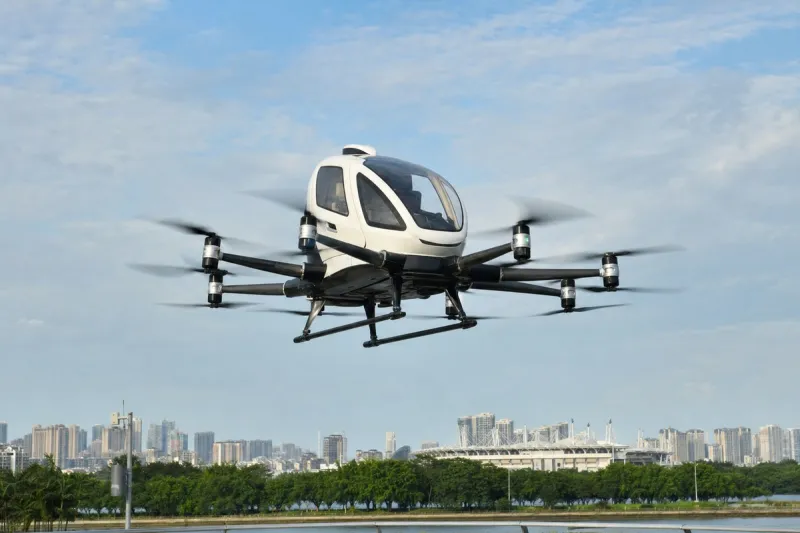
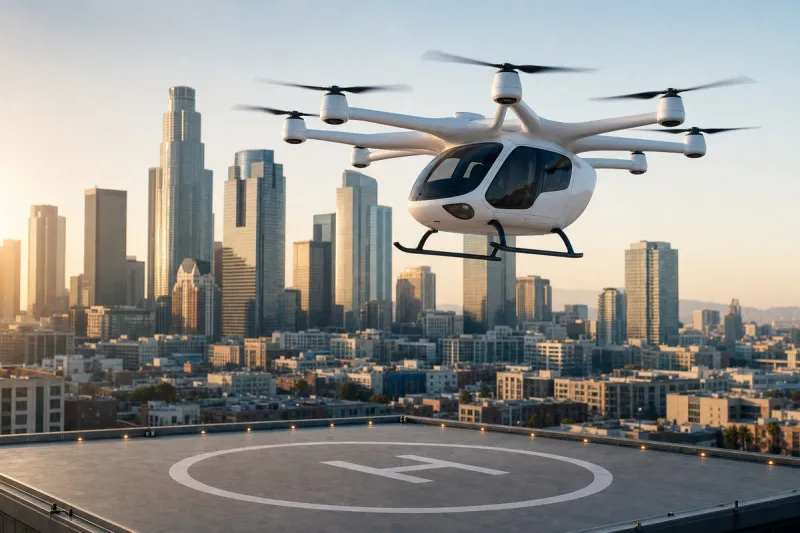
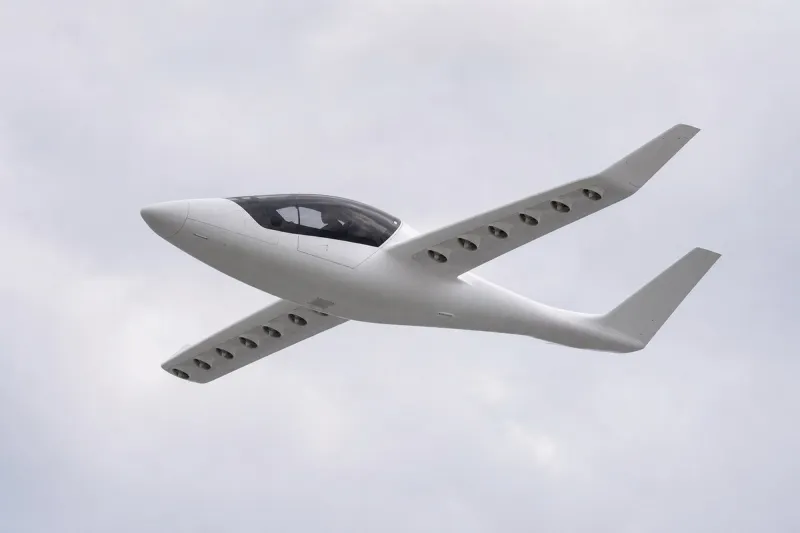
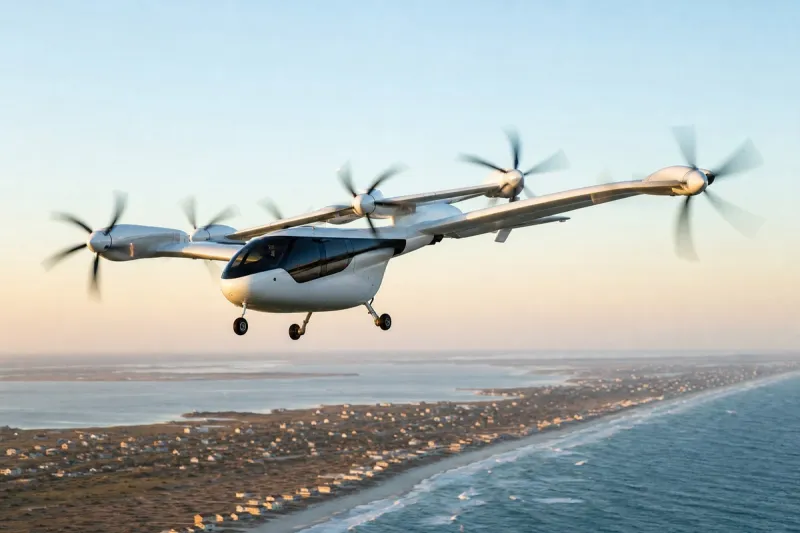
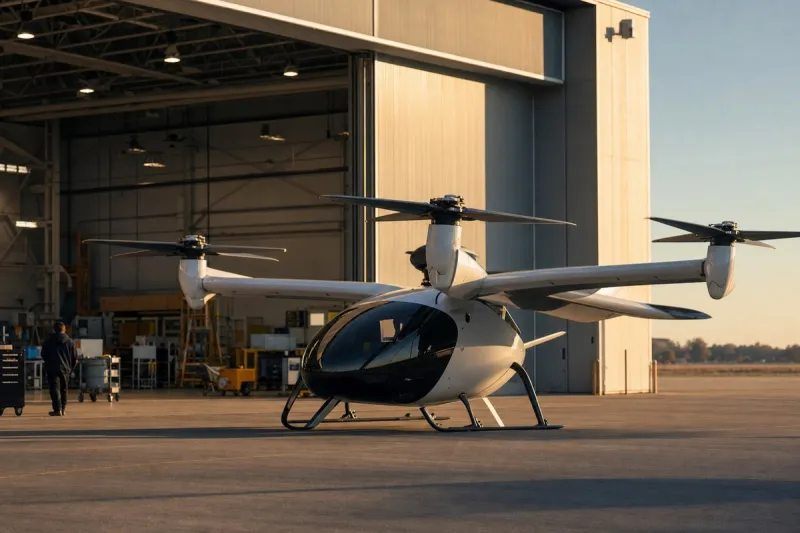
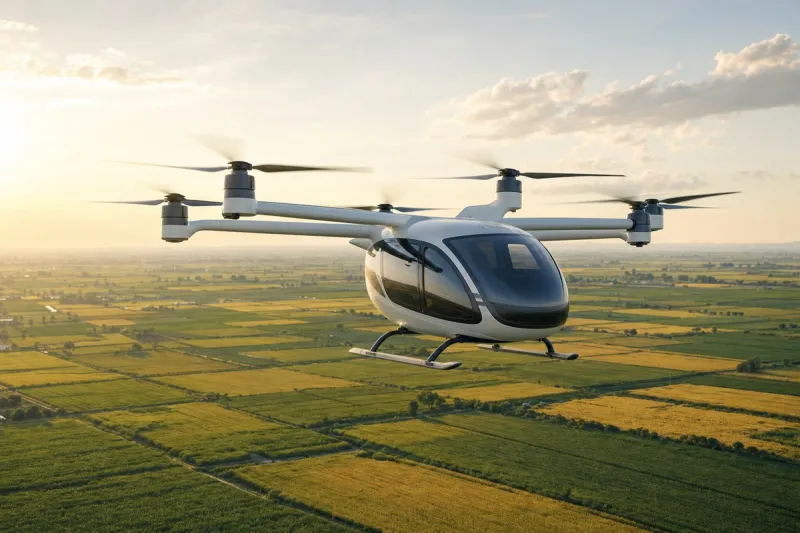
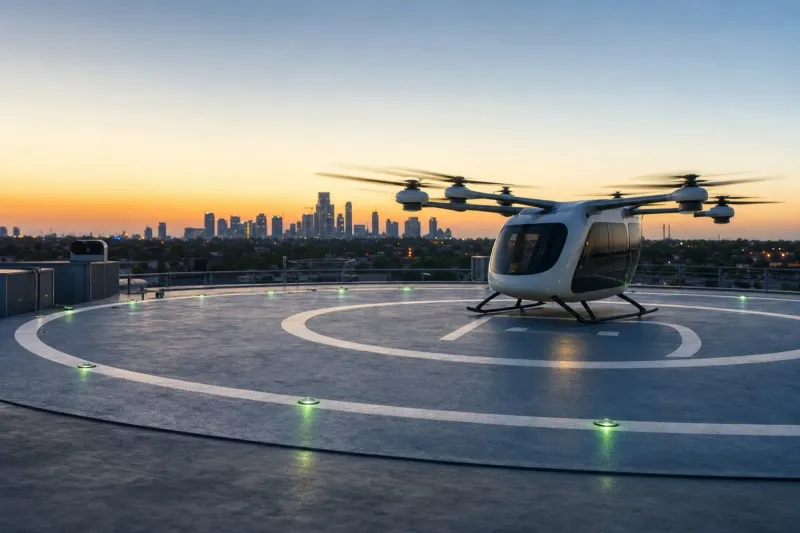
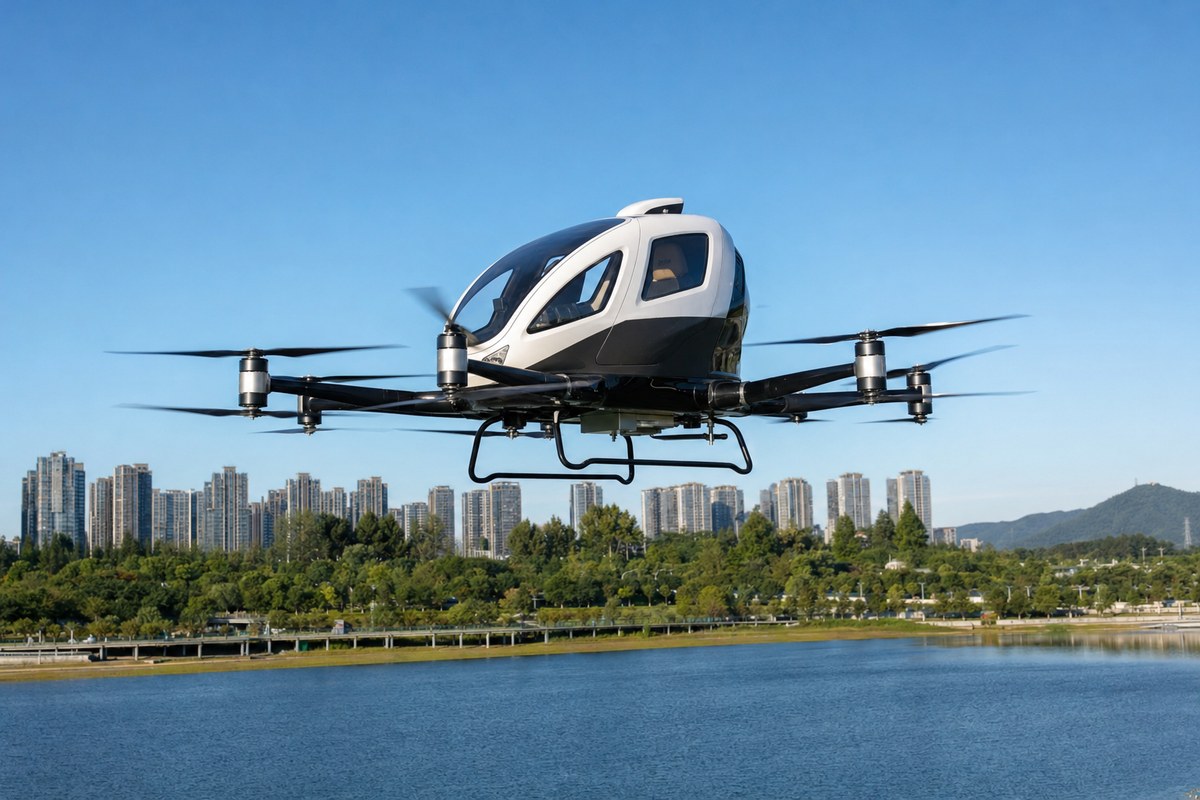
Advanced air mobility (AAM), covering drones and electric vertical take-off and landing (eVTOL) vehicles, has moved beyond the concept stage into certified, operational reality, though hurdles remain across regulation, infrastructure, public acceptance and airspace integration. Chinese company EHANG has completed approximately 100,000 flights across 23 countries, and in China its pilotless aircraft is fully approved to operate in designated areas and along specified routes.
Certification remains one of the sector's most complex challenges, since existing aviation criteria were developed before remote-pilot operations existed and must now also cover remote pilots, design approval, individual aircraft certification and mass-production authorisation. Regulatory approaches differ by country: Thailand has created a regulatory sandbox to gather data for future legislation, while Sri Lanka accepted certification work completed elsewhere and focused on validating safe operations within its own environment. Current rules largely mirror civil aviation regulations, though that may not always suit AAM's aim of reaching places conventional aviation cannot, with safety remaining the top priority across approaches.
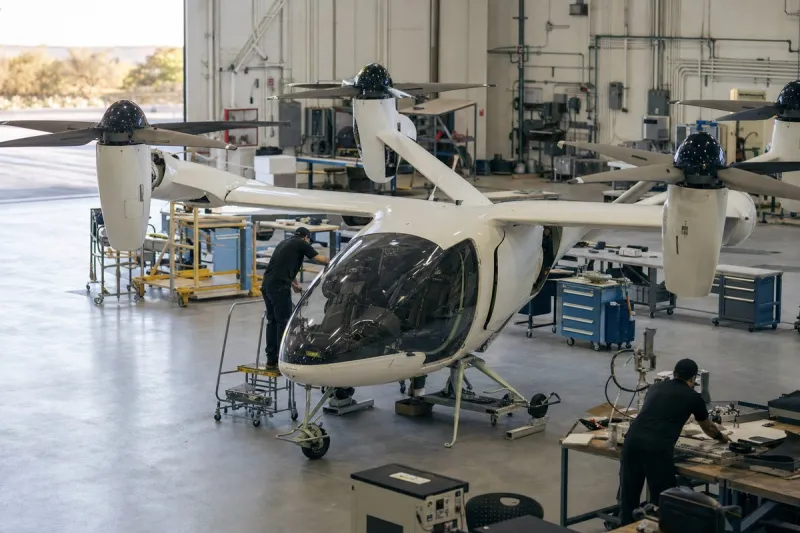
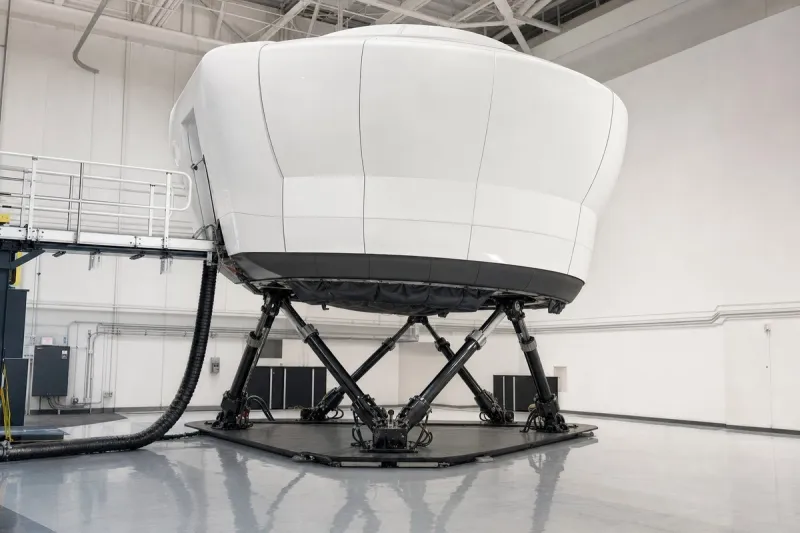
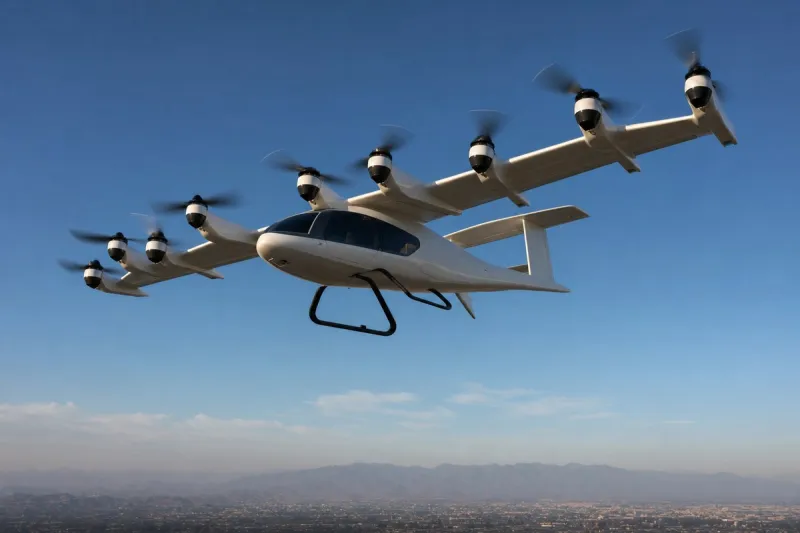
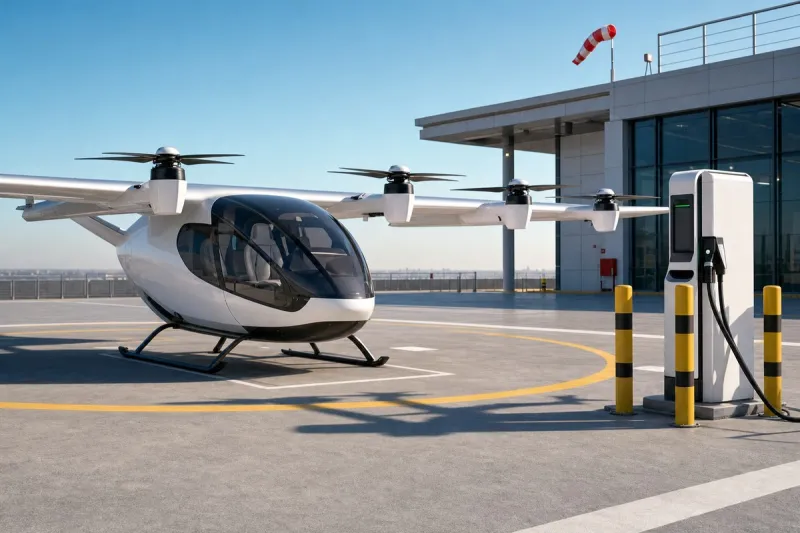
Passenger acceptance of flying without an onboard pilot remains uncertain, though early feedback is reported as positive and trust is expected to grow as small-scale operations begin; AAM is also intended for non-passenger roles such as search and rescue, aid delivery and firefighting. Substantial infrastructure is needed, including power systems, pilot training facilities and vertiports, while the business case remains challenging since eVTOL vehicles carry limited payloads over short distances.
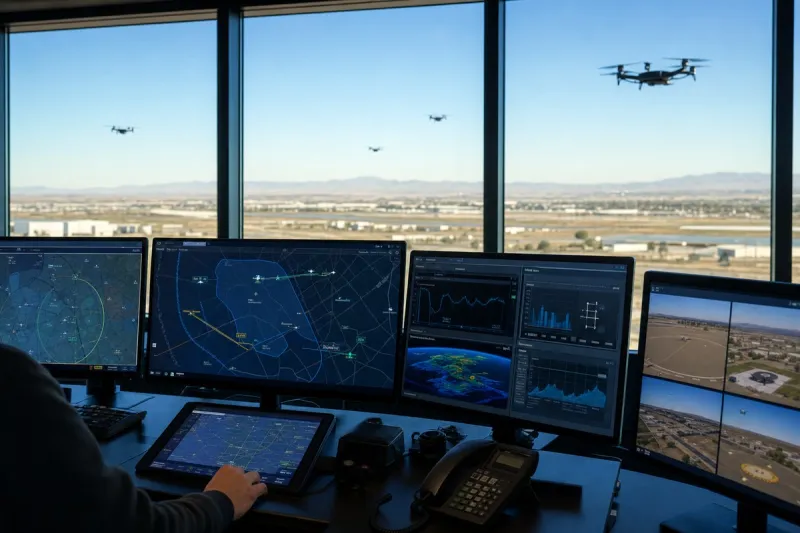
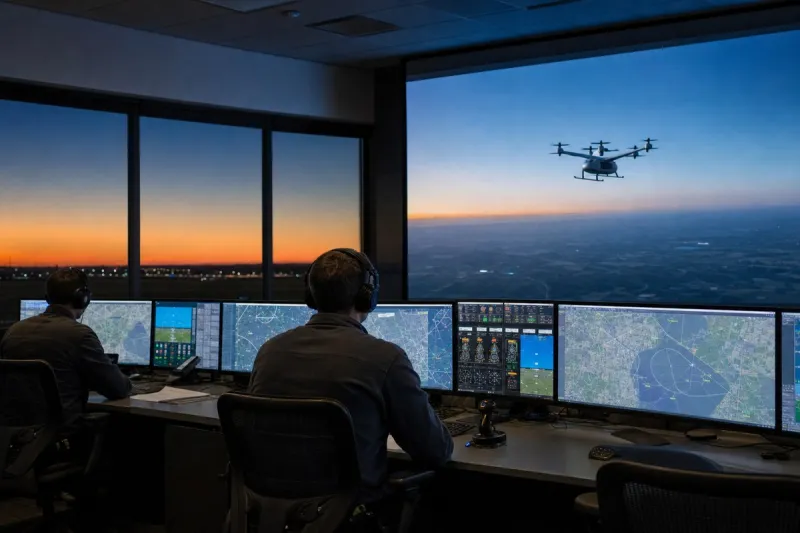
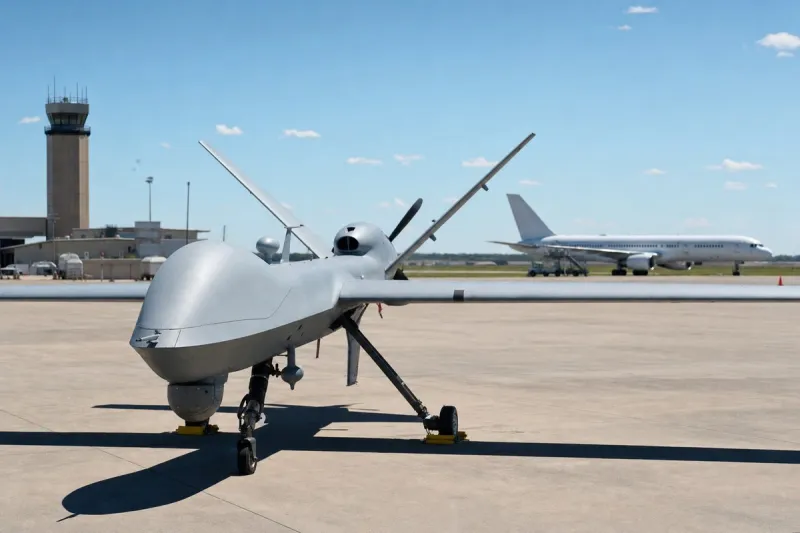
Scaling AAM into existing airspace may be the greatest overall challenge, as thousands of flights around a busy airport would require redesigning low-level controlled airspace, with a single remote pilot potentially controlling tens or hundreds of flights simultaneously. The UK Civil Aviation Authority (CAA) has issued a public consultation on a new information management system it regards as fundamental to the UK's transition to data-driven, interoperable air traffic management, stating that reliable, accurate and timely operational information must be shared consistently as crewed and uncrewed aircraft share the same airspace. Industry participants have noted the sector 'doesn't know what it doesn't know,' and progress is expected to be incremental rather than a single leap forward.