US and European agencies develop air traffic management tools for high-altitude airspace
Why It MattersNew high-altitude traffic-management concepts signal that airspace coordination infrastructure will need to expand well beyond today's commercial-jet altitudes to accommodate emerging HAPS, supersonic and space-launch operators.
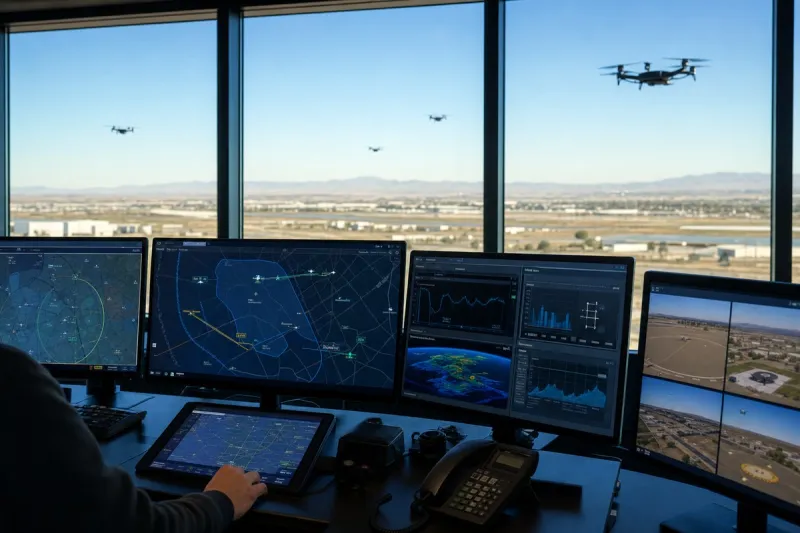
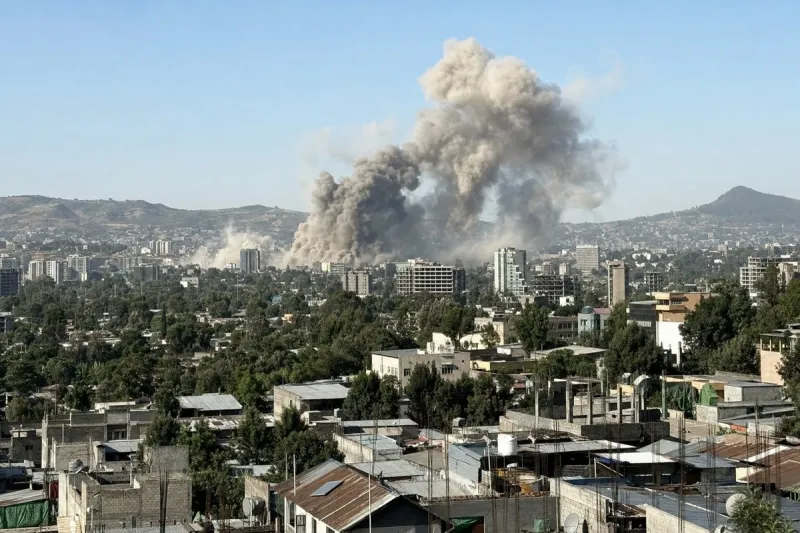
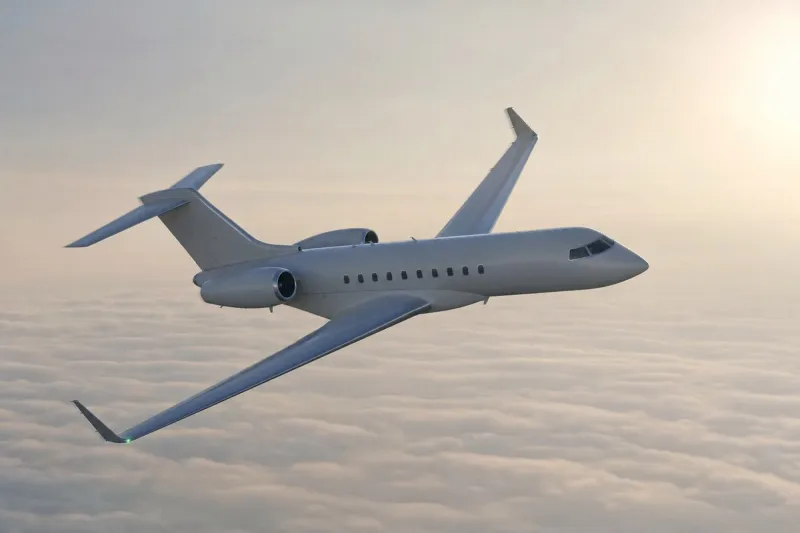
Air traffic management authorities in the United States and Europe are developing new concepts and software tools to coordinate flights at high altitudes, driven by projected sharp increases in traffic from high-altitude platform stations (HAPS), supersonic and hypersonic aircraft, and space launches. At the German Aerospace Research Center (DLR), researchers are preparing to submit findings from tests of a digital tool that calculates no-fly zones around rocket debris, developed since 2023 under the 14 million euro ($15.9 million) ECHO2 project. DLR tested the tool in February using simulations including a HyImpulse Technologies rocket launch from SaxaVord Spaceport in Scotland and a Dream Chaser-like spaceplane landing.
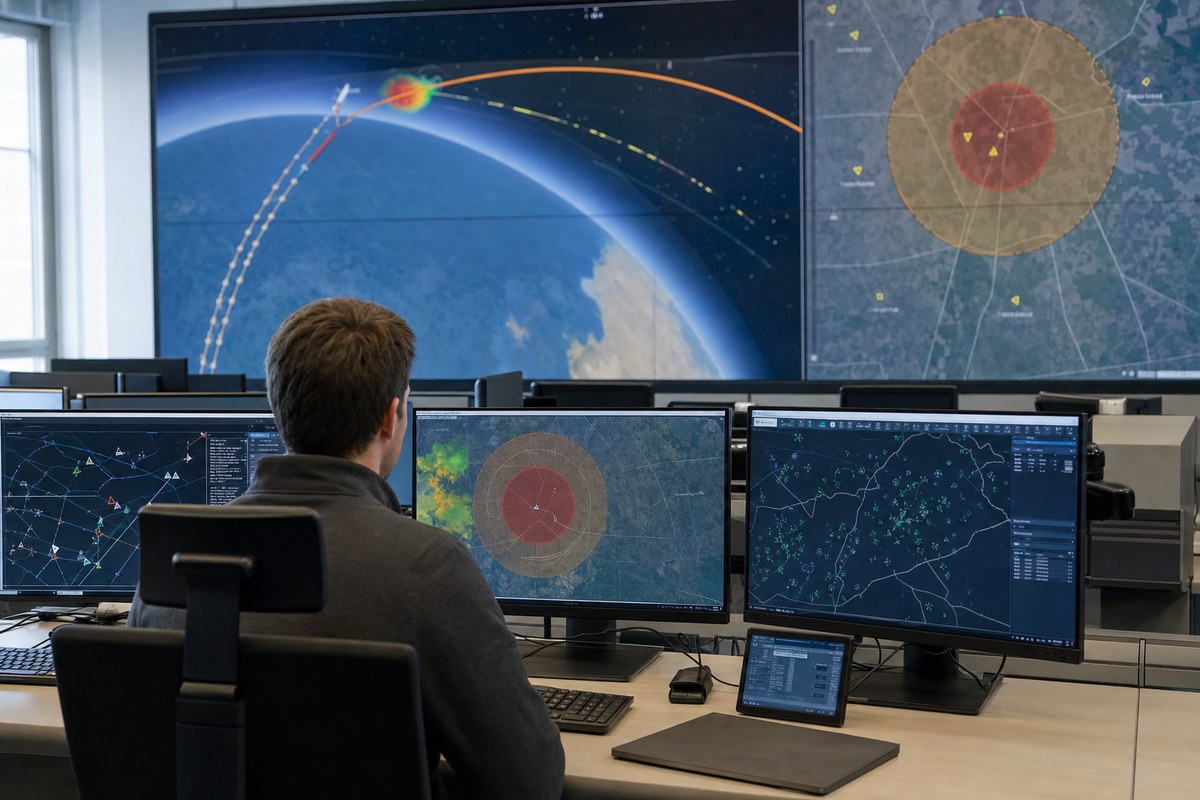
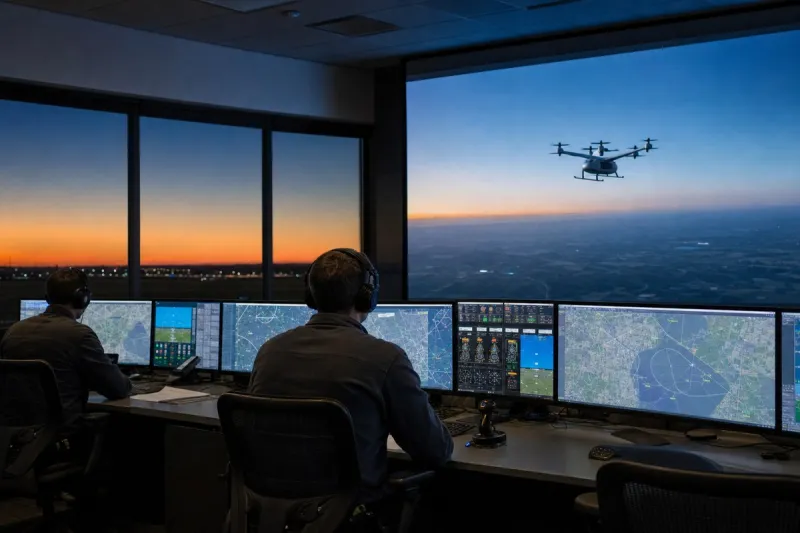
At NASA's Ames Research Center, researchers have built software allowing HAPS operators to self-manage traffic through a shared digital map, communication channels, and real-time location and flight-plan sharing. During a two-day simulation in July 2025, NASA demonstrated the system with multiple HAPS operating close together over Florida, with Aerostar of South Dakota and Sceye of New Mexico feeding data from their own operations, observed by NASA, the FAA, and HAPS companies.
Russ Van Der Werff, president of HAPS Alliance and vice president of strategic solutions at Aerostar, said HAPS operators currently notify air traffic controllers of ascent or descent paths and coordinate by phone, with locations broadcast via ADS-B Out transponders; Aerostar itself launches 100 to 200 high-altitude balloon and airship flights per year at altitudes of 60,000 to 80,000 feet. EUROCONTROL estimates future communication networks will need fleets of 40 to 50 HAPS to cover an area the size of Germany, and a 2025 European Union Aviation Safety Agency report projects 12,000 supersonic flights per year from European cities by 2035, along with 840 HAPS flights, 120 space tourism and stratospheric balloon launches, and 75 rocket or spaceplane launches annually.
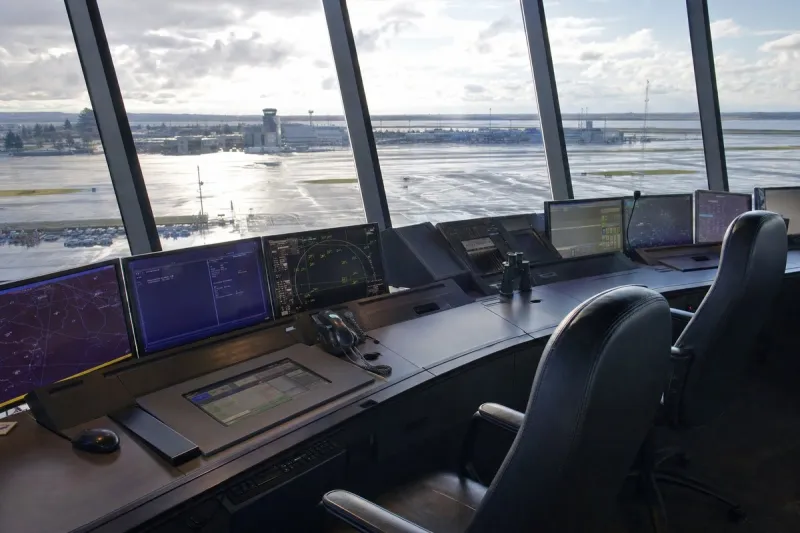
EUROCONTROL is building a dashboard of high-altitude flights for operators and controllers, along with concepts for dynamic protection zones around HAPS extending roughly 2,000 feet above and below and 4 to 8 km around the aircraft. Supersonic aircraft would file flight plans in advance, while hypersonic aircraft could follow prescribed corridors under one option being studied. Next steps for the DLR tool include incorporating hypersonic aircraft, calculating no-fly zones for simultaneous launches, and testing a sounding rocket equipped with a transponder before the ECHO2 project concludes in December.