FAA Outlines Future of General Aviation Propulsion: Diesel, Electric, Hydrogen, and Supersonic
Why It MattersThe overview signals a broadening of general-aviation propulsion options beyond conventional piston engines, with regulatory movement on supersonic flight standards likely shaping future aircraft design.
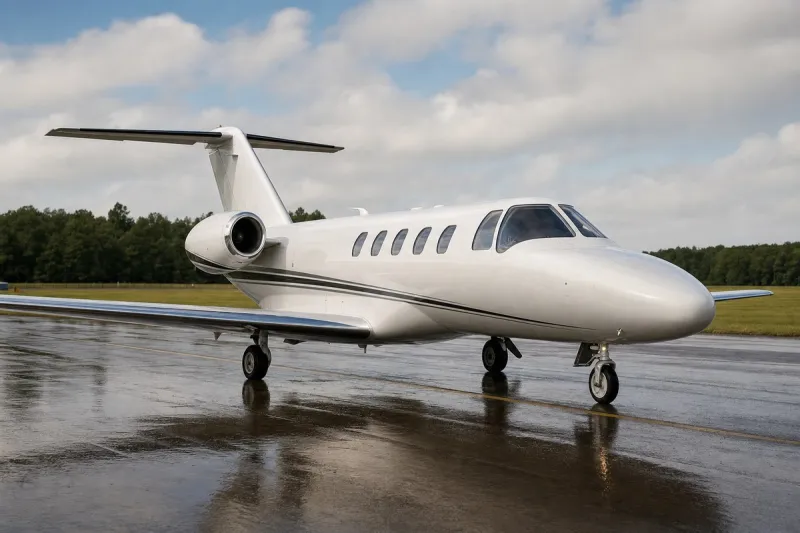
The Federal Aviation Administration has published an overview of emerging propulsion technologies for general aviation, identifying diesel compression ignition, electric motors, hydrogen fuel cells, and supersonic engines as key areas of development.
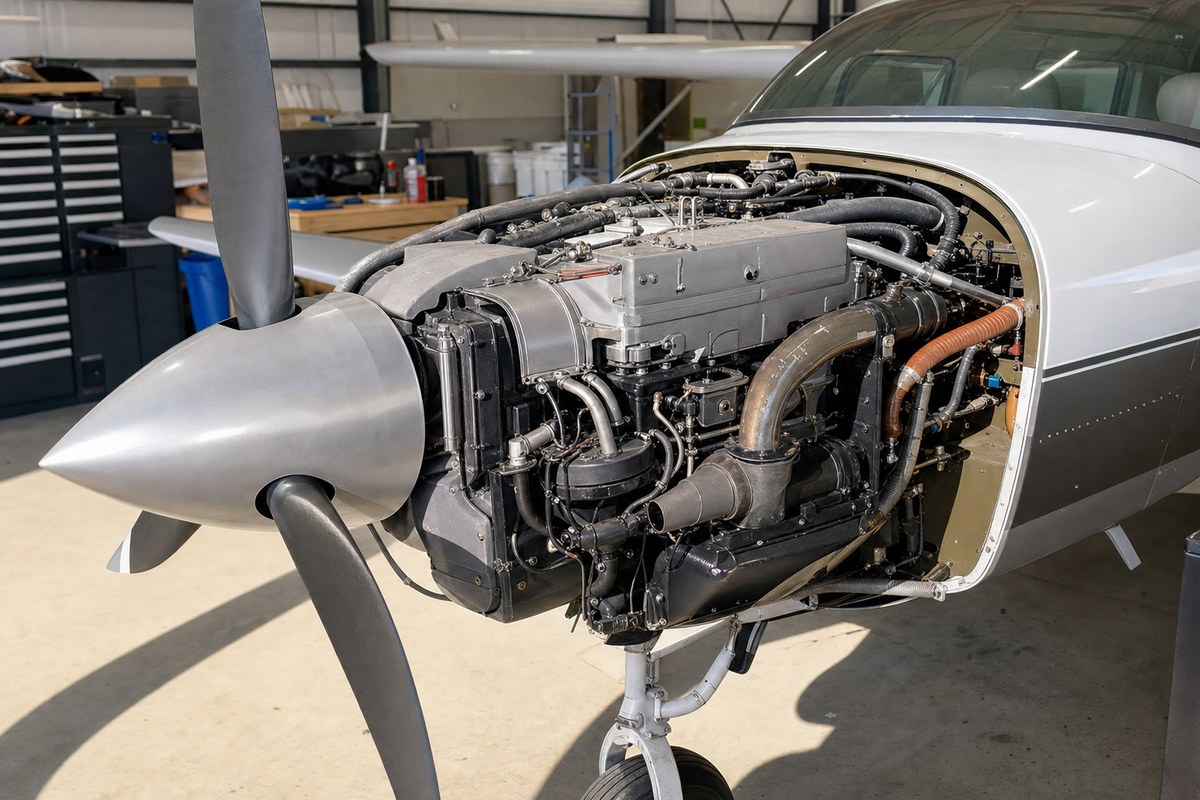
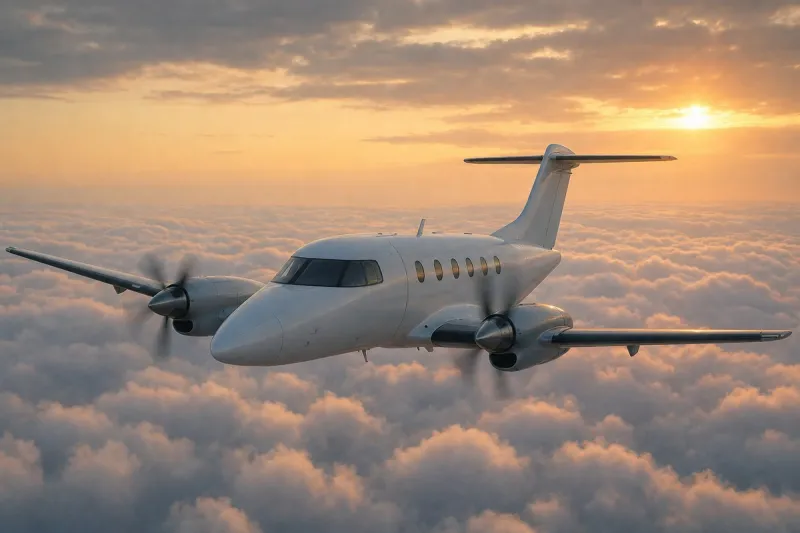
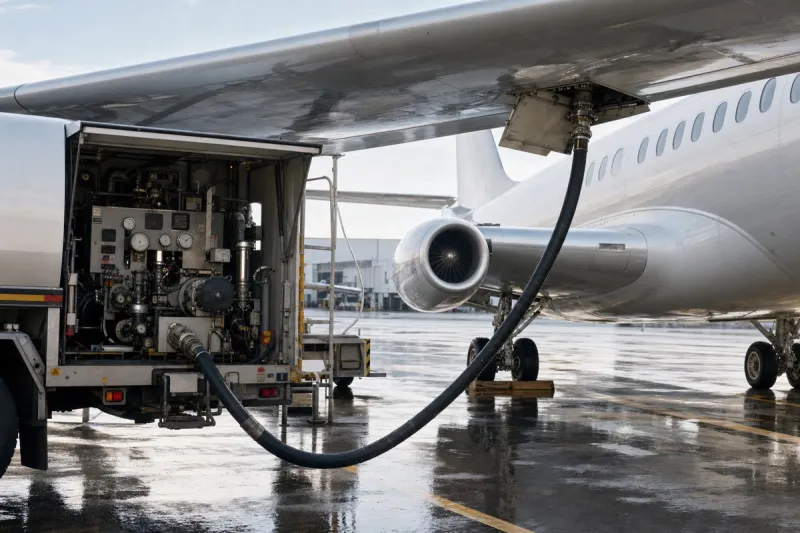
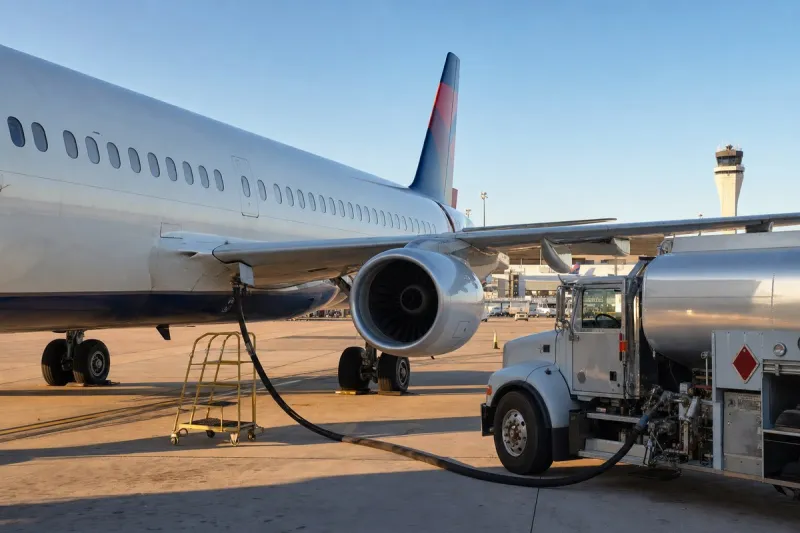
Diesel compression ignition engines, dating to the late 19th century, are being adapted for modern general-aviation use, with certification to run on jet fuel as their chief advantage since it is generally cheaper and more widely available than 100LL avgas; diesel engines are also more thermally efficient than conventional gasoline engines but carry a weight penalty from heavier engine blocks needed for higher cylinder pressures.
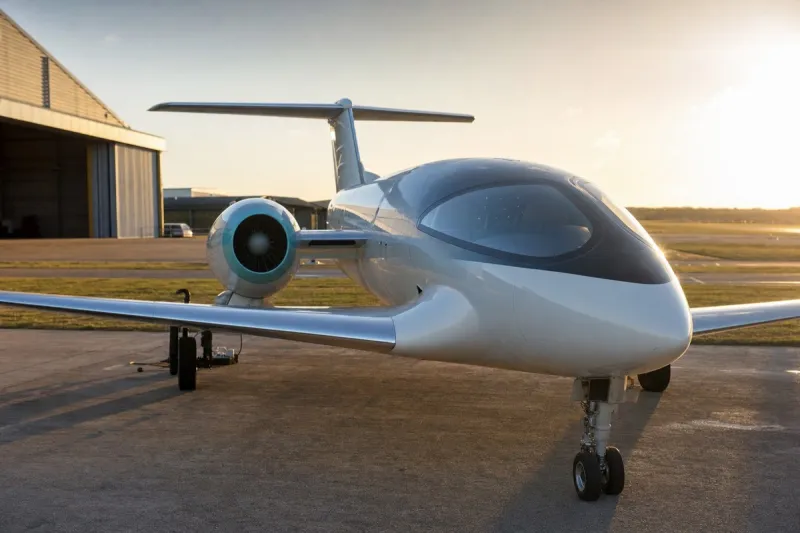
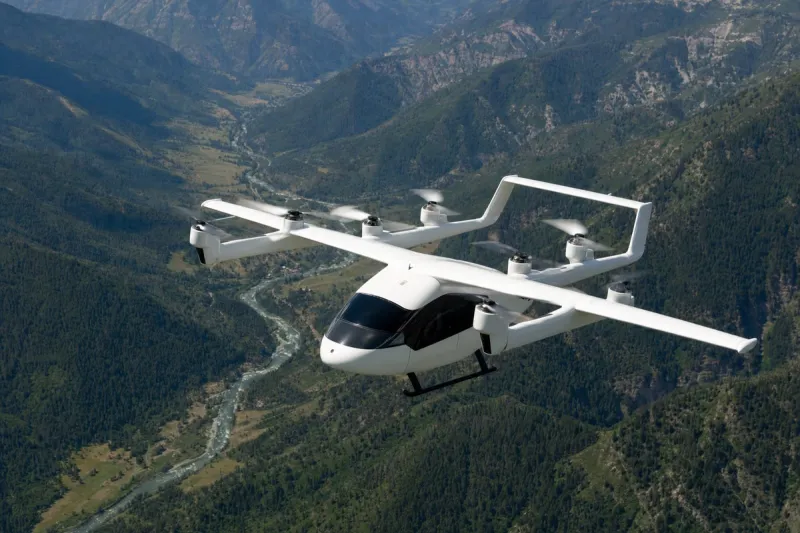
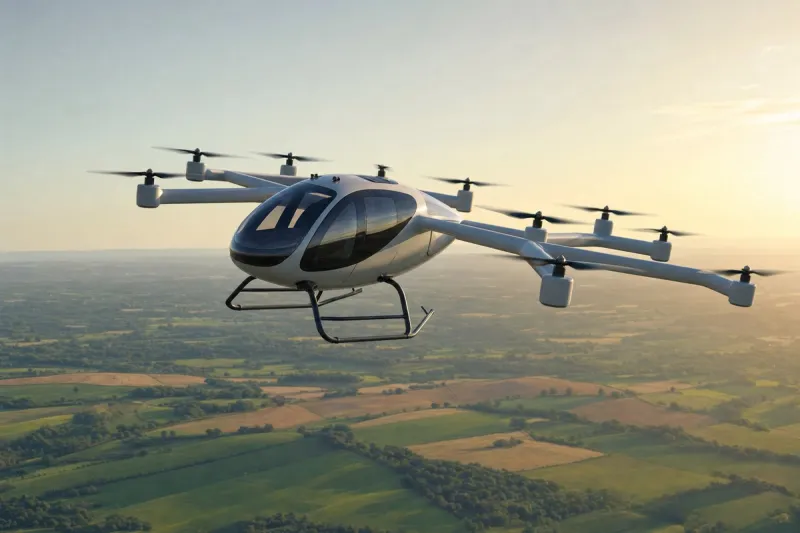
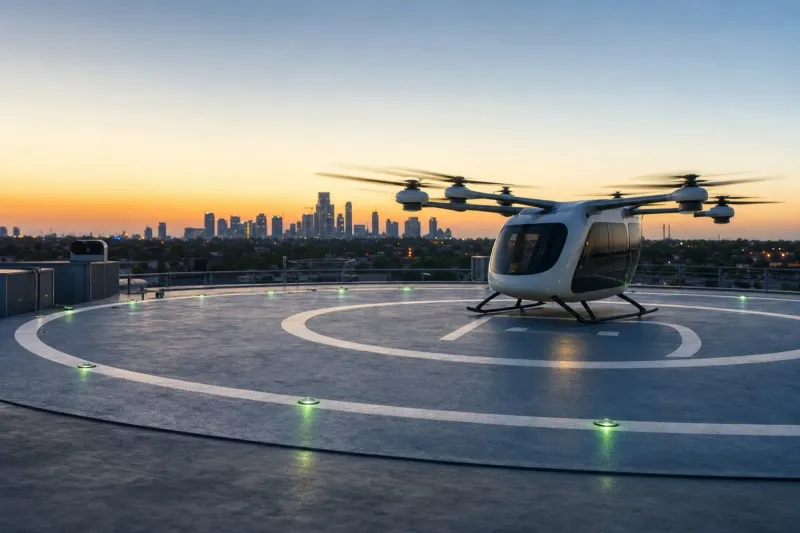
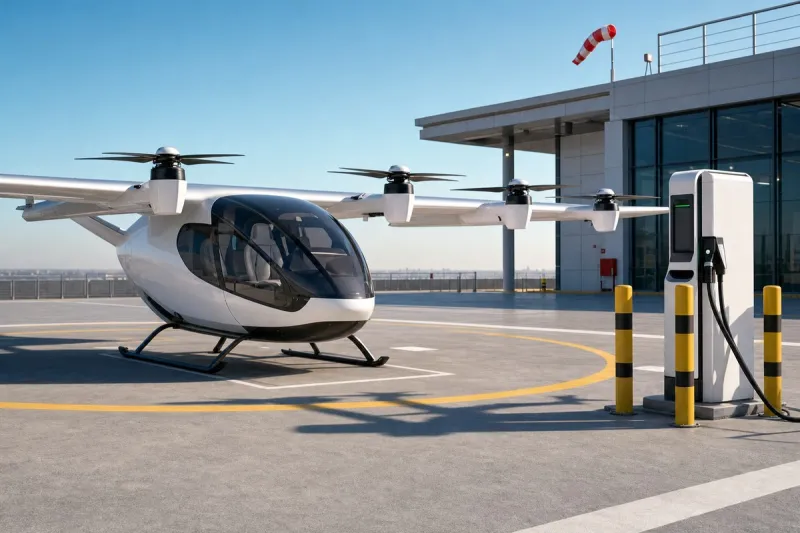
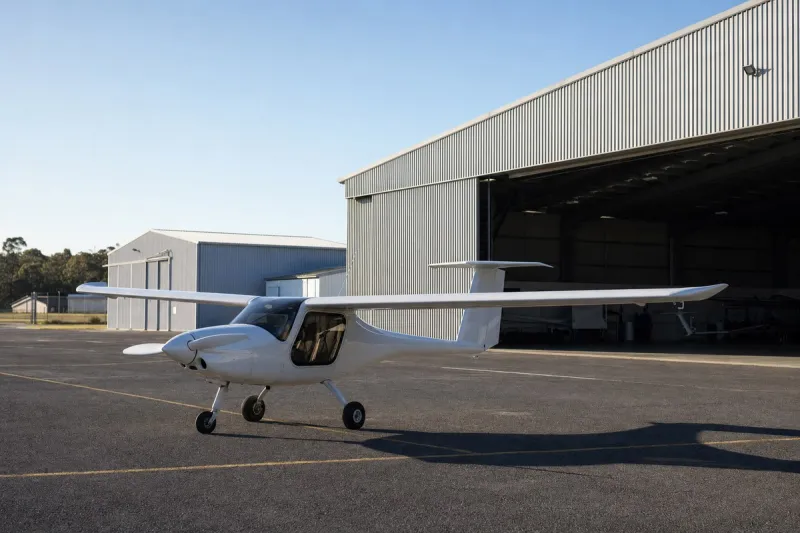
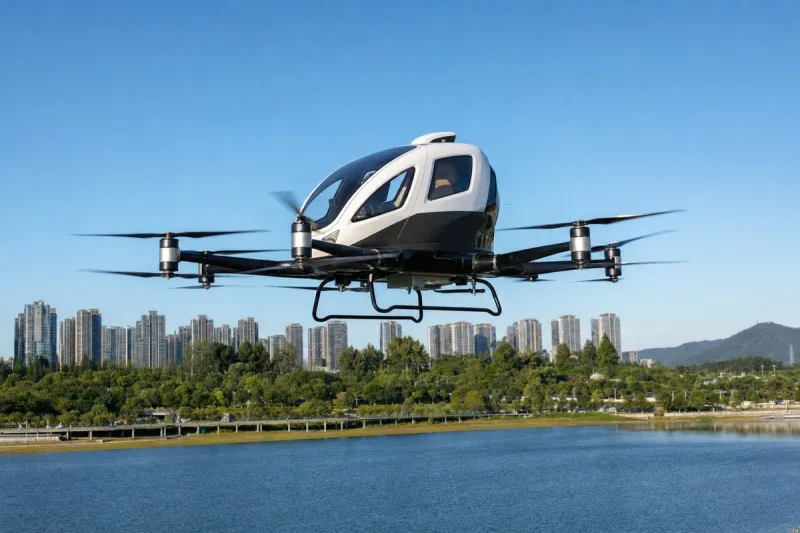
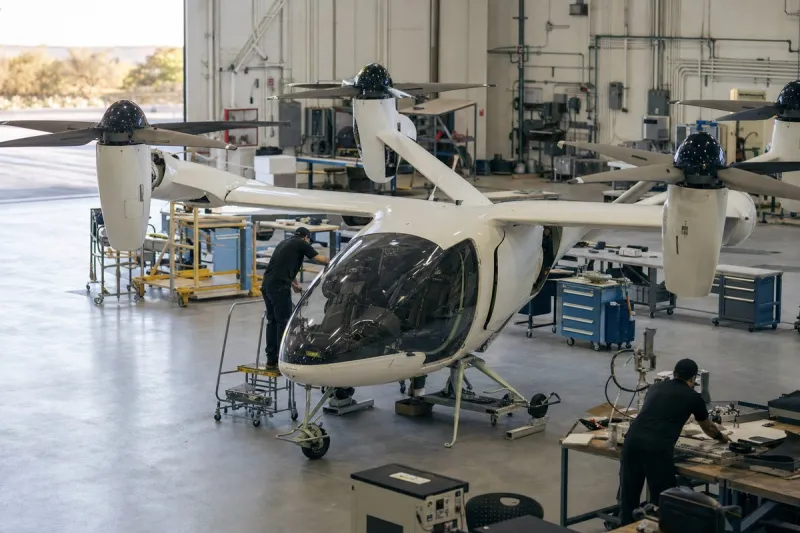
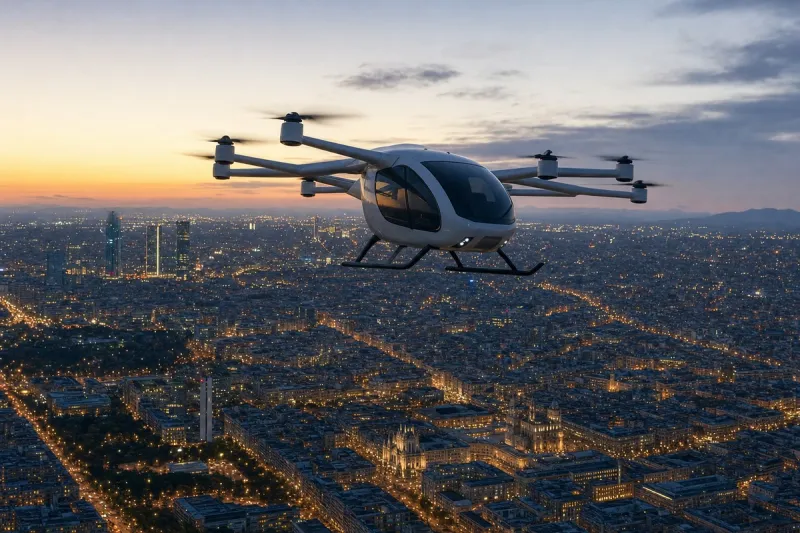
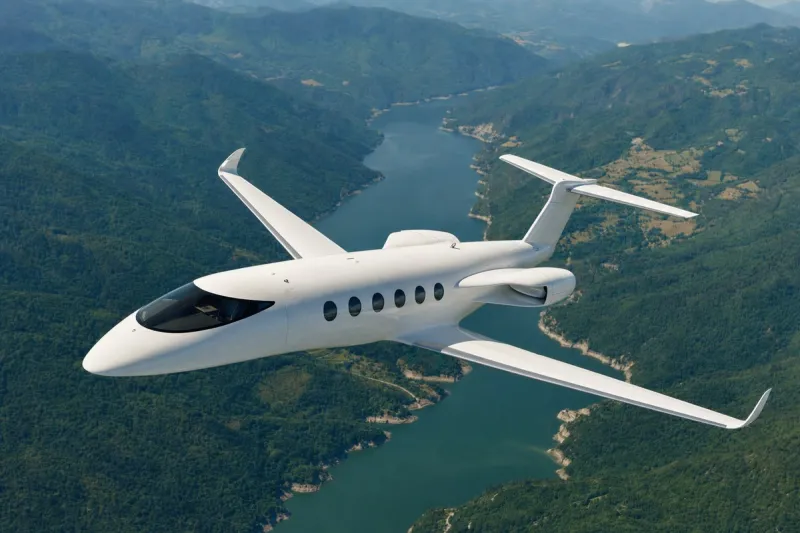
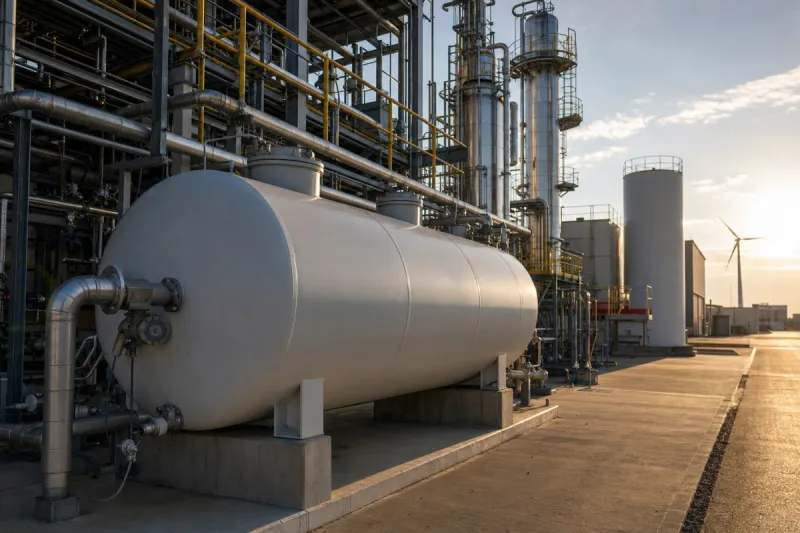
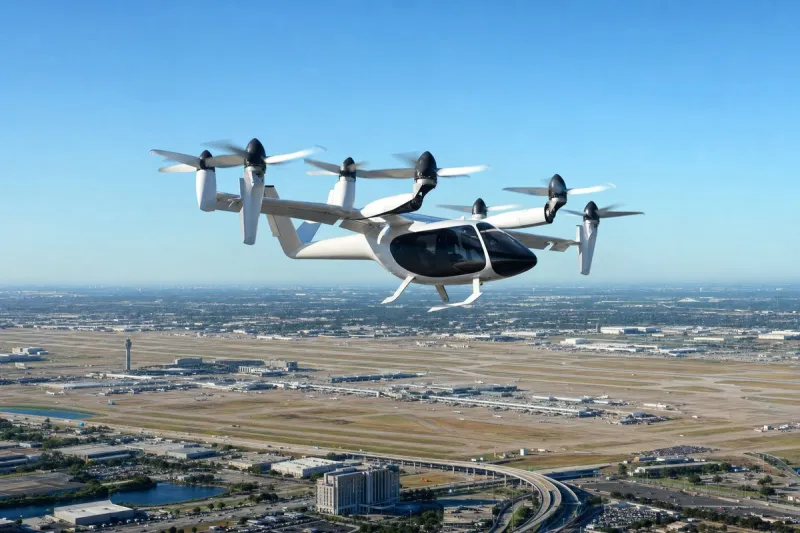
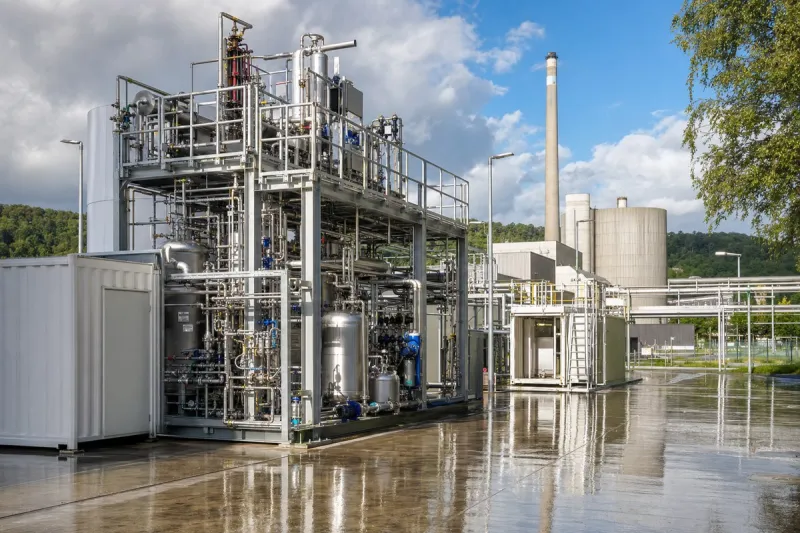
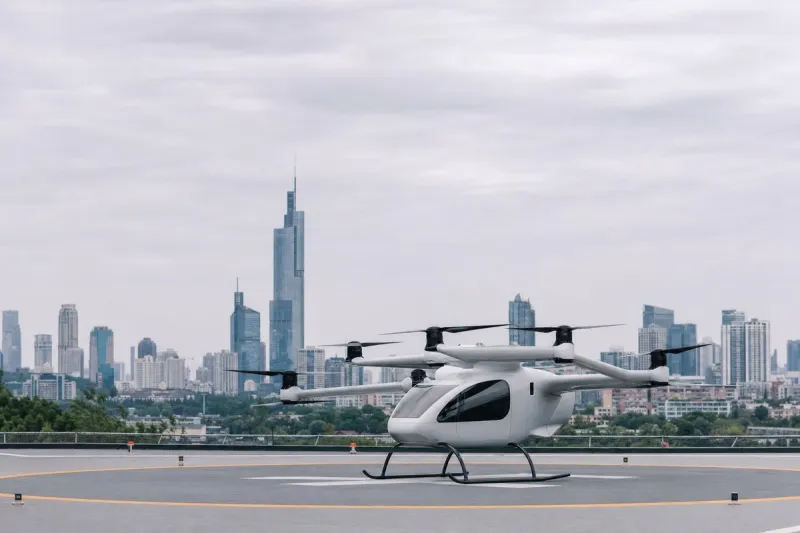
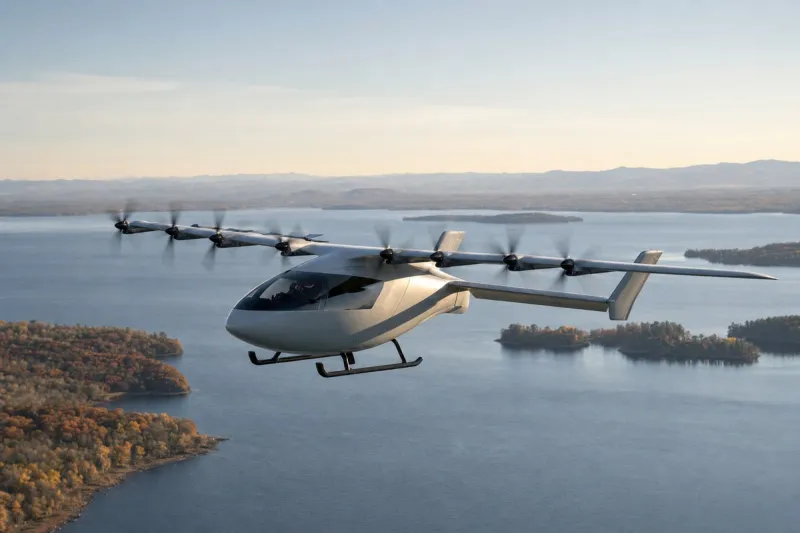
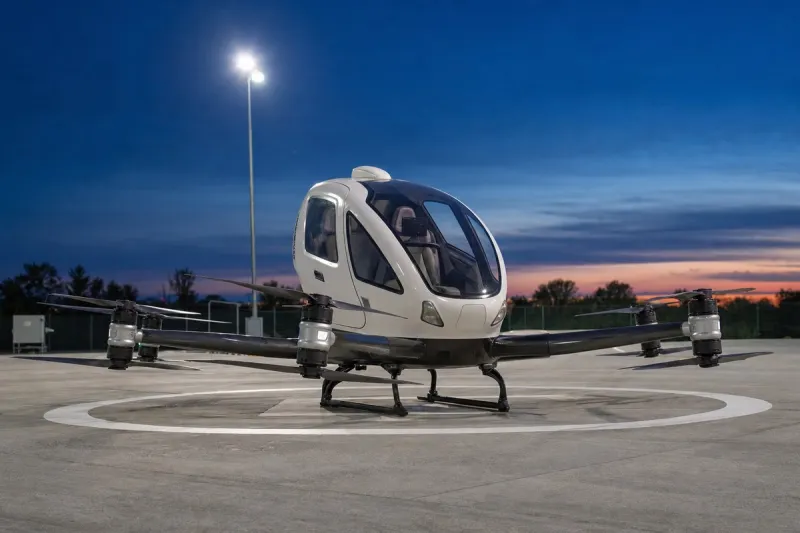
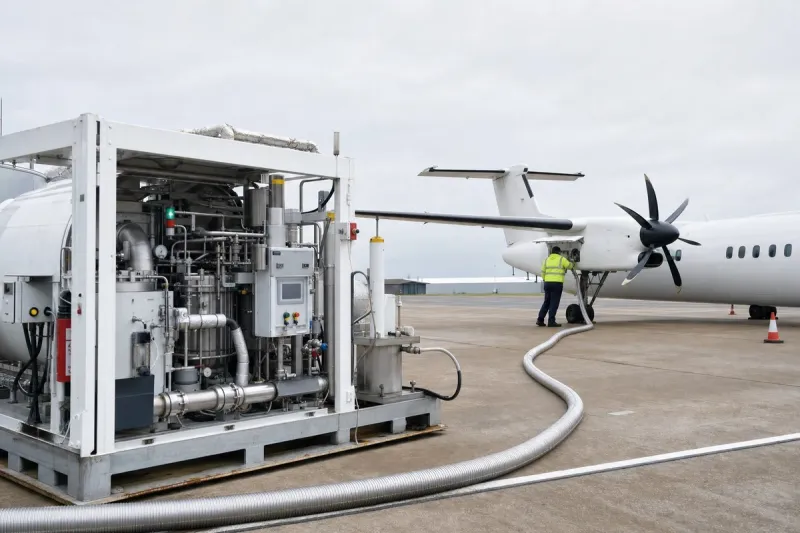
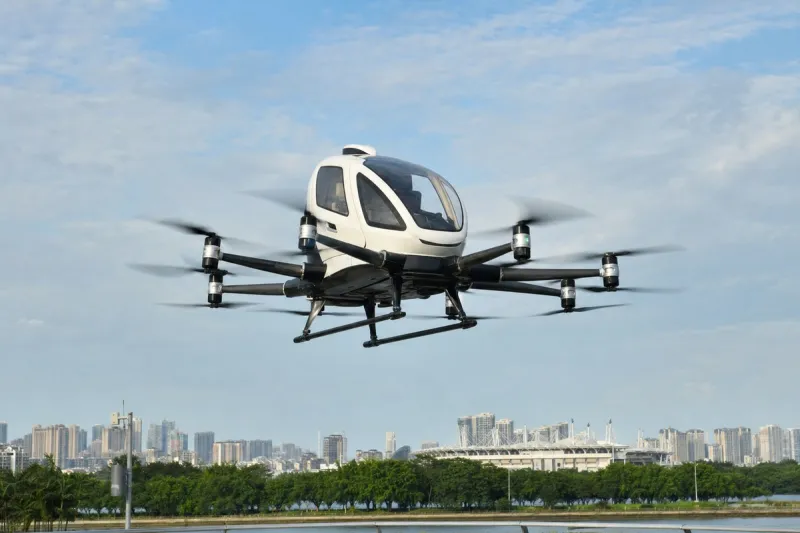
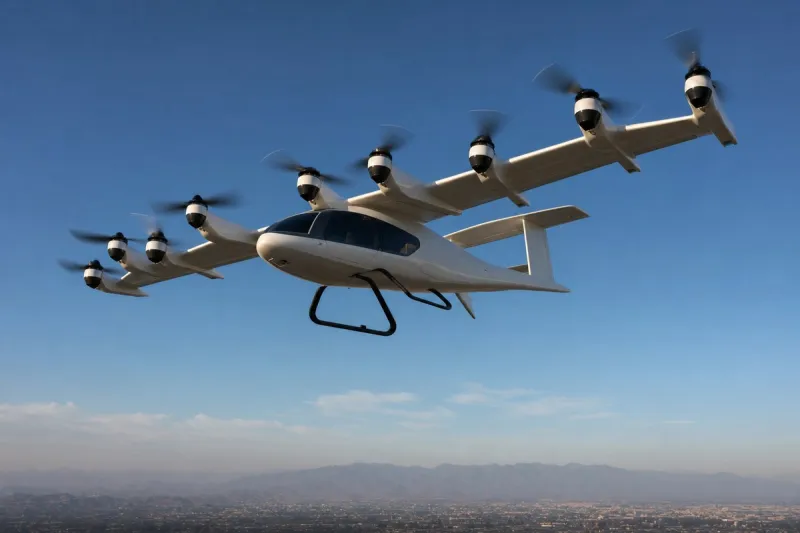
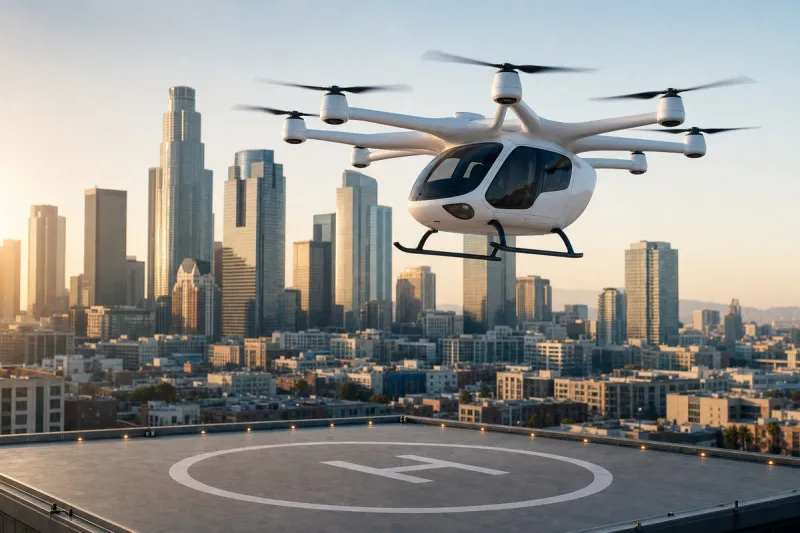
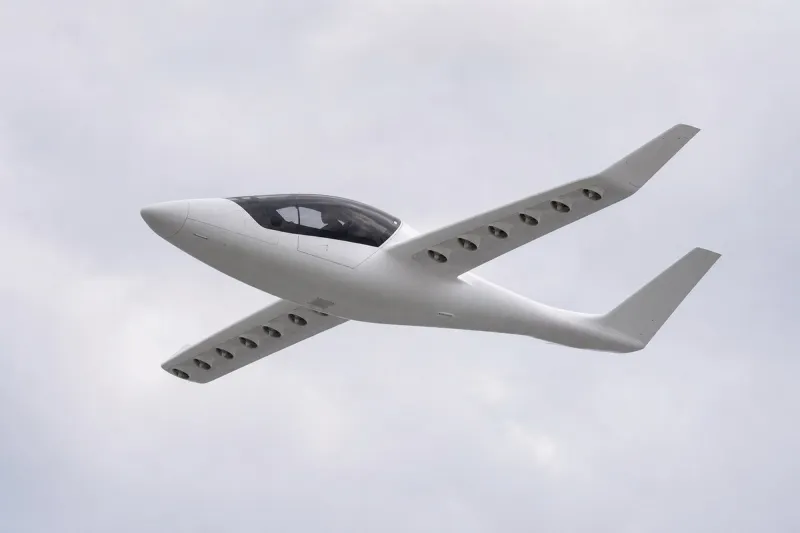
Electric propulsion offers efficiency of 95% or more, compared with roughly 30% for traditional internal combustion engines and up to approximately 50% for diesels, though battery energy density remains the principal limitation, directing the initial electric market toward flight training and short-haul air taxis; one prototype aircraft has projected a fuel-cost reduction of approximately 80% per flight hour depending on local electricity costs. Hydrogen fuel cells, described as the most promising hydrogen-based approach, generate electricity through a chemical reaction between hydrogen and oxygen, powering electric motors with water and heat as the only direct emissions, but liquid hydrogen must be stored at approximately 20° Kelvin in vacuum-sealed dewars, complicating refueling and long-term storage as it slowly boils off even in the best systems.
On the supersonic front, the FAA issued a Notice of Proposed Rulemaking on July 2, 2026, in response to an executive order, that would replace the existing ban on overland civil supersonic flight with a performance-based standard intended to enable quiet, boomless supersonic aircraft; modern engine technology allows more aircraft to supercruise without afterburners, reducing fuel burn compared with earlier designs such as the Concorde, which cruised at around Mach 2 using afterburners.