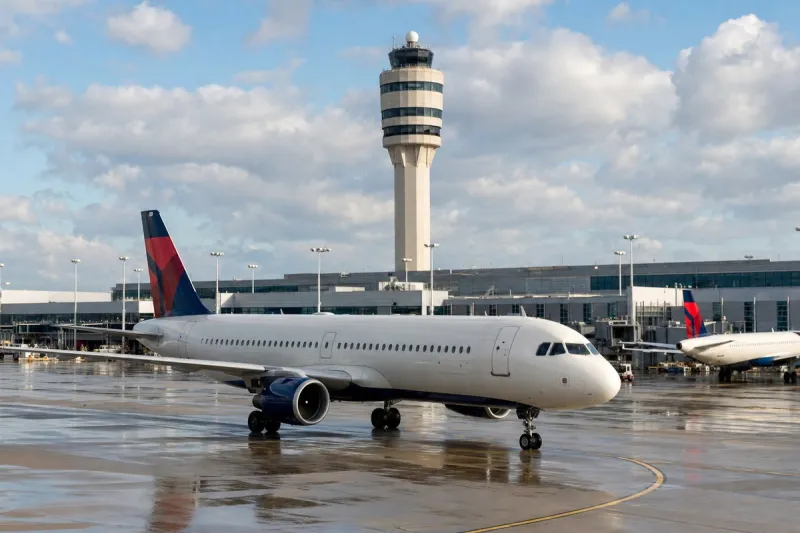
Netherlands to Replace Flat €30.25 Air Departure Tax with Distance Bands from 2027, Proposes Cutting Long-Haul Rate to €59.43
Why It MattersDistance-based taxation could reshape airline route economics out of Schiphol, raising medium- and long-haul costs sharply versus short-haul while easing the proposed long-haul burden.
The Netherlands is replacing its uniform €30.25 air passenger departure tax with a distance-based system from 1 January 2027, following adoption of the Wet differentiatie vliegbelasting by both chambers of parliament in December 2025 and its publication on 23 December 2025. Under the confirmed 2027 structure, short-distance departures will be taxed at €31.04, medium-distance at €49.87, and long-distance at €74.81 after indexation.
The Dutch government's Belastingplan 2027, as of 3 October 2026, proposes lowering only the long-haul band from €74.81 to €59.43, a reduction of €15.38, or approximately 20.6 per cent from the previously scheduled level. That amendment still requires approval by the Tweede Kamer and Eerste Kamer, with parliamentary decisions expected during the remaining 2026 budget process. Compared with the 2026 flat rate, the proposed 2027 rates represent increases of approximately 2.6 per cent for short-haul, 64.9 per cent for medium-haul, and 96.5 per cent for long-haul, with the medium-haul band receiving no reduction under the September 2026 proposal.
The distance category is determined by the passenger's final destination, including journeys with an intermediate connection, measured from Amsterdam. European Union destinations and journeys of roughly up to 2,000 kilometres fall into the short category; destinations approximately 2,000 to 5,500 kilometres fall into the medium category; and longer journeys fall into the long-distance band. The Dutch government identifies Egypt and Türkiye as medium-distance examples and Canada, Mexico, Indonesia and South Africa as long-distance examples, with certain Caribbean territories including Aruba and Curaçao also noted. Transfer passengers connecting through a Dutch airport remain outside the Dutch tax base, alongside flight crew and children under two.
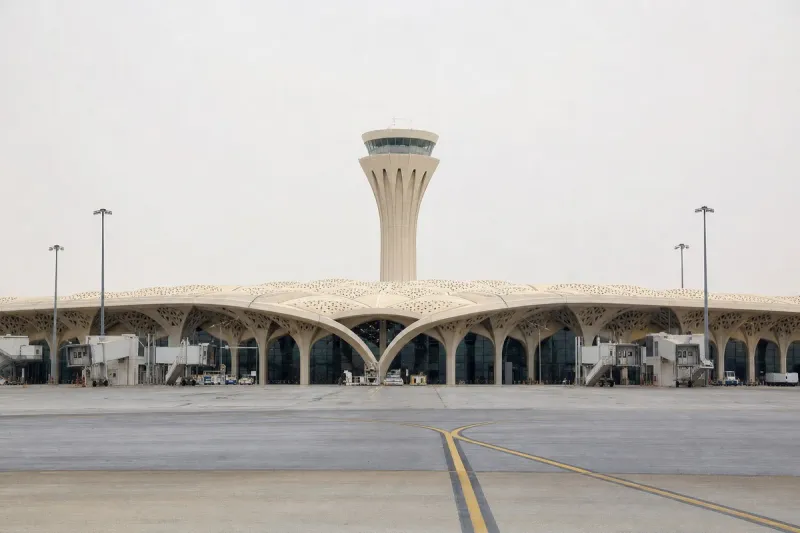
Schiphol's official 2025 traffic figures show 68.8 million travellers used the airport during the year, with 43.6 million travelling directly to or from Schiphol and 25.2 million connecting. Schiphol served 301 destinations, including 125 intercontinental points, and a further 32.7 million passengers travelled to, from or through Schiphol in the first half of 2026.
Separately, the Dutch Ministry of Infrastructure and Water Management has reserved €45 million for a Sustainable Aviation Fuel incentive fund being developed with Schiphol, which is expected to contribute a matching €45 million, bringing intended combined funding to €90 million for 2027–2029, conditional on European Commission approval. The fund would support airline SAF use above the current 2 per cent minimum blending share under ReFuelEU Aviation, which rises to 6 per cent in 2030. Separately, €300 million from the Climate and Energy Fund is being directed at production and scaling of sustainable aviation fuels, including e-SAF and advanced bio-SAF produced through Alcohol-to-Jet technology, with first subsidy decisions expected in 2027.