Oklahoma Aerospace and Defense Industry Hits Record $52.5 Billion Annual Economic Impact, Supporting 250,000-Plus Jobs
Why It MattersThe findings underscore aerospace and defense as a major pillar of Oklahoma's economy, spanning airport operations, manufacturing, logistics, military activity, and emerging commercial space infrastructure.
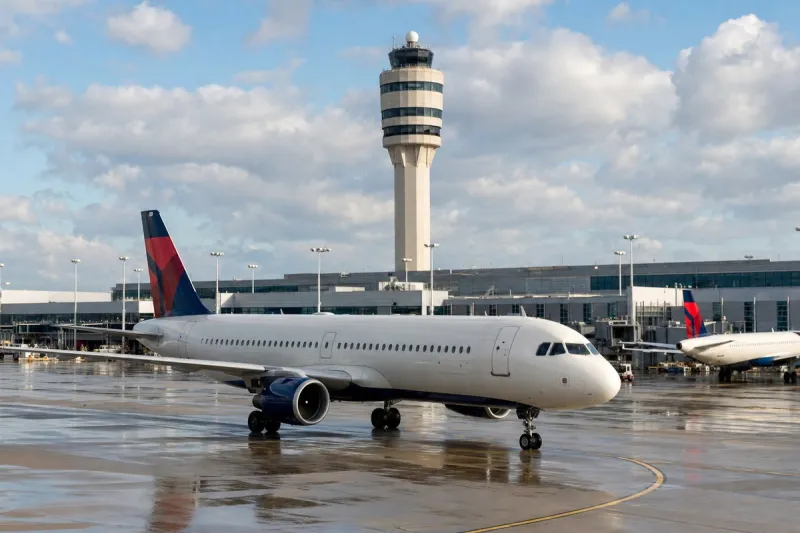
Oklahoma's aerospace and defense industry generates $52.5 billion in annual economic activity and supports more than 250,000 jobs, according to a statewide economic impact study released October 6, 2026, by the Oklahoma Department of Aerospace and Aeronautics (ODAA). The report breaks the total down across three sectors: airports account for $13.8 billion in annual impact, generated through Oklahoma's 107 public-use airports, which support a $4.6 billion annual payroll, $9.3 billion in annual spending, and 64,878 combined jobs, while off-airport industry activity contributes $16.8 billion, drawn from 790 aerospace and defense manufacturers, engineering and technology firms, logistics providers, and other aviation-dependent employers, producing $4.8 billion in payroll, $12 billion in annual spending, and 61,109 jobs.

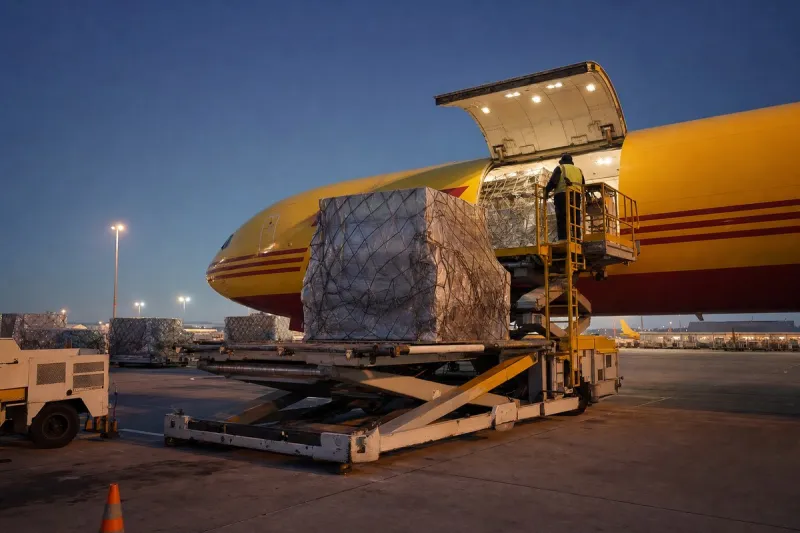
The study also examines air cargo separately, finding that approximately 50,000 tons of cargo move through Oklahoma airports annually, generating an estimated $6.7 billion in economic activity and supporting 27,600 jobs; state officials noted that the air cargo figures are not included in the $52.5 billion statewide total.
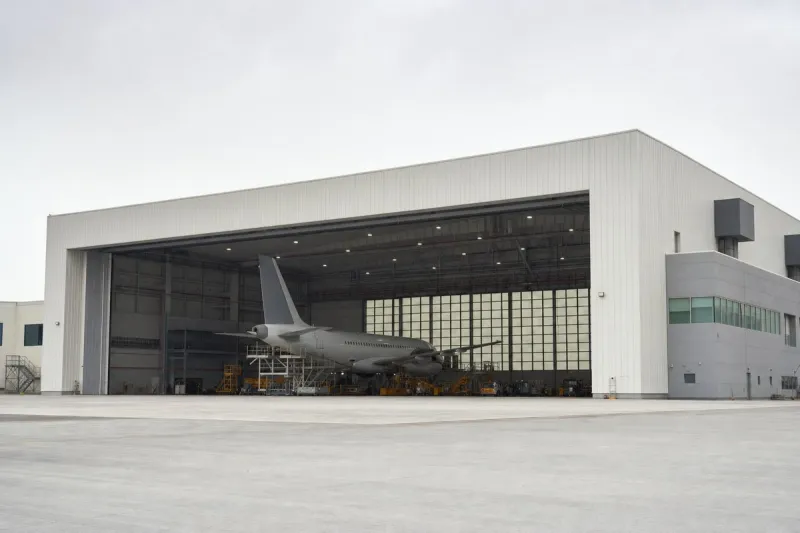
Oklahoma has earned a top national ranking for readiness in drone commerce and is home to the Infinity One Oklahoma Spaceport in Burns Flat, the nation's first inland facility licensed for suborbital operations. State leaders have described Oklahoma City, Tulsa, and Burns Flat as forming an "Oklahoma Space Triangle" connecting military and aerospace infrastructure, commercial and military aviation MRO activities, research and innovation assets, and emerging commercial space capabilities.