Cosmic Aerospace Develops Four-Seat, 250-Knot Electric Aircraft Targeting 2029 Deliveries
Why It MattersThe FAA's MOSAIC rule is enabling electric-aircraft developers to pursue lighter, cheaper certification paths, potentially accelerating entry of electric four-seaters into private and flight-training markets.
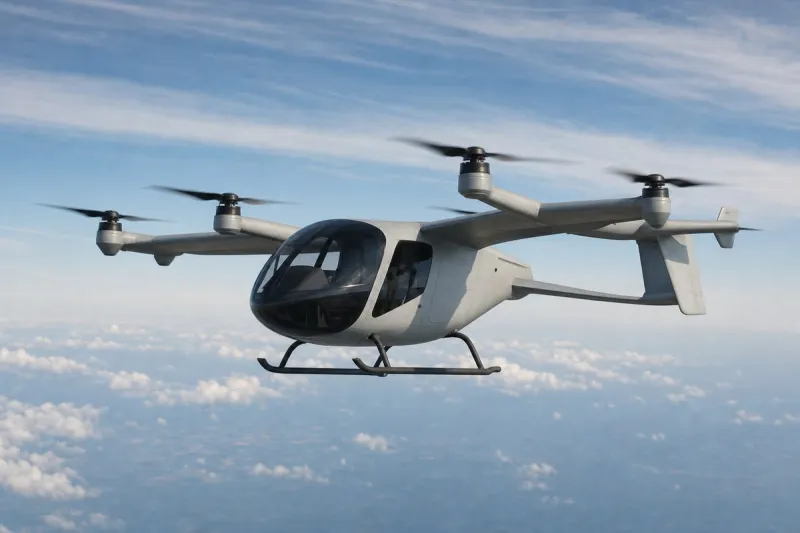
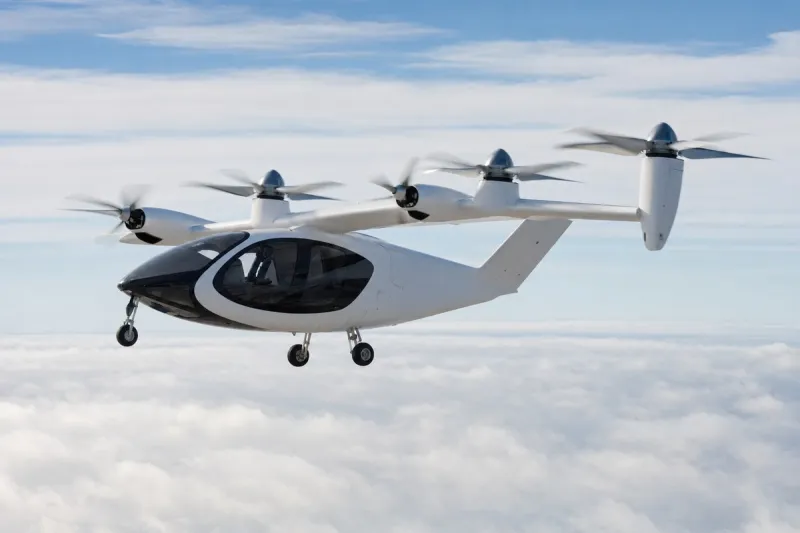
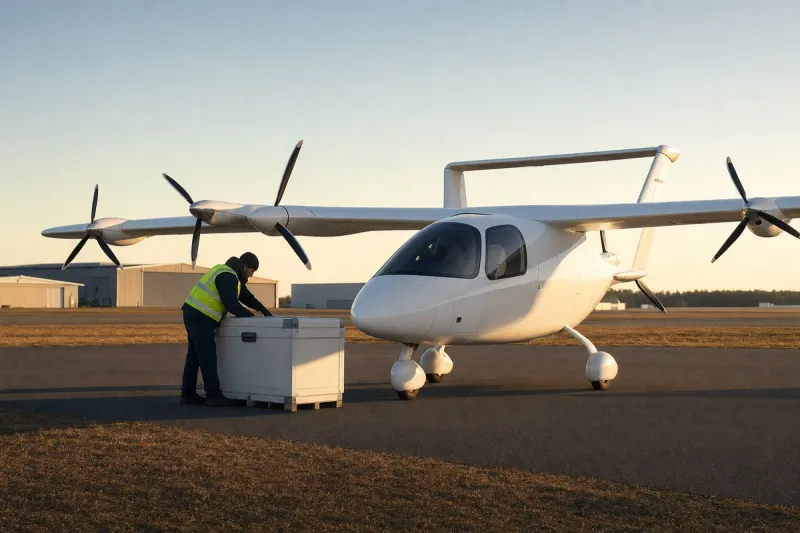
Colorado-based startup Cosmic Aerospace is developing Cosmic One, a four-seat electric airplane designed to overcome the range limitations that have historically constrained electric aviation. The aircraft is projected to achieve a range of 250 nautical miles plus VFR reserves, an endurance of more than two hours, and a cruise speed of up to 250 knots.
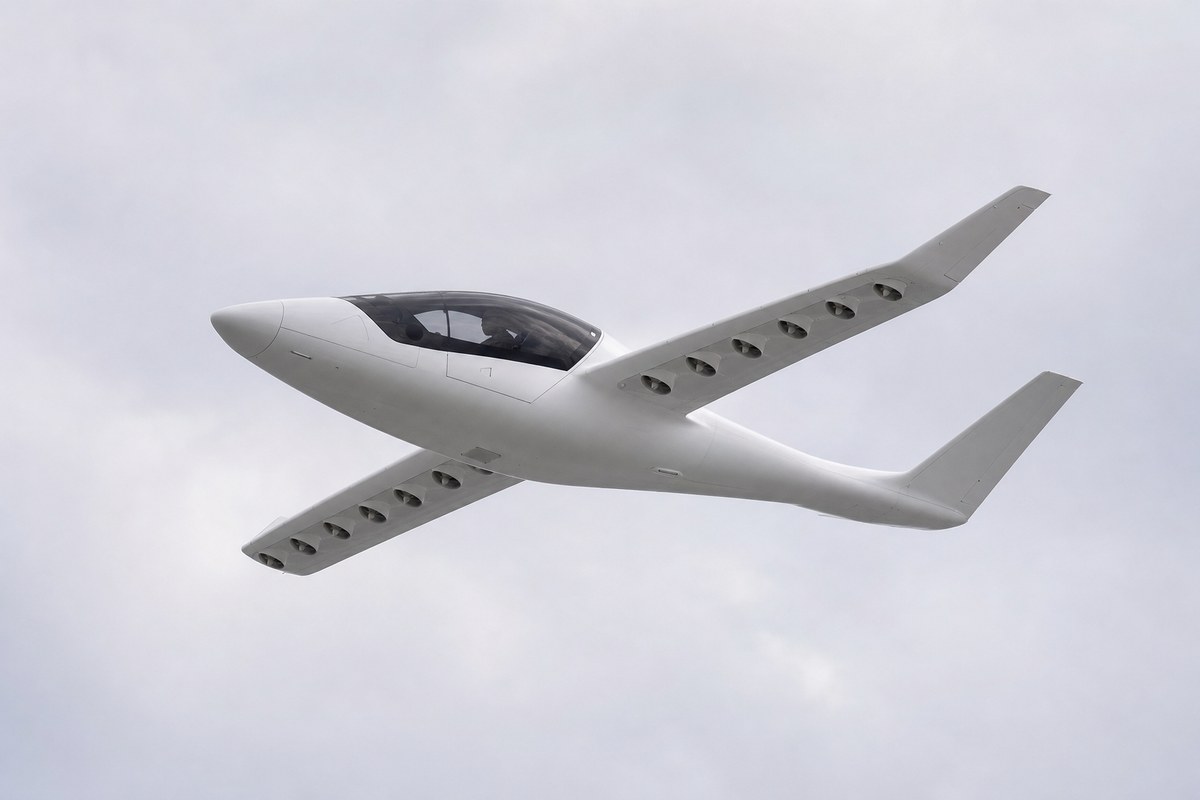
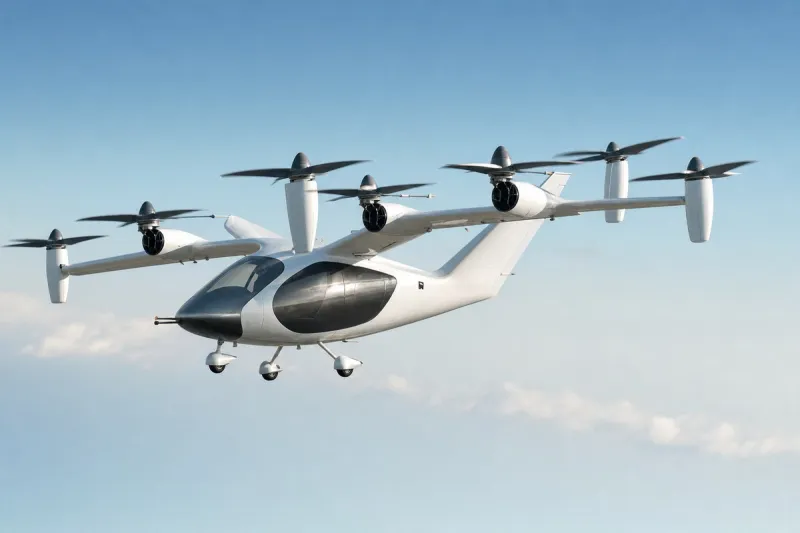
Cosmic One uses six electric motors embedded in the airframe under what the company calls its embedded wing architecture. Published specifications include a 4,400-pound maximum takeoff weight, a 49-foot wingspan, a climb rate of 2,000 feet per minute, and a 30-minute recharge time using compatible DC fast-charging equipment, with a Level 2 charger requiring several hours or overnight charging.
Cofounder and CEO Christopher Chahine said the project began roughly four years ago, partly inspired by electric-vehicle manufacturers such as Tesla that built from a clean-sheet design. The company has tested two scale models and plans to fly a full-scale prototype in 2028, with customer deliveries targeted for 2029.
Cosmic One was designed specifically to qualify under the FAA's Modernization of Special Airworthiness Certification (MOSAIC) rule, which took effect July 24 and expanded the light-sport aircraft category, allowing qualifying four-seat electric aircraft to seek airworthiness certificates based on a stall-speed limit and compliance with industry consensus standards rather than Part 23 federal regulations, reducing certification costs. Cosmic participated in the ASTM International committee developing those consensus standards.
The company estimates a 250-nm range would cover 80 to 90 percent of trips flown by most private pilots and flight schools, and projects that an aircraft flying approximately 500 hours per year could cost about 30 percent less to operate than a comparable piston aircraft, though the estimate will be refined once production aircraft begin regular operations.
Cosmic's first U.S. launch customer, Colorado's Centennial Flyers, has reserved four aircraft with options for two more. The company says it has 18 airport partners in the United States and Europe working on charging infrastructure and electric-aircraft operations, with target markets including private owners, flying clubs, and flight schools. Cosmic intends to apply the same technology to larger commercial aircraft, including a proposed 24-passenger design called Skylark.