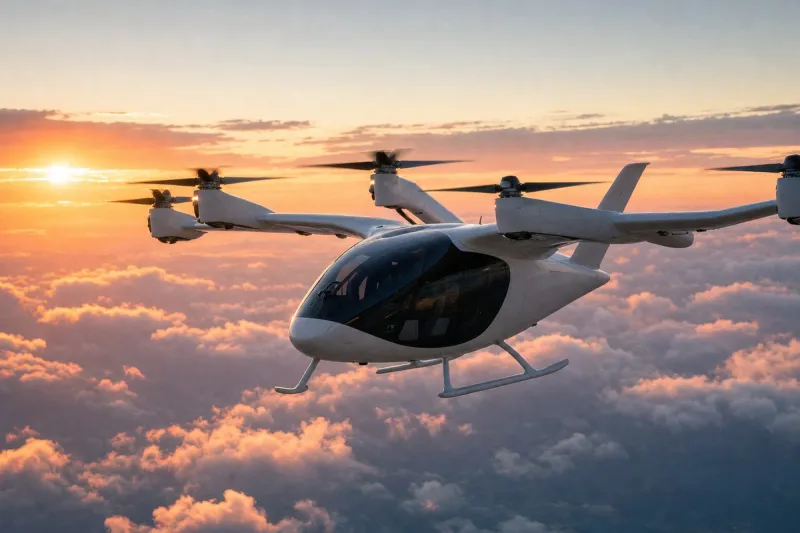
Private Jets Can Fly on Blended SAF, but Supply Is Thin and Costs Run Two to Five Times Conventional Fuel
Why It MattersBusiness aviation's SAF decarbonisation is capped by blend limits, fuel price and thin FBO availability, which leaves book-and-claim certificates and regulation as the main levers beyond the tank.
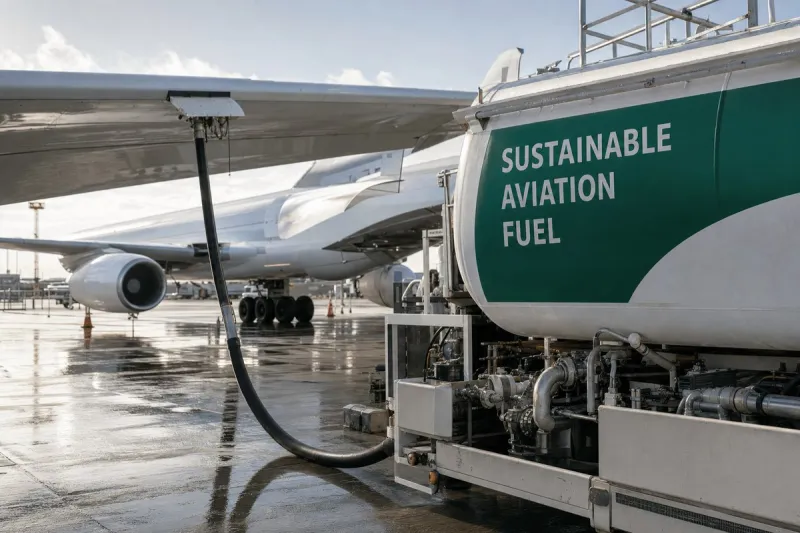
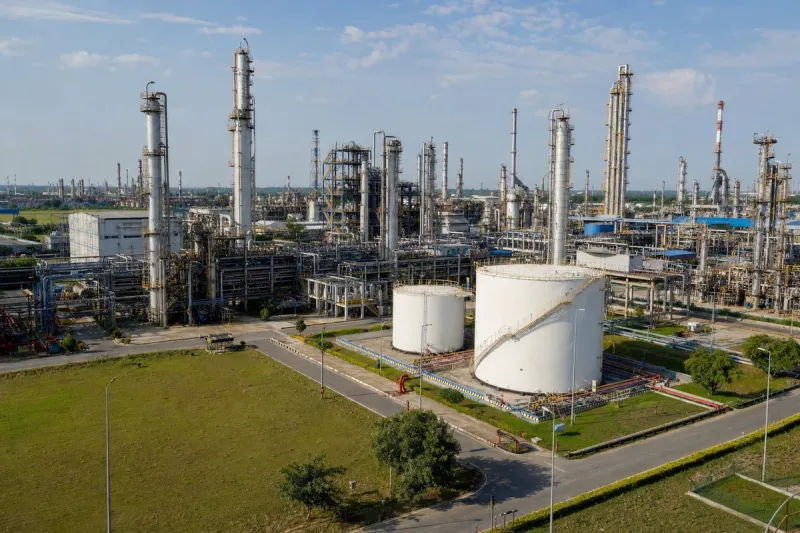
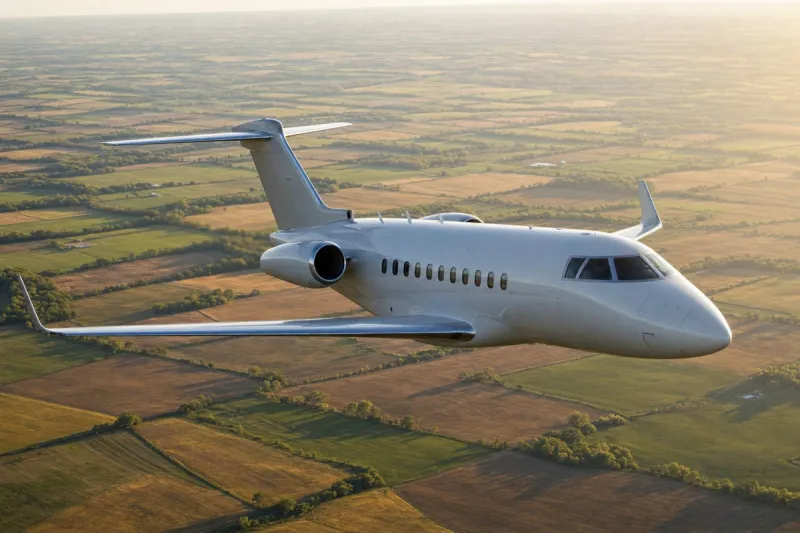
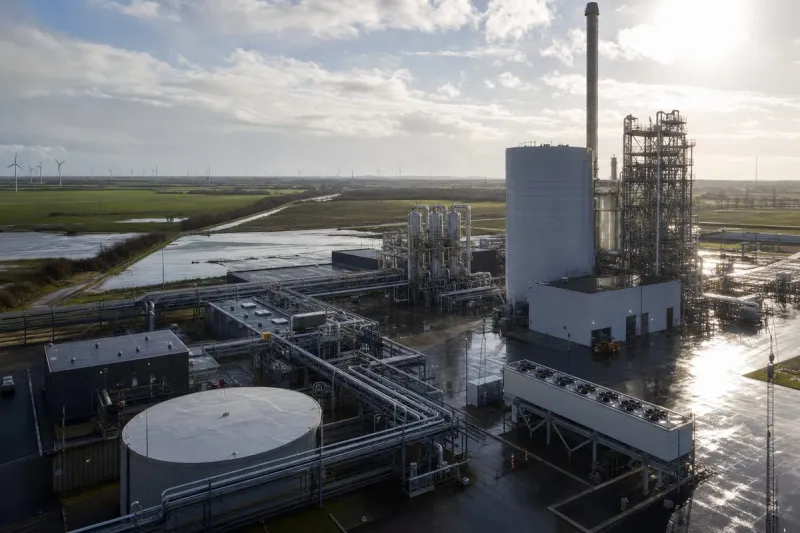
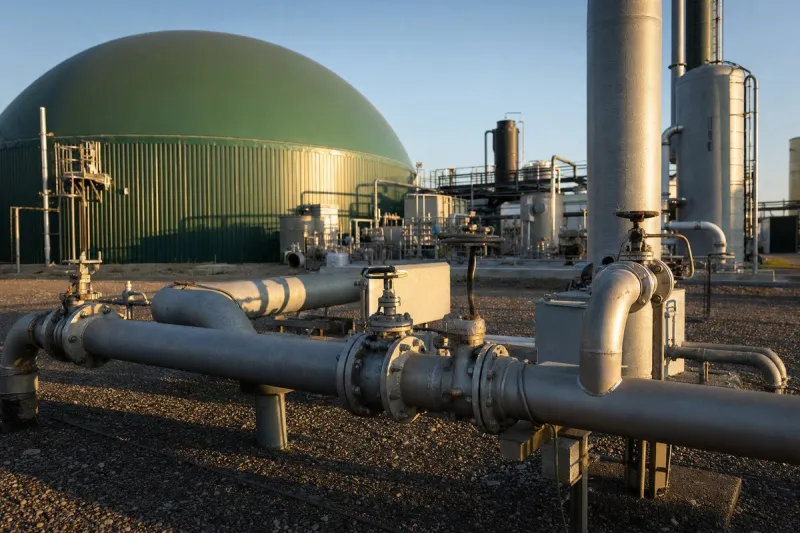
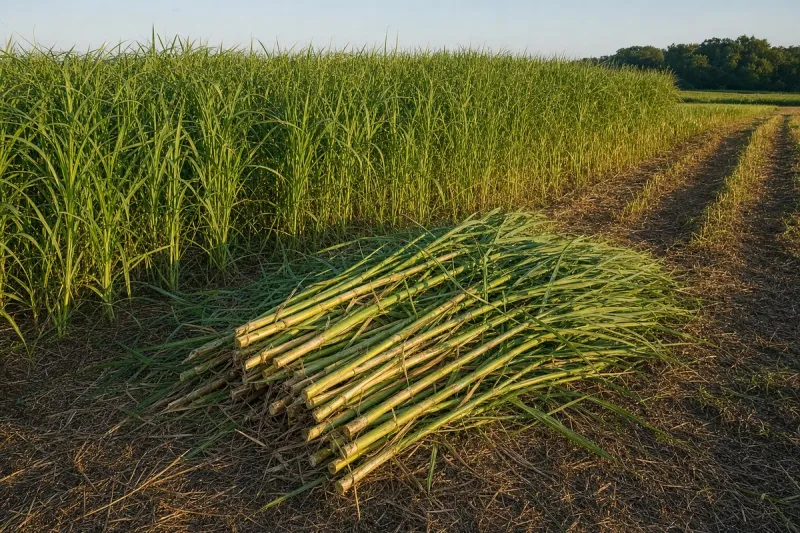
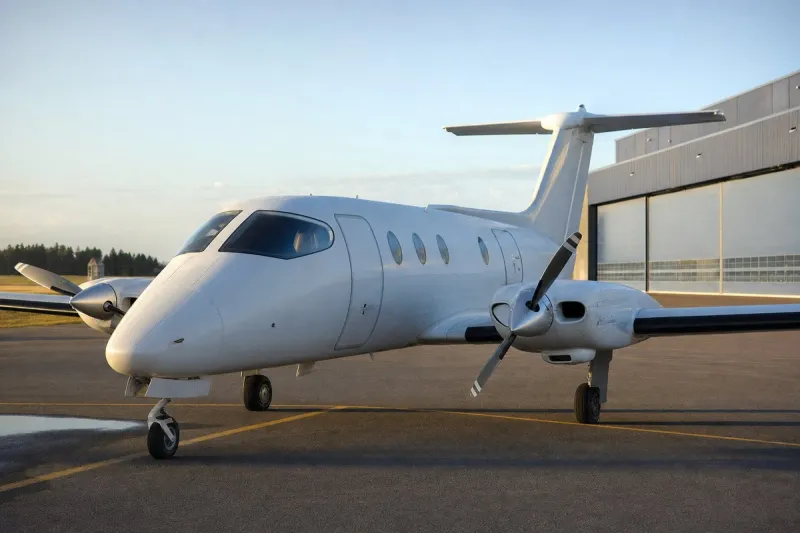
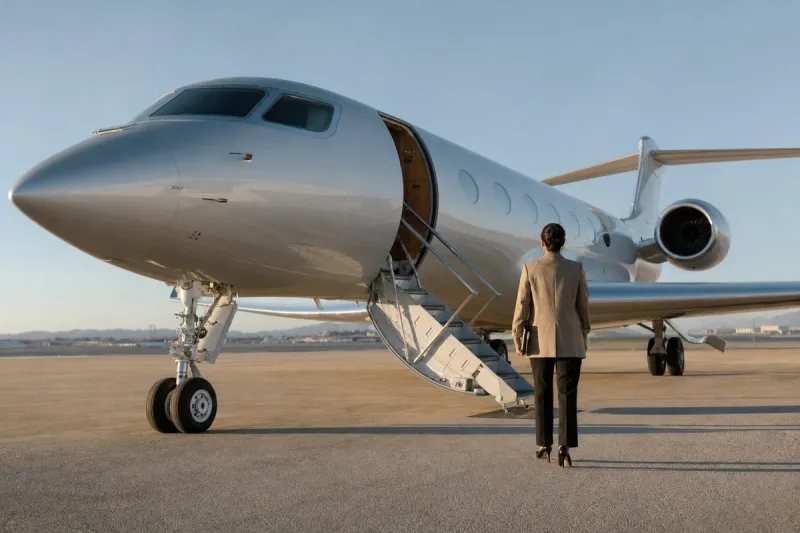
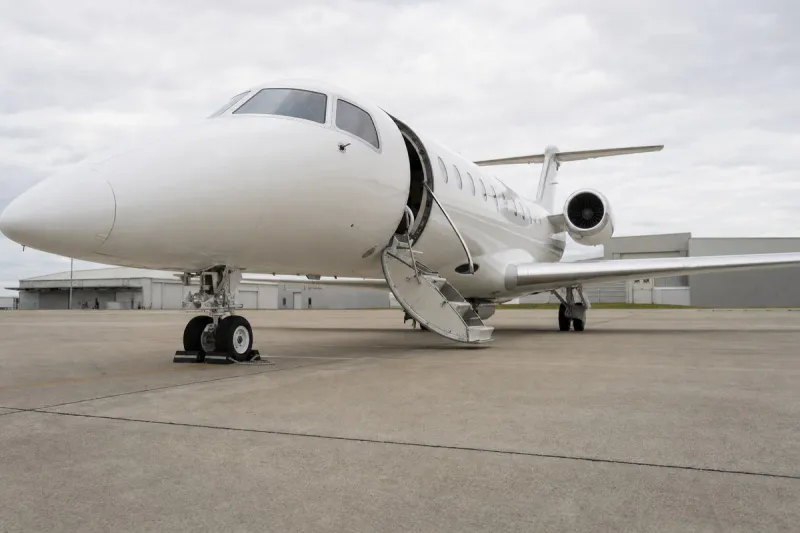
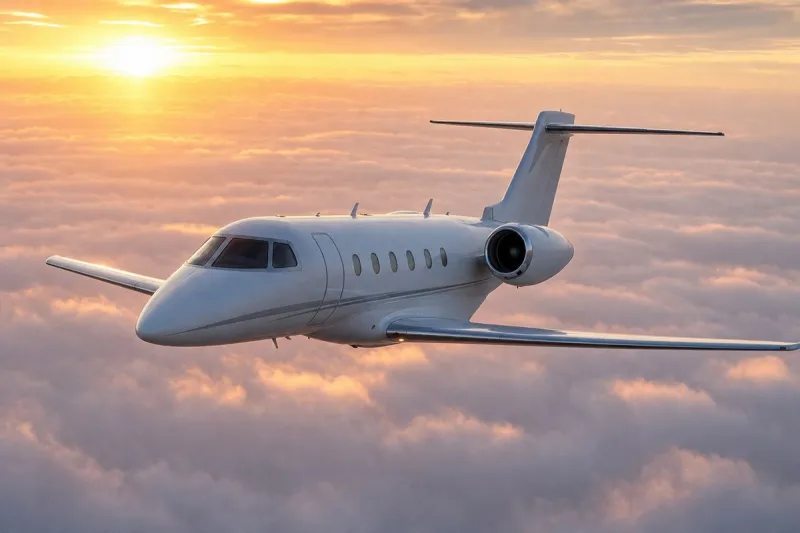
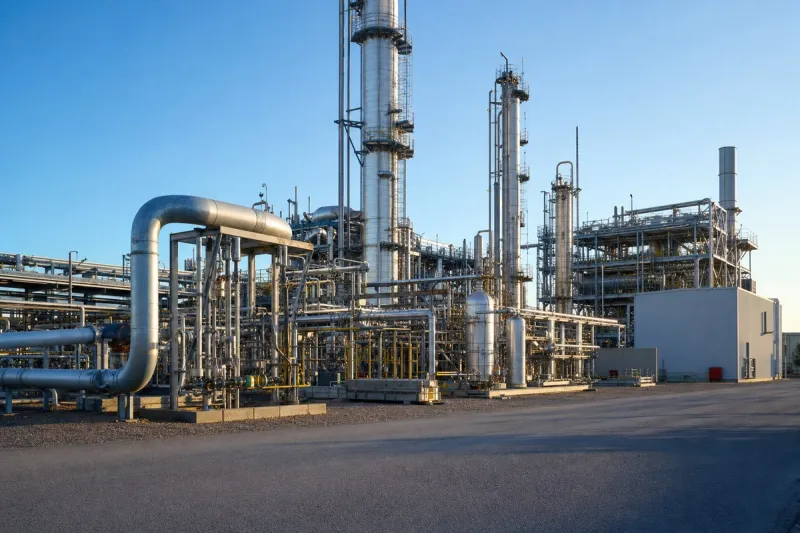
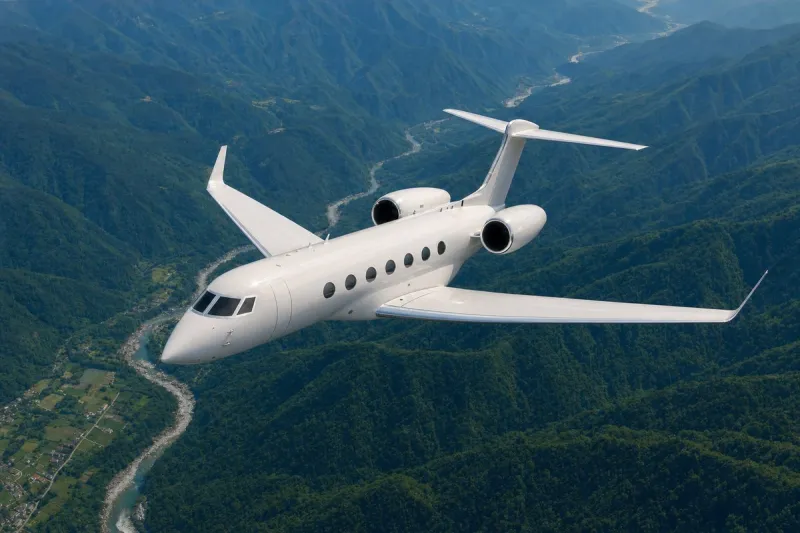
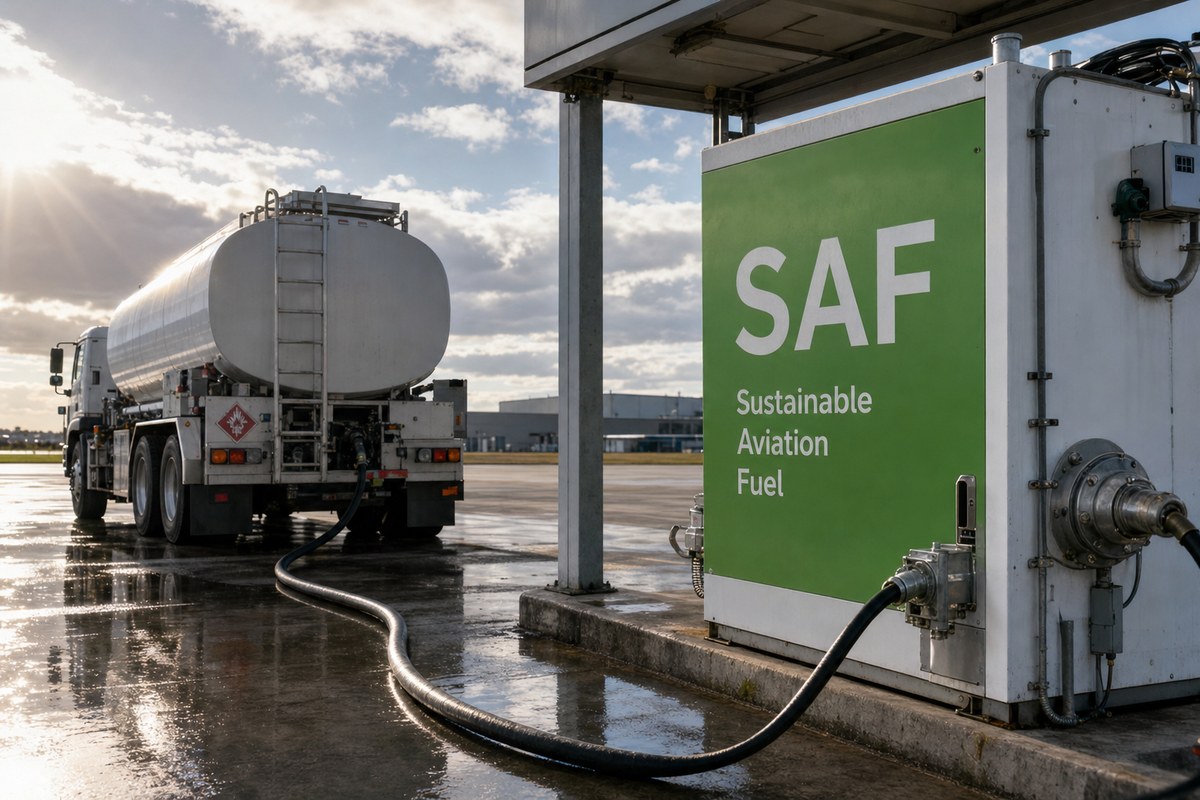
A private jet can fly on sustainable aviation fuel (SAF) today, but almost always as a blend. The U.S. Department of Energy's Alternative Fuels Data Center says approved SAF types can be mixed with conventional Jet A at limits between 10% and 50%, depending on how the fuel is made. IATA estimates SAF at about 0.8% of global jet fuel use in 2026. SAF is made from non-petroleum feedstocks such as used cooking oil, fats and greases, agricultural and woody residues, or captured carbon. Once it meets the ASTM D7566 specification and is blended with conventional fuel, it is a drop-in fuel usable in existing aircraft and fueling infrastructure. ASTM D7566 lists each approved pathway with its maximum blend: HEFA (fats and oils) and Fischer-Tropsch are approved up to 50%, some other pathways are limited to 10%, and co-processing biomass at a petroleum refinery is capped at 5%.
Quoted reductions of 50% to 80% refer to the SAF component on a lifecycle basis, not the whole tank. The U.S. SAF Grand Challenge targets fuels with at least a 50% lifecycle reduction, and an August 2026 AVI-GO industry brief citing The Jet Guide puts the reduction from higher SAF blends at 70% to 80% on a well-to-wake basis. The saving scales with the blend share: if the SAF portion delivers an 80% reduction and makes up 30% of the fuel, fuel-related lifecycle emissions fall by roughly 24%; at a 10% blend the cut is about 8%.
SAF is not at price parity with conventional fuel. An October 2026 AeroXplorer analysis citing EASA describes SAF as costing roughly three times conventional jet fuel in 2024, with 2025 prices ranging from about twice to five times. IATA estimates the industry's added SAF cost at $4.3 billion in 2026 for about 2.4 million tonnes of fuel.
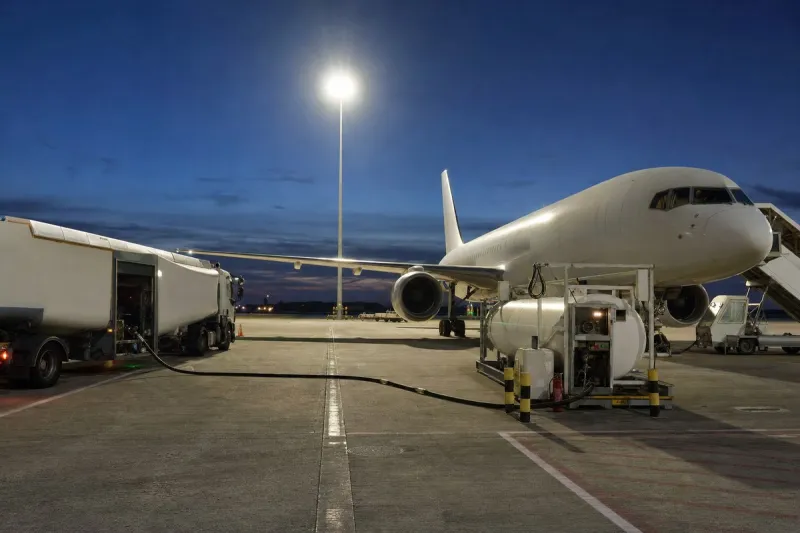
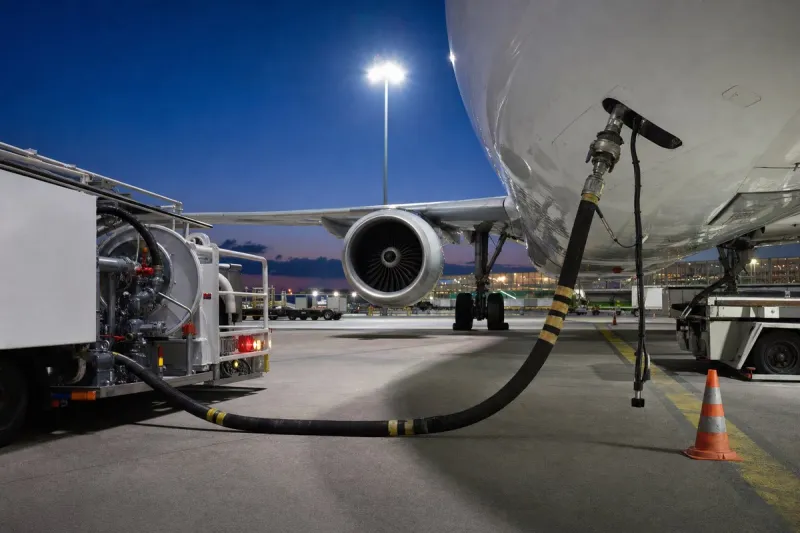
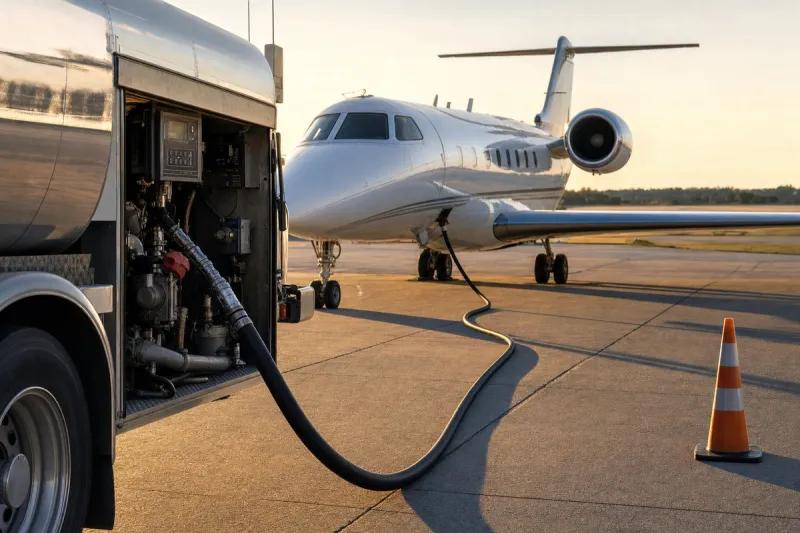
Availability remains limited. The AVI-GO brief reports roughly 35 business-aviation FBOs worldwide offered SAF blends in 2026, up from about 5 in 2020. EPA data compiled by the Alternative Fuels Data Center show U.S. use of about 5 million gallons in 2021, 15.84 million in 2022 and 24.5 million in 2023, against a federal goal of 3 billion gallons a year by 2030 and 35 billion by 2050. Where SAF is not physically available, book-and-claim lets a buyer purchase the certified environmental attribute for SAF delivered elsewhere, though the fuel in the tank stays conventional.
The United States has no federal SAF mandate and relies on incentives under the SAF Grand Challenge. In the EU, since January 1, 2025, fuel at major airports must contain at least 2% SAF, and departing aircraft must uplift at least 90% of the fuel they need, rules that apply to business aviation as well as airlines.