Bio-Based SAF Market Forecast to Grow From USD 4.99 Billion in 2026 to USD 42.00 Billion by 2036
Why It MattersGrowth in sustainable aviation fuel depends on regulatory mandates and on feedstock and financing constraints easing, which ties business aviation's decarbonisation options to Europe-led policy and limited used cooking oil supply.
The global bio-based sustainable aviation fuel (bio-SAF) market was valued at USD 3.95 billion in 2025 and is estimated at USD 4.99 billion in 2026. It is projected to reach USD 42.00 billion by 2036, a CAGR of 23.7%. Demand is expected to rise from 2,375 kilotonnes in 2026 to 17,252 kilotonnes by 2036, a CAGR of 21.9%, while the average price is forecast to increase from USD 2,101 per tonne to USD 2,435 per tonne.
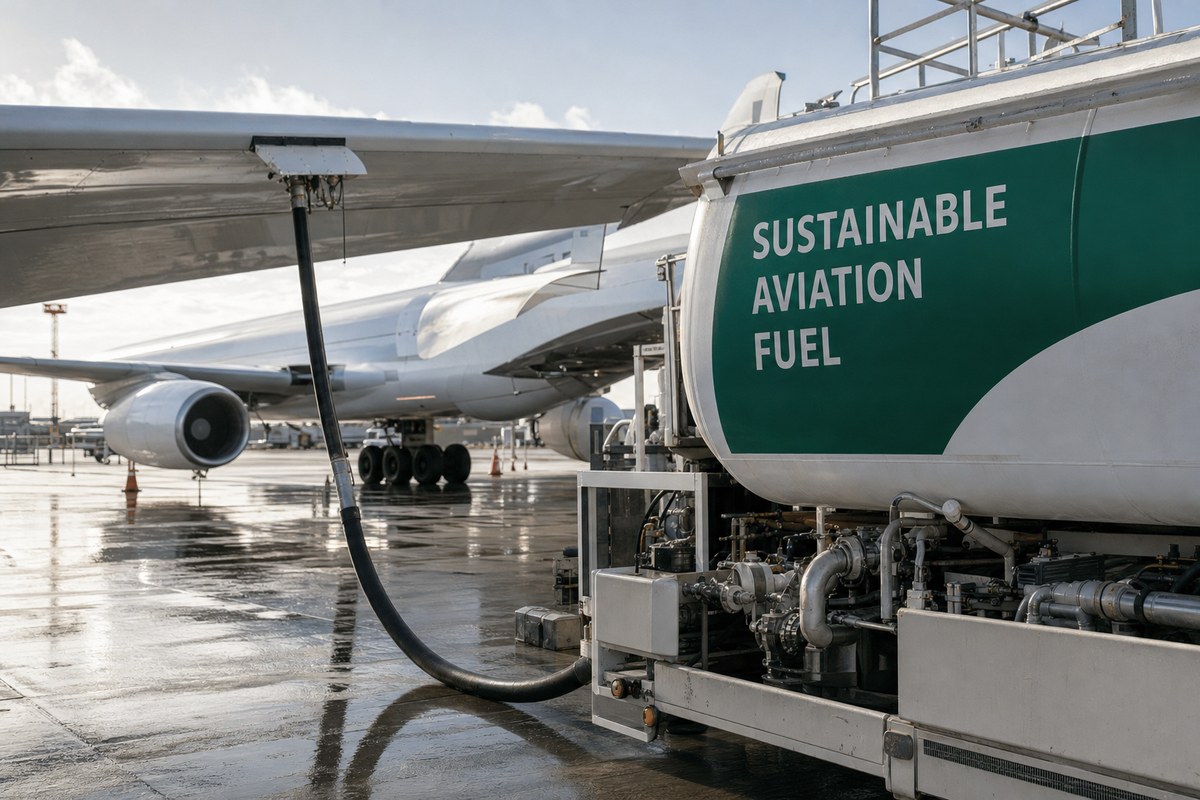
IATA said global SAF production reached about 1.0 Mt in 2024 and an estimated 1.9 Mt in 2025, equal to 0.6% of total jet fuel supply, and is projected to reach 2.4 Mt in 2026. Regulatory mandates remain the main demand driver, particularly in Europe: EASA reported that 1.1 Mt of SAF was supplied at EU airports in 2025, a 2.8% share, above the 2% ReFuelEU Aviation minimum. Bio-SAF remains roughly twice as expensive as fossil jet fuel, and up to five times as expensive in mandated markets, according to IATA. Limited supplies of used cooking oil and animal fats, competition from renewable diesel, traceability risks and project financing constraints continue to restrict growth. In Europe, 85% of the feedstock used for SAF supplied in 2025 originated outside the EU.
By pathway, HEFA-SPK is expected to account for 84.6% of the market in 2026, and alcohol-to-jet is forecast to grow fastest. Used cooking oil is projected to hold 57.1% of the market by feedstock in 2026. By region, Europe is expected to lead with a 60.9% share in 2026, followed by North America at 29.7% and Asia-Pacific at an estimated 6.9%, the latter forecast to grow fastest.