Energy Pioneer Series Surveys Five Firms Pursuing Aviation Decarbonization via SAF, Hydrogen and Airships
Why It MattersDecarbonization efforts are splitting across fuels, hydrogen aircraft and airships, with business aviation and freight emerging as early adopters while commercial long-haul remains dependent on sustainable aviation fuel.
A ClimateTech series installment from The Energy Pioneer reviews several routes to decarbonizing aviation. Widespread commercialization of sustainable aviation fuels (SAF) is described as critical for commercial airlines and long-distance flights, while hydrogen fuel cells and lighter-than-air technology are reducing emissions in business aviation, freight transport, tourism and military aviation. The EU recently passed the ReFuel Aviation Law, requiring fuel suppliers at European airports to progressively raise the share of SAF blended into conventional jet fuel.
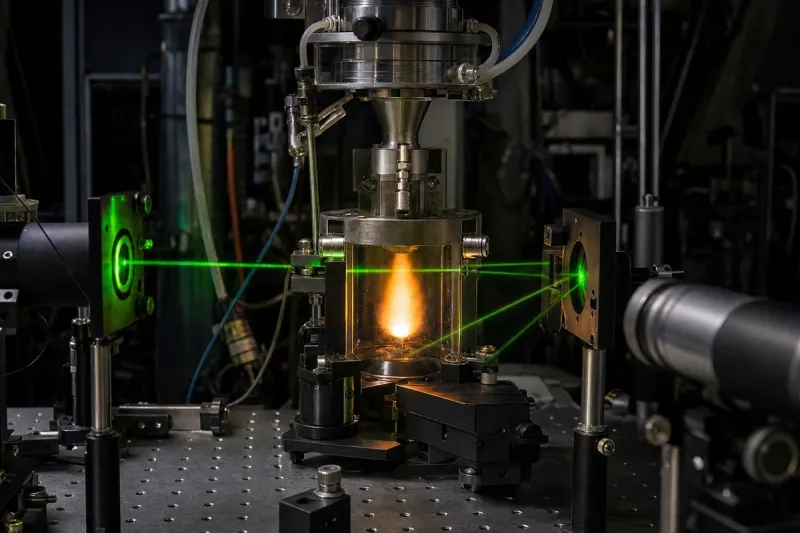
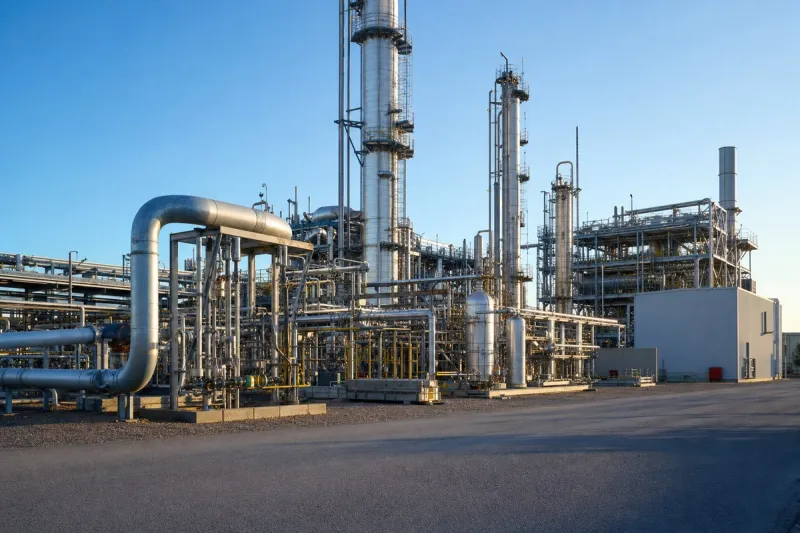
California-based Infinium Energy accomplished the first US commercial passenger flight using eSAF, according to CEO Robert Schuetzle. Its Project Roadrunner facility in Reeves County, Texas, is backed by Brookfield Asset Management and Breakthrough Energy Catalyst, and is expected to come online in 2027 with capacity of 23,000 tonnes per year, primarily producing SAF. Infinium has a long-term agreement with American Airlines and has sold into European markets, with clients including International Airlines Group. Chicago/Singapore-based Aether Fuels converts waste biomass, industrial waste gas or captured CO2 into SAF; CEO Conor Madigan said the company cut the syngas generation section of its plant in half through catalyst and reactor innovation.
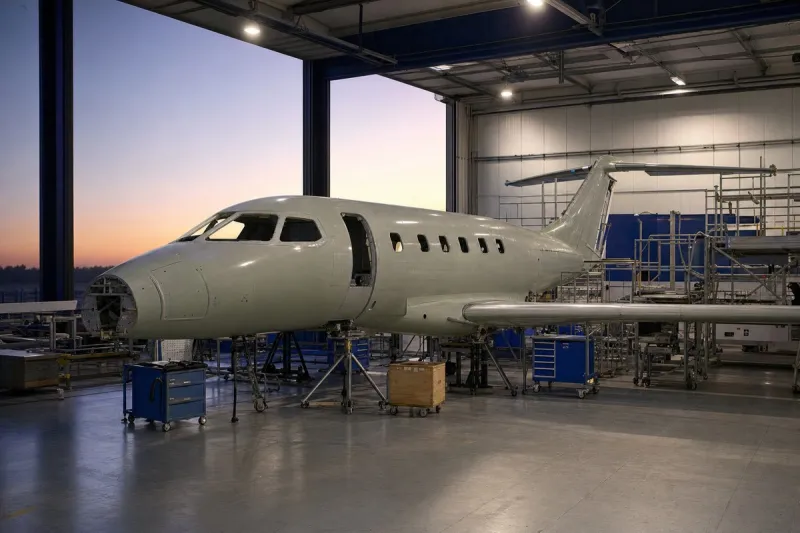
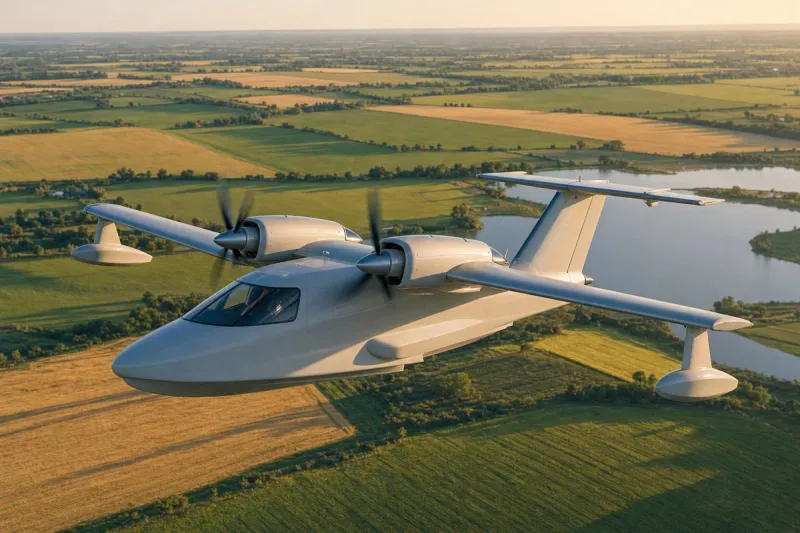
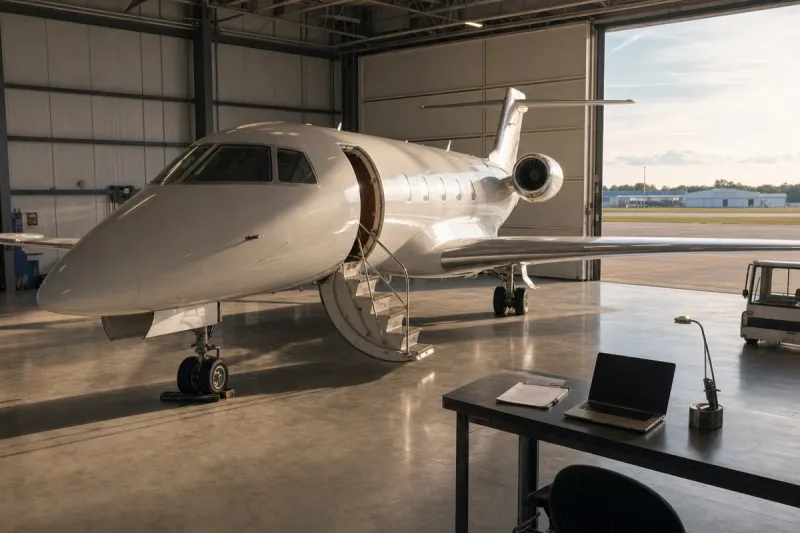
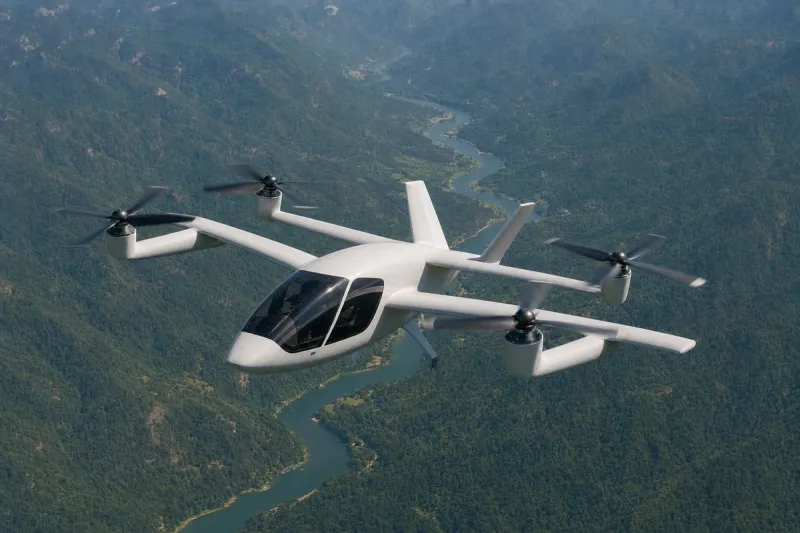
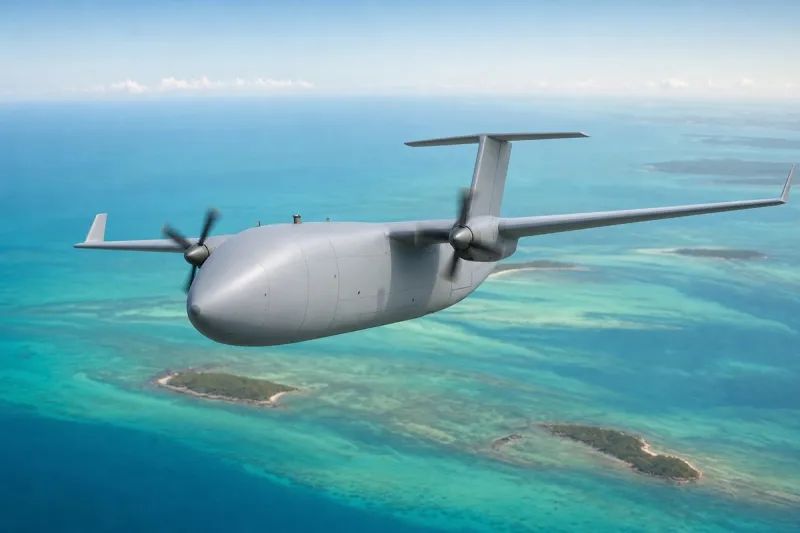
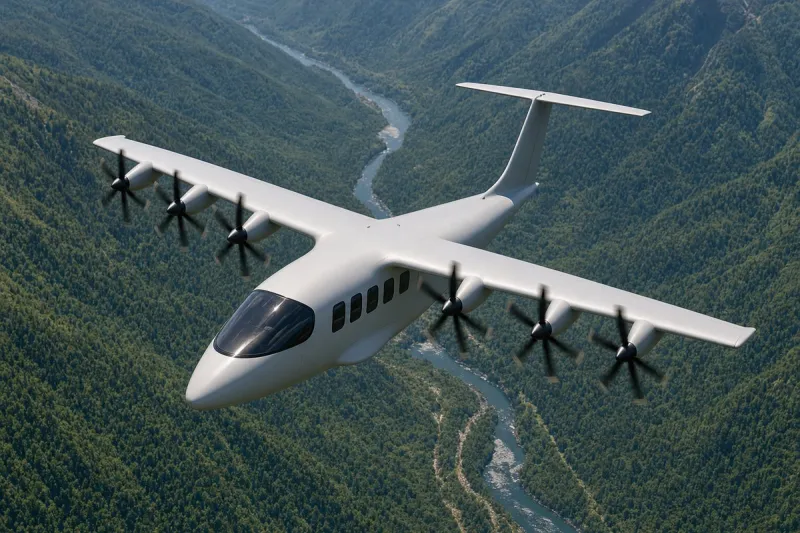
Toulouse-based Beyond Aero is developing a hydrogen-propelled electric business aircraft targeting 800 nautical miles of range, which it says would cover 80% of business aviation flights in Europe. It plans to start with gaseous hydrogen, and Lead Hydrogen Airport Operations Manager Irwin Kerboriou stressed the need for airport operator support and a technical, operational, economic and regulatory framework for refueling at European airports. Stuttgart-based H2Fly has demonstrated liquid-hydrogen fuel cell systems, most recently on a 900 km test flight, according to CEO Ralph Müller, who said many of the hardest challenges stem from electrification rather than the fuel cells themselves. H2Fly also intends to begin with regional flights.
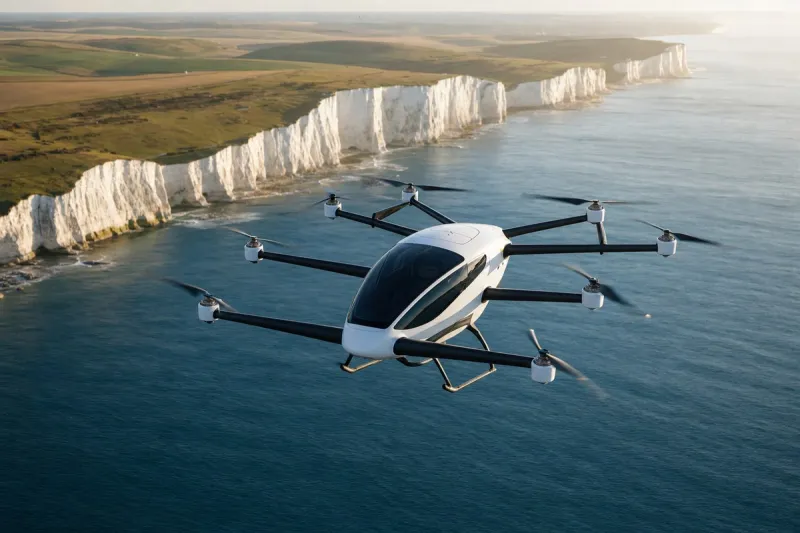
Hybrid Air Vehicles' lighter-than-air Airlander can cut emissions by 75% even on traditional fuels and aims for zero in the coming years, according to CEO Tom Grundy. The company has developed a 4-year program to build capacity for up to 24 aircraft a year at a site in northern England. The series concludes that decarbonizing aviation will require SAF, electric aircraft and lighter-than-air technologies working side by side.