Maxwell Aircraft Unveils M1 Hybrid Amphibian Pairing Electric Takeoff Power with Jet A Diesel Cruise
Why It MattersHybrid-electric amphibians aimed at remote, island and government missions show developers using electric power only for peak demand to shrink battery needs, a pathway that remains unproven in flight.
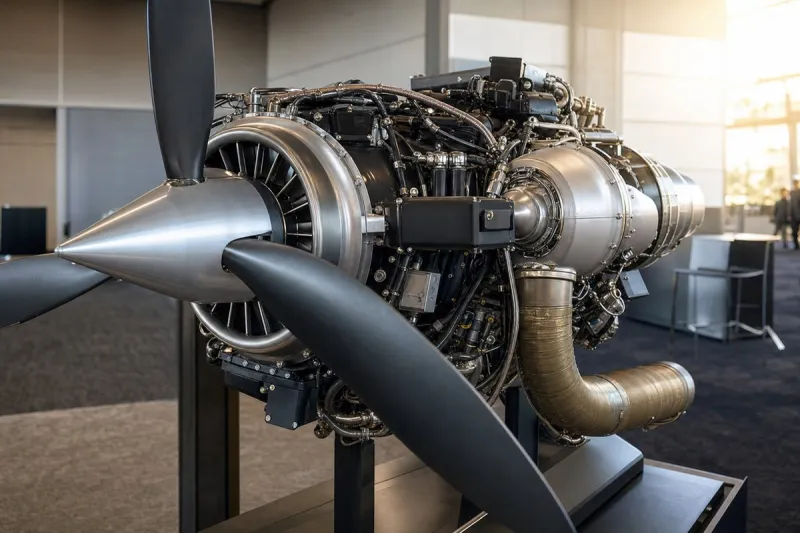
Maxwell Aircraft has unveiled the M1 Hybrid, an amphibious aircraft that combines electric motors with two compression-ignition engines running on Jet A fuel in a patent-pending, mechanically coupled hybrid propulsion system. The electric motors supply extra power for takeoff and initial climb, with the combined system targeting up to 1,500 horsepower for roughly six minutes. In cruise, the aircraft relies mainly on the two fuel-powered engines, which need about 300 horsepower combined, or 150 horsepower each. Maxwell says this approach reduces the battery capacity required onboard.
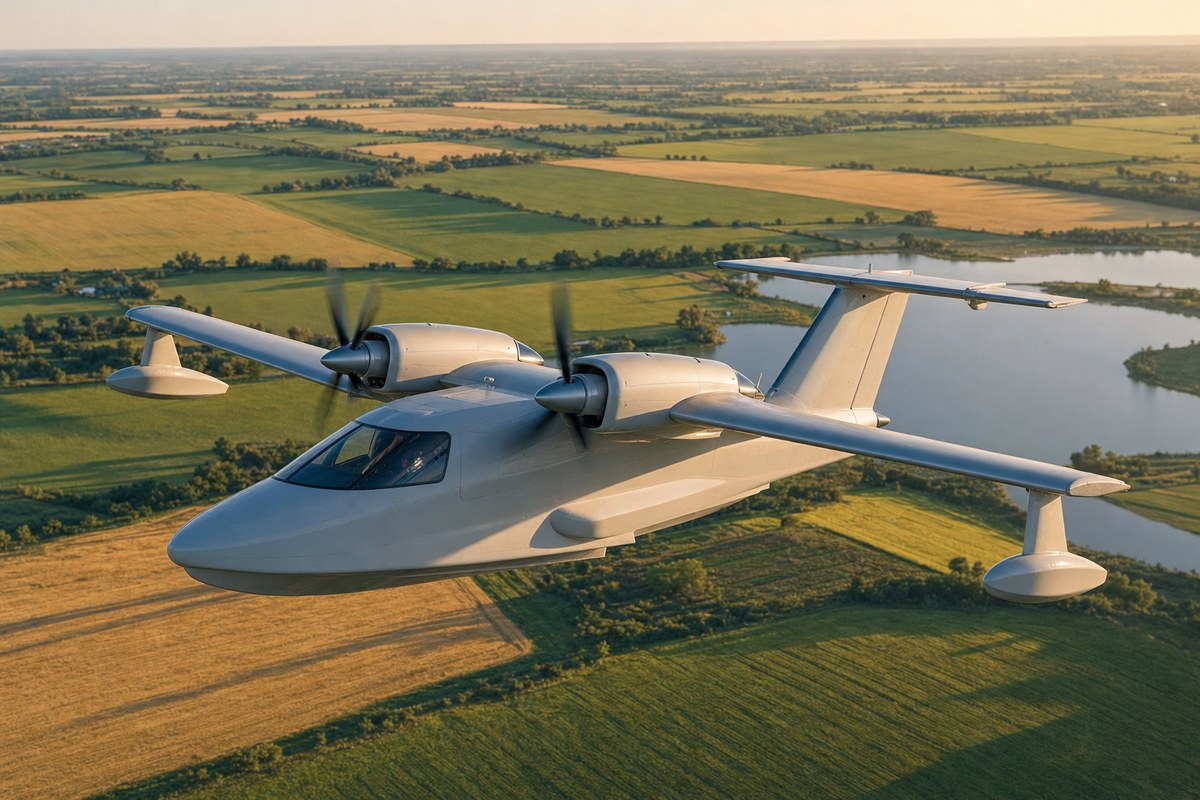
The first configuration, the M1-HC cargo variant, is designed to carry a useful payload of 2,000 lb over a design-target range of 1,000 nautical miles, with a 135-knot cruise speed. It has a five-foot cargo door and internal tie-downs for palletized freight. The airframe is built from carbon fiber and Kevlar and derives from the Gweduck amphibian, which Maxwell describes as a fifth-generation evolution of the Grumman seaplane concept; the company says the composite construction avoids saltwater corrosion. The aircraft can operate from water, beaches, docks and short or unimproved runways.
Maxwell cites uses including remote communities, island transport, disaster response, cargo logistics, government operations and defense missions. The M1 Hybrid Cargo is offered under experimental aircraft regulations, including commercial use for government purposes. The announced performance figures are design targets and have not been independently demonstrated. Maxwell also lists an all-electric M1-E variant with a 130-knot cruise, 235-mile total range and 1,400 lb useful payload.