CubCrafters Has Debuted Five Engine Options Since 2009, While Pratt & Whitney Canada Unveils PT9 Turboprop
Why It MattersThe two engine stories show powerplant choice moving in opposite directions: a small manufacturer iterating through partner-built engines, and a major engine maker introducing a high-horsepower turboprop through a trade-show launch.
What happened
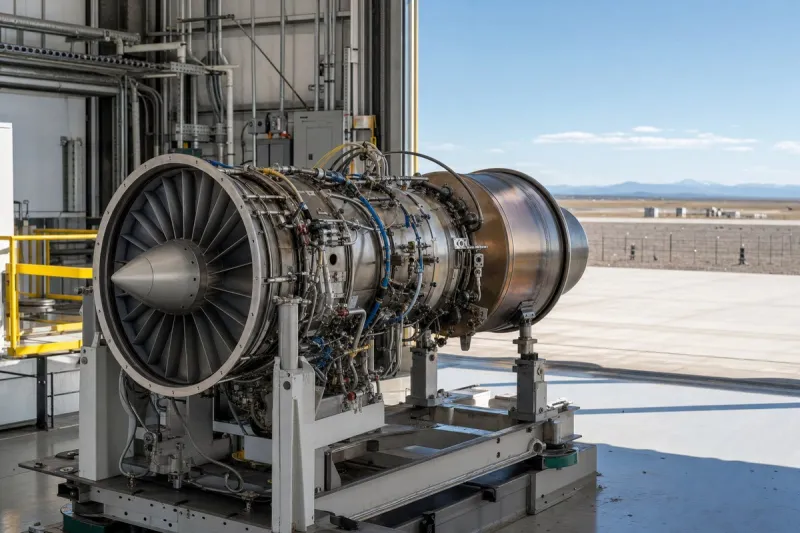
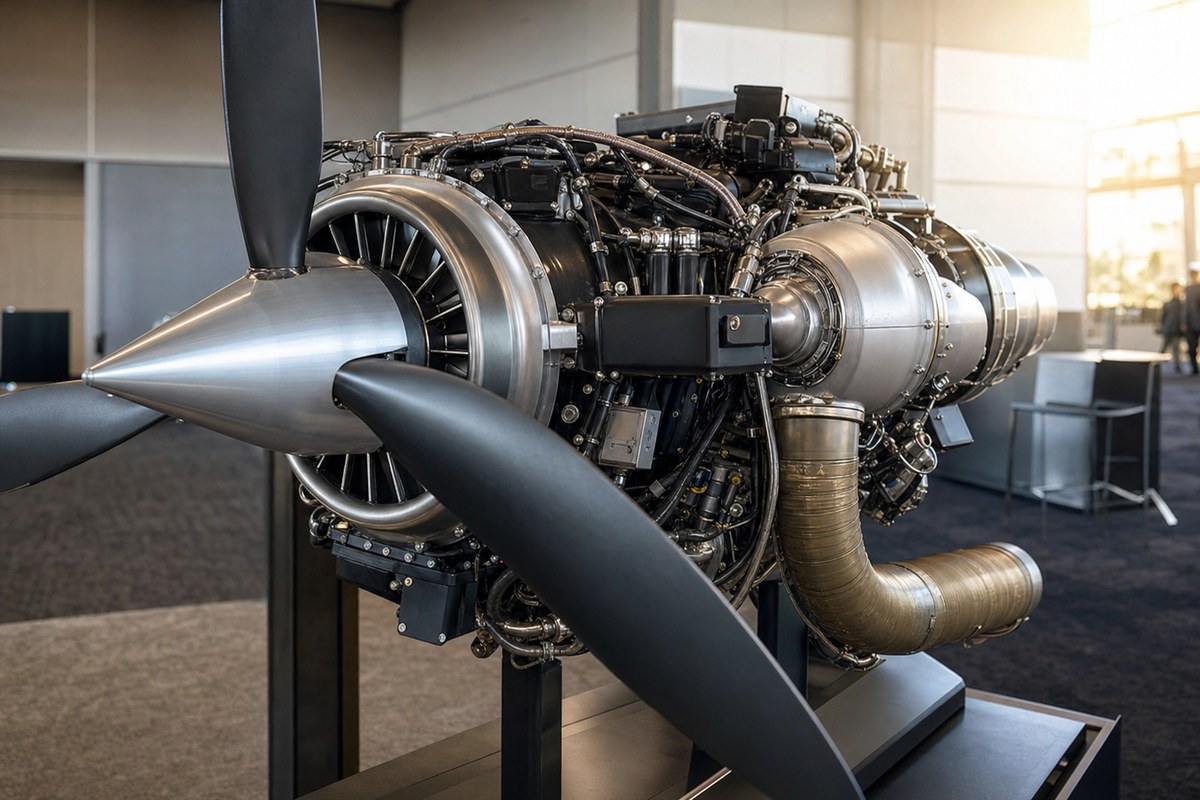
Pratt & Whitney Canada unveiled its new PT9 turboprop at the 2026 National Business Aviation Association convention. The engine is described as producing 1,700 to 2,300 horsepower.
CubCrafters, based in Yakima, Washington, has helped introduce five different powerplants over the past 17 years. In 2009 it launched the CC340, a lightweight 180-hp engine developed with Titan Engines for the original Carbon Cub SS. In 2017 it introduced the fuel-injected 186-hp CC363i for the Carbon Cub EX-3 and FX-3. In 2019 it partnered with Lycoming on the 215-hp CC393i, based on the IO-390 and featuring dual Lycoming Electronic Ignition Systems, first offered in the type-certified XCub and later in the NX Cub.
In 2023 CubCrafters introduced the Carbon Cub UL with Rotax's new 160-hp turbocharged 916 iS. A Carbon Cub UL climbed to 37,609 feet in October 2025. This summer, CubCrafters teamed up with French engine manufacturer TurboTech to introduce the Carbon Cub ULT, a Jet-A-fuelled turbine variant with full-authority digital engine control (FADEC).
The piece comes from an opinion column by Jackie Burch, founder of Freebird Creative Group, which provides marketing and communications support for CubCrafters. She suggests Pratt & Whitney consider approaching CubCrafters, imagining a four- or six-place Carbon Cub powered by the new turboprop.
How CubCrafters sourced its engines
Each engine in the CubCrafters line came through a different partner: Titan Engines for the CC340, Lycoming for the CC393i, Rotax for the 916 iS, and TurboTech for the turbine variant. Working with outside engine makers rather than building its own powerplants lets a small airframe builder change engines as its aircraft evolve.
The progression runs from 160 to 215 horsepower in piston form, then to a Jet-A-fuelled turbine with FADEC. That last step moves the Carbon Cub line from piston and turbocharged-piston power toward turbine power.
Industry impact & what to watch
The column sets two very different engine-development models side by side. A major engine maker such as Pratt & Whitney Canada launches a high-horsepower turboprop at the industry's largest business-aviation gathering, while a smaller airframe builder like CubCrafters has repeatedly paired its aircraft with engines from other manufacturers. In light aviation, engine choice is largely a partnership decision between airframer and powerplant supplier.
The suggestion that Pratt & Whitney approach CubCrafters is the columnist's own idea, from someone whose firm supports CubCrafters' marketing, and no collaboration between the two companies is reported. It reads as an invitation, not a development.
The next concrete signal would be any statement from Pratt & Whitney Canada about which airframe programs the PT9 is aimed at, since that would show whether the engine reaches down toward the single-engine utility class the column describes.