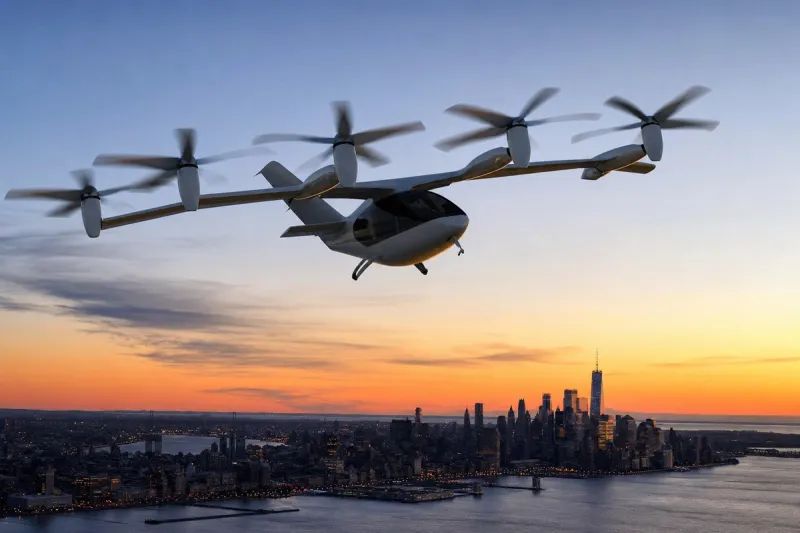
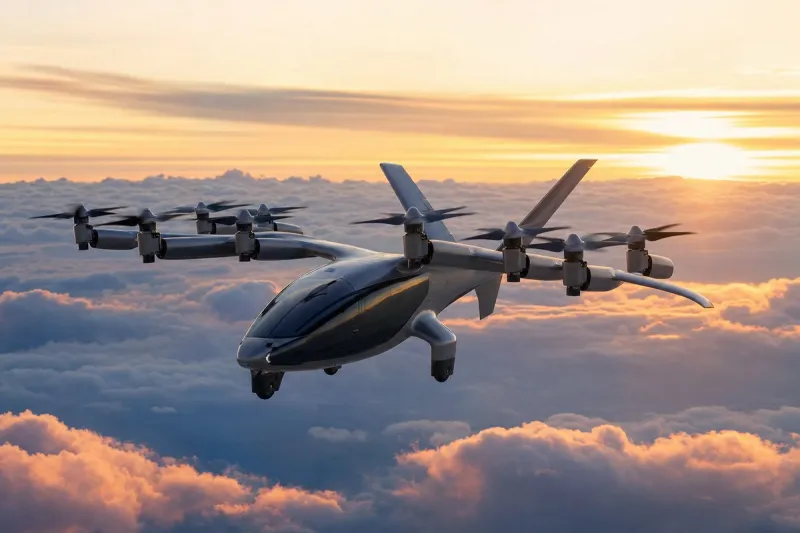
Ahead of ICAO's 2026 Bangkok Symposium, Analysis Questions Whether eVTOL Progress Can Become Viable Urban Air Mobility Services
Why It MattersThe analysis frames eVTOL viability as a question of demand, frequency, pricing and fit with existing transport rather than certification progress, shifting scrutiny from aircraft readiness to service economics.
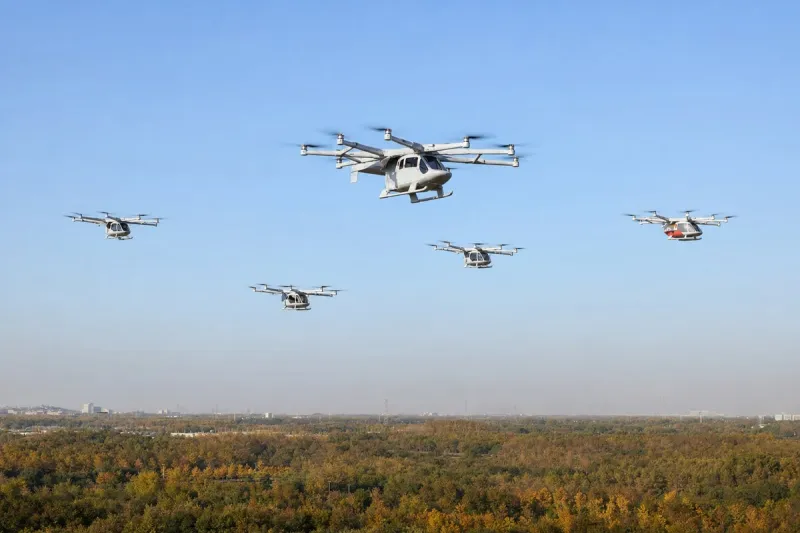
Ahead of ICAO's 2026 Global Symposium in Bangkok, an analysis by international geopolitics analyst Riccardo Cacelli examines whether Urban Air Mobility has moved from announcements to services people can actually use. The symposium comes two years after the first edition in Montréal. The author argues that the central question is not where an eVTOL aircraft could land, but where, why and for whom a service would make sense, and that connections such as city centres to railway stations, ports or road hubs should be assessed for demand, costs and benefits before being considered necessary.
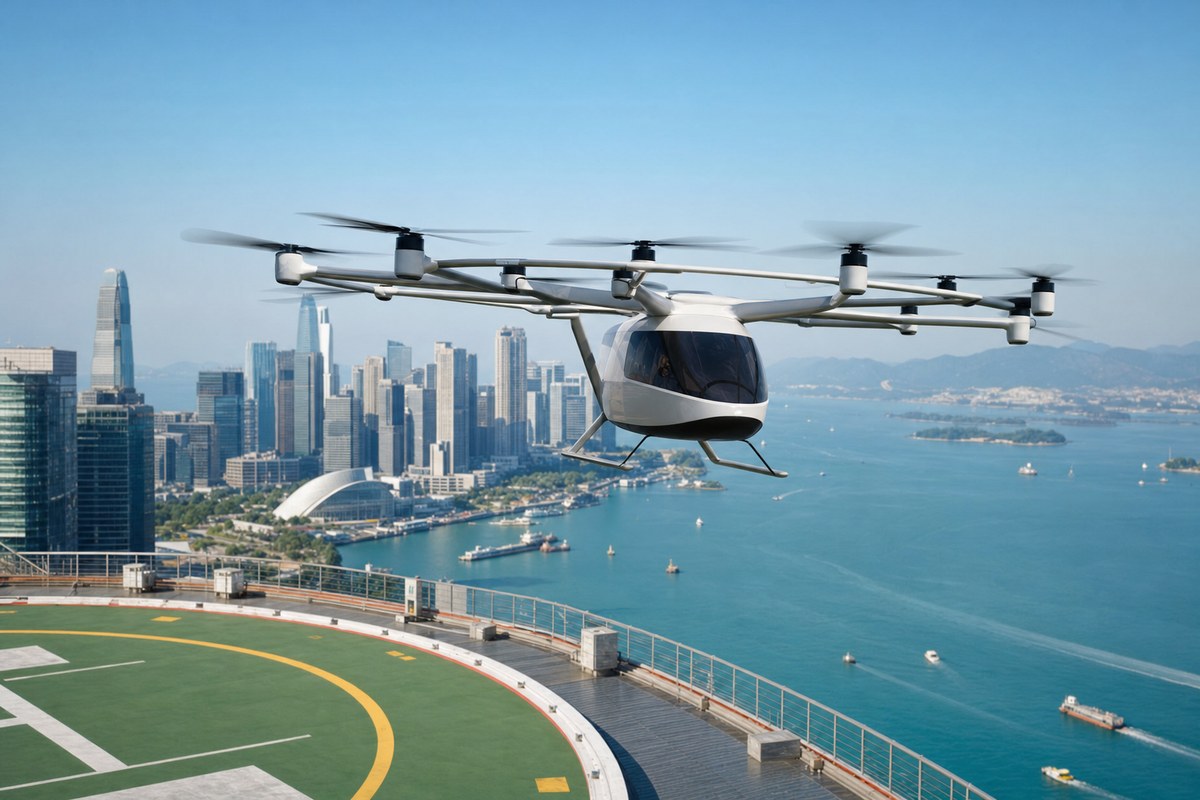
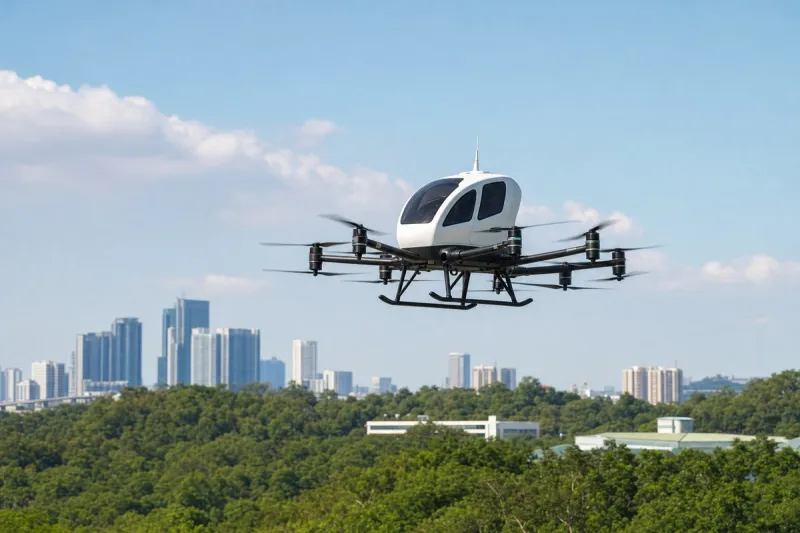
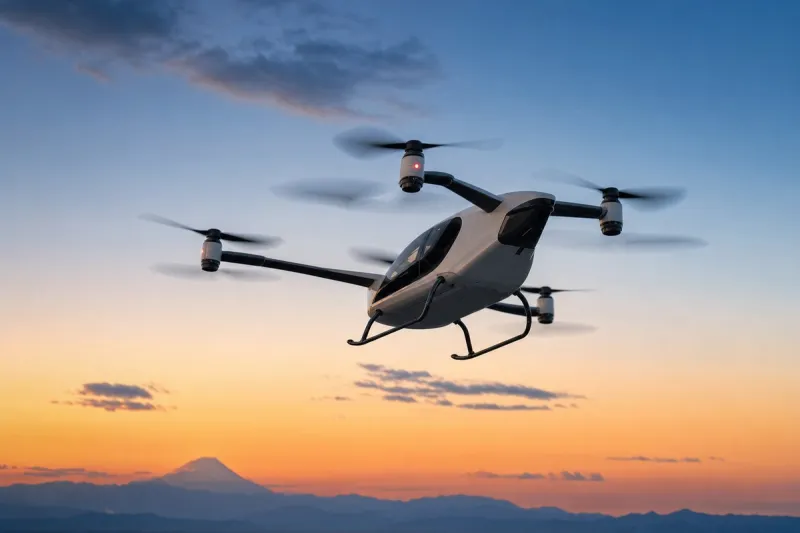
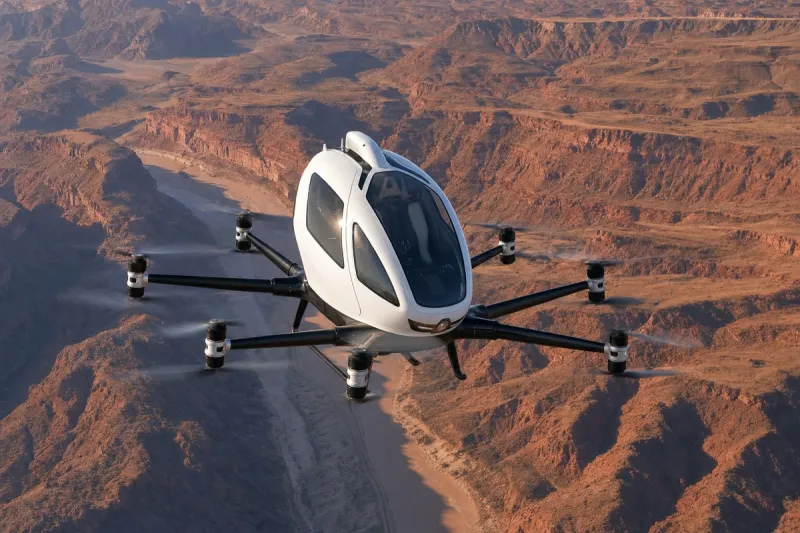
In China, the Civil Aviation Administration of China granted type certification to EHang's EH216-S autonomous passenger aircraft in October 2023, and in March 2025 two operators received authorisations for commercial passenger-carrying operations with the type. Initial commercial activity has largely centred on aerial sightseeing and tourism; evolving into regular urban transport networks is described as a different challenge requiring sufficient frequency, reliability, capacity and pricing. The analysis describes Asia as not a single market: Japan and South Korea have run their own programmes covering technology, demonstrations and regulatory preparation, Thailand is positioning itself as a venue for international cooperation through the ICAO symposium, and Kazakhstan's Alatau City raises the question of planning air mobility infrastructure into a new city.
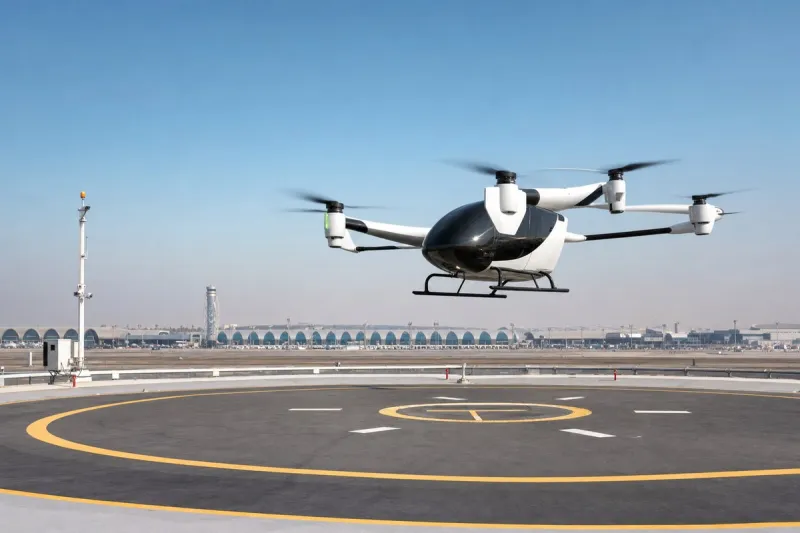
In the United Arab Emirates, Dubai's planned electric air taxi network involves the Roads and Transport Authority, Joby Aviation and Skyports Infrastructure. The analysis says the 2026 conflict involving Iran, the United States and Israel brought Iranian missile and drone attacks that affected buildings and infrastructure in the Emirates, disrupted airport operations and pressured hospitality and tourism. It notes there is insufficient evidence to conclude the conflict has made Dubai's UAM programme commercially unviable, and that vertiport development and regulatory approvals continued.
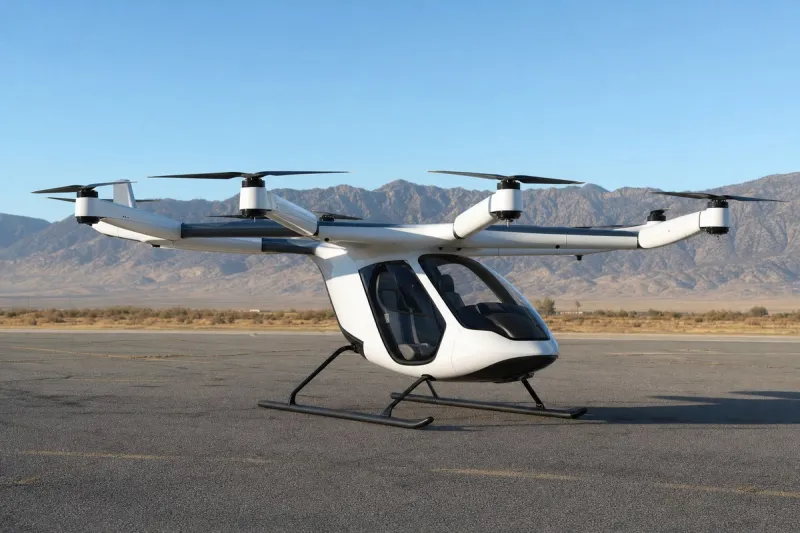
In the United States, the Federal Aviation Administration adopted a regulatory framework for powered-lift aircraft in 2024, covering pilot qualifications and operations. The author stresses that regulatory readiness does not establish market readiness, and that a shorter flight time does not necessarily mean a shorter door-to-door journey. In Europe, the European Union Aviation Safety Agency has developed technical specifications for vertiports and provisions for operations involving new aircraft categories. The analysis says UAM in European cities, which already have extensive rail, metro, tram, road and maritime networks, should be evaluated as a complement to existing services, and that choosing not to build a vertiport can be a sound planning outcome.