Dutch Court Rejects Challenges, Making Schiphol's Cut From Six Ground Handlers to Three Final
Why It MattersSchiphol's concession model, resting on EU rules that allow member states to limit handler numbers, shows how a major hub can consolidate ground handling around an airline-linked incumbent and survive incumbent challenges.
The District Court of The Hague ruled on 23 September 2026 against Aviapartner, Menzies Aviation and Swissport, rejecting all objections the three companies raised against Amsterdam Airport Schiphol's ground handling tender. The decision makes final Schiphol's reduction of its ground handling companies from six to three. The court refused a request by Swissport's works council to join the proceedings on Swissport's side.
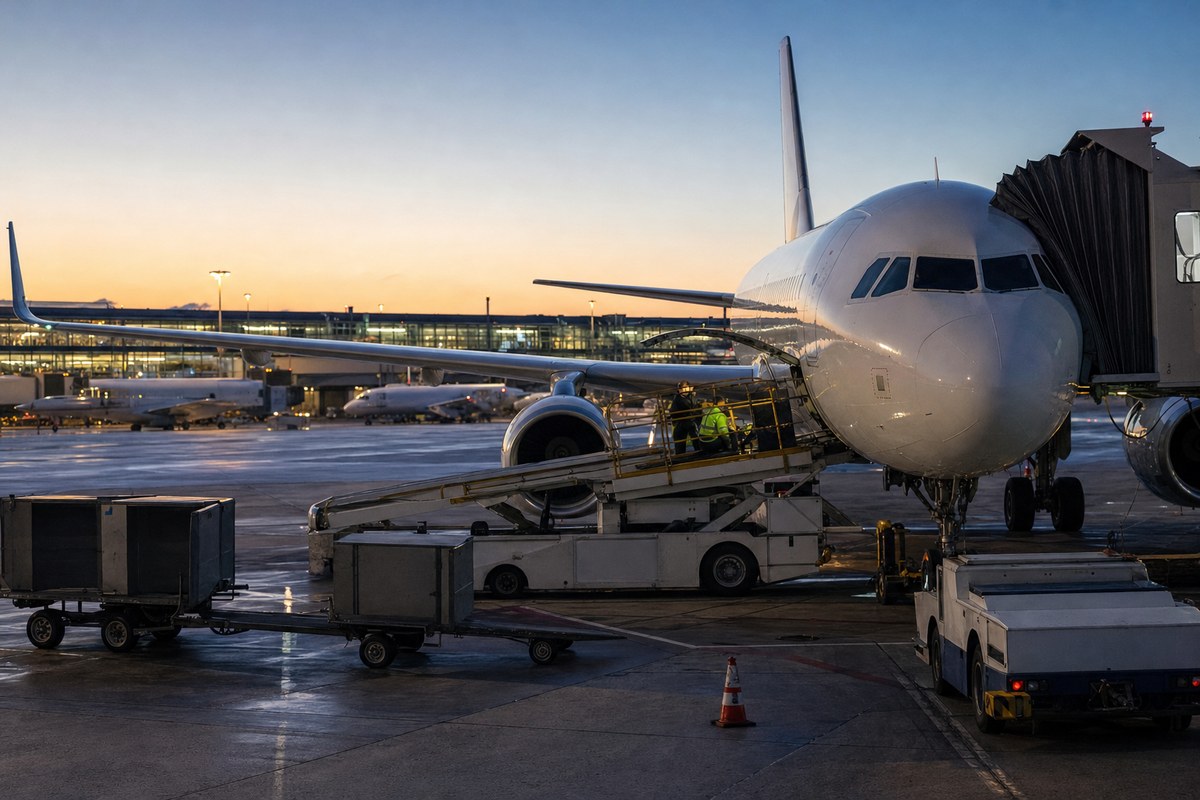
Schiphol launched the tender in December 2025 as part of a move from an open ground handling market to a regulated concession model covering baggage handling and apron services. In June 2026 it provisionally selected dnata, KLM and Viggo. The three unsuccessful incumbents each brought summary proceedings (kort geding), and a joint oral hearing was held on 2 September 2026, with dnata, KLM and Viggo intervening on Schiphol's side. The challengers' objections included questions about the evaluation of bids, KLM's position as both an airline and a ground handler, dnata's selection, and whether Viggo would have enough staff and resources. The court rejected the claims, so the provisional awards became final.
Under the new arrangement, airlines remain free to choose among the three providers. The new setup is due to start on 28 March 2027, and airlines and the selected handlers are now preparing new contracts and operational arrangements. Schiphol says job-to-job continuity is a key principle, with a shared mobility pool to help employees of handlers without concessions move to the selected companies, preserving salary, working hours, contract type, length of service and other conditions as far as possible.
The framework rests on EU Directive 96/67/EC, in force since 1997, under which member states may limit the number of suppliers for categories such as baggage and ramp handling to a minimum of two. At least one supplier in a limited market must be independent of both the airport and the dominant airline, which at Schiphol is KLM.