Washington State Reaches 20 Million-Gallon SAF Capacity Threshold, Triggering Per-Gallon Tax Credit From Jan. 1
Why It MattersA state-level credit stacked on a clean fuel standard shifts SAF economics at the producer end, adding to the patchwork of state incentives now competing to attract fuel supply.
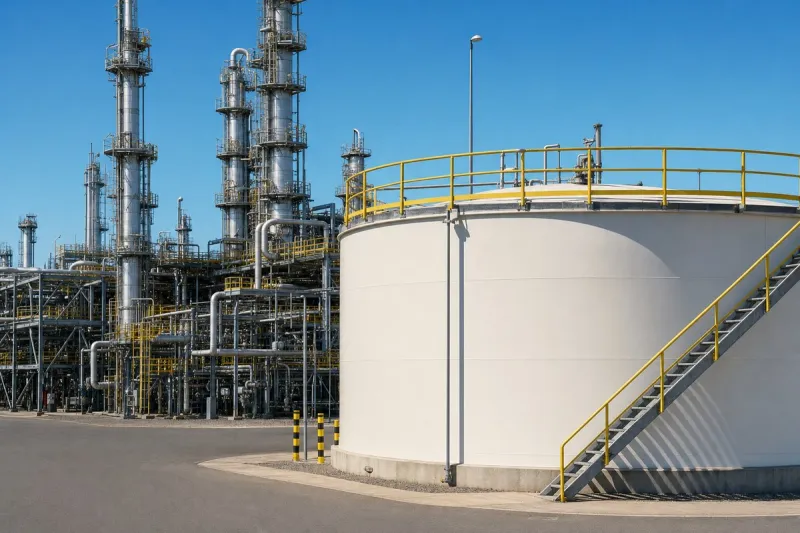
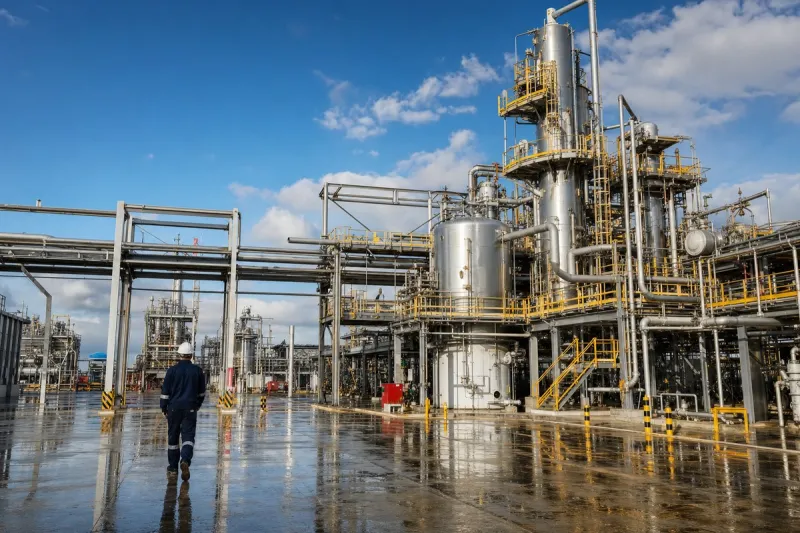
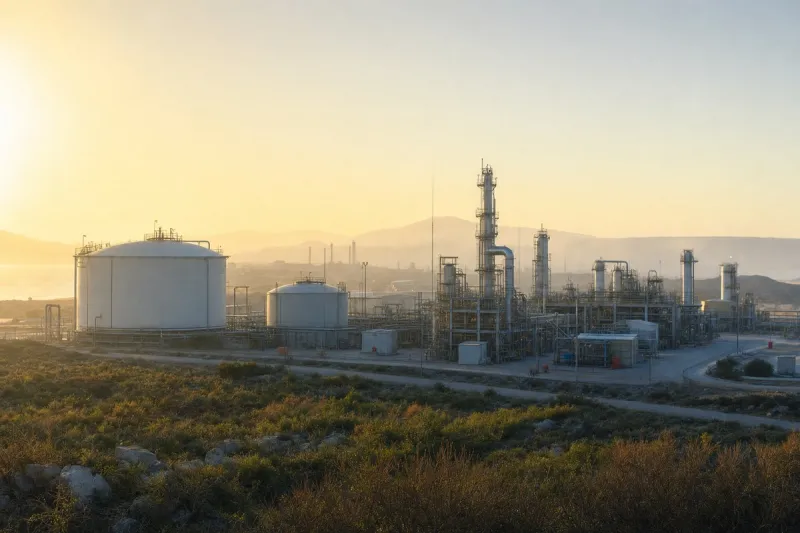
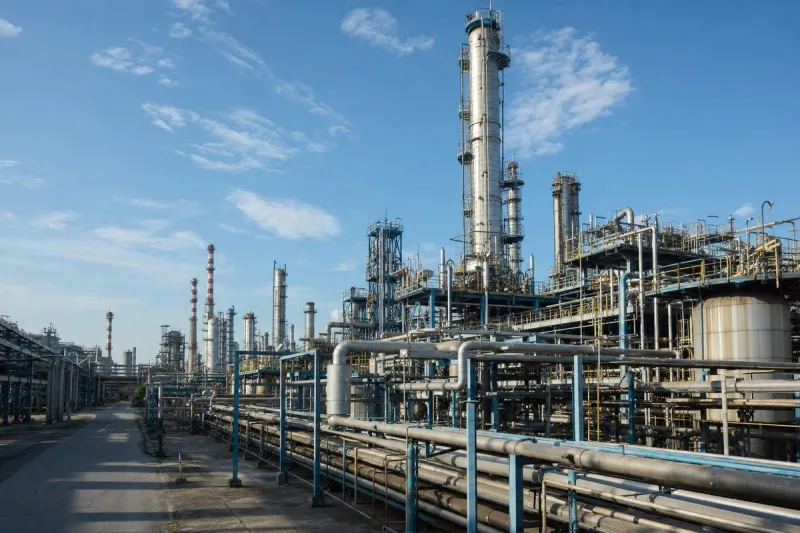
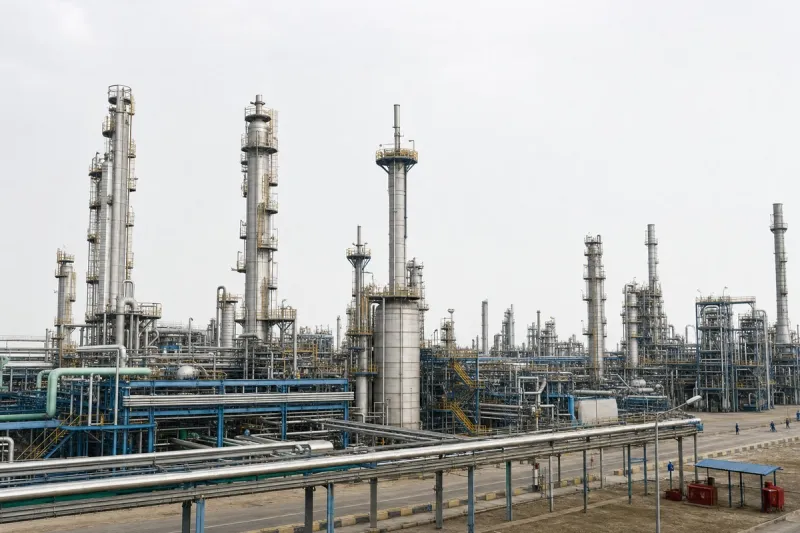
Washington Gov. Bob Ferguson announced Friday that the state has reached the capacity to produce at least 20 million gallons of sustainable aviation fuel (SAF) annually. The milestone triggers tax incentives taking effect Jan. 1, including a tax credit starting at $1 per gallon for qualifying fuel, rising to as much as $2 for fuels with greater emissions reductions. The credit requires emissions at least 50% below those of conventional jet fuel. The Department of Ecology surveyed potential producers and confirmed that Phillips 66's Ferndale refinery alone has enough capacity to meet the threshold. The benchmark measures production capacity, not actual output, and with it met, all Washington SAF producers become eligible for the credit regardless of their volumes.
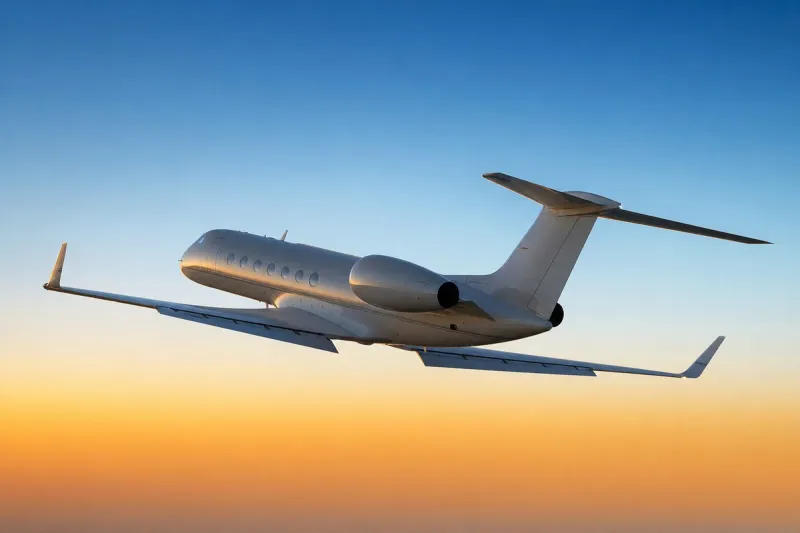
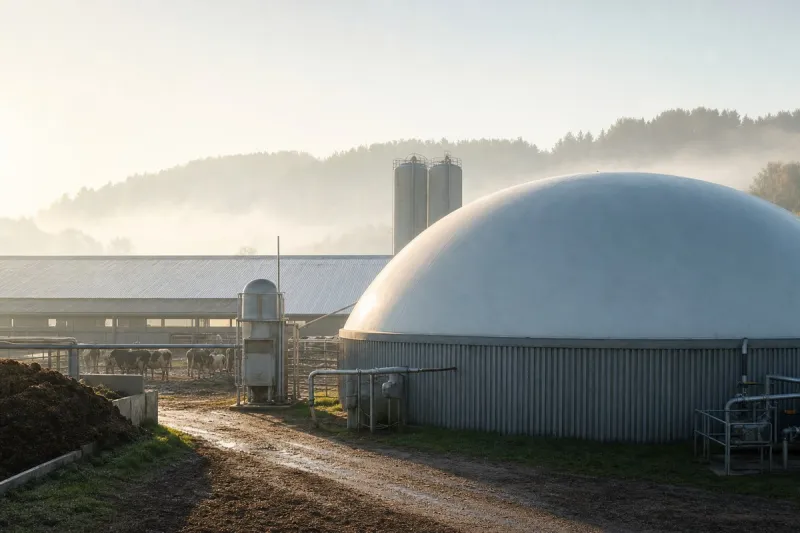
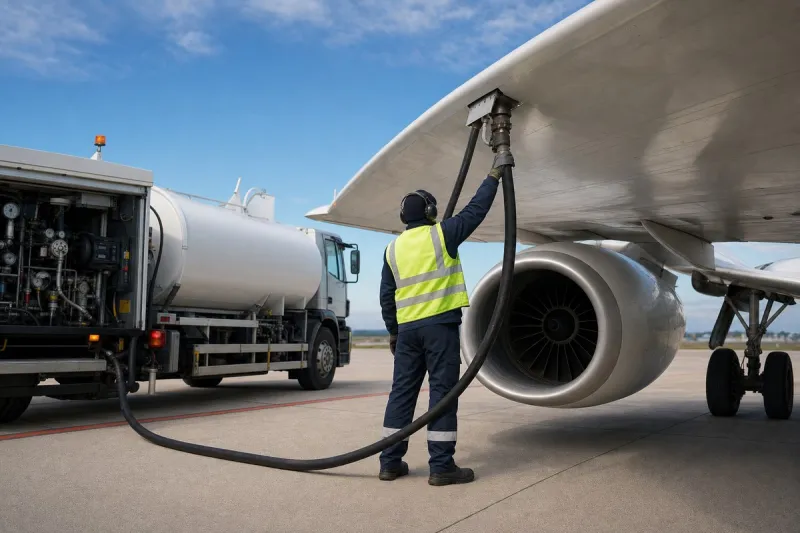
SAF can be made from used cooking oil, grease and fats, plants and agricultural waste, and captured carbon, and can be blended with conventional jet fuel for use in existing aircraft. It remains more expensive than petroleum-based fuel, and production is far below industry needs. By comparison, a Diamond Green Diesel plant in Texas can produce up to 235 million gallons of SAF annually, according to its partner Valero; that figure also represents capacity. Startup Twelve opened its AirPlant One facility in Moses Lake last year and began commercial SAF production this summer from captured carbon dioxide and water; it is designed to make up to 50,000 gallons per year, and a much larger AirPlant Two, intended to produce tens of millions of gallons annually, is in development at an undisclosed location. Dutch-owned SkyNRG is building a SAF facility in Walla Walla, planning to use renewable natural gas captured at landfills and from dairy waste, with commercial operations targeted for 2030.
Washington faces competition from other states: Illinois and Minnesota already offer SAF credits, and Nebraska's program starts next year. A federal credit was reduced from $1.75 to $1 per gallon after President Donald Trump returned to office. Washington is the only state offering both a SAF tax credit and a clean fuel standard, which lets SAF producers earn credits to sell to fuel suppliers that must meet state emissions requirements.