FAA Announces Four Regulatory Actions to Streamline Commercial Space Licensing, Plans 2027 Overhaul
Why It MattersFaster licensing and priority airspace for launch routes signal that commercial space operations will compete more directly with aviation for airspace and regulatory attention as launch cadence climbs sharply.
U.S. Transportation Secretary Sean P. Duffy announced four regulatory actions by the Federal Aviation Administration (FAA) to streamline commercial space launch and reentry licensing, along with plans for a major regulatory overhaul in 2027. The Department also announced a hiring initiative for the FAA's Office of Commercial Space Transportation.
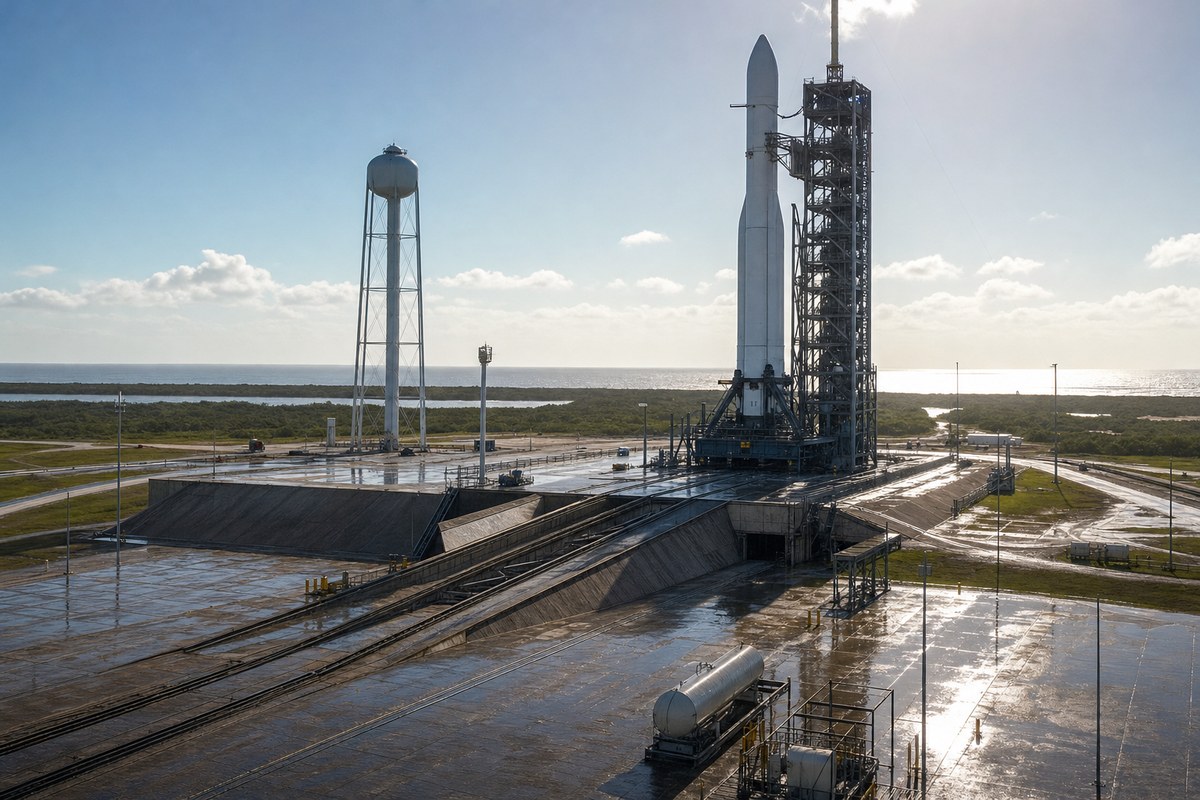
The four actions are: a proposed rule defining when a flight abort is not mandatory and allowing operators to toggle abort capability during flight; a proposed rule clarifying the requirements and thresholds for when an abort must occur; a proposed rule letting operators account for vehicle breakup to rule out high-consequence multi-casualty events during random reentry; and a final rule applying minor technical corrections across commercial space rules. The Department said the actions cut regulatory burdens and enhance operational flexibility without compromising FAA safety standards.
The FAA will initiate a comprehensive overhaul of its licensing framework in 2027 to keep pace with commercial space innovation and support an anticipated cadence of 1,000 launches per year by 2030. The agency is expanding the Office of Commercial Space Transportation workforce with an Associate Administrator and a new team of aerospace engineers, who will conduct safety analysis, evaluations and mission authorizations to speed up application turnaround. Applications must be received by December 4.
The U.S. was responsible for 217 of the 329 commercial space launches worldwide in 2025, and the number of FAA-licensed launches and reentries is expected to rise to 10,000 a year by 2035.
The FAA also issued a proposed rule that would allow the agency to waive unnecessary environmental laws and regulations that are impeding American space innovation. In addition, the FAA is asking the public and industry for ideas on where to build new spaceports and on creating "priority airspace" for space-launch routes.
U.S. Under Secretary for Transportation Ryan McCormack said the SPACE Task Force is working to reform licensing and environmental regulations, identify new spaceport locations, create priority airspace for launches and hire the necessary workforce. FAA Administrator Bryan Bedford said the agency is "clearing the regulatory runway" for commercial spaceflight.