Purdue-Owned Windracers ULTRA Is First Autonomous Aircraft to Fly BVLOS in Indiana Drone Corridor
Why It MattersAdding Indiana as a new FAA uncrewed-aircraft test site widens the U.S. testing network for long-range autonomous cargo aircraft, giving operators another venue to validate beyond-line-of-sight operations.
Windracers announced on November 2, 2026 that a Windracers ULTRA autonomous aircraft owned by Purdue University was the first autonomous aircraft to complete a beyond visual line of sight (BVLOS) flight in the new Indiana Drone Corridor. The flight covered more than 50 miles of a corridor that stretches over 200 miles, and took place during the corridor's opening event at Terre Haute Regional Airport. Speakers included Mike Braun of Indiana, Senator Todd Young and Representative Mark Messmer, who also watched the ULTRA perform an autonomous parachute resupply demonstration.
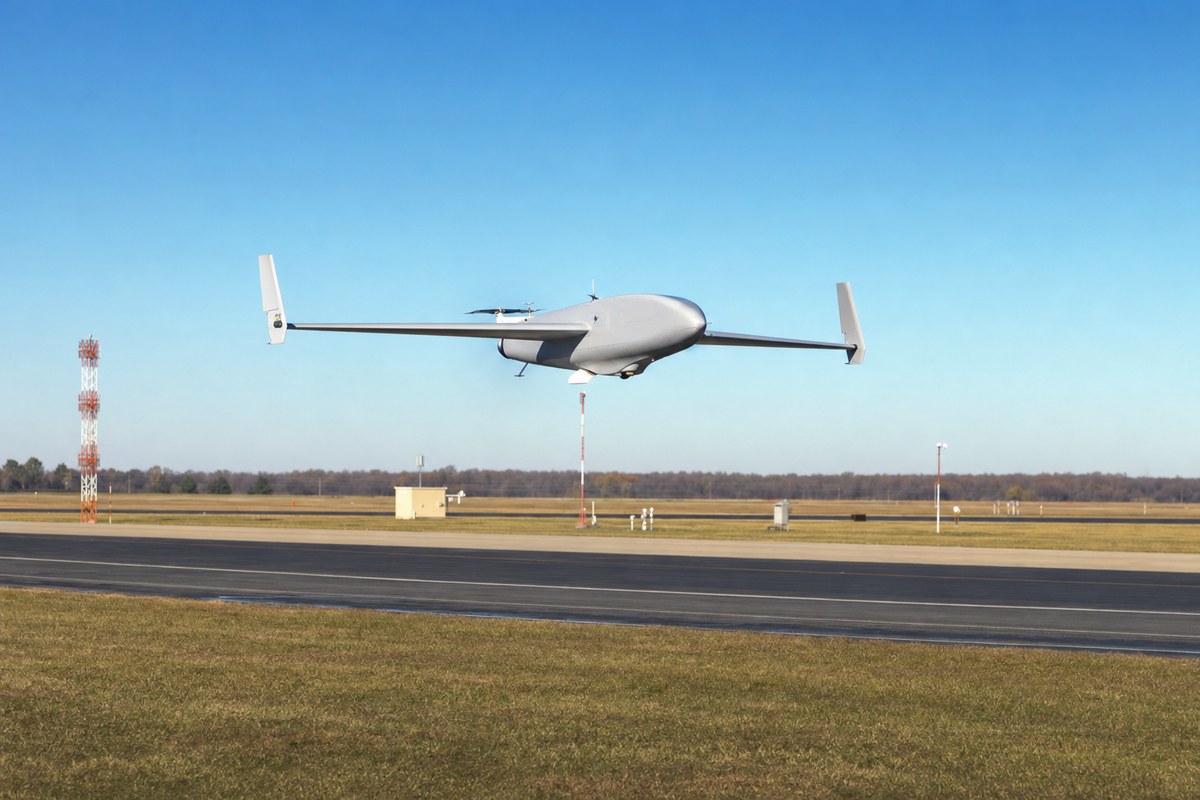
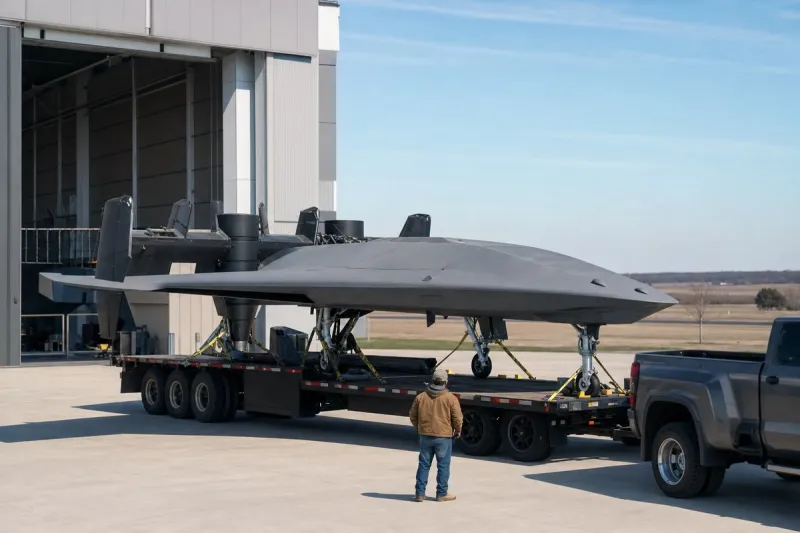
The ULTRA has an aluminum airframe with a 10-meter (33-foot) wingspan and flies autonomously using a proprietary flight control system. A three-bay drop door configuration lets it release cargo in flight. According to Windracers, the aircraft has a range of 2,000 kilometers (1,242 miles), a payload of 200 kilograms (441 pounds) and 15 hours of endurance.
The Department of Transportation and the FAA announced that the Indiana Economic Development Corporation and the Applied Research Institute (ARI) would manage the corridor. It is one of two new FAA test sites for uncrewed aircraft systems, joining existing sites in Alaska, New Mexico, Nevada, New York, North Dakota, Texas and Virginia. Purdue works with Windracers on autonomous air system safety and efficiency through its AIDA program, and will make its ULTRA available for test and evaluation of use cases relevant to Indiana, including dropping emergency supplies by parachute to communities affected by seasonal flooding.
The Indiana flight was the ULTRA's second BVLOS flight in the United States. On August 19, 2026, the aircraft completed a 670-mile flight in Alaska to assess whether anti-doping blood samples can travel long distances while maintaining their integrity. The Alaska Center for Unmanned Aircraft Systems Integration at the University of Alaska Fairbanks conducted that flight through a partnership of the International Testing Agency and Sysmex America.