Jefferson County Zoning Rules Complicate Colorado Pilot's Driveway-to-Work Electric Plane Commute
Why It MattersThe dispute shows that electric aircraft ambitions can be constrained at the local land-use level, where county zoning rather than aviation regulators determines whether home-based flying is possible.
What happened
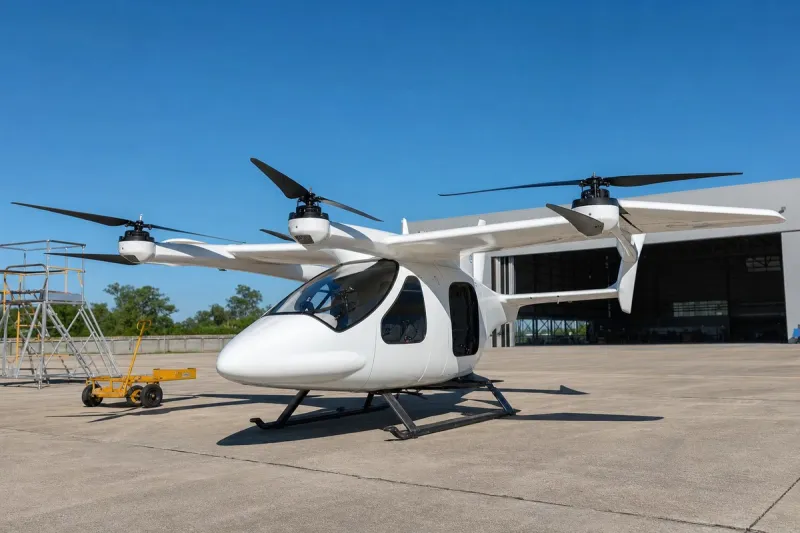
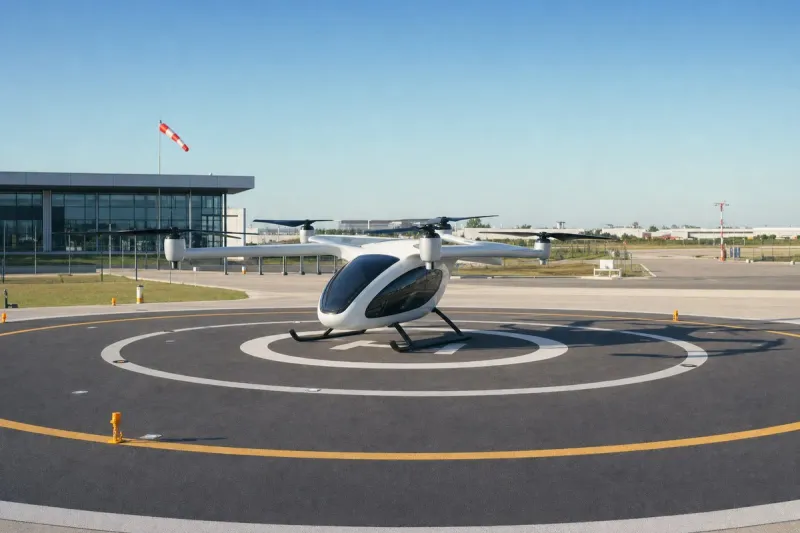
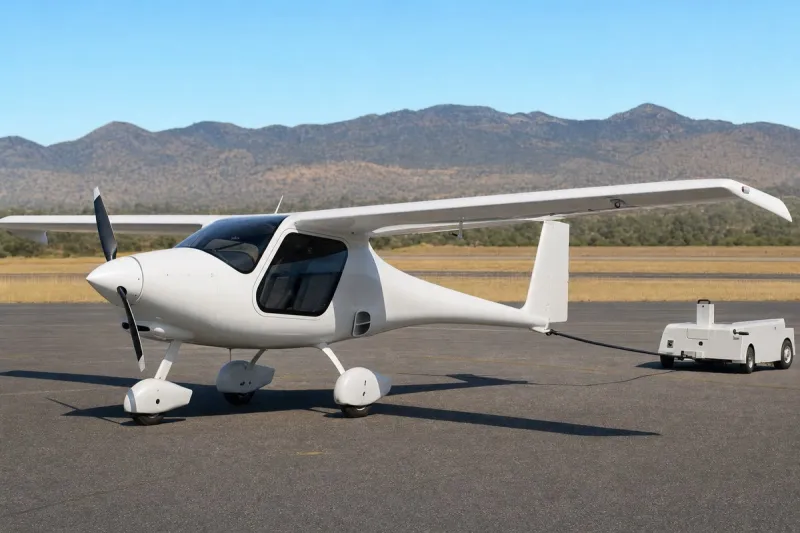
A pilot in Colorado has run into Jefferson County zoning rules while trying to fly an electric plane from his driveway to work. AVweb described the situation, in which the county's land-use regulations have complicated the commute the pilot has in mind.
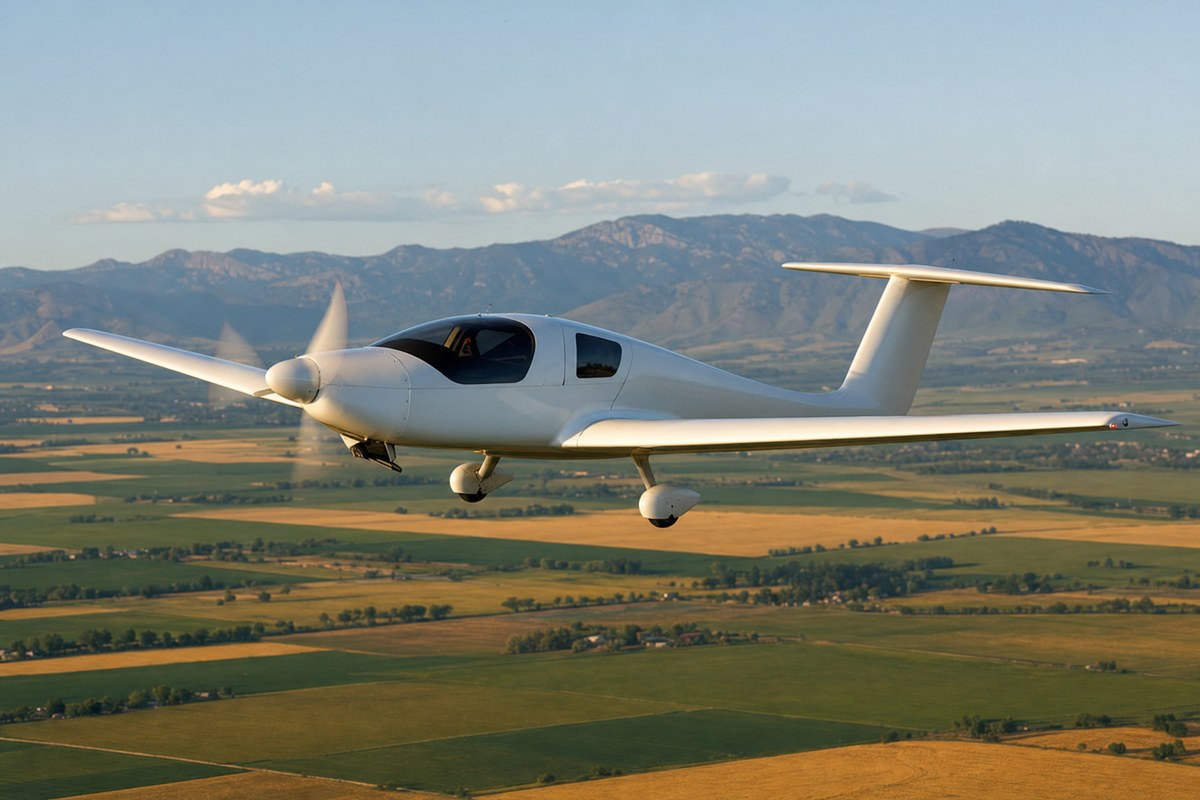
The account centres on a dispute between the pilot and the county over whether and how the flights can be conducted from a residential property. The report was published on October 29, 2026.
Industry impact & what to watch
Zoning is set by counties and municipalities, not by aviation authorities, which means a pilot can hold every certificate and an aircraft can be fully airworthy while a residential address still cannot legally serve as a departure point. Electric aircraft are often promoted for short, low-cost, point-to-point trips, and a driveway-to-work commute is an extreme version of that idea. Cases like this show how quickly the concept meets local land-use law.
For the wider electric and advanced-air-mobility segment, the practical bottleneck for many early uses is ground-side permission: where aircraft may take off, land and be based. Any county that has to rule on a single resident's flights is effectively writing precedent for how it will treat later requests, including those from small operators with electric aircraft.
The next point to follow is how Jefferson County resolves the dispute, whether through a zoning interpretation, a variance or a rule change, since that outcome would show how a county treats electric home-based flying.