Vertical Aerospace Targets Passenger Flights in 2030 for Four-Seat Valo Electric Air Taxi
Why It MattersConditional orders from major airlines show eVTOL demand is being signalled well ahead of certification, leaving regulatory approval, infrastructure and operator readiness as the gating factors for the segment.
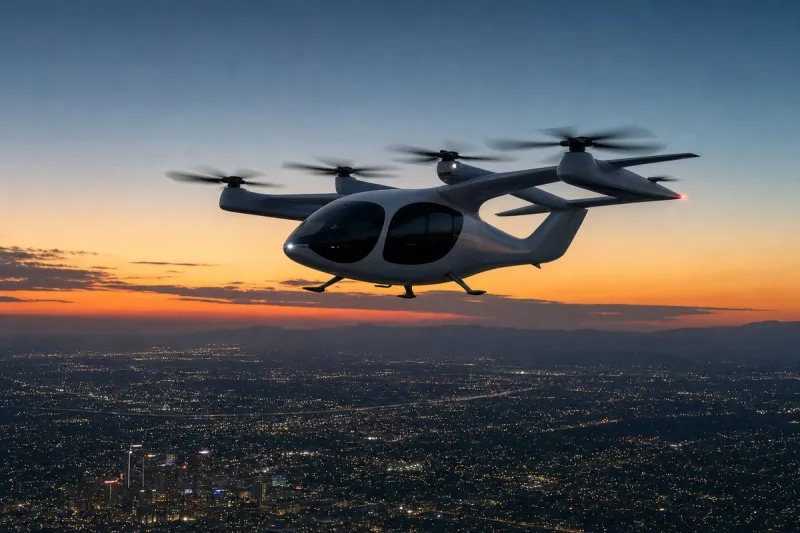
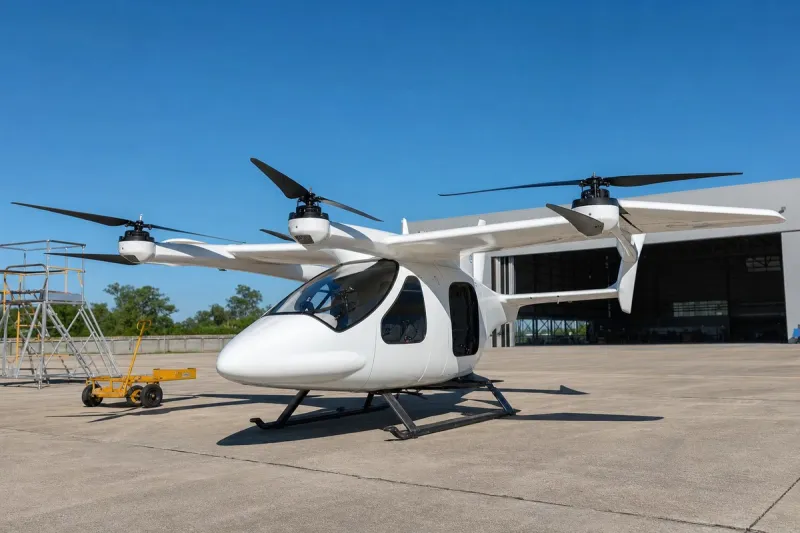
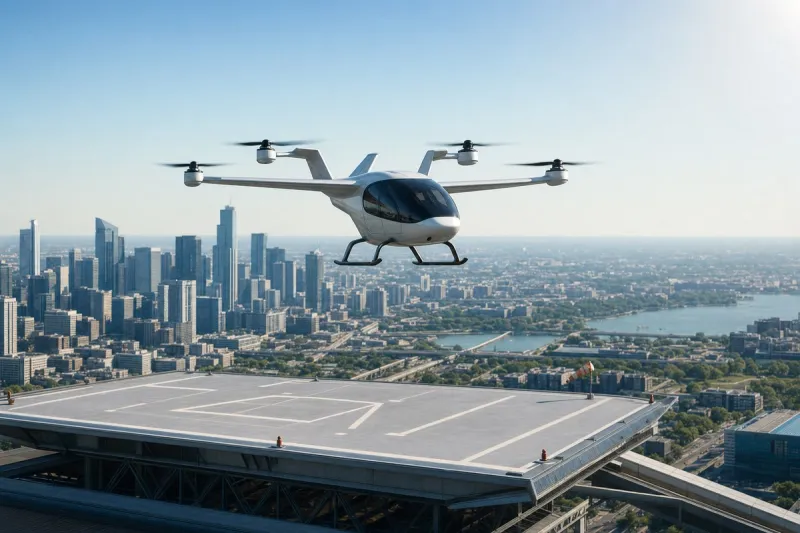
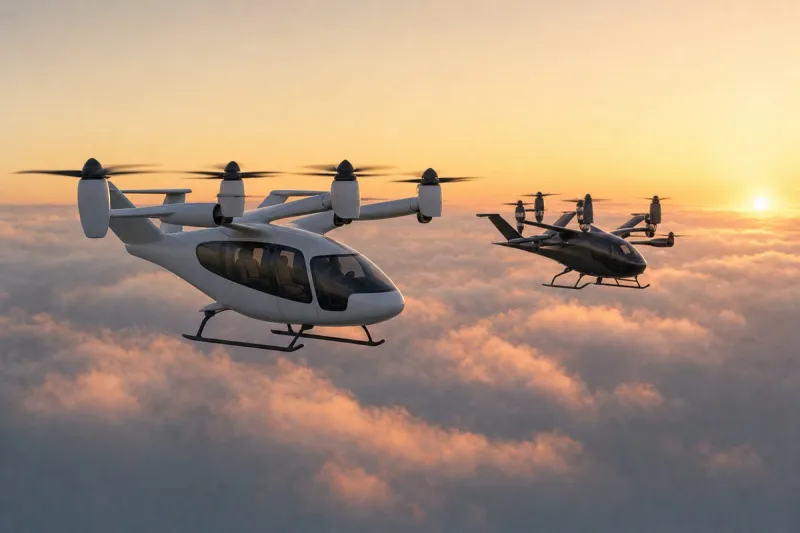
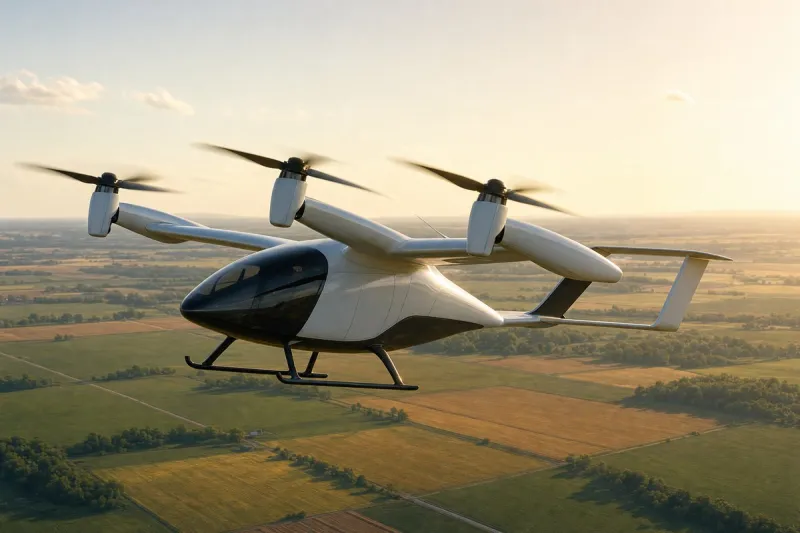
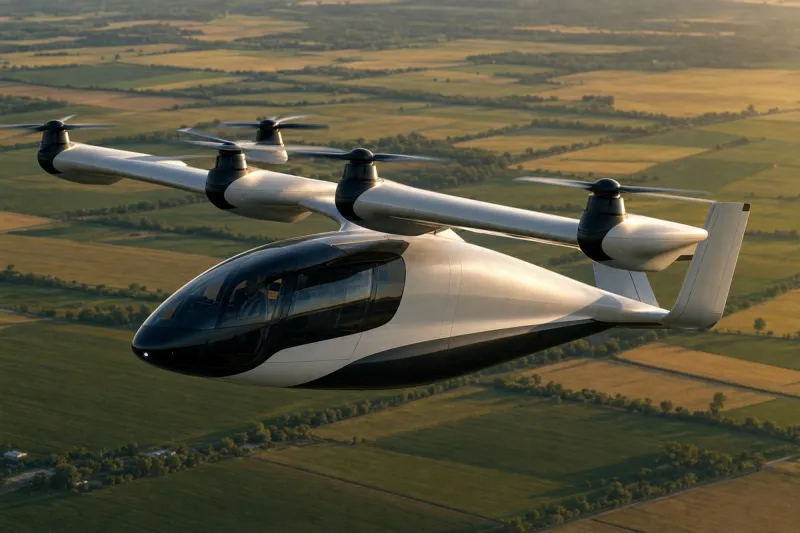
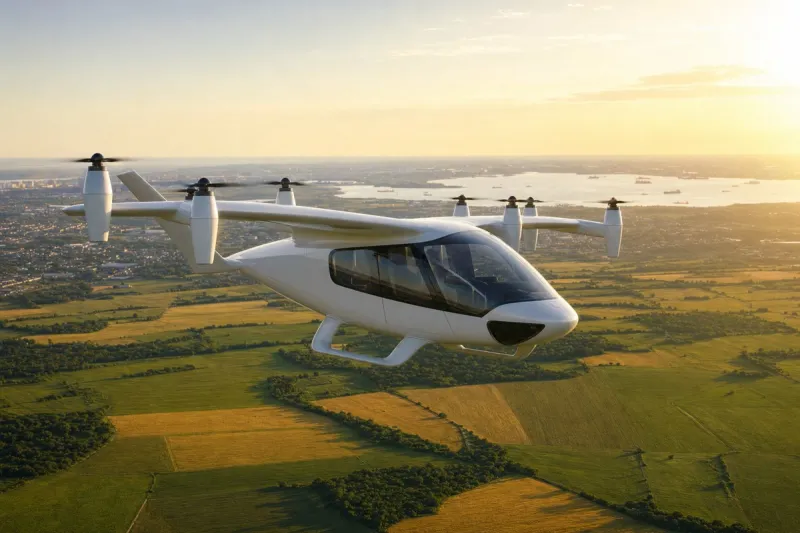
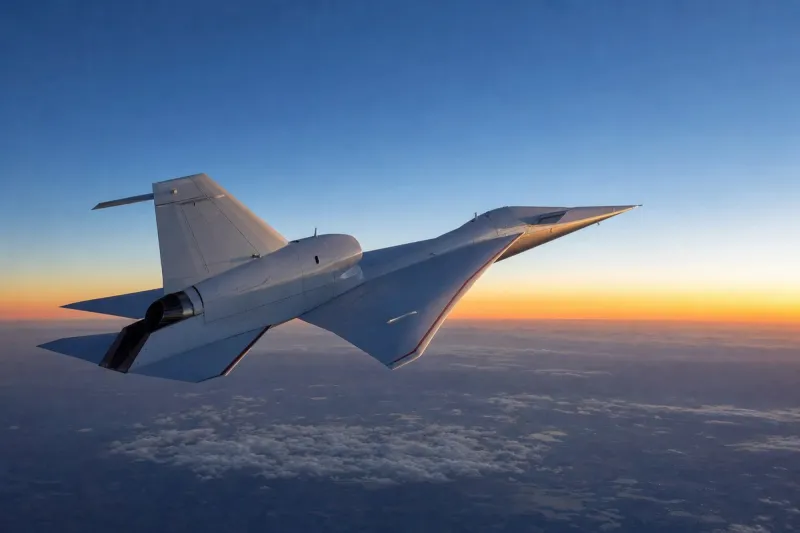
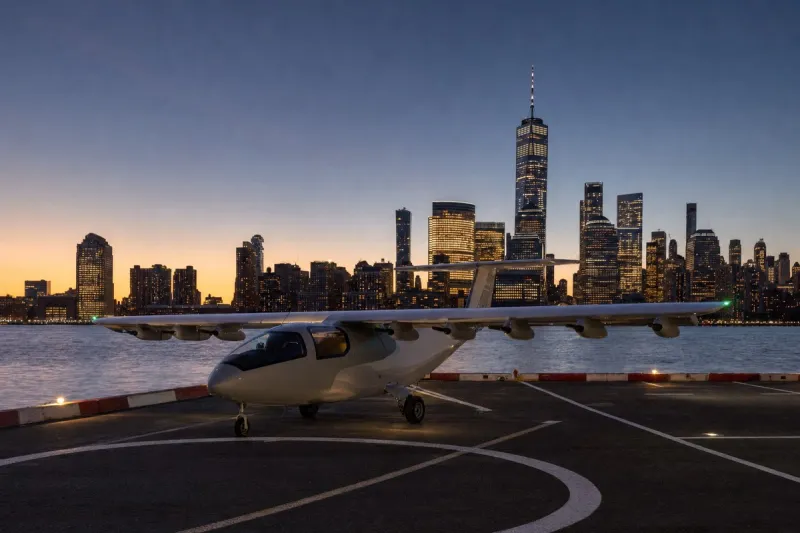
Vertical Aerospace, a British aerospace company, demonstrated its electric vertical takeoff and landing (eVTOL) aircraft publicly at the Farnborough International Airshow. The aircraft takes off vertically, transitions into conventional wing-borne forward flight, and lands without a runway.
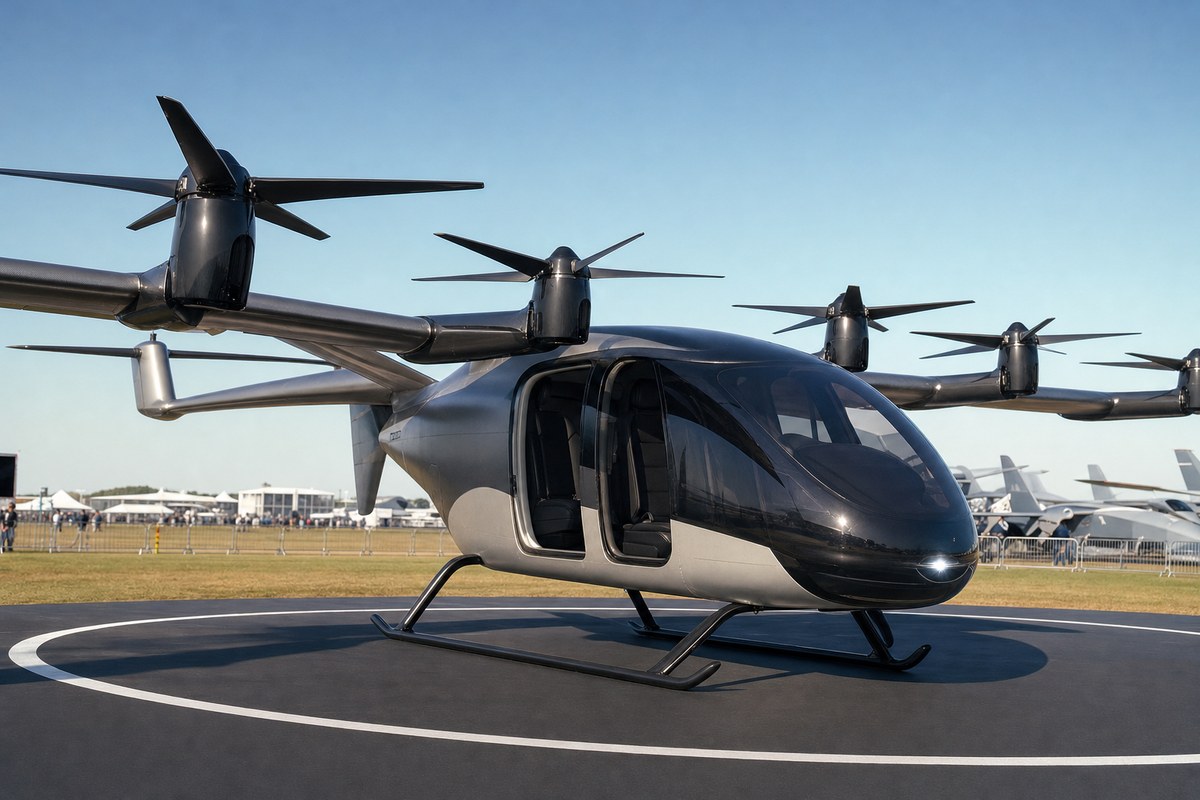
The proposed passenger aircraft is called Valo. Chief executive Stuart Simpson said the passenger configuration carries four travellers, luggage and a professional pilot, with flights provided by commercial operators rather than flown by passengers. He set out a schedule: the first certification aircraft is to be built and flown in Q1 2028, the aircraft certified in 2029, and passenger service begun in 2030. These are targets rather than guarantees, and successful flight testing is not the same as certification for carrying paying passengers. U.S. aviation regulators have already established rules for powered-lift pilot qualifications and operations.
Simpson said the cost per seat per mile is the same as an Uber Black or a London black cab. That is an operating-cost comparison, not an announced passenger fare, and no universal ticket price has been confirmed for Valo operations. Vertical is targeting a maximum all-electric range of approximately 100 miles, with many everyday missions expected to cover about 60 to 70 miles, and a hybrid-electric version is also being developed for missions needing greater range.
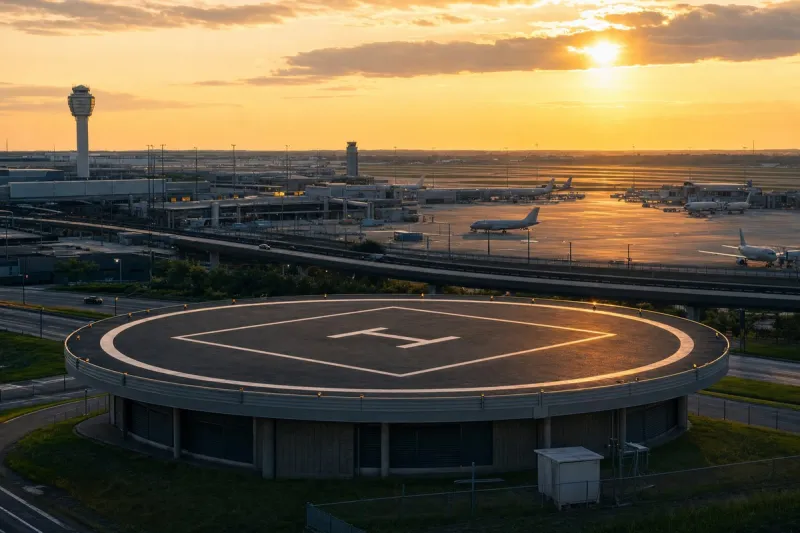
The company reports approximately 1,500 conditional aircraft pre-orders across several international markets. American Airlines is among the customers, with an agreement covering up to 250 aircraft and options for another 100. These are not completed sales or delivered aircraft, and some require further contractual agreements and conditions before becoming binding. Commercial adoption will also depend on certification, production, approved routes, takeoff and charging infrastructure, maintenance, community noise concerns, and air traffic rules for operating alongside helicopters and conventional aircraft.