CAPA Analysis: Airline AI Shifts From Experimentation to Agentic Systems That Execute Tasks, Discussed at T2RLEngage
Why It MattersIf AI agents become the shopper, airline offers that machines cannot read and act on risk dropping out of consideration sets, pushing retailing and distribution towards structured, executable content.
A CAPA - Centre for Aviation analysis, drawing on discussions at T2RLEngage in London in Sep-2026, says artificial intelligence in aviation is moving from experimental tools such as text generation and data summarisation towards agentic systems that interpret an objective, interact with different systems and execute tasks within defined parameters. It covers airline retailing, distribution, revenue management, customer service, disruption management and operations. Richard Clarke, CEO of T2RL, said at the 2026 edition that AI was "almost nowhere two years ago", but that the focus on executing transactions has now become massive, with progress moving at an incredible pace.

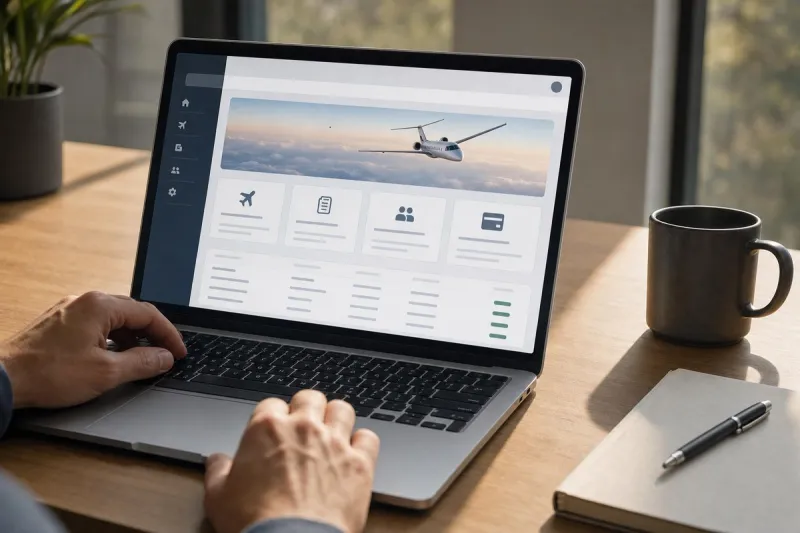
A central theme is the emergence of AI agents as intermediaries between travellers and airlines. Surain Adyanthaya of PROS said AI agents are increasingly becoming the shopper, yet many airline offer platforms were not designed to be read and acted upon by machines. Airline websites have traditionally been built for human users, whereas AI agents need structured information they can retrieve, interpret, compare and act on reliably. Airlines that do not make offers machine-readable and executable risk being excluded from AI-agent consideration sets.
The analysis argues that AI's value will be measured by impact rather than intelligence, through embedding it into end-to-end workflows to deliver faster decisions, lower friction and new revenue. It stresses that automation should not be confused with unlimited autonomy, since aviation decisions can affect passengers, aircraft, crew, airport operations, commercial commitments and regulatory obligations, so airlines must decide where decisions can be automated and where human approval remains necessary. The main obstacles identified are legacy systems, fragmented data and integration complexity.
PROS, whose representative spoke at the event, was founded in 1985 and provides AI-powered dynamic pricing, CPQ and revenue management solutions. It became a dedicated travel technology company in Feb-2026, focused on enabling airline retailing, and its travel business operates as a standalone platform investment under an agreement with Thoma Bravo. Its B2B business was acquired by Conga, a Thoma Bravo company, in a transaction that closed on 02-Feb-2026.