Report Projects Global eVTOL Market at USD 0.3-0.6 Billion by 2026, Growing 50%-80% Annually Through 2031
Why It MattersNear-term eVTOL revenue is positioned in cargo, defense, tourism and regional applications ahead of dense urban passenger networks, so certification pace and charging infrastructure govern how fast the segment scales.
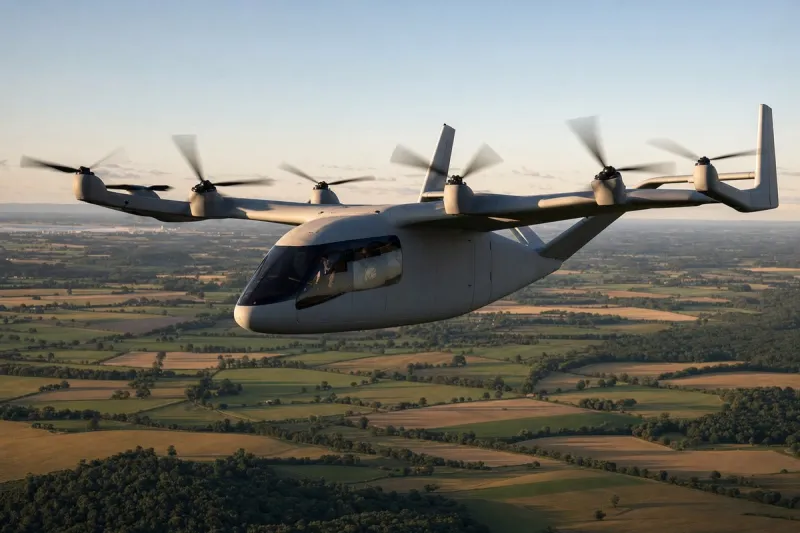
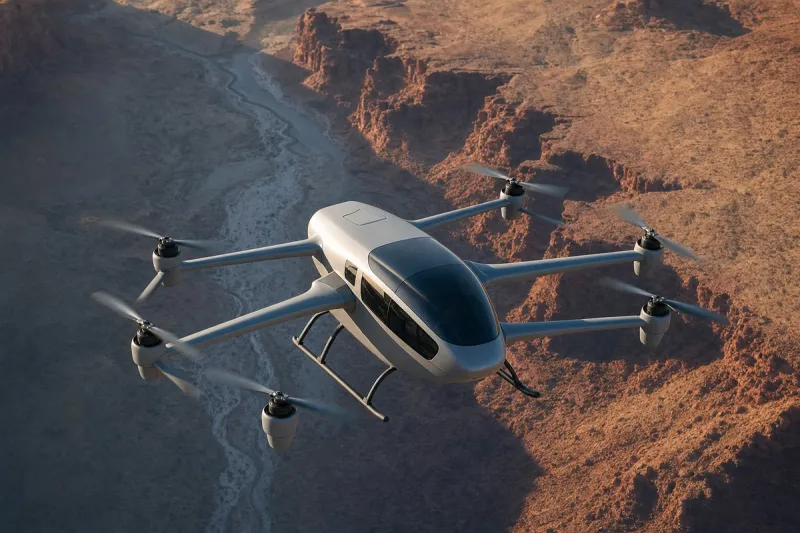
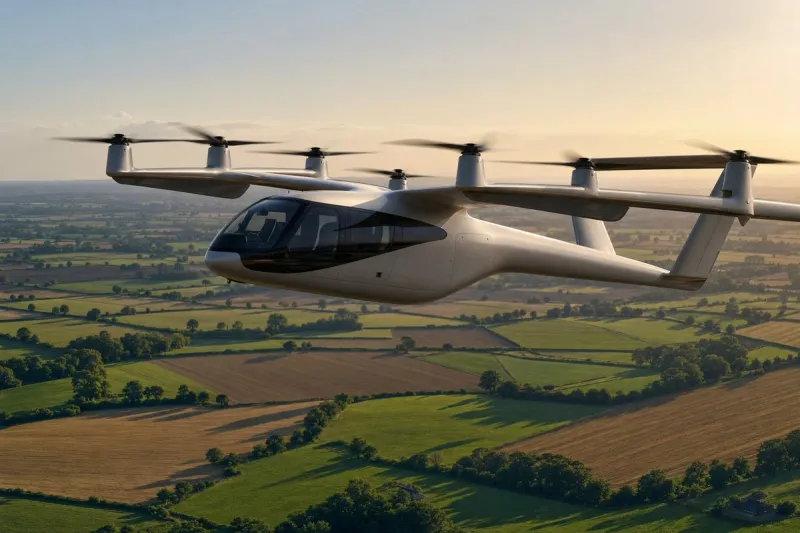
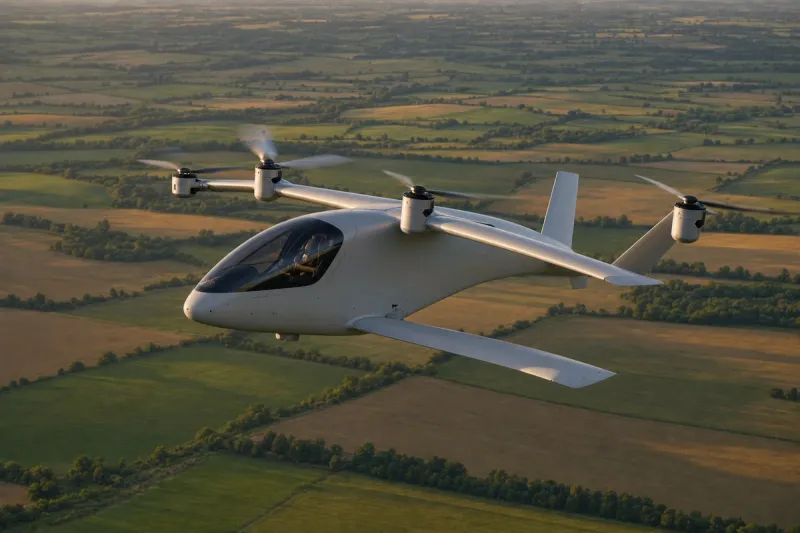
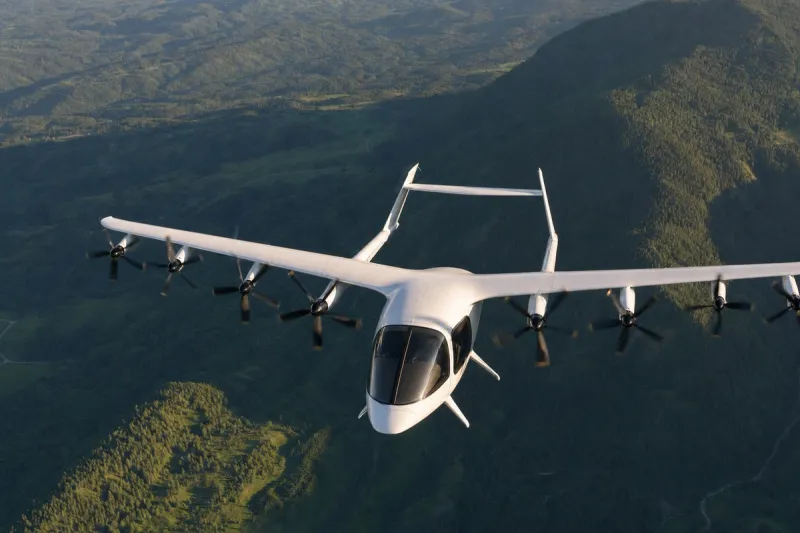
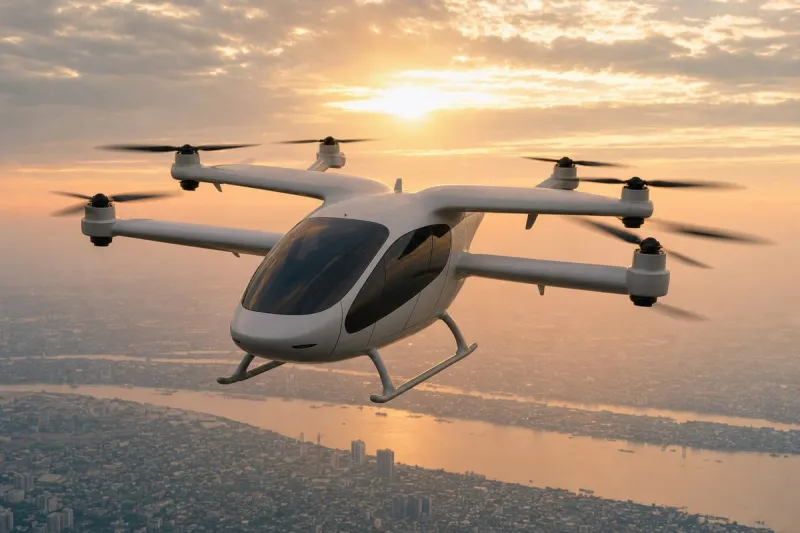
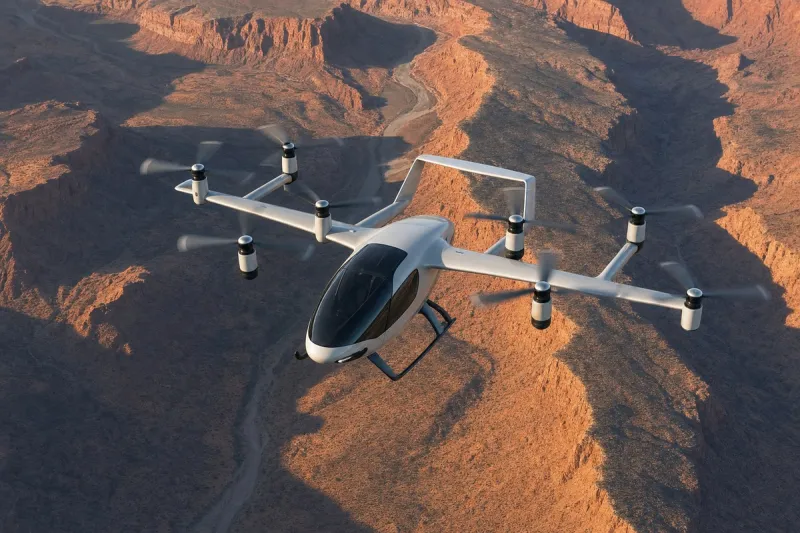
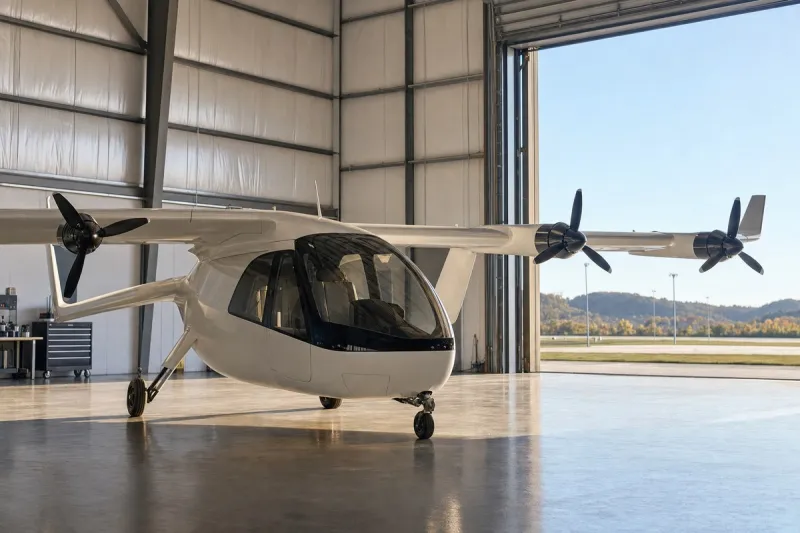
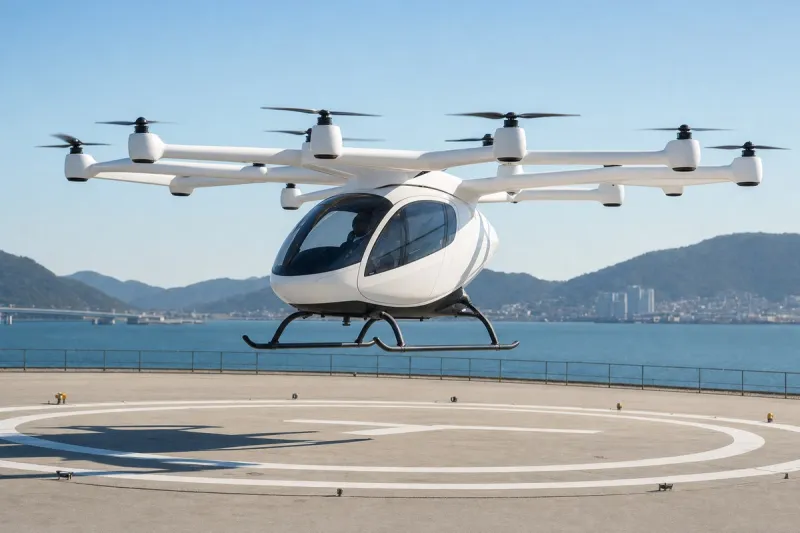
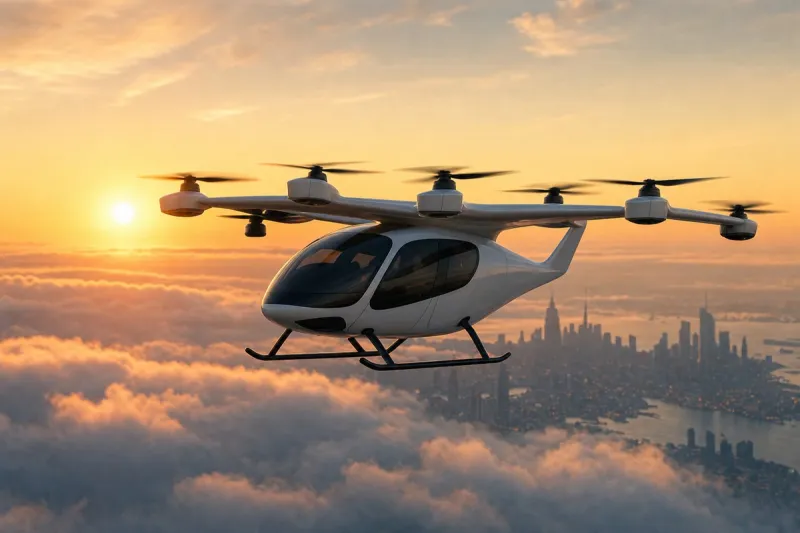
The global electric Vertical Take-Off and Landing (eVTOL) aircraft market is projected to reach USD 0.3-0.6 billion by 2026 and grow at a compound annual rate of 50%-80% from 2026 through 2031, according to a market research report. The report describes the sector as moving from venture-backed technology demonstration toward regulated, capital-intensive industrialization. Growth is attributed to regulatory alignment, localized vertiport infrastructure, advanced electric propulsion, and demand across passenger mobility, defense, logistics, emergency response and regional transportation.
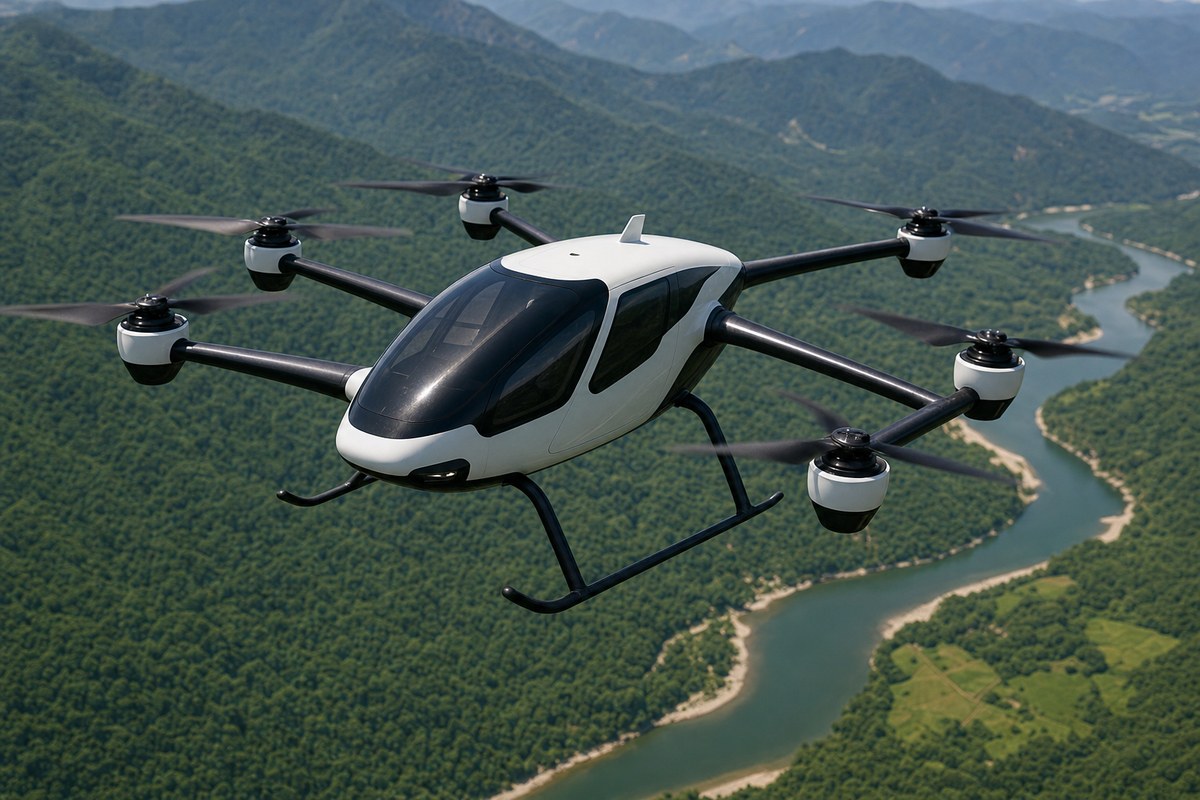
In North America, U.S. Air Force programs including Agility Prime and REFORPAC give developers testing opportunities, operational data and non-dilutive funding, while the federal eVTOL Integration Pilot Program (eIPP) supports cargo, logistics and emergency-response trials. In Asia-Pacific, China leads near-term commercialization under its "low-altitude economy" policy. The Civil Aviation Administration of China has issued Type, Production and Airworthiness Certificates for pilotless passenger-carrying multicopters, enabling commercial sightseeing and logistics operations.
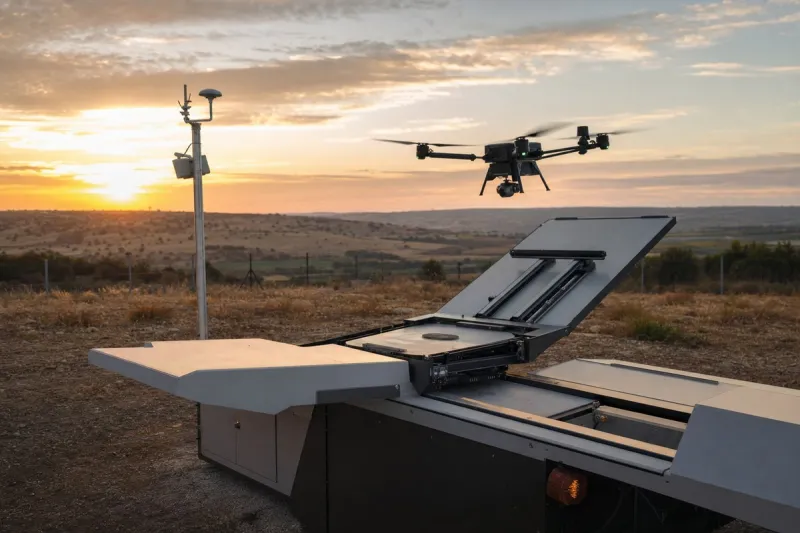
The report identifies high-power lithium-ion batteries, carbon-fiber composites, electric propulsion units, avionics and redundant flight-control systems as key upstream components, with battery energy density and thermal management decisive for range, payload and certification. Downstream growth depends on vertiports, megawatt-level charging, Urban Air Traffic Management, MRO, battery recycling and workforce training. Charging platforms such as Beta's Charge Cubes and Joby's Global Electric Aviation Charging System are intended to support rapid turnaround.
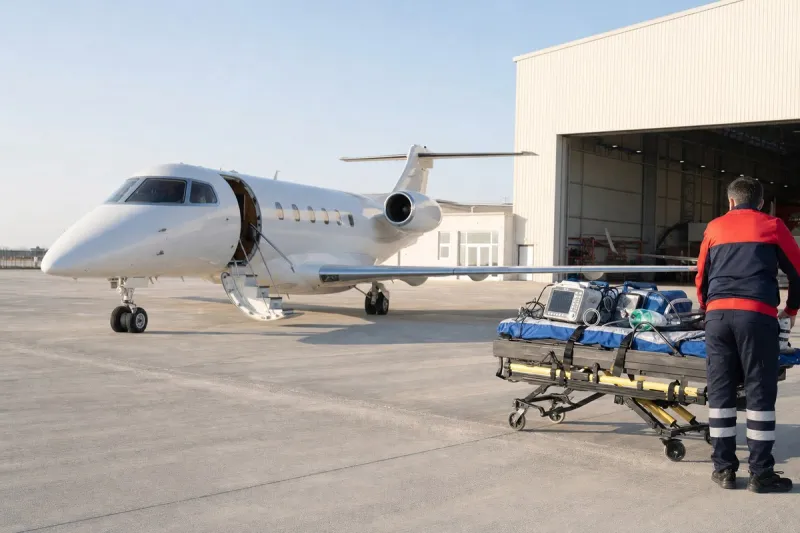
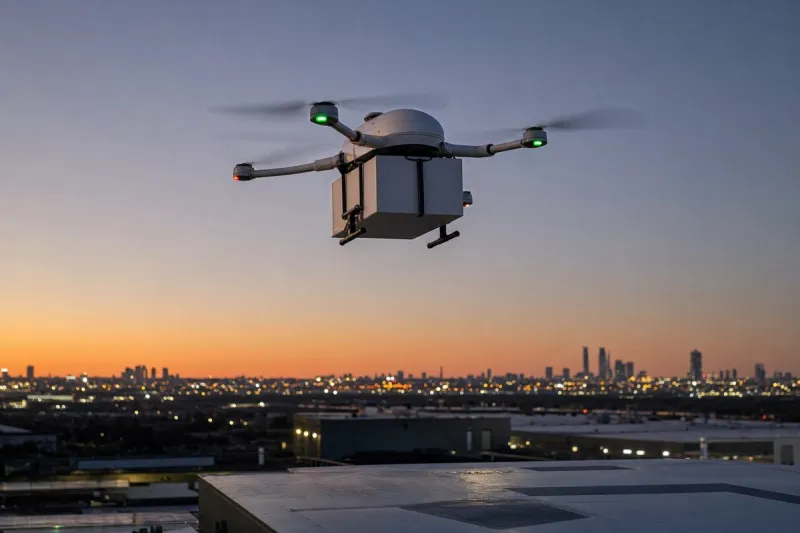
Challenges include certification delays, funding needs, grid and infrastructure limits, air traffic control systems not designed for high volumes of low-altitude flights, and supply chain exposure to trade restrictions and geographic concentration of rare earths, battery materials, carbon fiber and semiconductors. The report indicates near-term growth is likely to favor cargo, defense, tourism, emergency-response and Regional Air Mobility applications before high-density urban passenger networks reach broader scale.