Magnetic Group Executive Says CFM56 and Legacy Aircraft Staying in Service Longer Than MRO Forecasts Predicted
Why It MattersDelivery delays and an aging global fleet are extending the working life of mature types, keeping aftermarket demand for legacy engines and airframes elevated instead of shifting quickly to new-generation equipment.
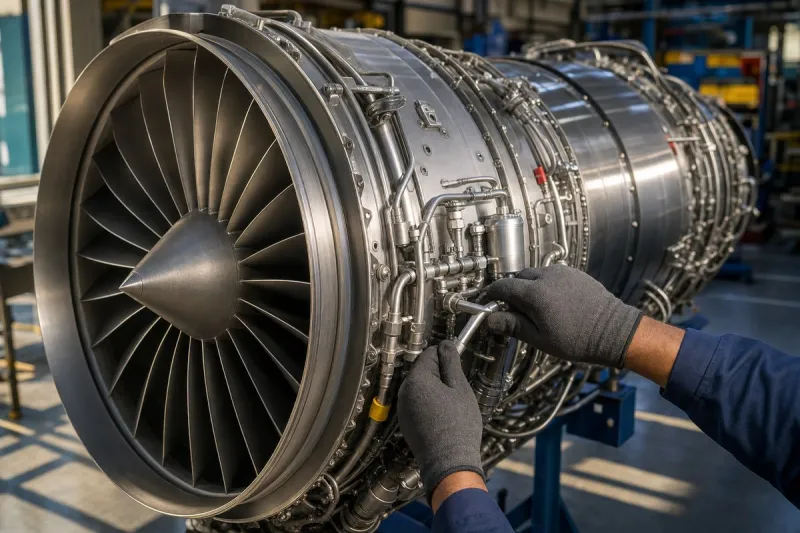
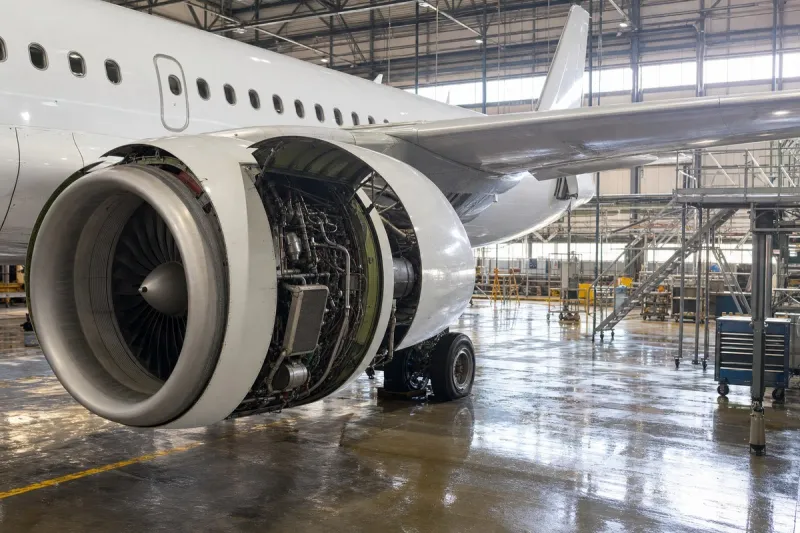
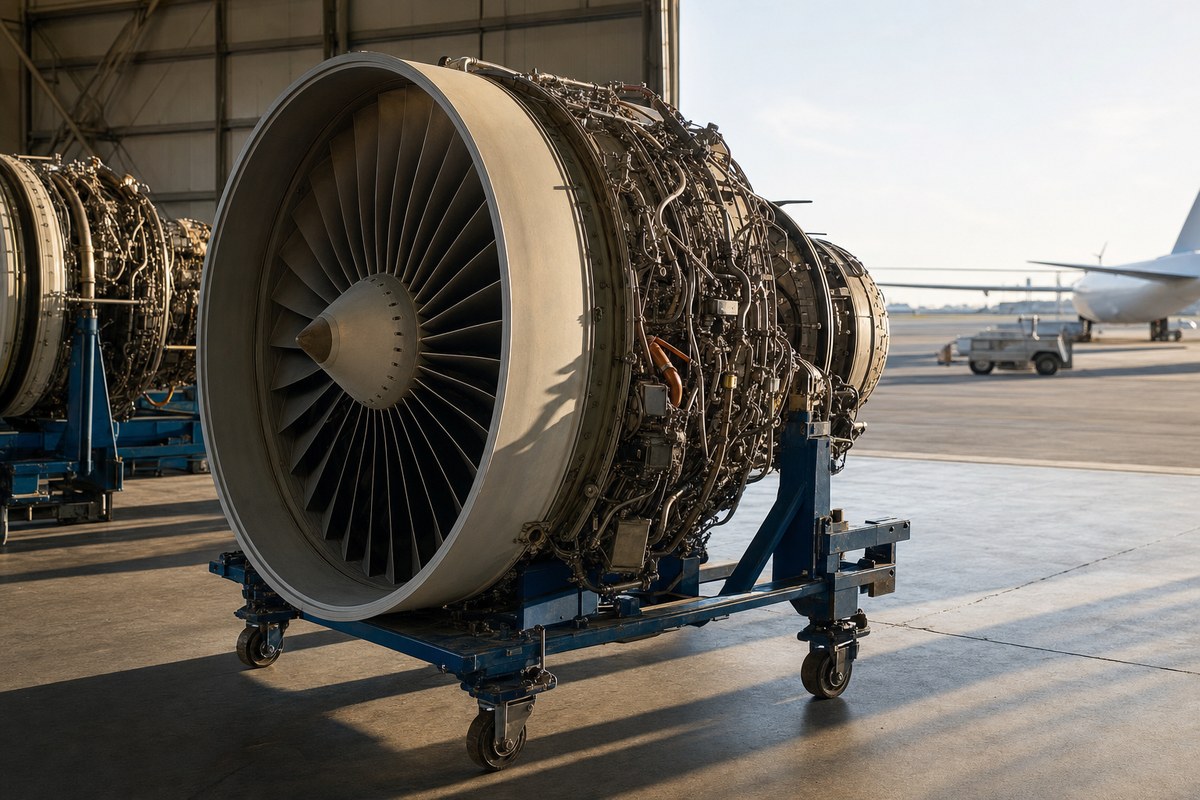
Laura Roke, commercial director at Magnetic Group, told Aviation Week that several widely held aftermarket predictions have not played out as analysts expected. On the CFM International CFM56 engine, she said the expected decline as Leap-powered aircraft entered fleets has become a much longer transition, driven by aircraft delivery delays, supply chain constraints and new-generation engine availability problems. GE Aerospace stated in September that CFM56 retirements were expected to remain around 1.5–2% for the year, supporting approximately 2,400 shop visits annually in both 2026 and 2027.
She cited the International Air Transport Association (IATA), which reported in June that the global aircraft order backlog exceeded 18,000 and the average fleet age had reached 15.2 years, the oldest fleet in aviation history. As a result, mature types such as the Airbus A320ceo and Boeing 737NG remain relevant, and operators are investing in maintenance, cabin improvements and life-extension work. Roke said this creates opportunities for Magnetic in aircraft maintenance, painting, CFM56 engine support, component support, asset management and trading.
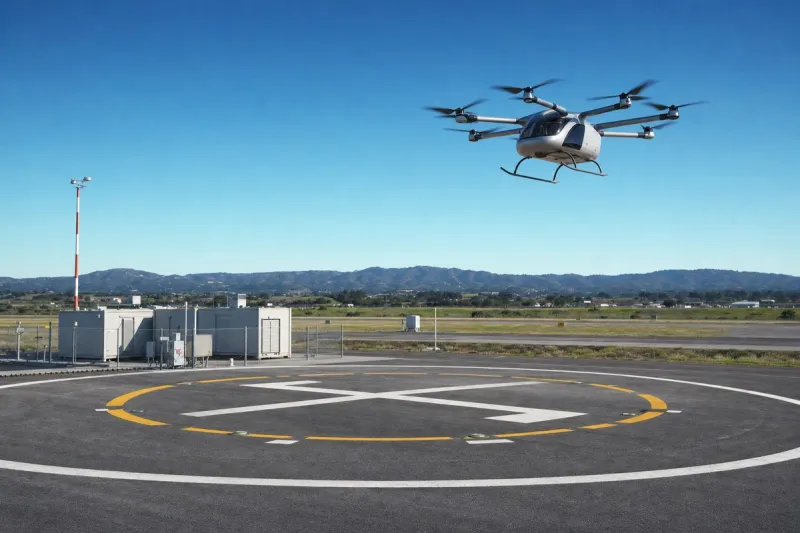
On electric aviation, Roke expects MRO impact to arrive in stages: first in smaller segments such as pilot training, regional operations and advanced air mobility, with broader commercial opportunities more likely in the 2030s depending on certification progress and fleet growth. She said MRO providers will need expertise in high-voltage systems, batteries, electric motors, thermal management and advanced diagnostics, and that the next five years will mainly be about learning and capability building. She also said 3D printing has not reshaped the spare parts market to the extent anticipated.
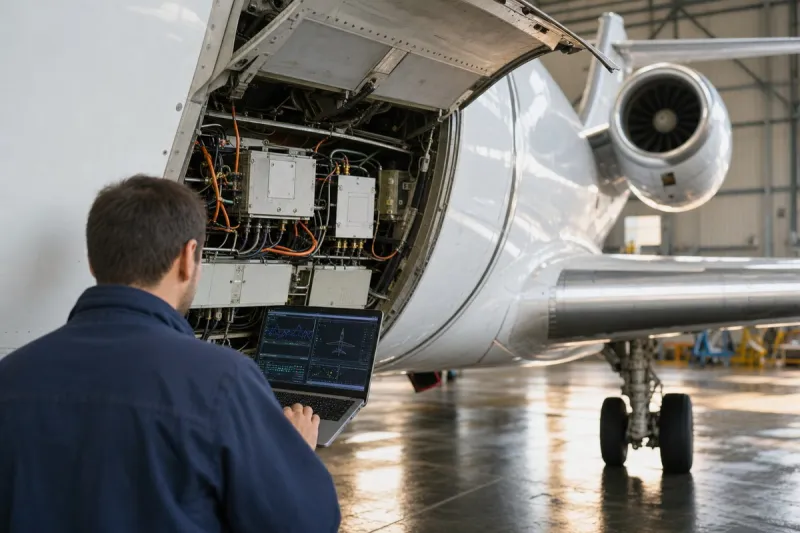
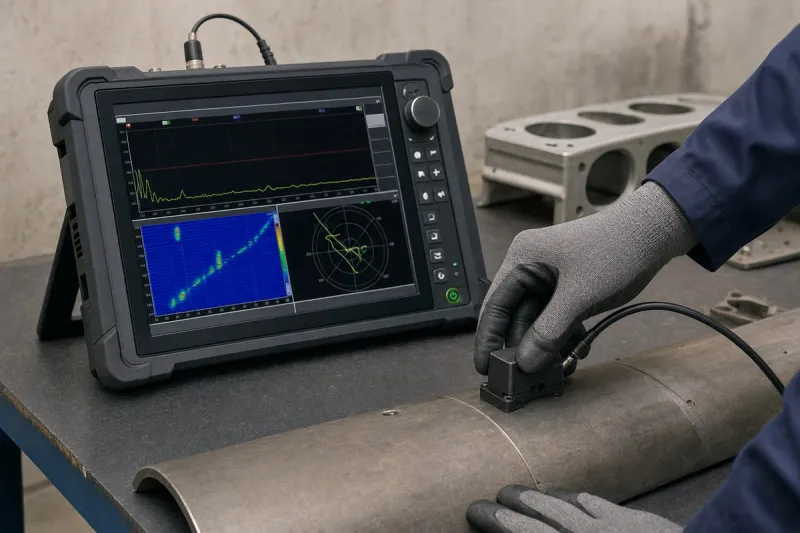
On AI and robotics, Roke said she does not expect them to replace skilled technicians. She sees the greatest near-term potential in reducing repetitive and administrative work such as maintenance planning, technical documentation, inventory management, troubleshooting support and predicting parts needs, while robotics may help with inspections, repetitive measurements and certain cleaning or surface-treatment processes.
Looking ahead ten years, Roke predicted the aftermarket will focus on maximizing the value of existing assets across their lifecycle, with the lines between maintenance, asset management, leasing and spare parts trading becoming less distinct, a greater role for data in asset decisions, and closer partnerships between MRO providers and airlines or asset owners.