Zero-Emission Aircraft Market Forecast to Grow From US$1.6 Billion in 2026 to US$6.4 Billion by 2033
Why It MattersNear-term growth is concentrated in trainers, light general aviation and commuter conversions, with airport hydrogen and charging infrastructure positioned to gain whichever airframe is eventually certified.
The global zero-emission aircraft market is expected to be valued at US$1.6 billion in 2026 and to reach US$6.4 billion by 2033, a compound annual growth rate of 21.9% over 2026–2033. Revenue rose from roughly US$460 million in 2020 to about US$1.32 billion in 2025, a historical CAGR of 23.5%. The 2026 figure of US$1,605 million counts airframes, propulsion systems and airport hydrogen and charging infrastructure together, because airframe deliveries alone remain too small to describe the sector.
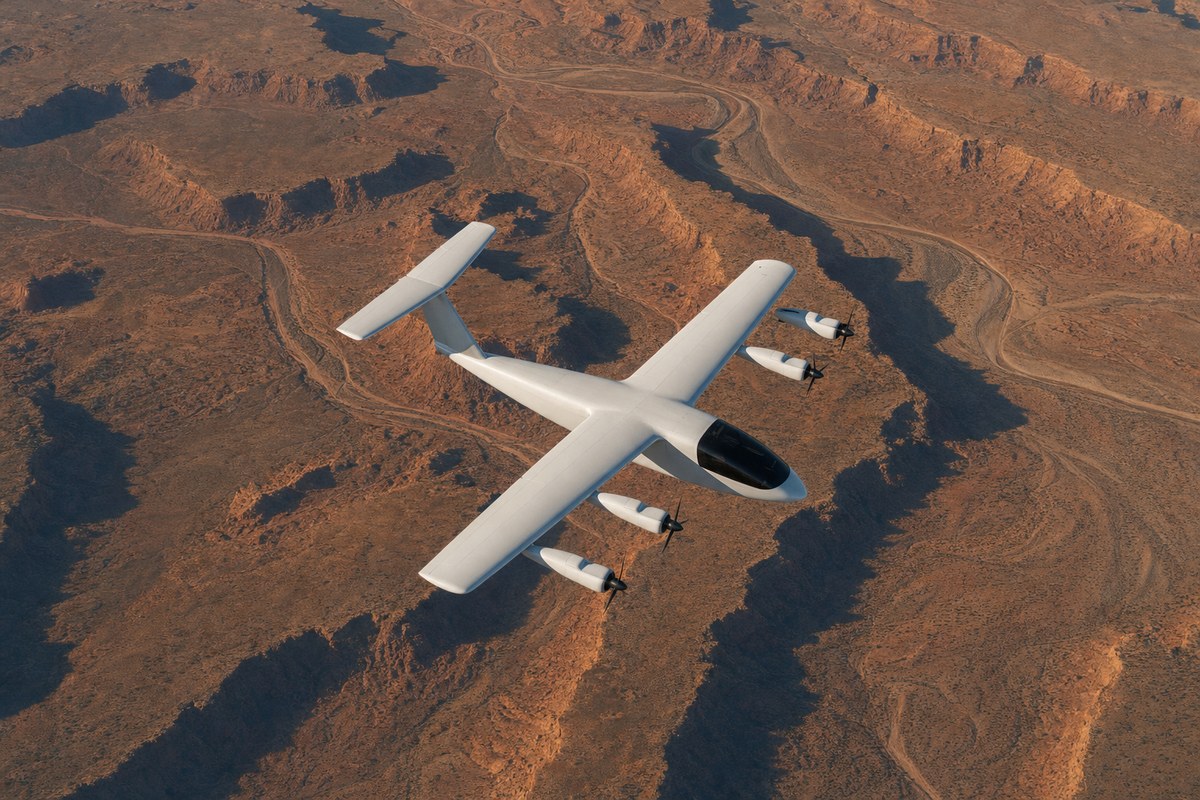
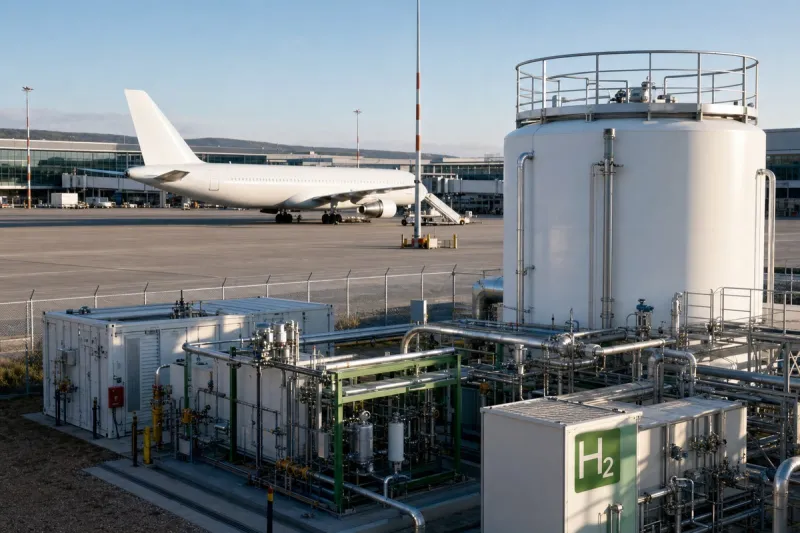
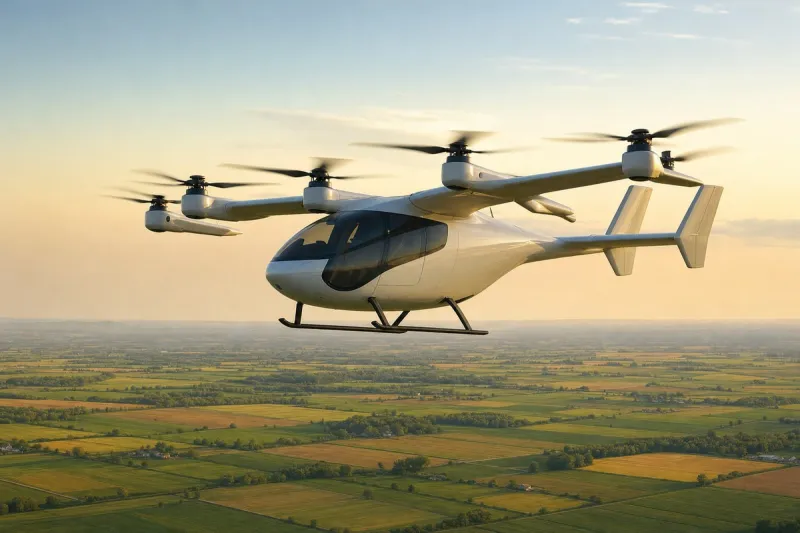
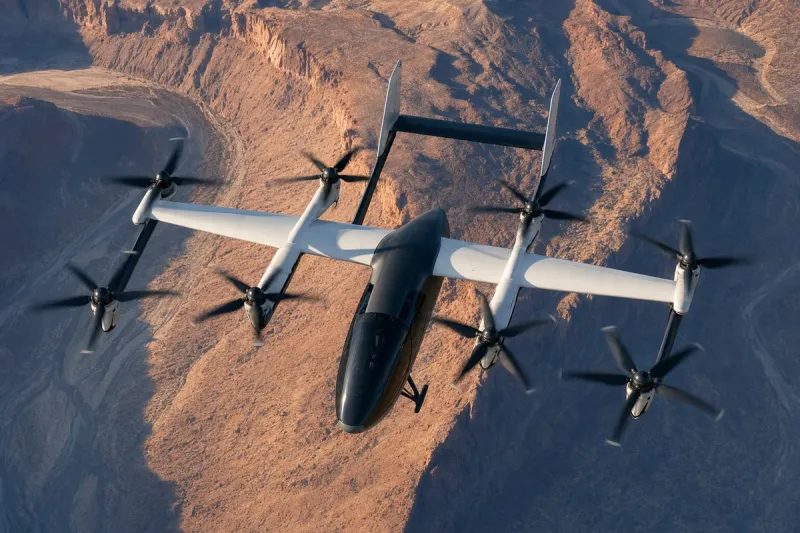
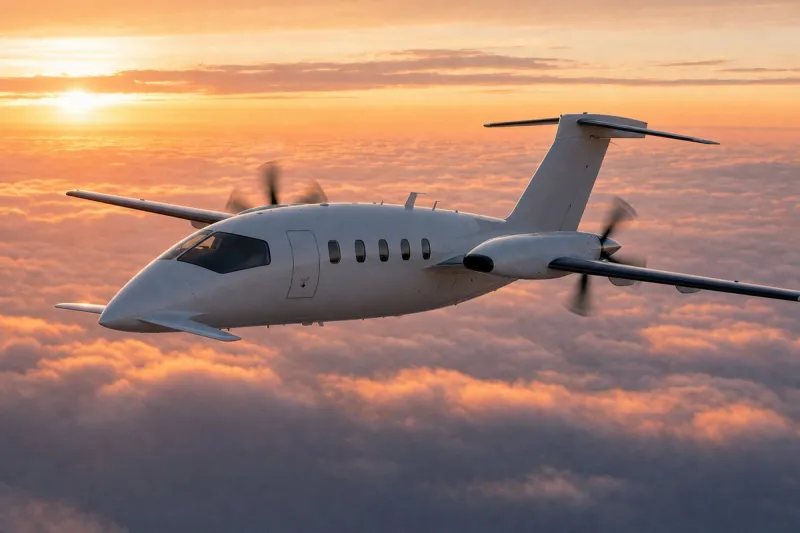
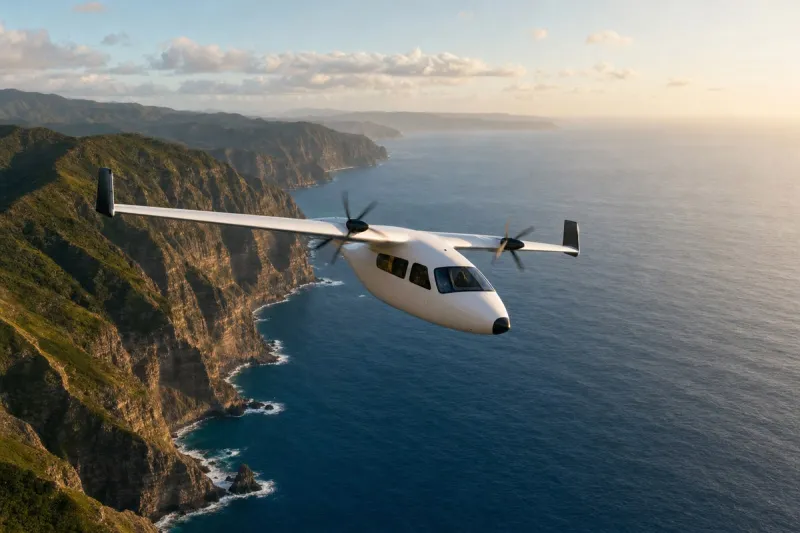
Announced entry-into-service dates have slipped repeatedly, no certification basis exists for hydrogen-powered transport aircraft, and liquid hydrogen refuelling barely exists at airports. Growth is therefore expected to come from certified battery-electric trainers, light general aviation, demonstrator programmes and early commuter conversions rather than from any mainline fleet transition before 2033.
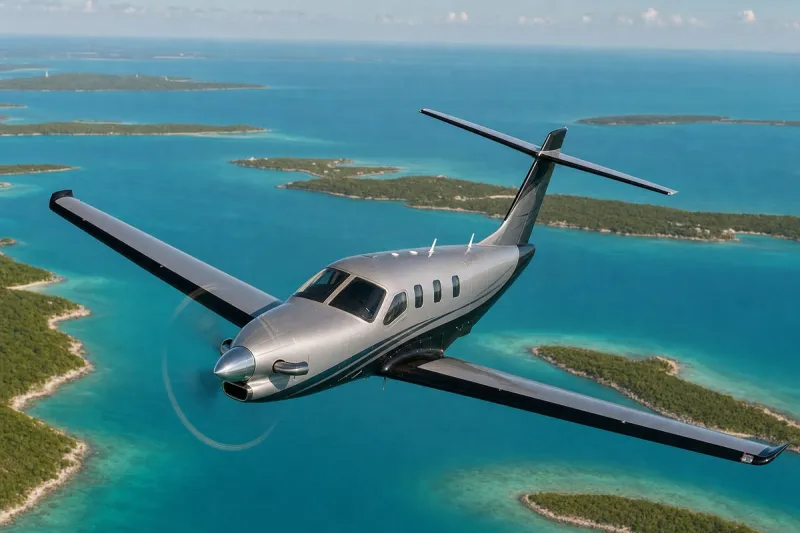
By segment, battery-electric propulsion held 58% share in 2026, while hydrogen fuel cell systems are projected to grow at a 29.5% CAGR through 2033. Trainer and light sport aircraft held 34% share, while commuter aircraft are projected to grow at 27.4%. Propulsion systems held 34% of the component segment, while ground infrastructure is projected to grow at 26.4%. Aircraft with range up to 200 km held 44% share, while the 500–1,000 km band is projected to grow at 27.1%. Europe held 41% share in 2026, while Asia Pacific is projected to grow at 25.4%.
Two main growth drivers are identified: binding aviation climate targets backed by public research funding, chiefly in Europe and North America, and flight-training economics that favour battery-electric aircraft, in Europe and Asia Pacific. The International Civil Aviation Organization has adopted a long-term goal of net-zero carbon emissions from international aviation by 2050, and in Europe the Clean Aviation Joint Undertaking funds hydrogen and hybrid-electric demonstrators.
Two restraints are cited. Battery energy density and reserve-fuel rules cap payload and range, limiting electric aircraft to two to nine seats over short stage lengths. Sustainable aviation fuel also absorbs airline decarbonisation budgets, supported by the EU ReFuelEU Aviation Regulation's rising blending obligations.
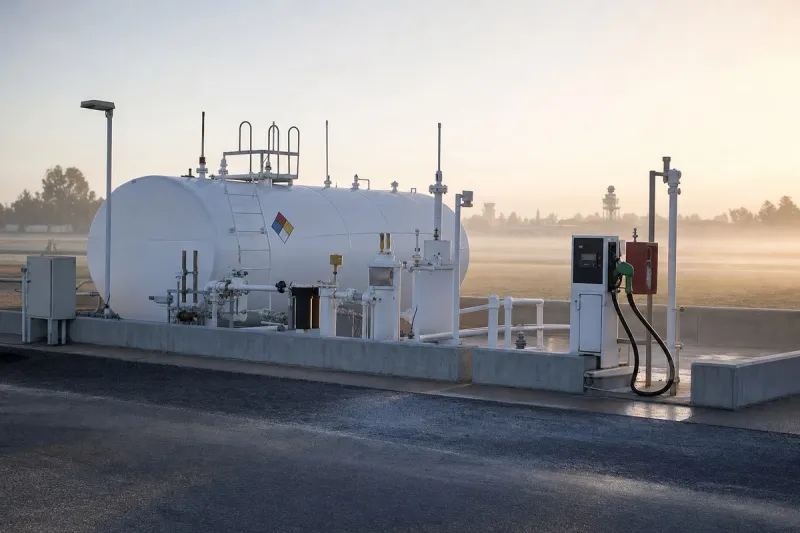
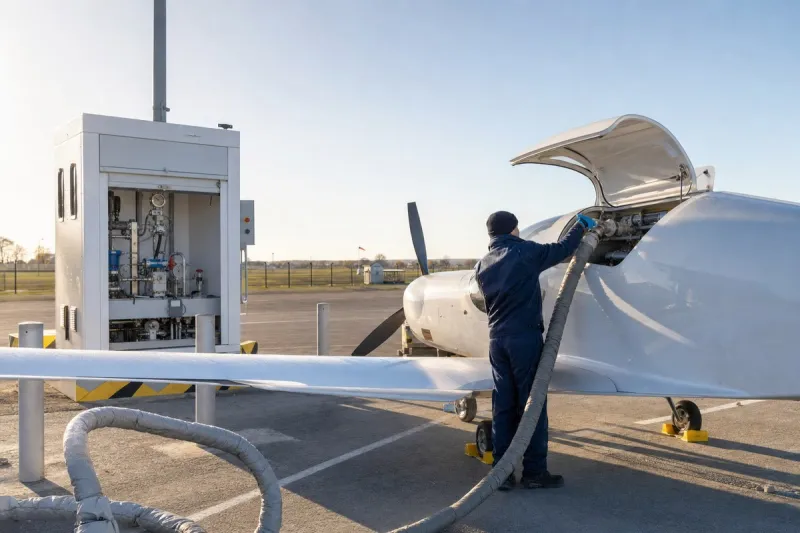
Opportunities include airport hydrogen handling and megawatt charging infrastructure, which is independent of which airframe is eventually certified, and retrofit powertrain conversions of in-service commuter aircraft under supplemental type certificates, which can shorten the revenue timeline compared with clean-sheet designs.