Aerospace MRO Sector Faces Skilled-Labor Shortage and Institutional Knowledge Loss, Looks to AI and Automation
Why It MattersAgeing technician workforces and undocumented expertise make the maintenance base itself a capacity constraint, shifting competitive weight toward shops that digitize repair knowledge early.
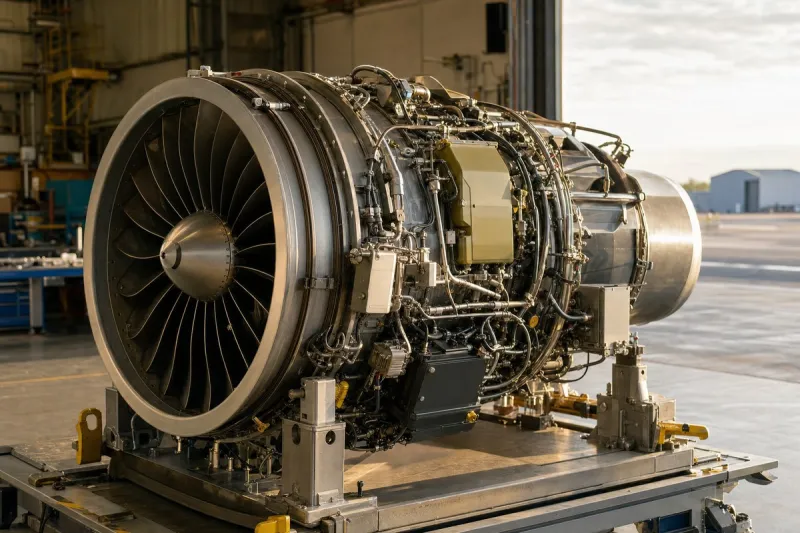
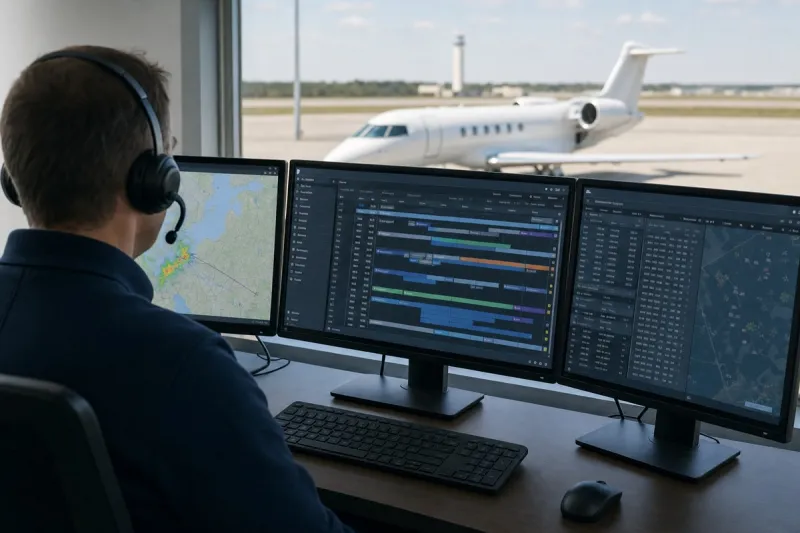
The maintenance, repair, and overhaul (MRO) industry for aerospace and defense systems is at a turning point, according to an opinion piece published by Israel Defense. It says the main challenges of the coming years stem not only from technological advances but from structural pressures on the traditional value chain. Within five years, executives will need to manage severe professional labor shortages alongside growing market demands. The piece argues the primary response will be integrating artificial intelligence and deep automation into maintenance and repair processes as experienced technicians and engineers dwindle. It adds that the industry can no longer rely solely on rigid manufacturer manuals and needs more flexible, innovative repair solutions suited to modern operational tempos, with knowledge transfer from veterans to younger staff becoming a central pillar of organizational survival.
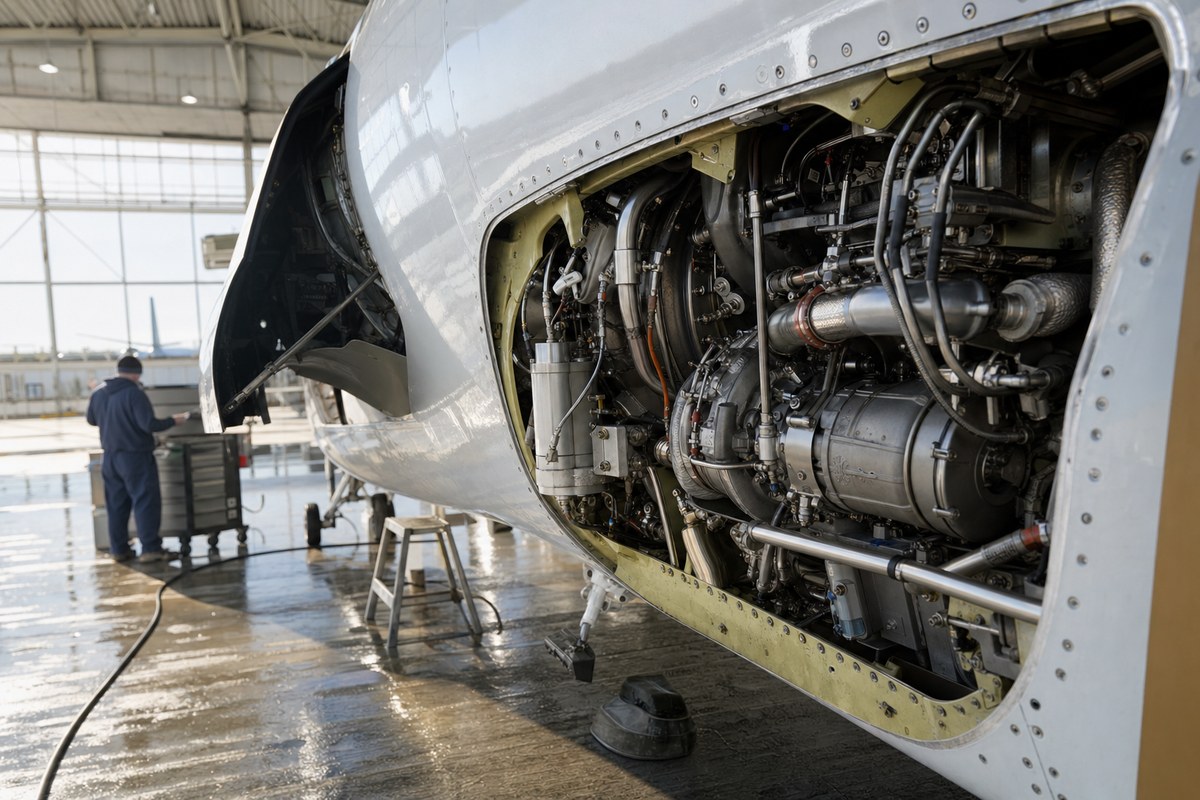
The piece identifies the loss of institutional knowledge as an under-discussed issue. Much expertise in complex repairs, including intuition-based decisions built over decades, sits with senior workers nearing retirement and is rarely captured in official documentation. Within five to ten years, the lack of systematic recording could create a genuine crisis in carrying out complex overhauls to required safety standards. It cites a 2025 World Economic Forum survey indicating that demand for manual and operational skill-based professions is expected to grow by 2030. On AI, it says the technology could streamline workflows dramatically but could also cause internal resistance or structural misalignment in a conservative industry if organizations do not prepare culturally and managerially.
It also calls for rethinking the rigid aviation regulatory environment: scaling back administrative requirements that add no direct safety value, and creating fast-track approval pathways for innovative repairs and for technologies such as digitization and AI, to help Israeli industry keep its competitive edge globally. It recommends broader strategic partnerships with external technology providers, academic institutions, and innovation hubs to guard against global supply chain disruptions and gain faster access to engineering developments.