From Concept to Cabin: How Global Collaboration and Precision Engineering Shape Modern Aircraft
Why It MattersThe widening gap between legacy development timelines and today's multi-year certification and engineering demands underscores rising complexity across both commercial and business-aviation manufacturing.
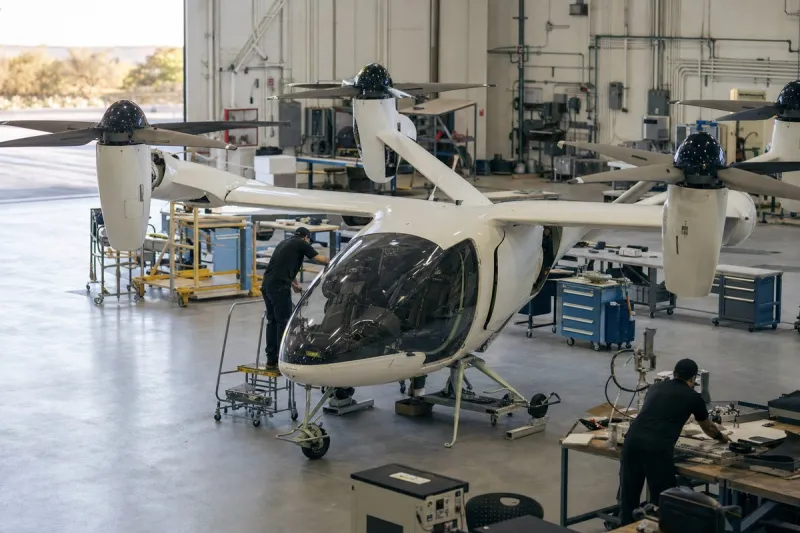
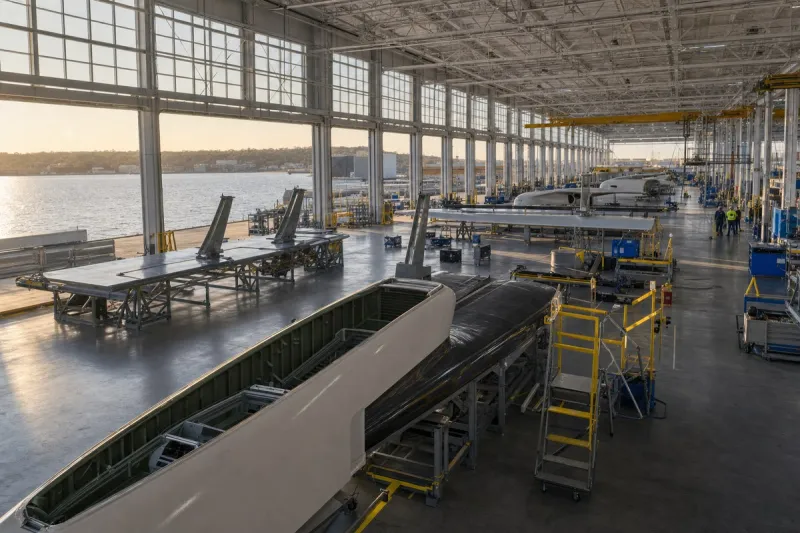
Taking an aircraft from sketchpad to commercial launch is a multibillion-dollar, decade-long process requiring millions of components joined with sub-millimeter precision and years of Federal Aviation Administration oversight, according to Brian Foley, a New York-based aviation analyst who spent 25 years at Boeing and Dassault Falcon Jet.
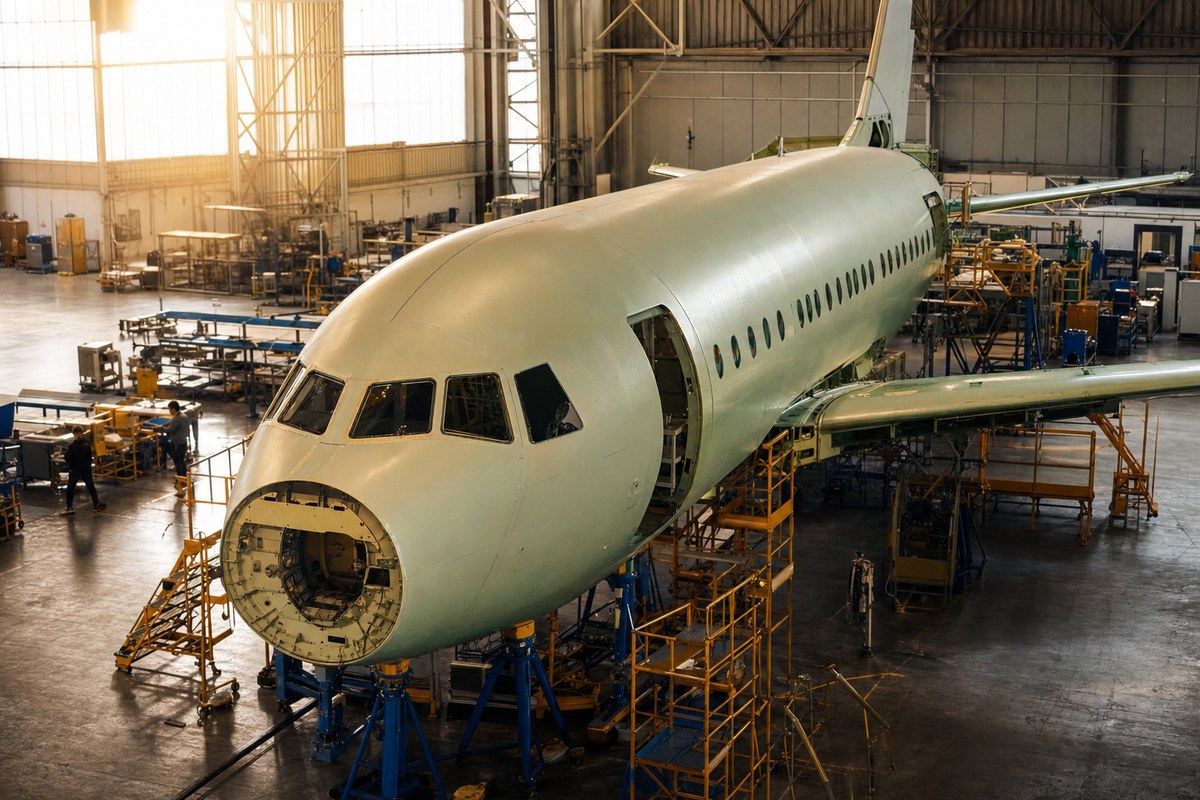
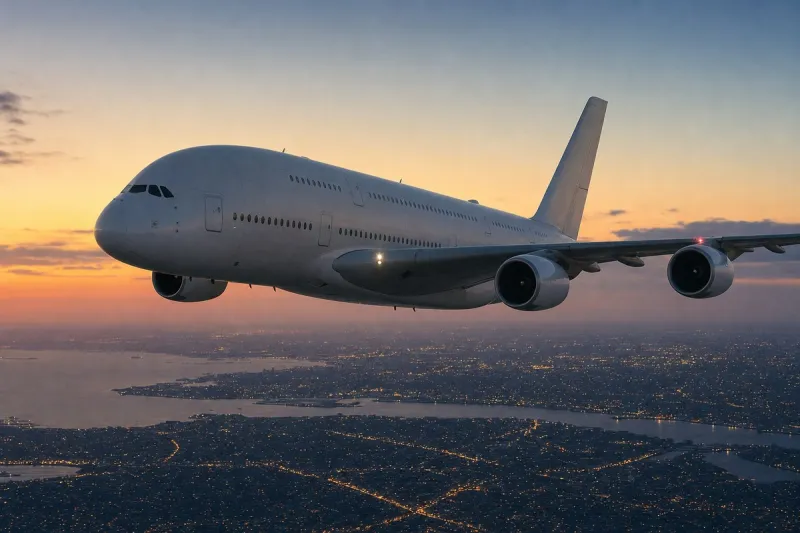
The contrast with earlier eras is stark. In 1903, the Wright brothers flew for 12 seconds and covered 120 feet, a distance shorter than the wingspan of the Boeing 747. In 1966, Pan Am placed a $525 million order for 25 Boeing 747 jumbo jets, and chief engineer Joe Sutter led a team of 4,500 engineers, mechanics and administrators, called "The Incredibles," to bring the aircraft from concept to launch in fewer than five years using slide rules. Pan Am's first Boeing 747 commercial flight departed New York's John F. Kennedy International Airport for London Heathrow on January 22, 1970.
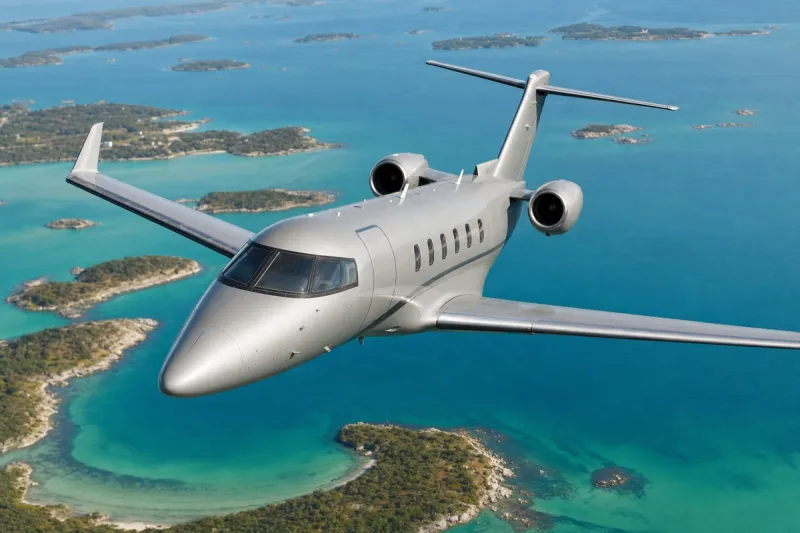
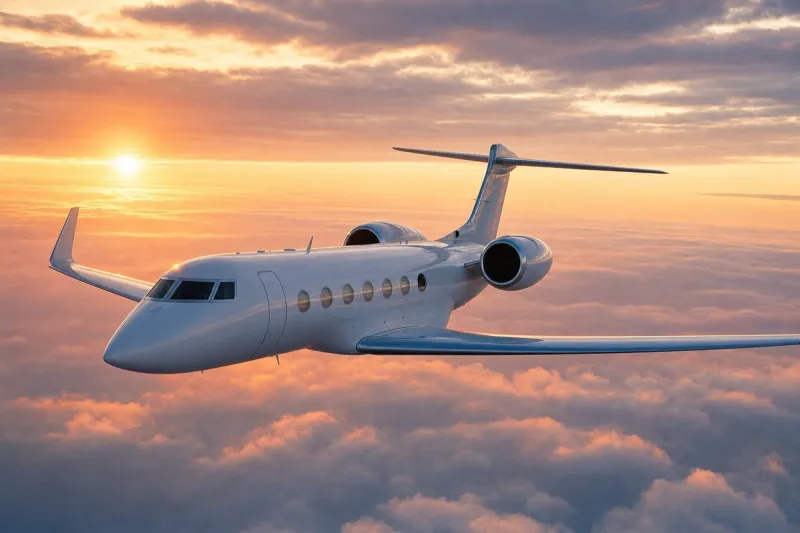
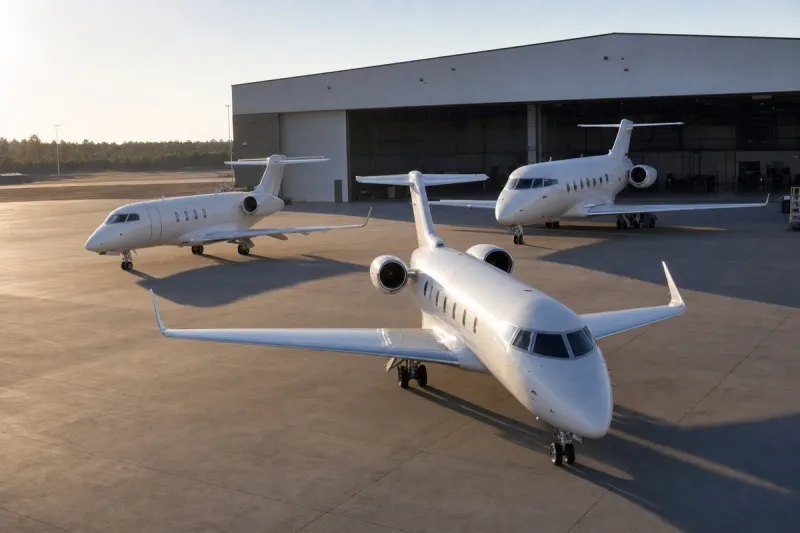
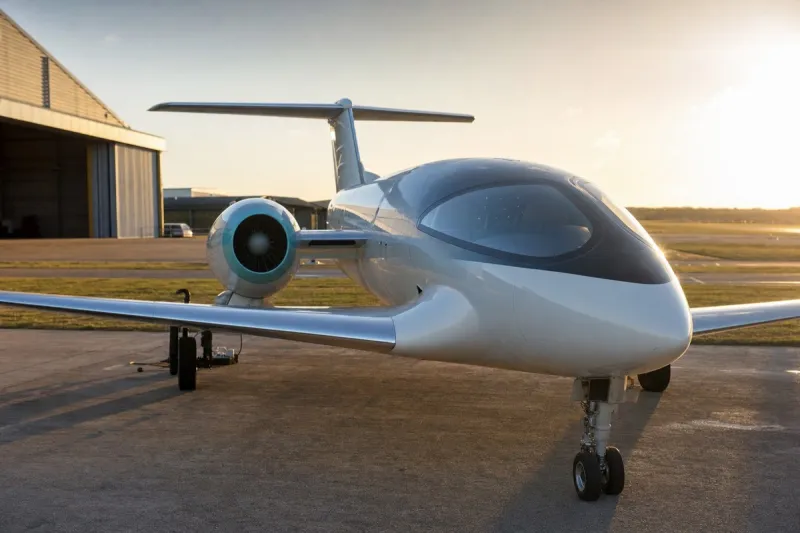
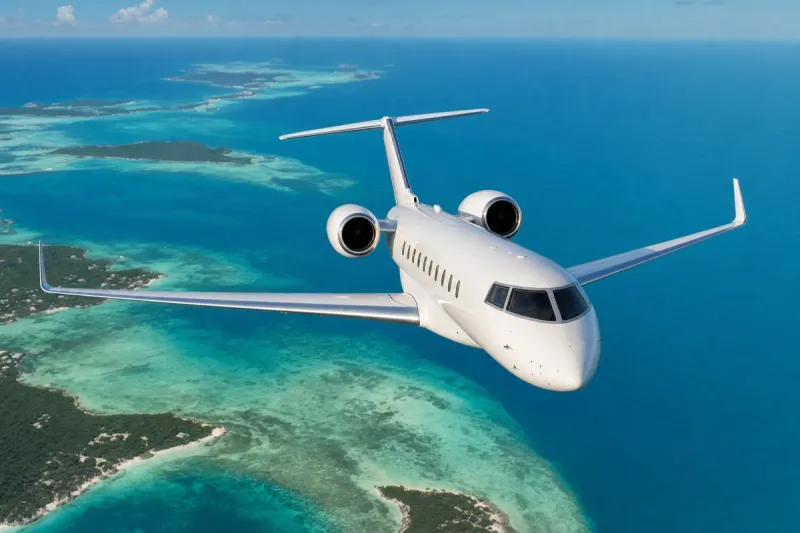
Today's timelines run far longer. Foley describes the first two years covering conceptual and preliminary design, followed by two to three years of computer-aided design and virtual simulation before physical prototypes are built; manufacturers may build up to six prototypes subjected to thousands of hours of FAA-linked testing, including bending wings until they break and simulating pressurization and landing cycles. Scott Evans, director of flight operations at Gulfstream Aerospace, said even private jets seating fewer than 20 passengers require multidisciplinary design, supply-chain coordination, certification and customer support spanning years, with ultra-long-range jets such as the G700, G800 and Bombardier Global 8000 priced around $80 million and logging more than 1,000 flight-test hours.
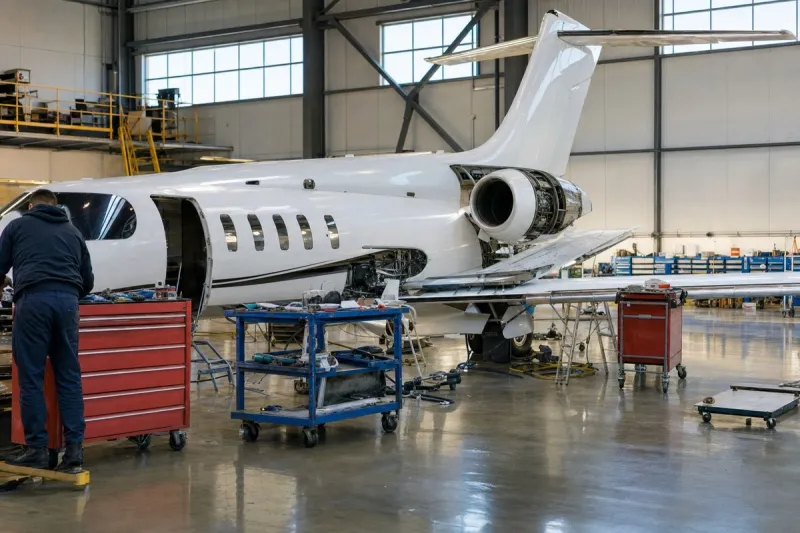
In-house design teams at Gulfstream, Embraer and Bombardier can work with clients concurrently with a new build, though bespoke cabin projects can extend timelines by months or years. Los Angeles-based designer Sarah Mespelt Larrañaga, who has delivered more than 100 aircraft for billionaire and corporate clients, said the full process typically takes about a year, including a complete interior refurbishment of Paris Hilton's Gulfstream 450 with custom avionics and pink carpeting. Growing client demand for Starlink internet is adding complexity to refurbishments across aircraft including the Challenger 300, G650 and Boeing 767.
Embraer launched its Praetor 600E this year, a super-midsize jet with a 42-inch 4K OLED "Smart Window" touchscreen, and continues producing the Phenom 300, described as the world's best-selling business jet, configured for nine passengers. In June, Bombardier unveiled a collaboration with fashion designer Elie Saab on a "haute couture" Global 8000, Saab's first aircraft design project, featuring a walk-in wardrobe, a five-seat divan sofa and an aviation-certified marble shower.