India's AIESL Targets Positive Net Worth, $4 Billion Revenue Goal and Next-Gen Engine MRO by 2030
Why It MattersState-owned AIESL's push into next-generation Leap-1 engine overhaul and widebody EASA approvals signals growing MRO capacity competition in the Indian aviation market.
AIESL, India's largest MRO provider, is on track to record a positive net worth in its 2025-26 annual results, due in October, alongside its highest-ever revenues, according to CEO Sharad Agarwal, who has led the wholly state-owned business since 2022. The company posted revenues of $2.1 billion in 2025 and expects that figure to surpass $2.5 billion this year, with a five-year ambition to grow revenues beyond $4 billion. AIESL is roughly four times larger than its nearest rival in India but remains a modest player globally.
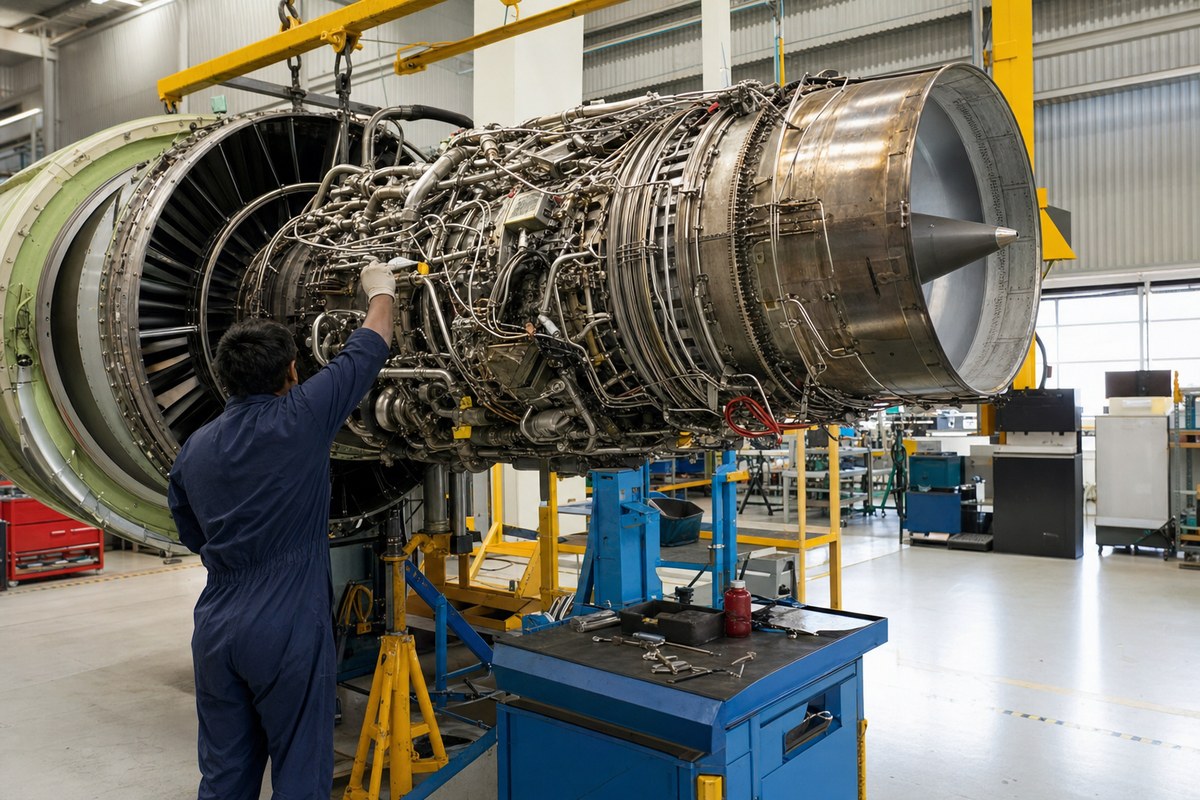
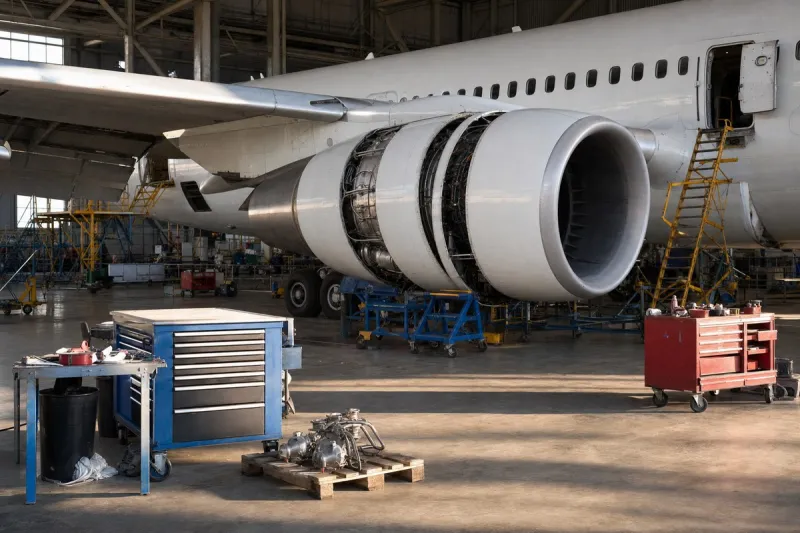
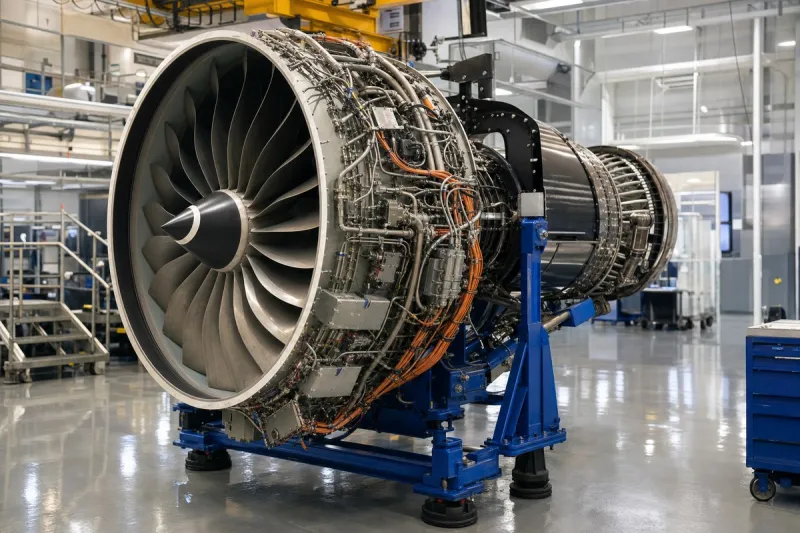
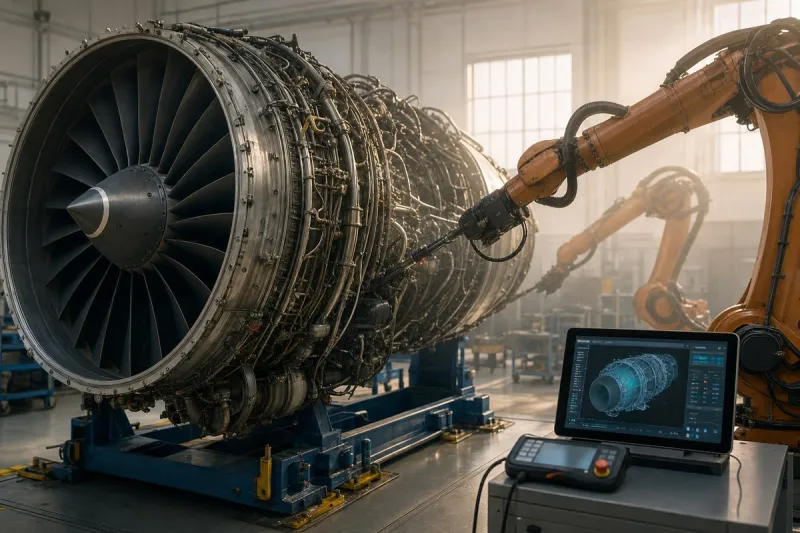
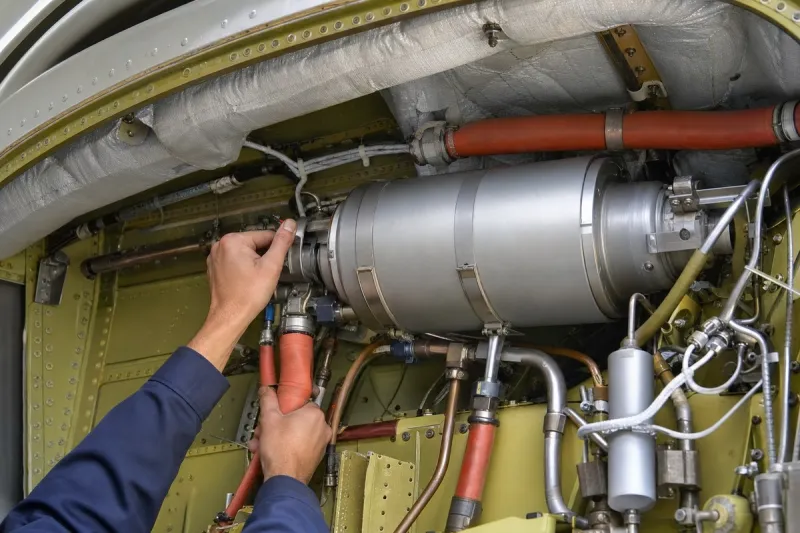
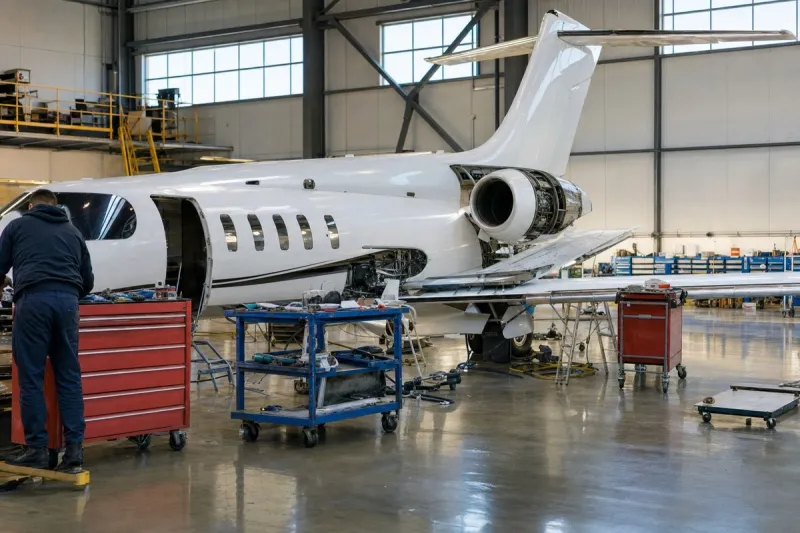
The cornerstone of AIESL's expansion strategy is investing in overhaul capability for next-generation narrowbody engines, specifically CFM International's Leap-1, by the end of the decade, with widebody engine capabilities to follow. Agarwal targets 2030 to 2031 for a large new engine MRO facility. The company operates three engine test cells and services current-generation powerplants, and has held discussions with all major engine OEMs, though talks have repeatedly stalled over capital expenditure commitments.
A recovering balance sheet is central to unlocking that investment, after years of government ownership left AIESL with a negative net worth that restricted its ability to invest. Agarwal said a positive net worth would build industry confidence and make the company acceptable to banks, lenders and the government of India, enabling big-ticket capability investments.
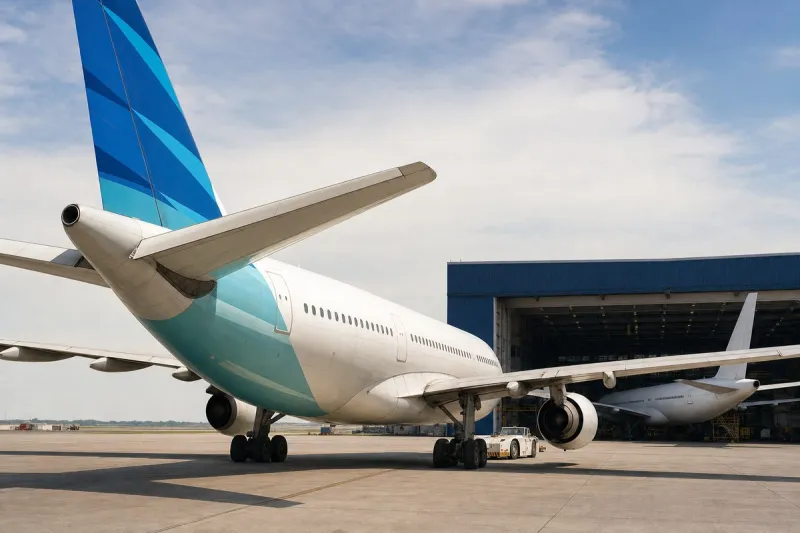
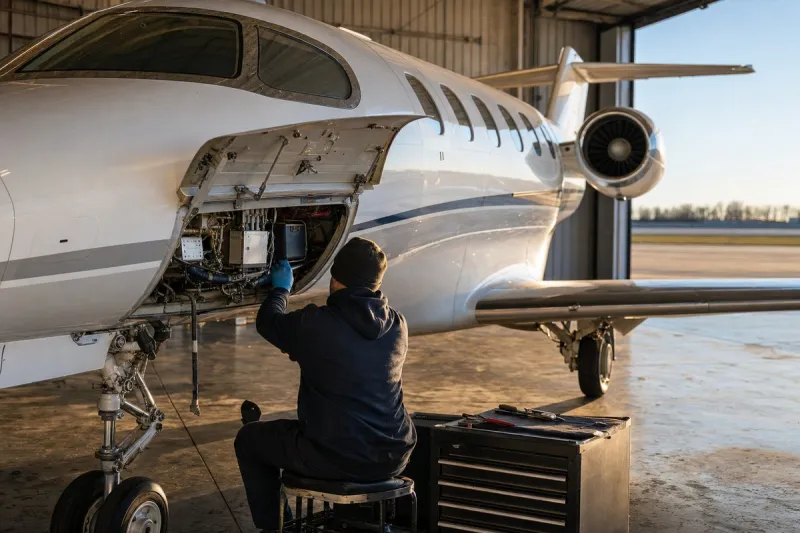
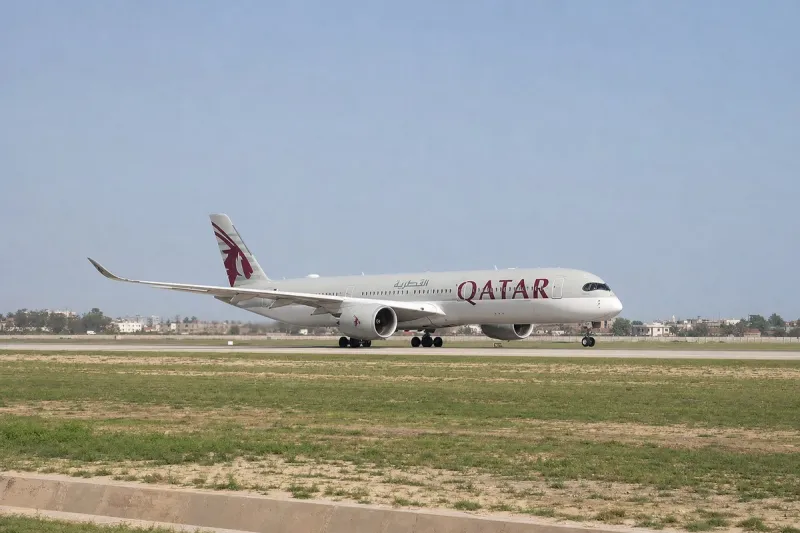
Formerly the MRO arm of the Air India Group, AIESL remained under state ownership when Air India was privatised and sold to the Tata Group in early 2022, and it has since pivoted to diversify its customer base as Air India built its own engineering operation. AIESL's defence MRO business has grown from low double-digit levels to roughly 50% of total business over the past two to three years, including a deal to overhaul components, including landing gear, for the Indian Navy's fleet of 12 Boeing P-8I aircraft, while Air India's share of AIESL's business has fallen to approximately 50%. On the commercial side, AIESL received EASA approval in 2025 for heavy maintenance checks on Airbus A320s and Boeing 737s, and aims to secure EASA approval for widebody types including the Airbus A350, Boeing 777 and Boeing 787 within the next 12 months.