eVTOL Industry: Commercial Passenger Service Already Exists, But Mass Autonomous Adoption Remains Years Away
Why It MattersThe gap between FAA's conservative near-term forecasts and manufacturers' production ambitions signals piloted eVTOL commercialization this decade, with autonomous operation likely delayed until the early-to-mid 2030s.
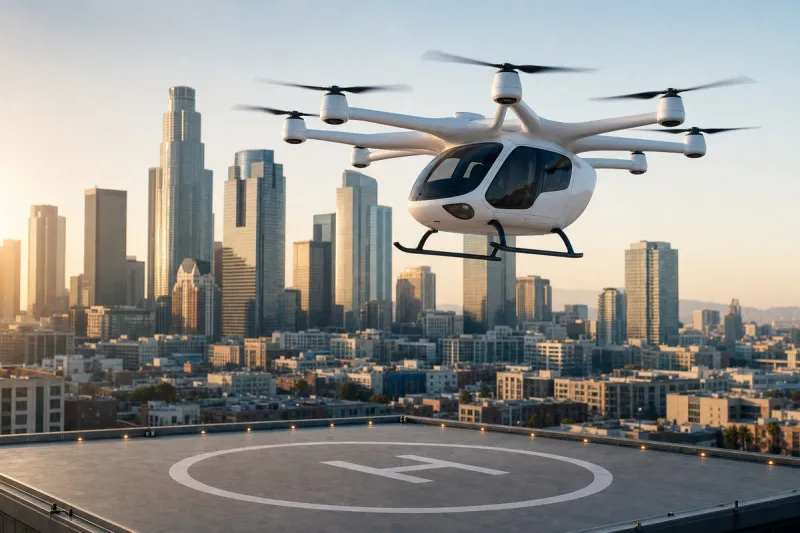
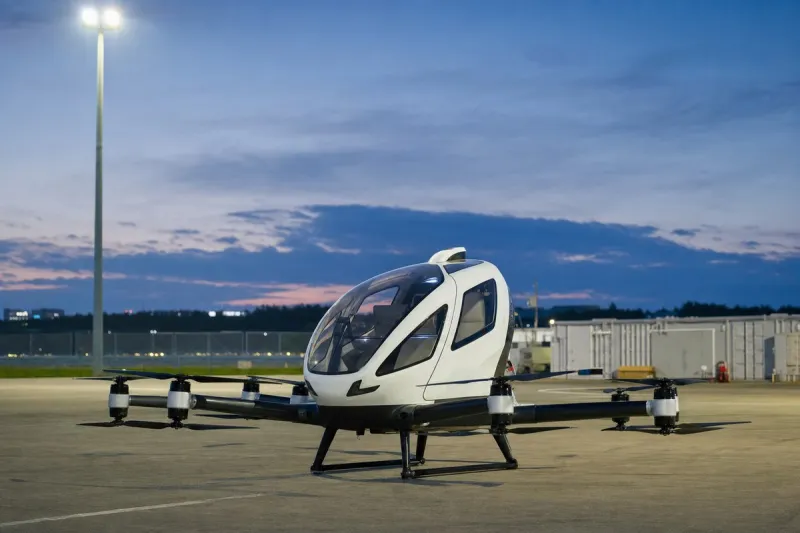
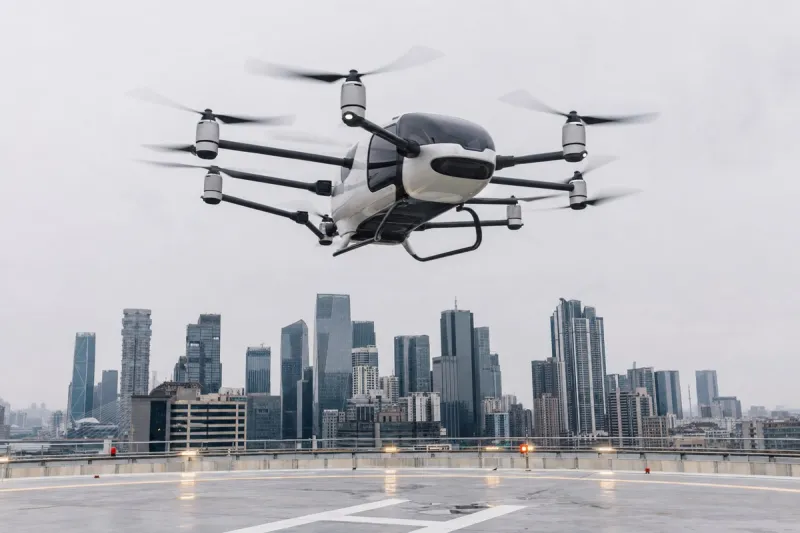
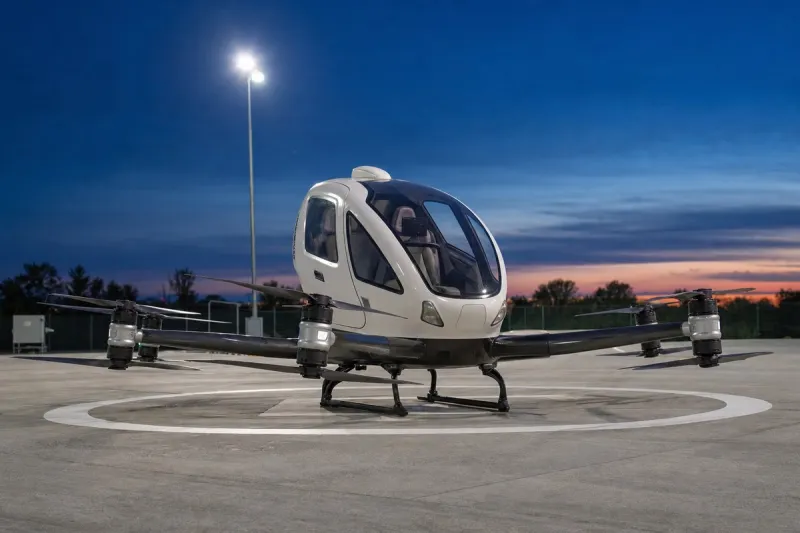
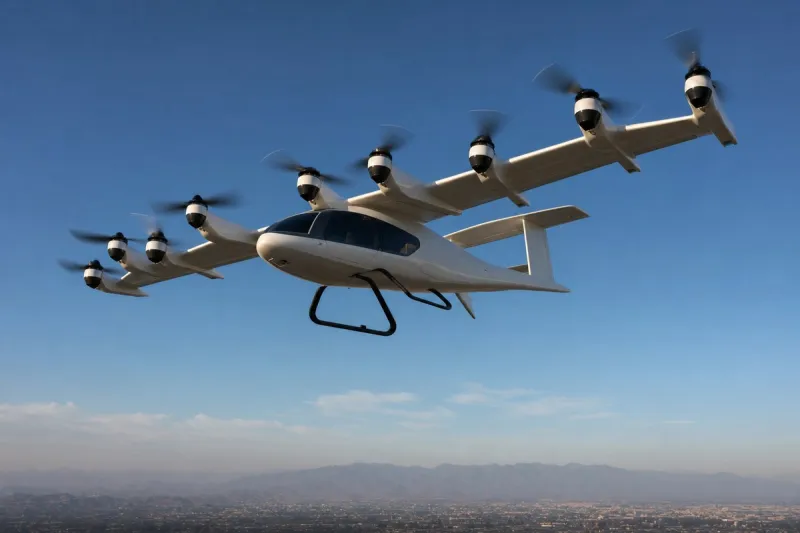
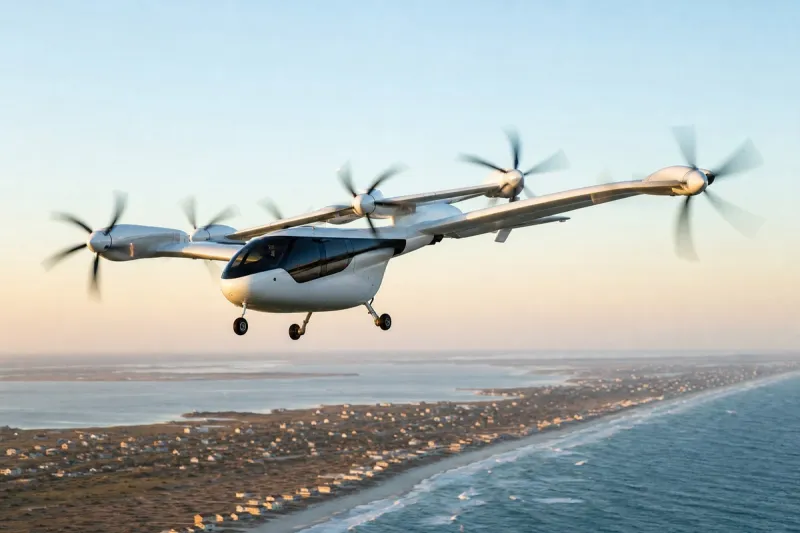
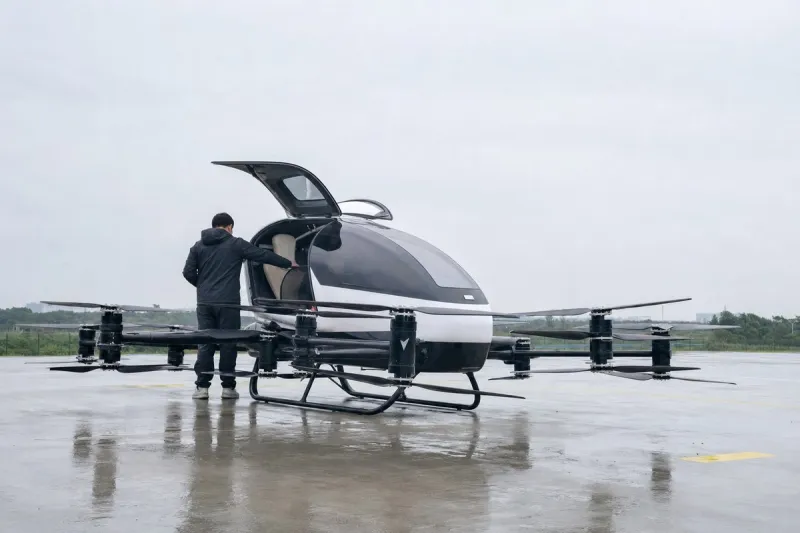
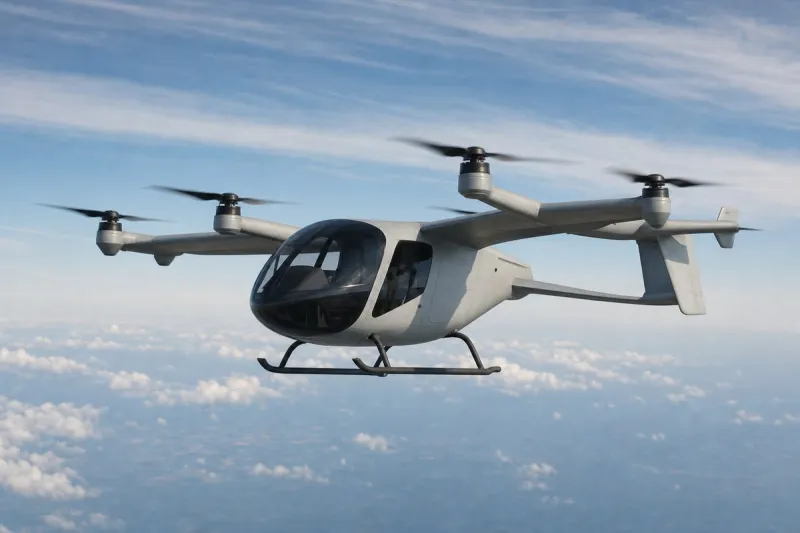
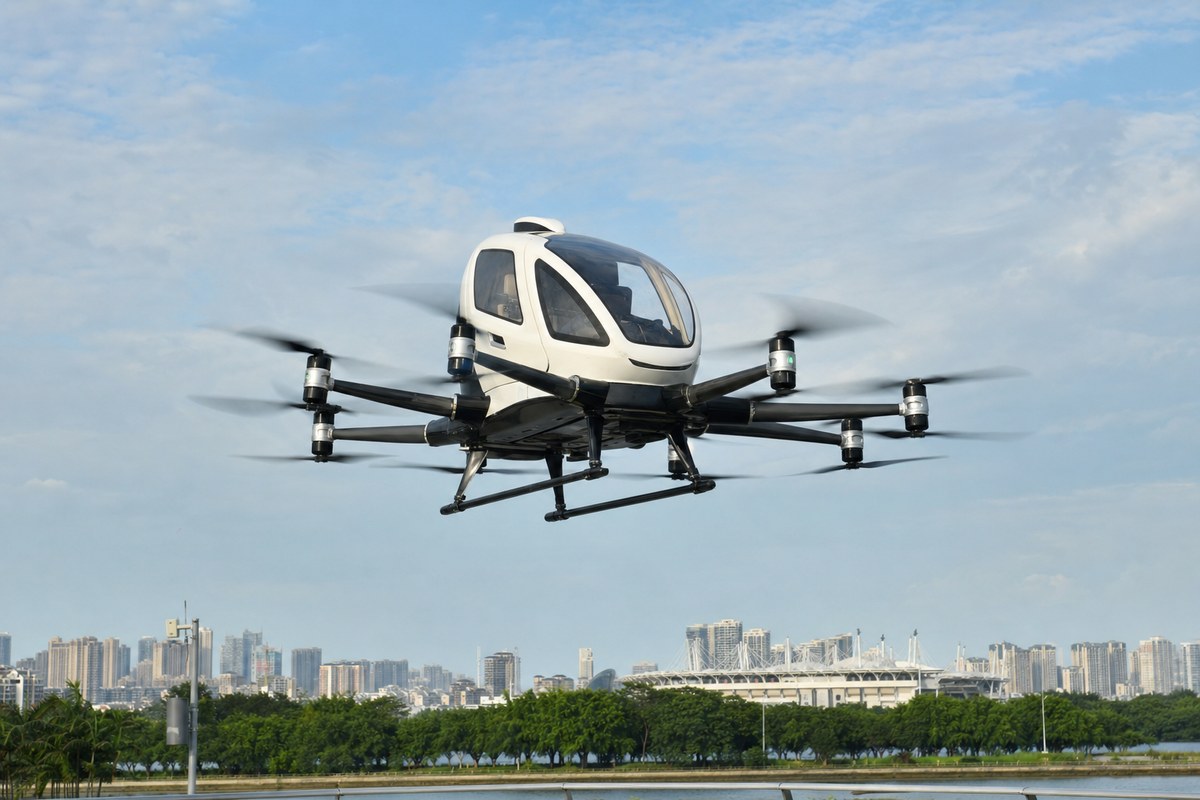
China's EHang received the world's first Air Operator Certificates for pilotless, human-carrying aircraft in March 2025, and its EH216-S has since carried ticketed passengers on tourism routes in Guangzhou and Hefei, logging tens of thousands of demonstration flights. Thailand has authorized EHang to fly real passengers, including its own civil aviation chief, under a supervised regulatory sandbox aimed at full commercial approval, while Dubai and Abu Dhabi have positioned themselves as the next launch markets in the Gulf.
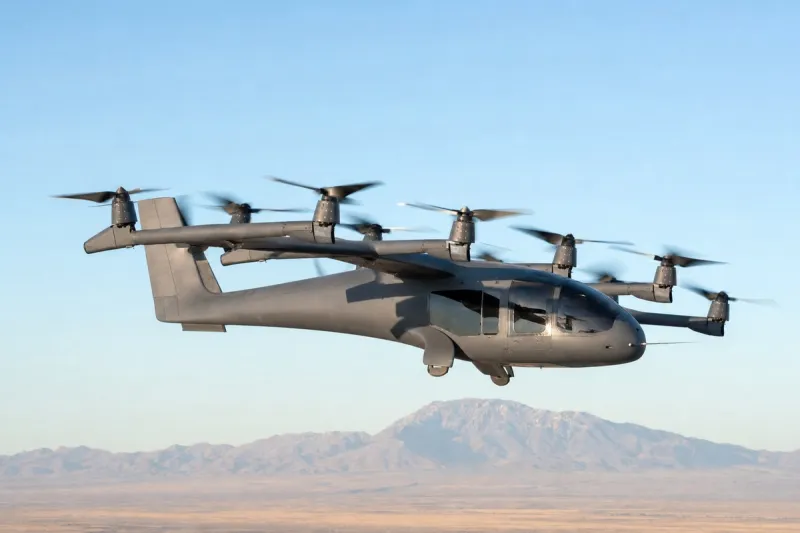
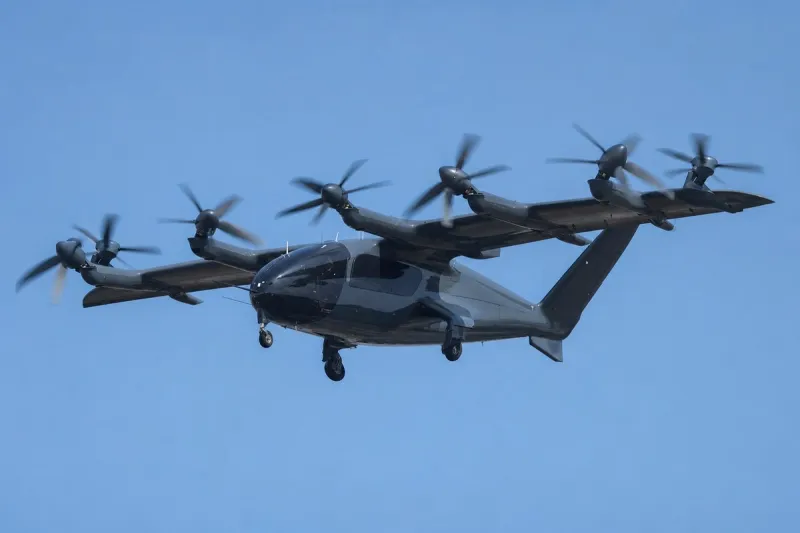
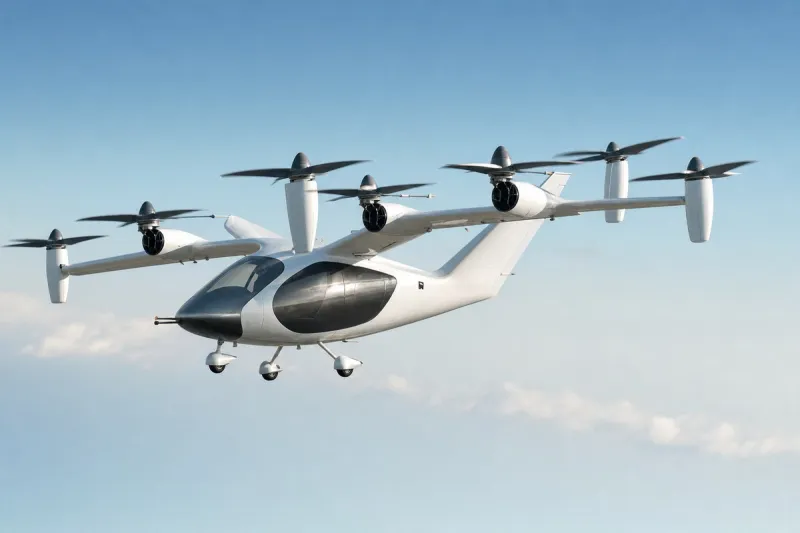
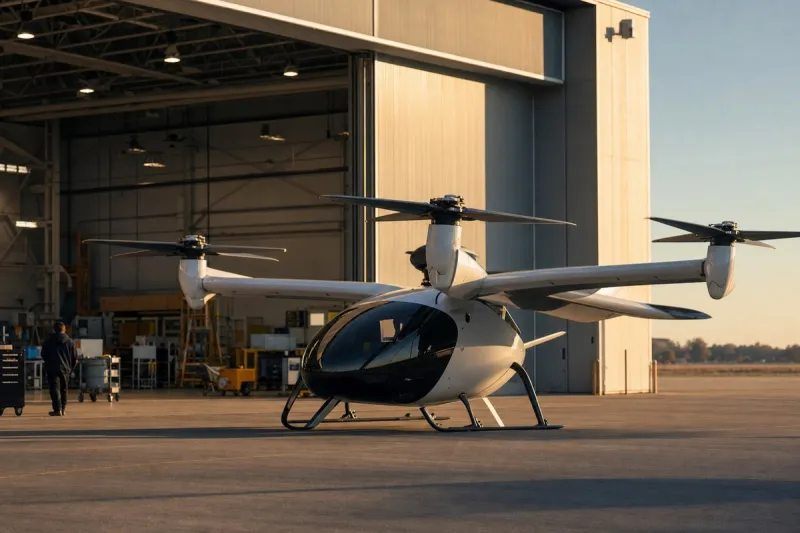
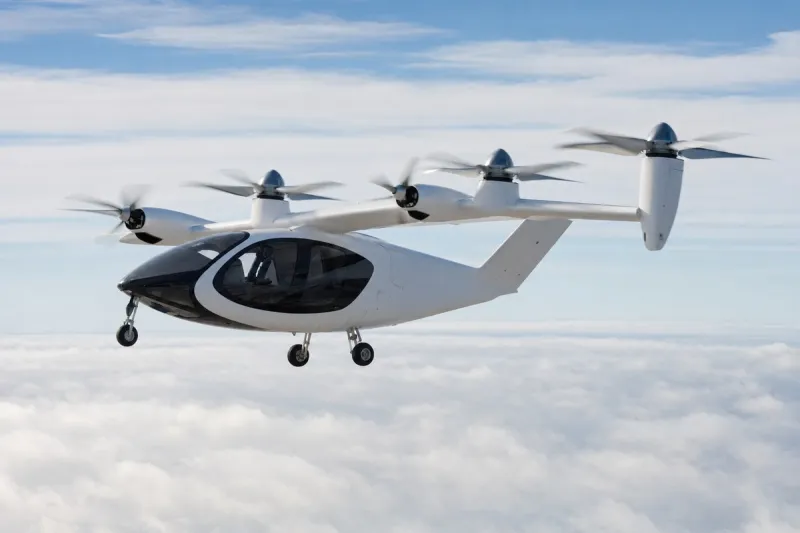
In the United States, the FAA finalized Part 194, its dedicated eVTOL certification rule, in late 2024, and in March 2026 launched the eVTOL Integration Pilot Program covering eight projects across 26 states. Joby Aviation's flights in Texas are scheduled to begin this month, marking the first commercial eVTOL operations in the US, though almost everything operating or about to launch outside China is piloted rather than autonomous. The FAA's latest Aerospace Forecast projects just seven aircraft flying a combined 24,600 departures in the first year of commercial service, growing to as many as 80 eVTOLs and roughly 335,000 services annually by 2028, a figure far below manufacturers' own targets such as Archer Aviation's plan to build 650 aircraft in 2028 alone.
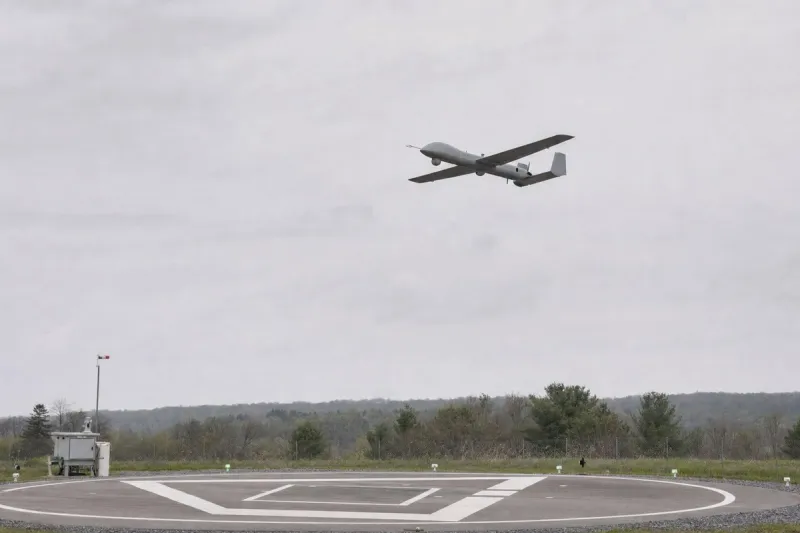
Joby Aviation, backed by roughly one billion dollars from Toyota, is in the fourth of five stages of FAA type certification, while Archer Aviation, backed by Stellantis with a United Airlines route partnership and an order book above six billion dollars, was first to win full FAA acceptance of its means-of-compliance package. In August 2026, Boeing agreed to fold its autonomous eVTOL unit Wisk Aero, along with Insitu and SkyGrid, into Archer in an all-stock deal that gives Boeing roughly a 20% stake in Archer.
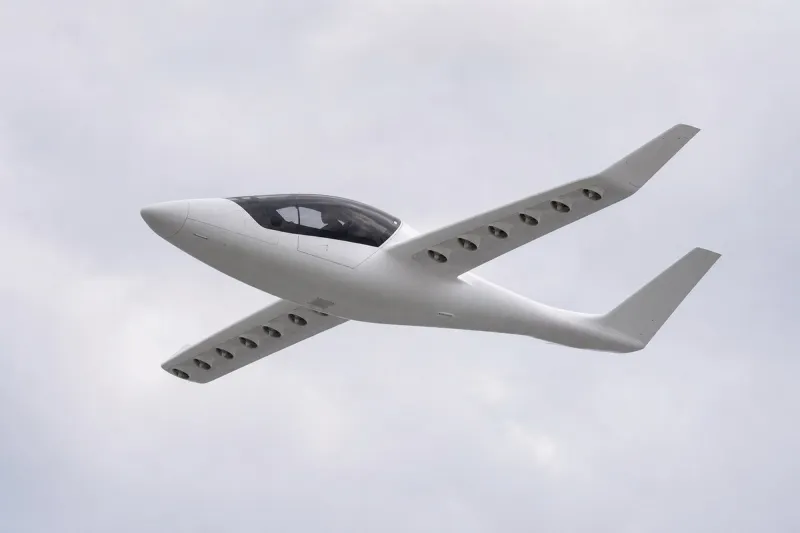
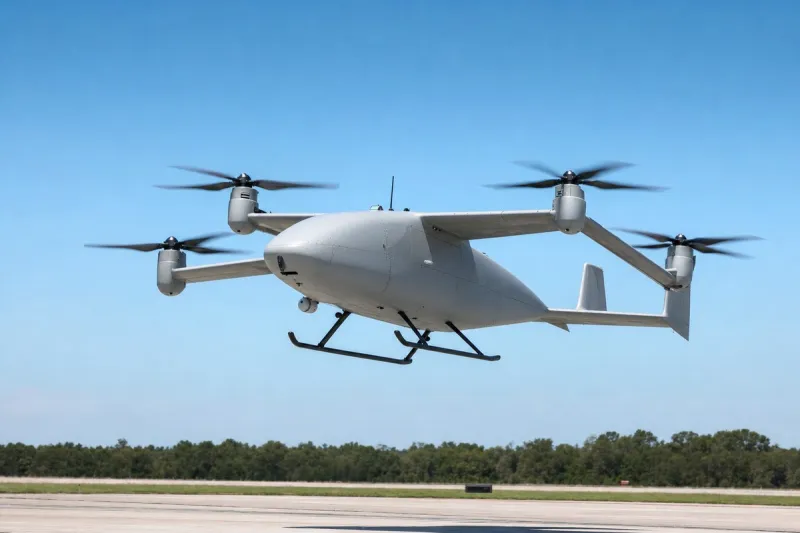
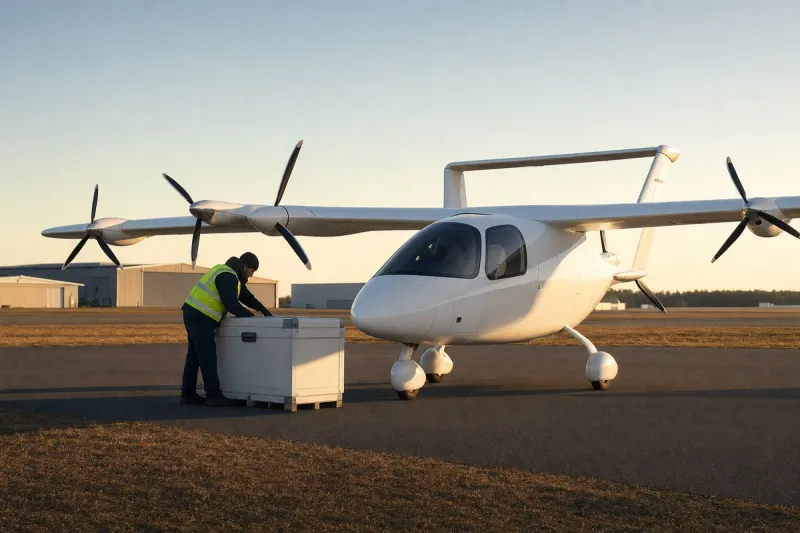
EHang remains the only company with a fully completed certification stack for pilotless passenger flight under China's CAAC. Beta Technologies completed a roughly one-billion-dollar IPO in November 2025 at a valuation of about seven billion dollars, while Embraer-backed Eve Air Mobility and AutoFlight, which flew the world's first intercity eVTOL route in China in 2025, have also shown progress, alongside Israeli company AIR's delivery of a production cargo eVTOL. Remaining obstacles include battery energy density, the stricter certification path for autonomous operations, the lack of a scaled digital air-traffic system for low-altitude urban airspace, and the need to build and grid-connect vertiports, pointing to piloted service expanding through the second half of this decade and genuine autonomous operation only in the early-to-mid 2030s.