AUVSI: Drone and AAM Operations Have Scaled, but Part 108 Standards, Security Framework and Public Acceptance Remain the Hurdles
Why It MattersDrone delivery and advanced air mobility now operate at commercial scale on waiver-based rules, so the pace of the next phase depends on how Part 108's technical standards are written.
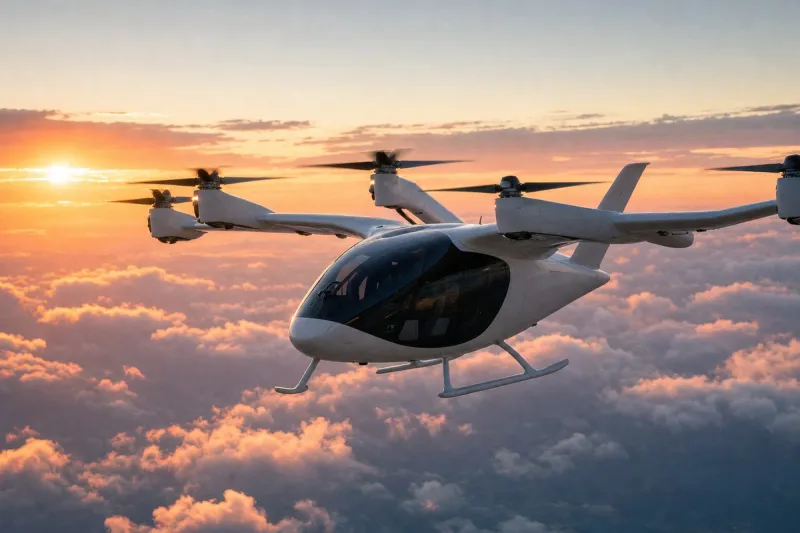
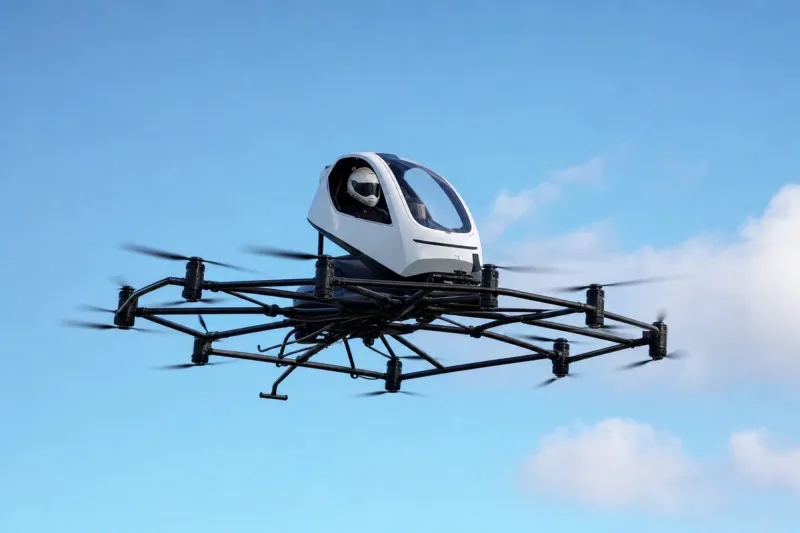
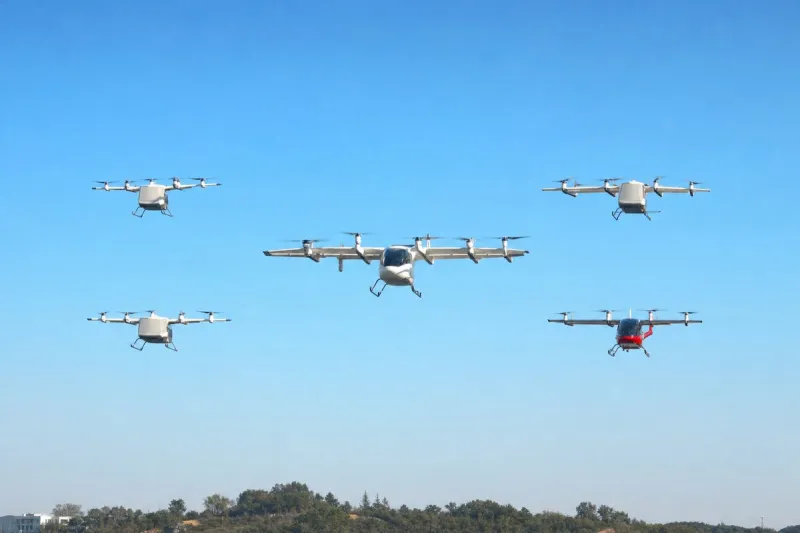
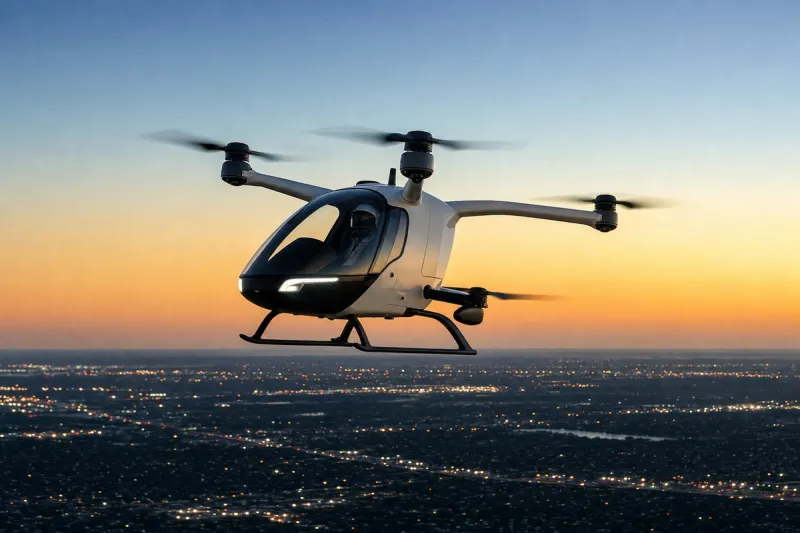
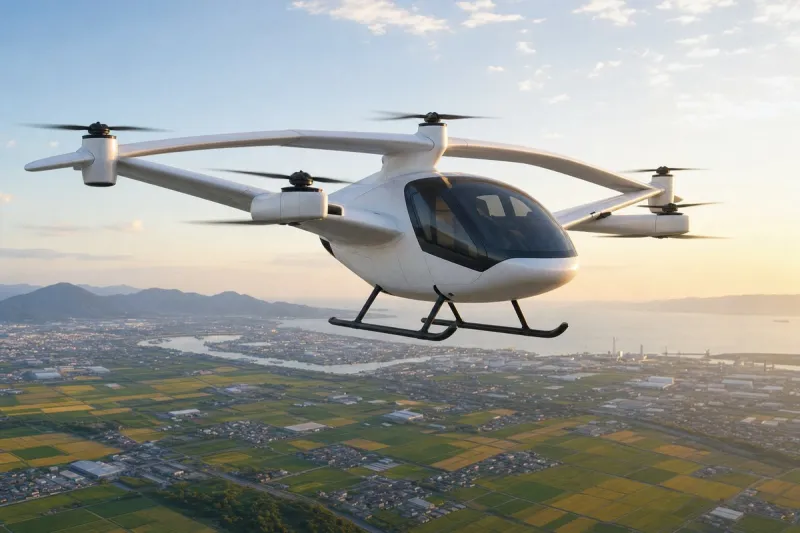
At Honeywell Aerospace's American Aviation Leadership Summit in Washington, two panels addressed what stands between current drone and advanced air mobility (AAM) operations and a national network, according to Alison Wyrick-Mendoza, AUVSI's Vice President of Marketing, Communications and Strategic Programs, writing on November 19, 2026. One panel included the FAA, Amazon Prime Air and Electra; the other included the U.S. Department of Transportation and Wing. Amazon Prime Air operates across 17 U.S. metro areas at roughly 4 million deliveries a year, while Wing has passed 1 million deliveries in the Dallas area alone, working with retailers such as Walmart, DoorDash and Lowe's. Electra is building a hybrid-electric aircraft that needs only about 150 feet to take off and recently landed on a barge in New York City.
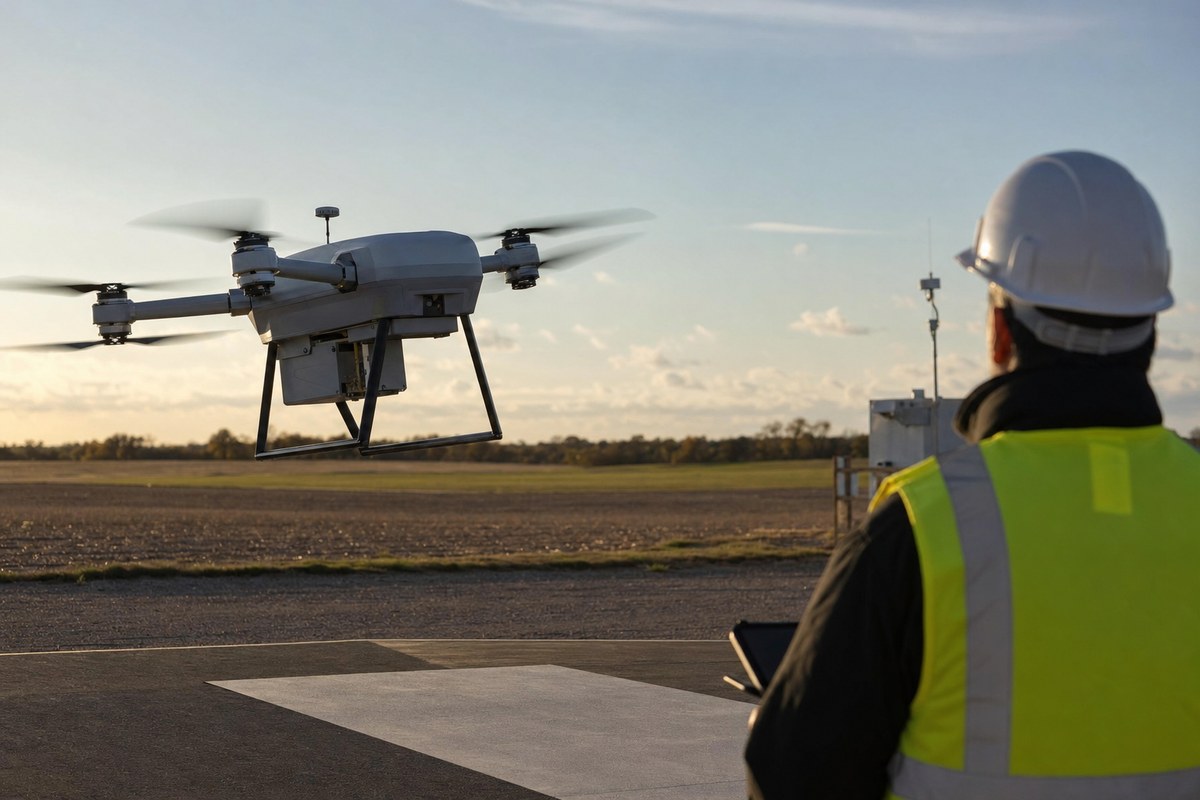
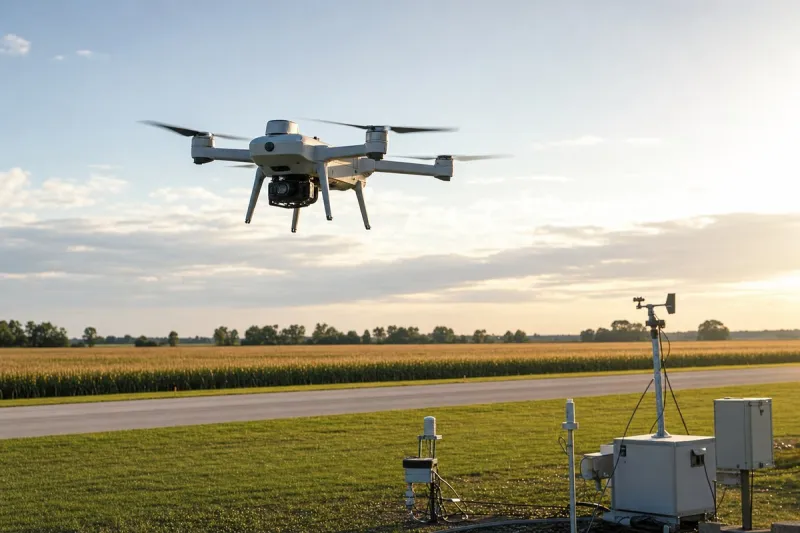
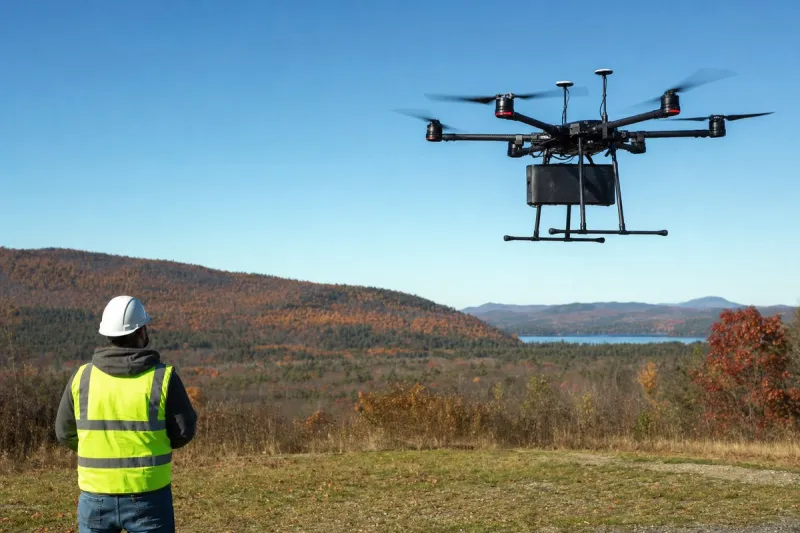
Much of this growth still runs through Part 135, rules written for crewed airplanes and extended to drone and AAM operations through waivers and exemptions. Part 108, the FAA's rule for routine beyond-visual-line-of-sight operations, would replace case-by-case waivers with a standard, risk-based path. The FAA sent the final rule for White House review in July 2026, and AUVSI continues to call for timely finalization. Panelists cautioned that Part 108 is performance-based, so the detail will sit in technical standards for airworthiness, training and interoperability. Part 146 would let the FAA approve third-party service providers such as traffic management systems; a consortium of 17 operators and service providers has already digitally separated more than 2 million flights. Panelists also called for a certification path that keeps pace with frequent software updates without lowering the safety bar.
On public acceptance, operators have held town halls and demonstrations before launching service, and have redesigned motors and propellers and adjusted flight routes to reduce noise and visual intrusion. During the 2026 World Cup, with strict temporary flight restrictions around stadiums, operators coordinated with the Department of Homeland Security for months and made more than 1,000 deliveries near event zones without disrupting security. The SAFER SKIES Act, which AUVSI supported and which became law in December 2025, creates a path for qualified state, local, tribal and territorial agencies.
AUVSI listed four priorities for the year ahead: standards that shape the rules, public acceptance as infrastructure, a workable security framework, and a talent pipeline it described as a 20-year project. It will keep advocating for timely finalization of Part 108 and will convene stakeholders at the Drone & AAM Policy Symposium and XPONENTIAL 2027 in Miami Beach, May 17–20.