Two FAA-Licensed Spaceports Propose 250-Mile Supersonic Test Corridor Across West Texas and New Mexico
Why It MattersA dedicated overland supersonic range would give future civil supersonic programs and spaceflight operators a regulated alternative to case-by-case special flight authorizations, as the FAA moves toward ending its supersonic ban.
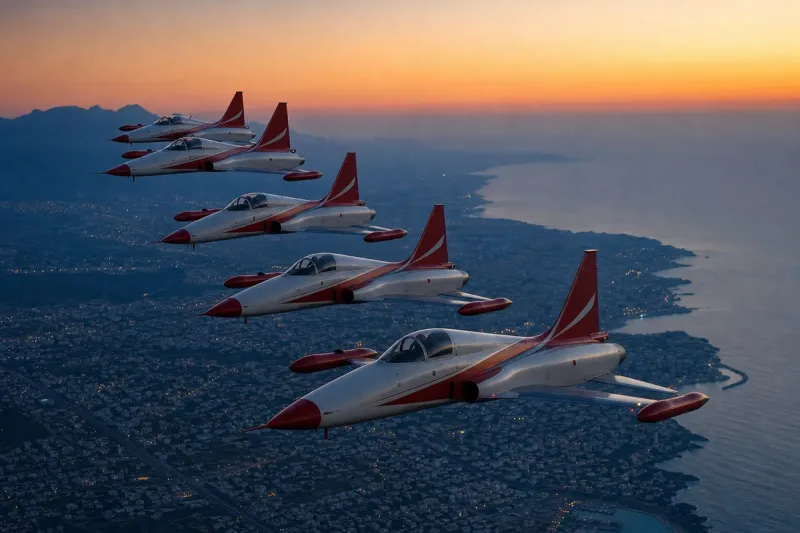
Midland International Air & Space Port in Texas and the New Mexico Spaceport Authority, which operates Spaceport America, are partnering with F-104 supersonic jet operator Starfighters Space to develop a dedicated high-speed flight test corridor and inland space launch range. The proposed site would span about 250 nm between the two FAA-licensed spaceports, covering sparsely populated West Texas and southern New Mexico airspace. Starfighters aims to be the first to use the corridor, and the parties are currently working under a letter of intent rather than a formal agreement defining their roles.
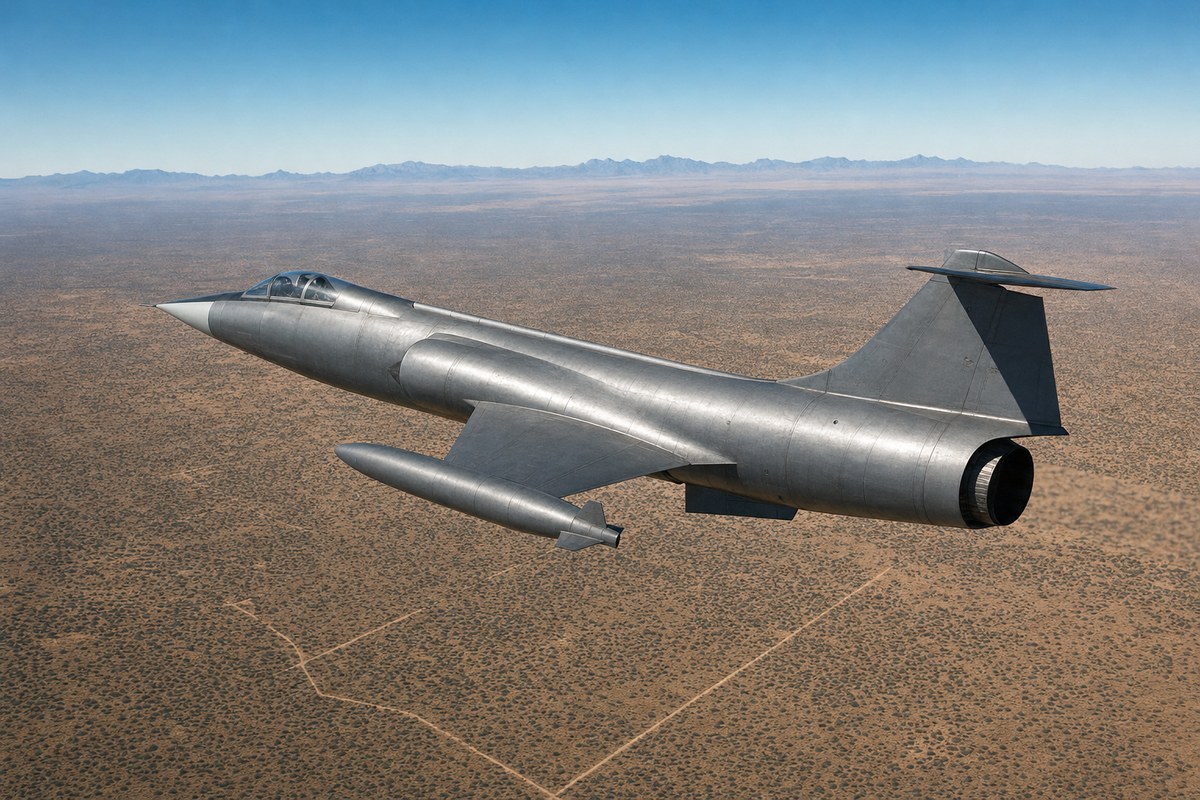
The partners propose that the corridor could be used to measure the effects of sonic booms and to develop procedures for integrating supersonic air traffic. Looking further ahead, they hope to establish it as a site for orbital launches, point-to-point spaceflight and the recovery of spacecraft. Justine Ruff, director of Midland International Air & Space Port, said that connecting two licensed spaceports through a dedicated high-speed flight corridor offers an opportunity to help shape the future of aerospace while showing that traditional aviation and emerging space technologies can coexist.
The proposal comes as the FAA considers changes affecting supersonic flight and commercial space activity. In June the agency took the first step toward repealing its 53-year-old ban on civil supersonic flight over the continental U.S. A handful of commercial companies currently use special flight authorizations to conduct supersonic testing over land, but the FAA has proposed interim noise-based certification standards that would remove the need for such authorizations. The FAA is also soliciting input on the siting of new spaceports and the designation of priority airspace for launch operations. In August the White House set a goal of facilitating more than 1,000 annual U.S. space launches and reentries by 2030.
Midland International Air & Space Port became the first U.S. commercial service airport to receive a spaceport license in 2014. Spaceport America hosts testing and operations by companies such as Boeing, Otto Aerospace and Virgin Galactic. Starfighters already operates F-104 jets at Midland International and uses a flight range encompassing both sites; the company is developing an air-launch system that it said could enable orbital launch operations from the proposed corridor.