Jersey Airport Drone Disruptions Highlight Gap Between Detecting Drones and Authority to Act, OpEd Argues
Why It MattersThe case frames counter-drone readiness as a question of decision authority and rehearsed coordination rather than sensor coverage, a gap that affects airports and civilian infrastructure operators alike.
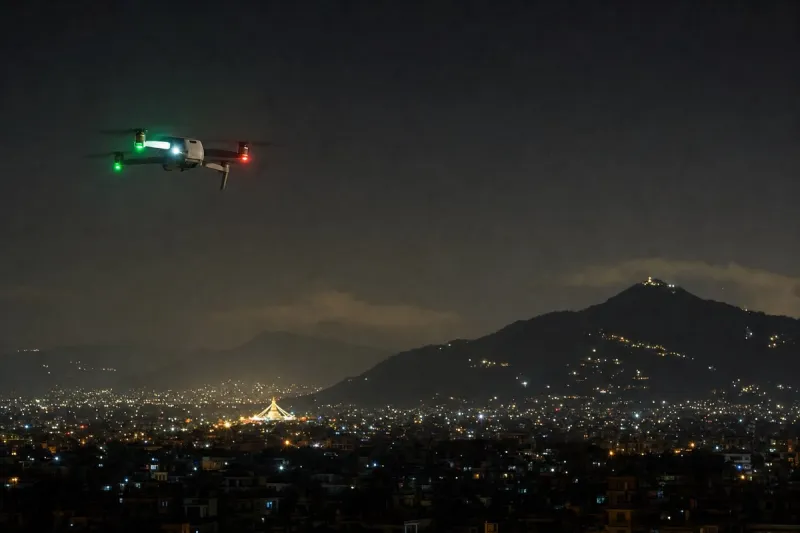
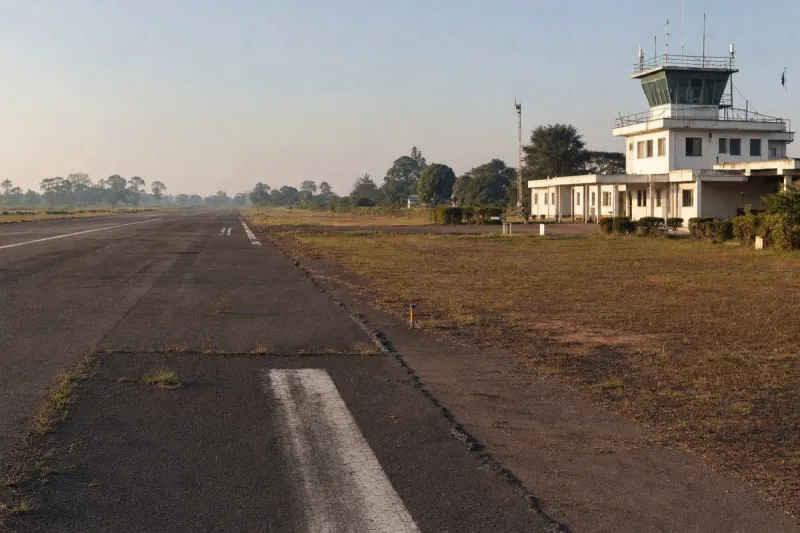
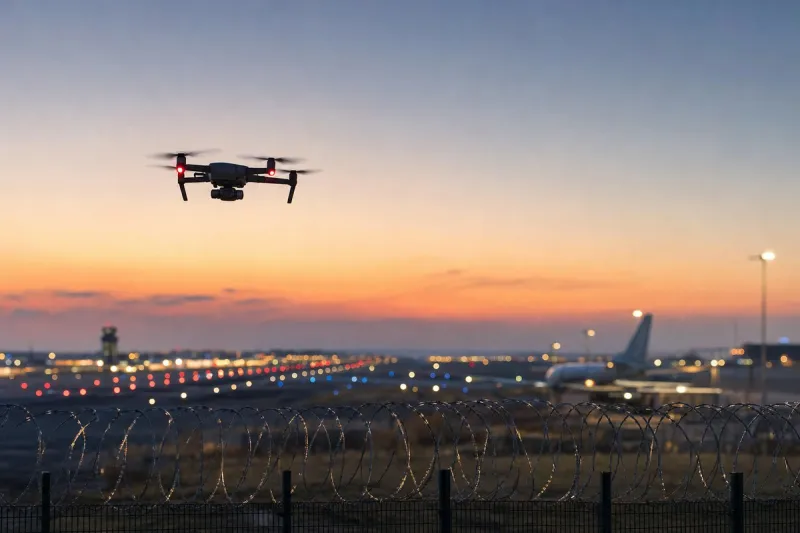
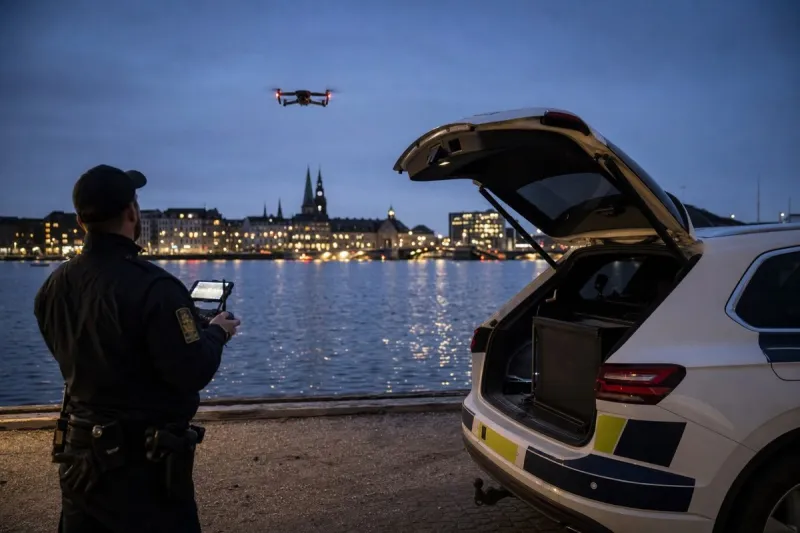
Unauthorized drones disrupted Jersey Airport on October 30 and 31. The island government reported that nine planned medical procedures were cancelled and a non-emergency air ambulance transfer was aborted. Its November 2 update described a multi-agency response and preparations for further disruption, and by November 3 officials said specialist drone-detection capability was on the island.

In an opinion piece, Burak Oktenli argues that detection alone does not secure a safe, coordinated civilian response. Its value depends on decisions made outside the detector: who assesses a report, who can change airport operations, who can use specialized countermeasures, and how affected services are restored. He contends the missing capability is a rehearsed institutional response rather than additional sensors.
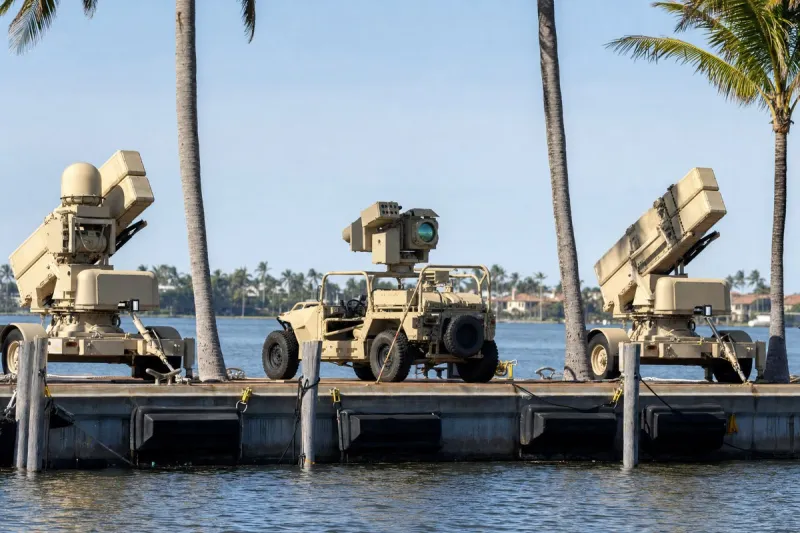
The piece cites several policy frameworks. In the United States, FAA airport guidance distinguishes equipment that detects drones from systems that interfere with, redirect or disable them, and such interventions are restricted to federal departments with explicit statutory authority, with aviation-safety coordination required. On November 9, the FAA announced an expanded interagency counter-drone agreement, a memorandum of understanding led by the White House Task Force to Restore American Airspace Sovereignty. The European Union's February 2026 Action Plan on Drone and Counter-Drone Security acknowledges fragmented national powers across aviation, police, defence and telecommunications law, and notes that many civilian infrastructure operators can identify a drone threat without authority to neutralize it. The plan calls for clearer mandates, training and coordinated exercises, but is a policy programme rather than a binding law across all member states. The author also cites an International Civil Aviation Organization counter-UAS workshop in Poland in July 2026 that emphasized coordination.
Oktenli recommends tabletop and controlled exercises that test whether the right decision-maker is reached, whether a lawful protective action can be taken in time, whether avoidable service disruption is reduced, and whether normal operations are restored responsibly, including the decision to stand down. He acknowledges that cost and staffing pressures are the strongest objection.