DataM Intelligence Projects eVTOL Aircraft Market Reaching USD 3,855.1 Billion by 2035 as Certification Milestones Accumulate
Why It MattersThe forecast shows how heavily eVTOL valuations lean on certification and operating-network milestones rather than aircraft design, with regulatory acceptance becoming the main gate for commercial passenger service.
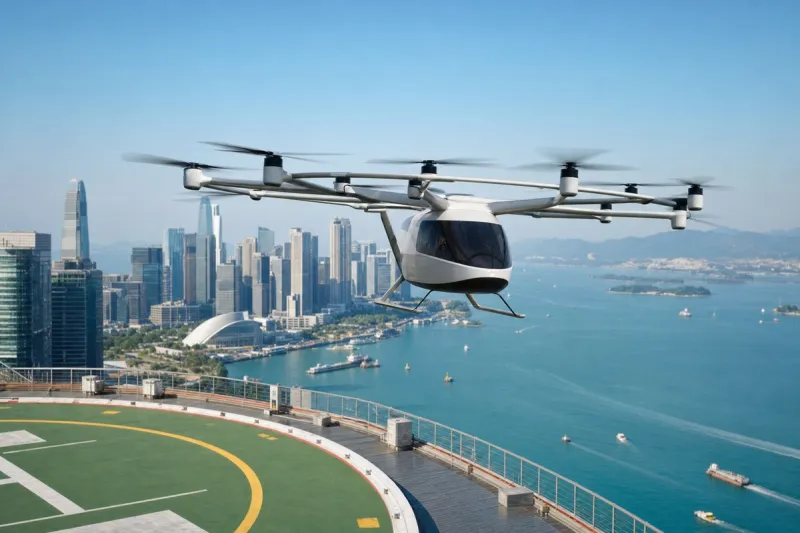
DataM Intelligence estimates the global eVTOL aircraft market at USD 5.7 billion in 2026 and projects it will reach USD 3,855.1 billion by 2035. The report lists a CAGR of 78.5% for 2032-2035, names Asia-Pacific as the largest regional market and the Middle East and Africa as the fastest-growing. DataM says competition is increasingly decided by demonstrating aircraft reliability, building viable operating networks and securing regulatory acceptance rather than by design alone.
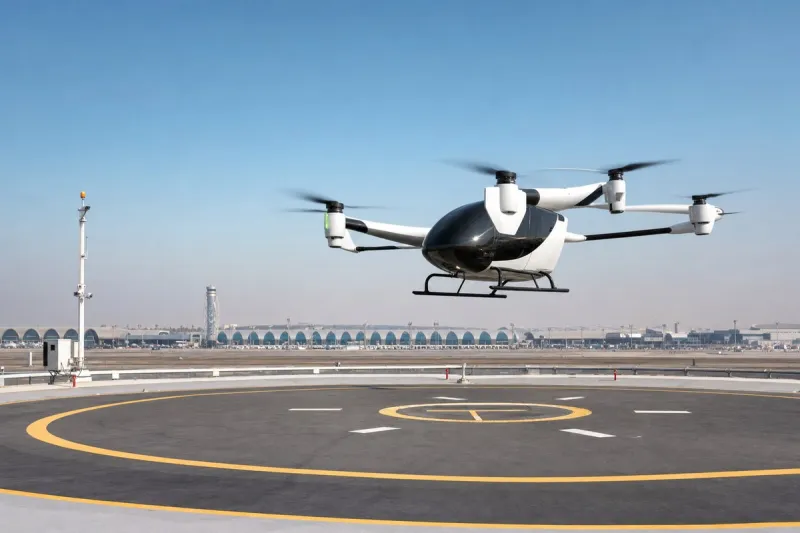
Recent developments cited include a binding Eve Air Mobility and FlyBIS agreement on Nov. 4 covering up to 12 aircraft for southern Brazil, made up of two firm orders and purchase rights for ten more. Florida completed demonstration flights with Joby Aviation and BETA Technologies on Oct. 30 under the U.S. eVTOL Integration Pilot Program, including cargo routes around Tampa Bay. On Oct. 21, BETA announced the FAA issued its ALIA A250 a Special Airworthiness Certificate for market surveys, which permits demonstrations but is not full type certification or approval for commercial passenger operations. The U.S. Department of Transportation announced Texas demonstrations with Joby and BETA on Sept. 10, planning connections among Dallas, Austin and San Antonio, with Houston identified as a future destination.
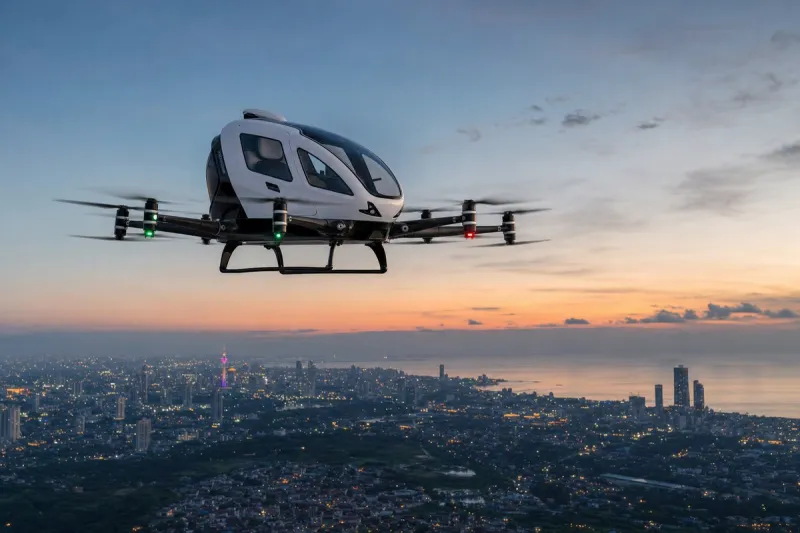
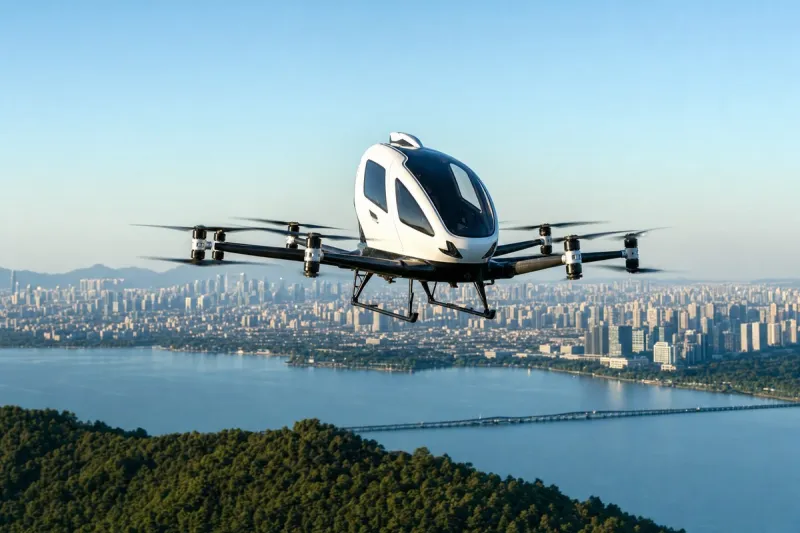
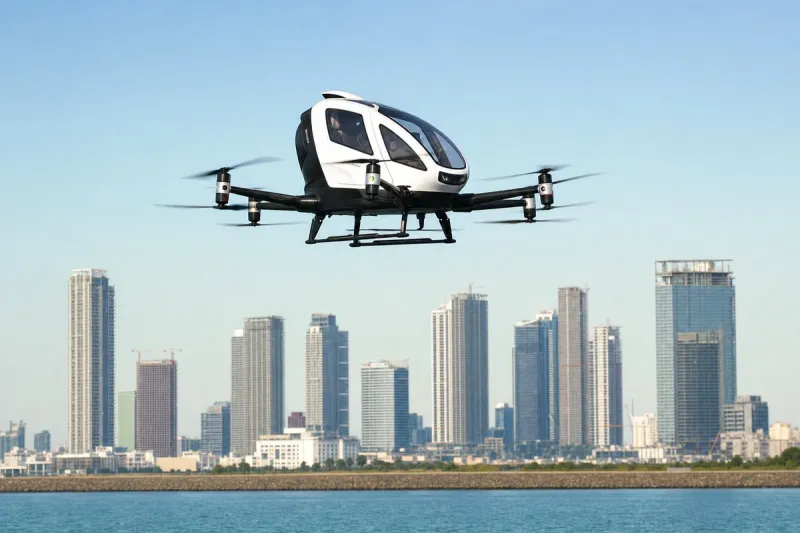
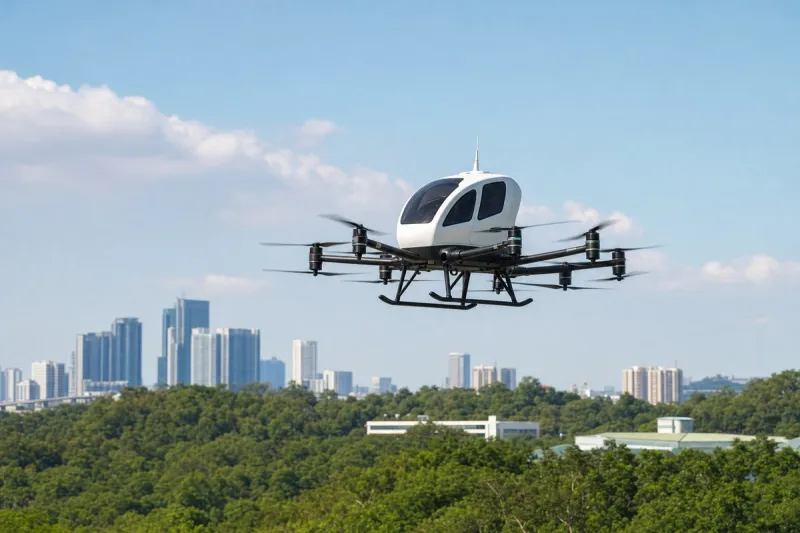
EHang completed its first public EH216-S flight in Hong Kong on Aug. 28 under the Low-Altitude Economy Regulatory Sandbox X initiative. On Aug. 21, Japan's transport ministry accepted Archer Aviation's type-certification application for its Midnight aircraft, the fifth flying-car type-certification application accepted in Japan. Eve's engineering prototype completed its first partial transition flight on Aug. 3, activating its rear pusher propulsion system.
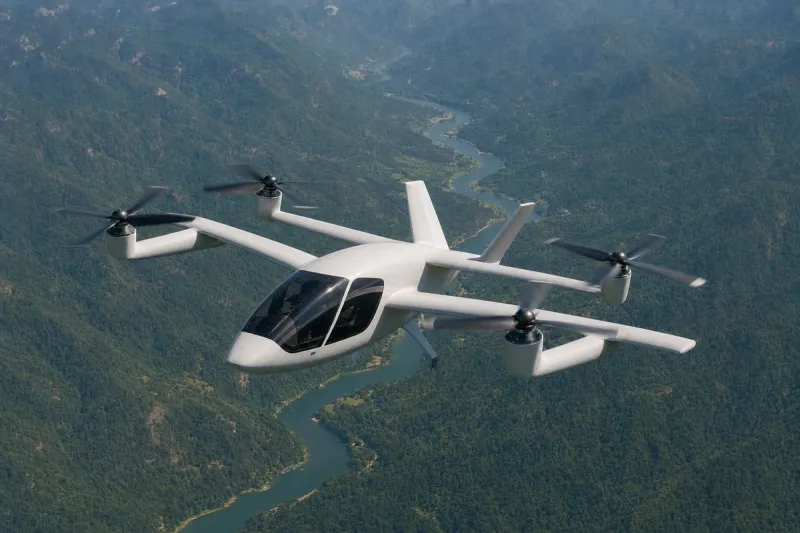
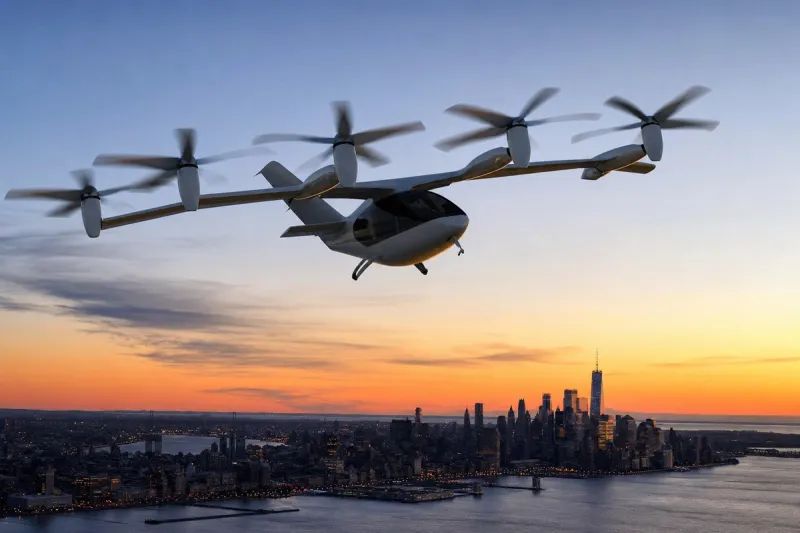
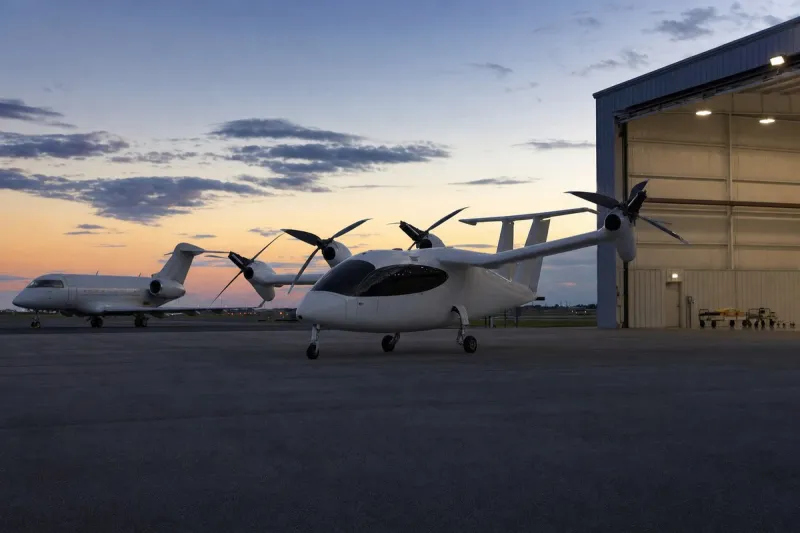
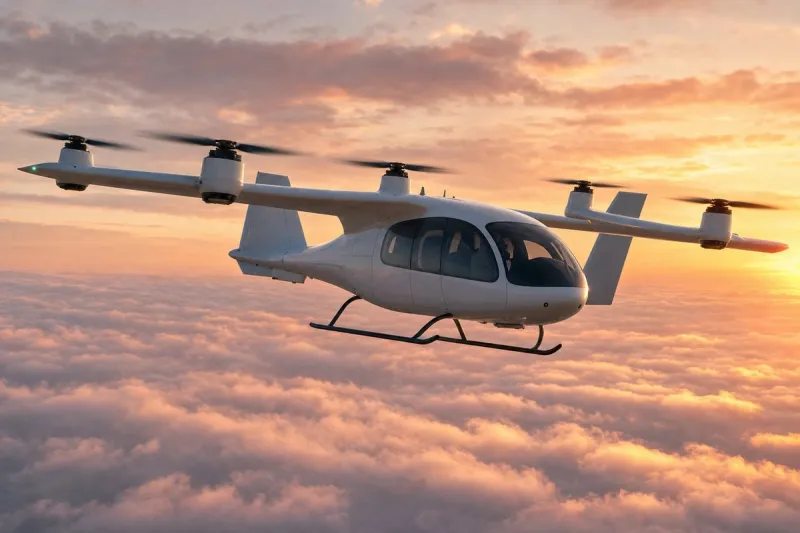
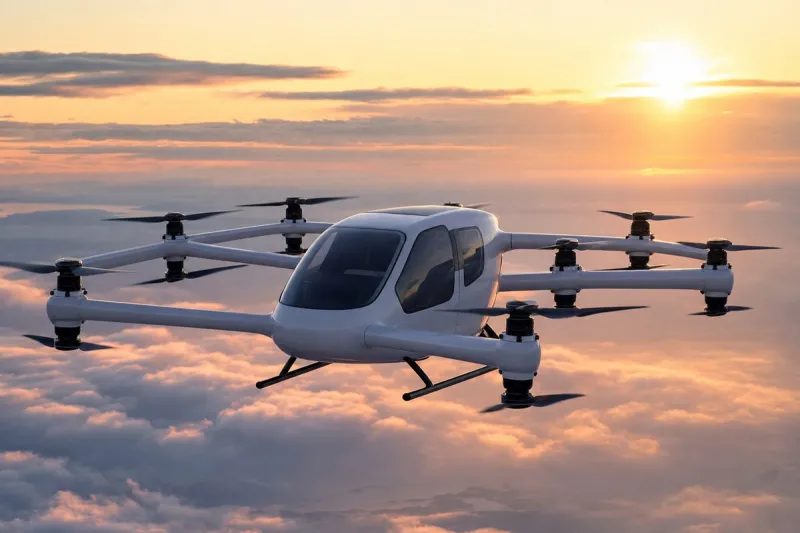
Passenger eVTOL configurations generally seat three to five people and target short-distance urban air taxi services, with cargo, medical and emergency uses as additional early applications. Battery energy density, thermal management, charging availability and range remain constraints for fully electric propulsion, and hybrid-electric configurations may suit applications needing more range or payload. In March 2026, Joby began flight testing its first FAA-conforming aircraft intended for Type Inspection Authorization.