Vaeridion Secures Over €124 Million in Equity and EU Grant Funding for Nine-Seat Electric Microliner
Why It MattersPublic grant money paired with modest private equity shows electric regional aircraft still depend on subsidy and provisional demand, with battery energy density the unresolved constraint on commercial viability.
Munich-based electric aircraft maker Vaeridion has announced more than €124 million in funding for its nine-passenger Microliner, made up of €30 million in equity and a €94.5 million European Union grant.
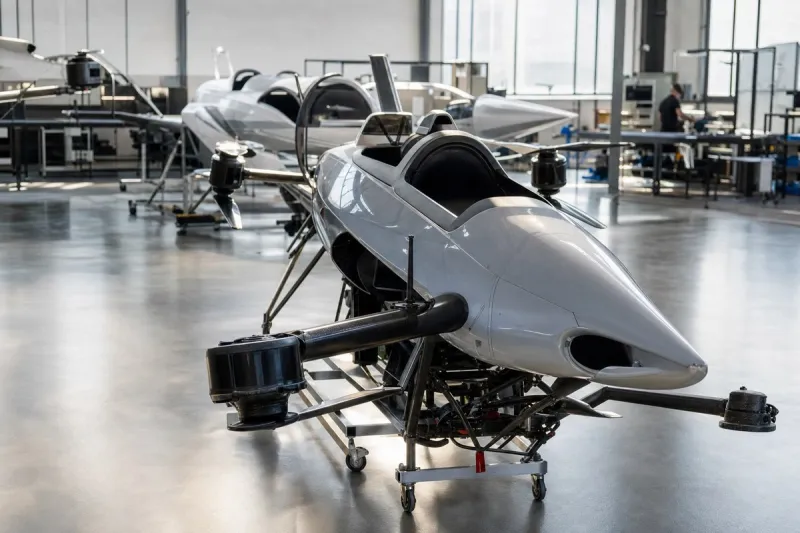
The €30 million Series A2 round was led by SHIFT Invest and Invest-NL, with participation from existing investors World Fund, Project A and Vsquared Ventures, as well as PAYBACK founder Alexander Rittweger. The money will fund construction of the first conforming prototype and integrated battery and propulsion testing. Including this round and earlier public funding, Vaeridion has raised about €60 million to date.
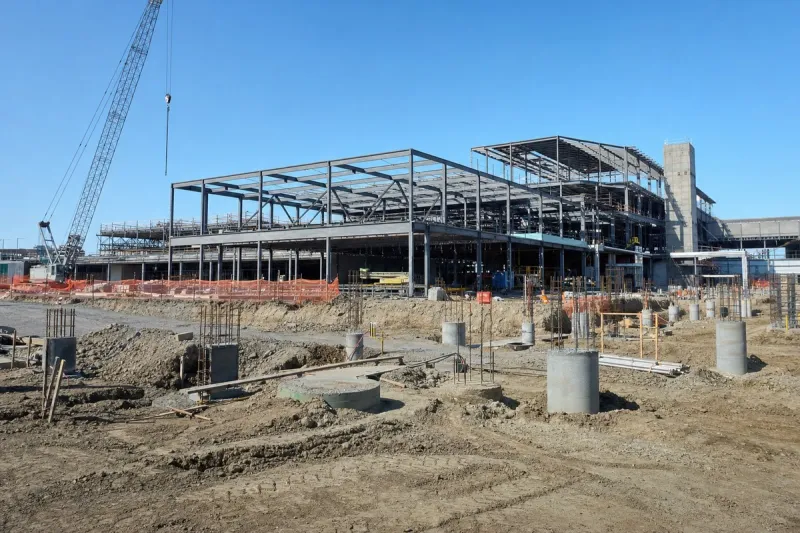
The €94.5 million comes from the EU Innovation Fund for the CAROLUS project, which is meant to establish a final assembly facility at Oberpfaffenhofen Airport near Munich. CAROLUS was selected from 358 applications as one of 12 large-scale projects and is the only aviation project among them. The grant is not part of the €60 million raised, as the selection remains subject to completion of the grant agreement, expected to be signed in 2027.
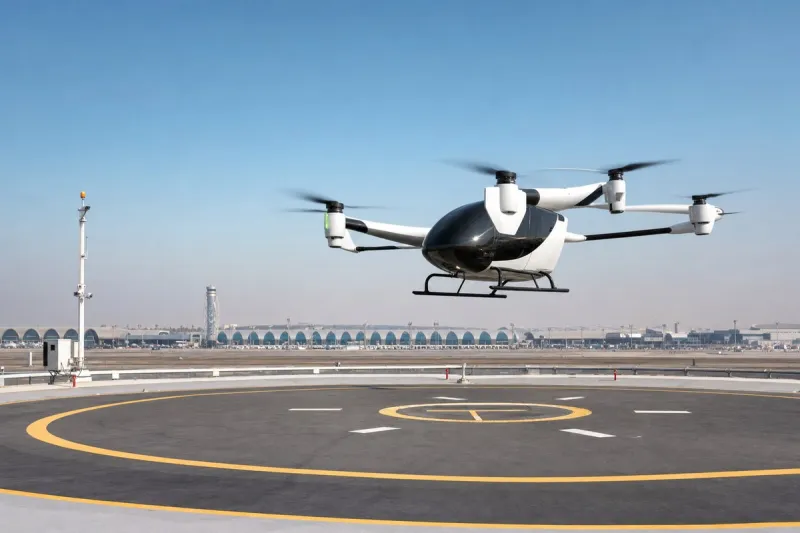
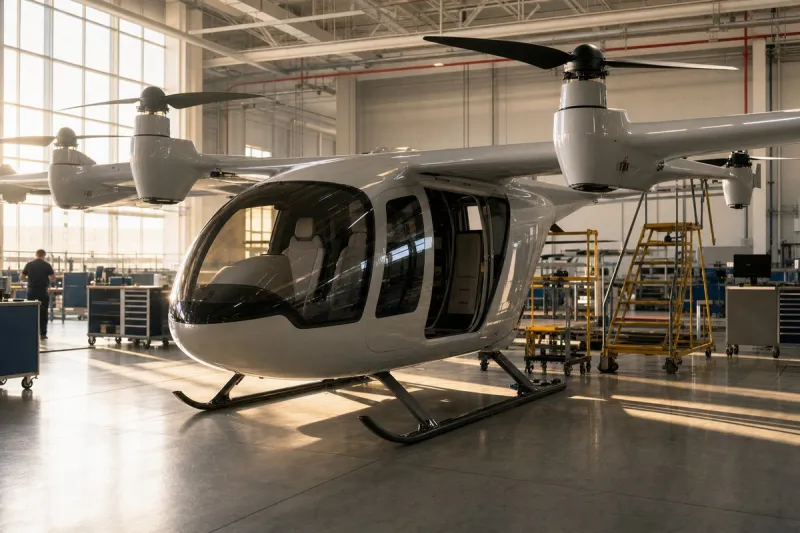
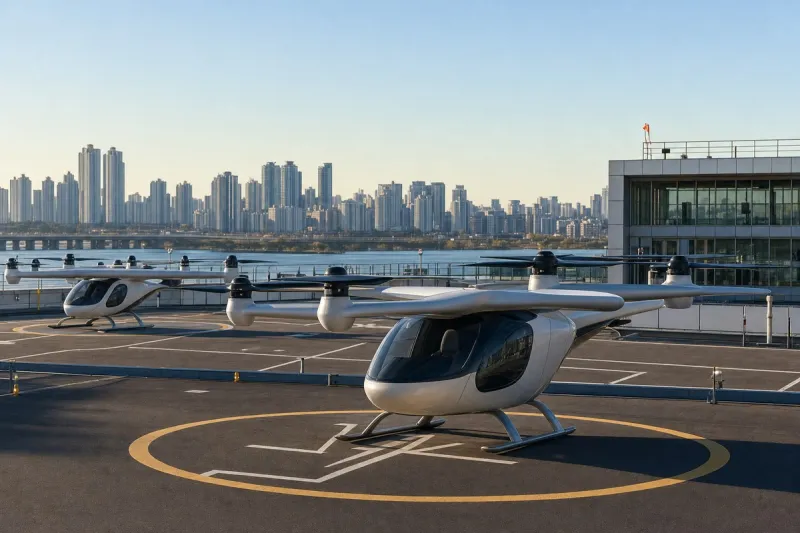
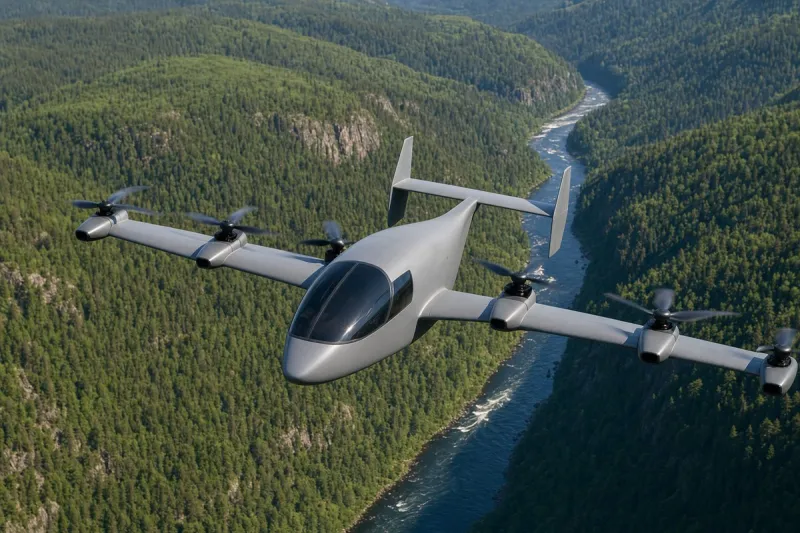
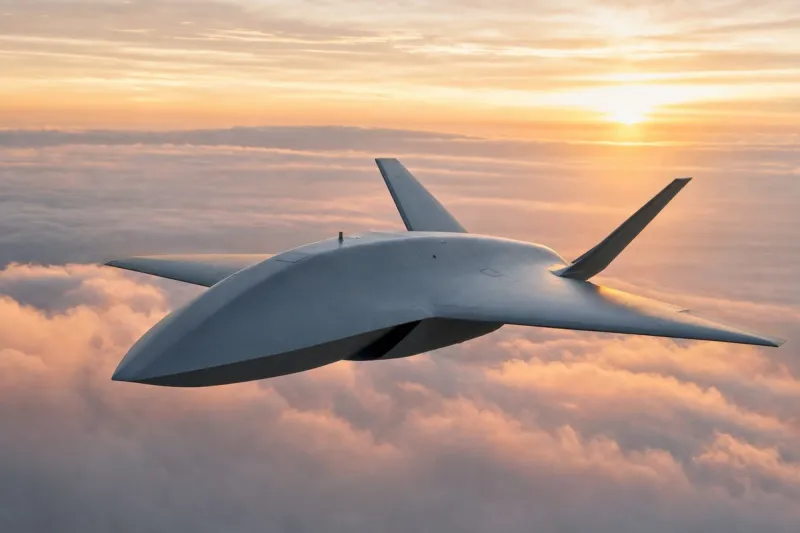
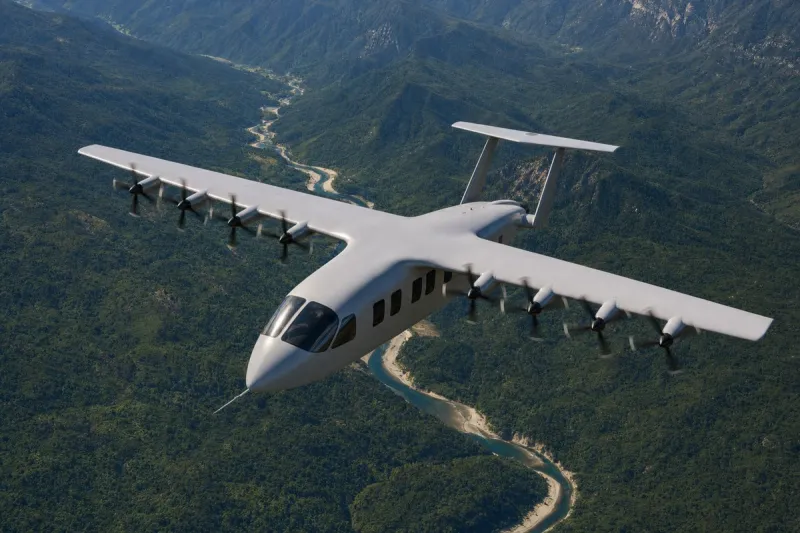
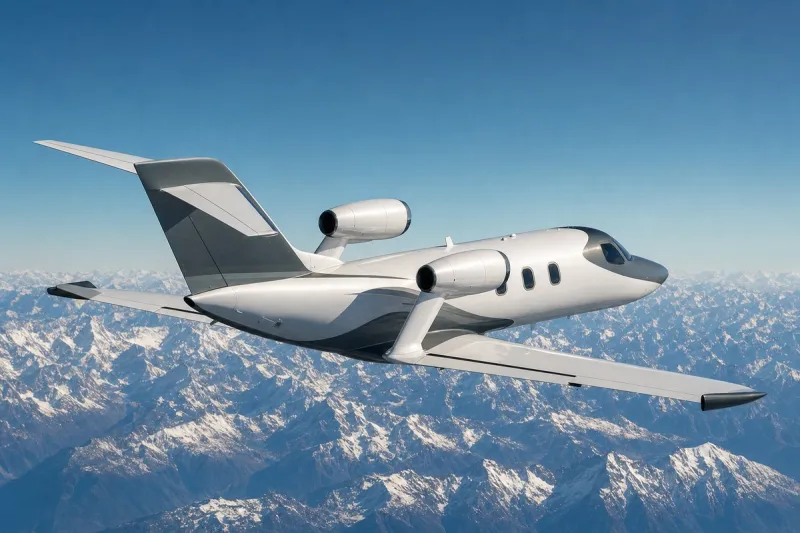
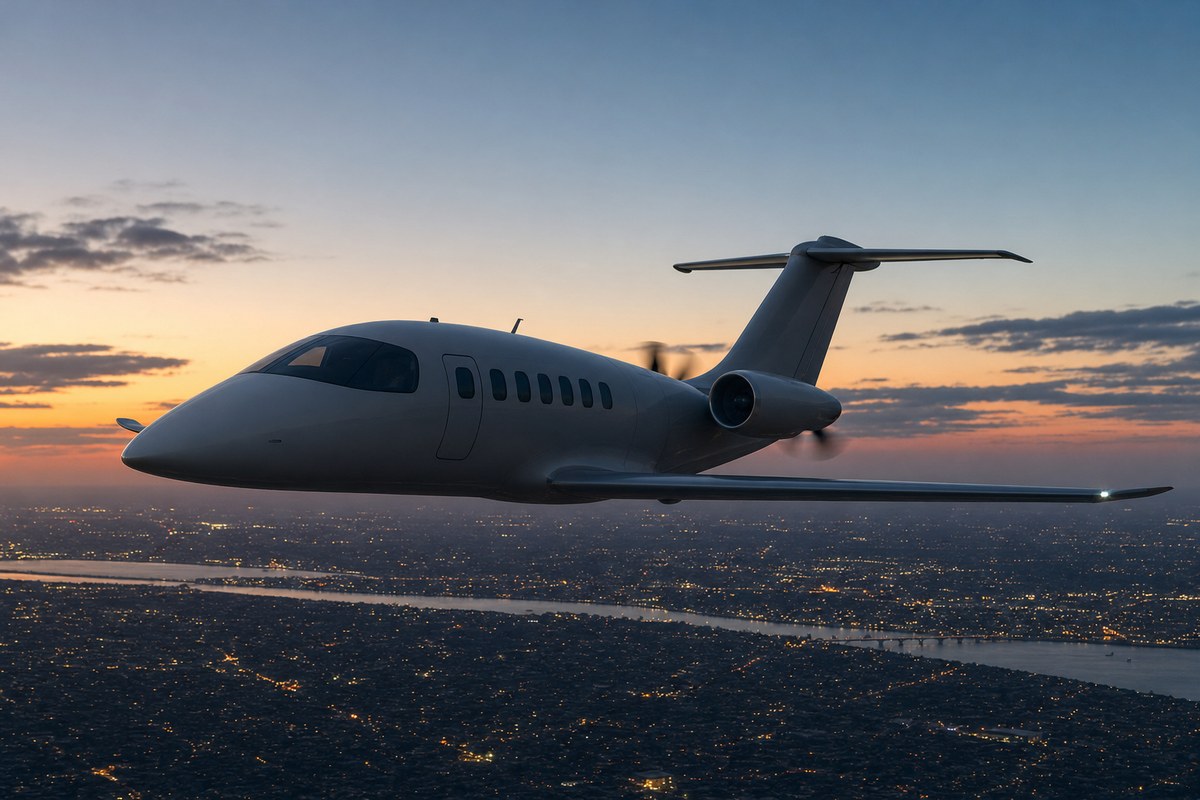
The Microliner is a clean-sheet design with a glider-inspired wing, patented integrated modular batteries and a multi-engine, single-propeller propulsion system. The company targets a range of 400 kilometers with nine passengers under Instrument Flight Rules, or up to 550 kilometers with four passengers under Visual Flight Rules, in passenger and cargo versions. Operating costs are targeted at below €0.40 per seat-kilometer. The aircraft is being developed to EASA CS-23 requirements, and the company says it has completed its Preliminary Design Review.
Vaeridion reports commitments for more than 130 aircraft worth over €730 million from regional airlines, charter operators and lessors, with ASL Group as launch customer. KLM, BayernLB and TrueNoord sit on its Market Advisory Committee. Aviation International News describes the 130 aircraft as provisional sales agreements rather than firm orders. The company notes that jet fuel prices more than doubled year-on-year by October 2026, and that Germany has more airfields accessible to the Microliner than ICE high-speed rail stations.
Battery energy density remains the main technical risk. Vaeridion does not disclose how much energy the batteries deliver, and Eindhoven University of Technology professor Maarten Steinbuch does not expect electric aircraft for 9 to 20 passengers until around 2035.