Miami's $1 Billion D60 Project to Replace Regional Boarding Area With 17 Contact Gates, Backing American Airlines' Largest International Hub
Why It MattersHub airports increasingly convert remote regional stands into contact gates, tying capital spending to the dominant carrier's feeder network, while bond-heavy financing exposes completion dates to schedule drift.
What happened
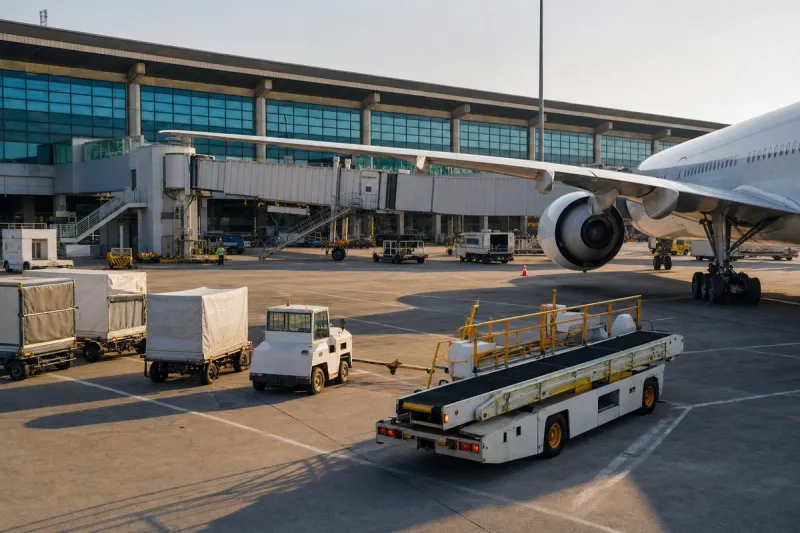
Miami International Airport (MIA) plans a $1 billion D60 expansion that will replace an outdated regional boarding facility at Concourse D with 17 traditional contact gates. The change ends bus transfers and outdoor boarding for regional flights.
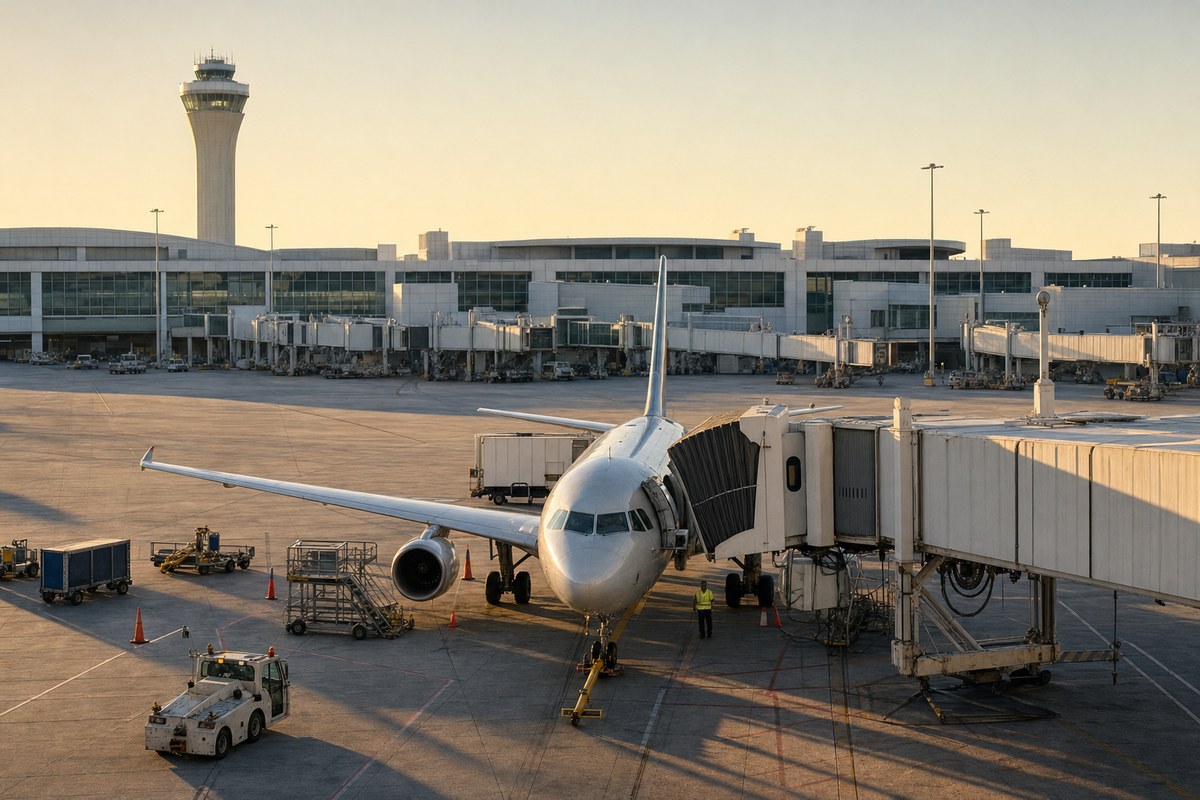
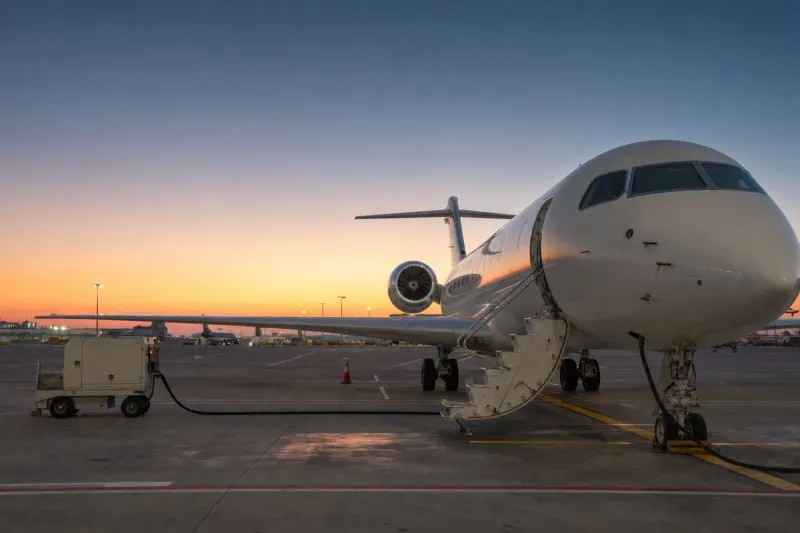
The existing D60 facility is a shared boarding space serving 17 ground-level regional aircraft positions rather than individual gates with boarding bridges. Passengers may be bussed or board outdoors, exposed to Miami's heat, humidity and weather. American Eagle regional flights there are operated by Envoy Air (Embraer 170 and 175), Piedmont Airlines (Embraer ERJ 145 and 175) and PSA Airlines (Bombardier CRJ700 and CRJ900), according to ch-aviation.
D60 will become a three-level extension of Concourse D. The 17 positions will be converted into contact gates, each with its own hold room, able to handle larger regional aircraft and narrowbody aircraft. The expansion adds dining and shopping options and an improved baggage handling system, and will provide third-level connections to Concourse D's US Customs and Border Protection facility.
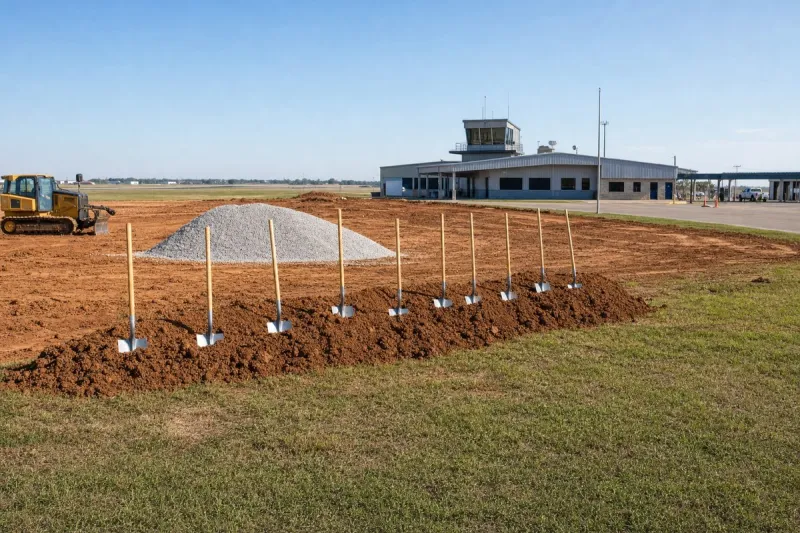
The project is scheduled to break ground in 2027, with completion initially targeted for 2030, although the airport's published capital improvement information also lists 2033 as the completion date. It is financed mainly through airport bonds, plus $34 million in grants from the Florida Department of Transportation.
Who the project serves
American Airlines carries 61.7% of MIA's passengers, according to US Bureau of Transportation Statistics data, and operates about 400 daily departures from the airport. Delta Air Lines (6.9%), United Airlines (3.7%), Frontier Airlines (2.7%) and Southwest Airlines (2.6%) follow.
MIA handled 55.3 million passengers in 2025. Miami-Dade County says the airport generates roughly $212 billion in annual business revenue and supports nearly 946,000 jobs.
Industry impact & what to watch
A carrier holding 61.7% of an airport's passengers shapes where that airport spends its capital. Regional feeder flights are the part of a hub operation most often left in the least comfortable facilities, and replacing 17 ground-level positions with contact gates shows a hub airport treating that feeder layer as core infrastructure instead of overflow space. Gates able to take narrowbody aircraft also give the dominant airline room to change how it uses that concourse over time.
Financing through airport bonds ties the project to the airport's own borrowing capacity and traffic base, with the Florida Department of Transportation's $34 million as a small supplement. The two completion dates the airport's own materials carry, 2030 and 2033, show how far a project of this size can slip between announcement and delivery.
The next dated milestone is the 2027 groundbreaking, which should show which completion year the airport is actually working toward.