SAF Market Shifts From Ambition to Execution as Bankability, Feedstock and Offtake Challenges Persist
Why It MattersSAF is now constrained less by mandate compliance than by whether projects can secure bankable offtake, secure feedstock and reach financial close, which will separate repeatable industrial capacity from stalled announcements.
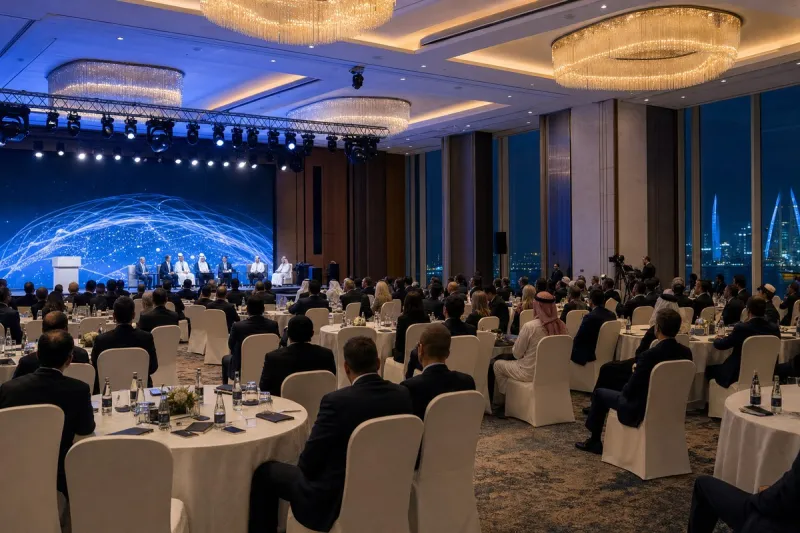
The sustainable aviation fuel (SAF) market is moving from ambition to execution, but financing, feedstock constraints and project risks continue to stand in the way of large-scale deployment, according to Lionel Chapelet, Partner at PMP Strategy. He argues the market lacks not interest but projects that can turn demand, technology and public policy into predictable revenues and financeable infrastructure.
EASA data discussed at the Summit indicate that approximately 1.1 million tons of SAF were supplied at EU airports in 2025, six times the volume recorded in 2024. SAF was supplied at 121 airports across all EU Member States, and the ReFuelEU Aviation mandate was met and exceeded. The economic gap with conventional jet fuel remains decisive: crude prices have risen by approximately 50% over the past year, but that does not translate directly into a comparable reduction in the SAF premium. An S&P analysis indicated that over a short period jet fuel prices increased by approximately 80% while HEFA SAF prices rose by around 15%. Chapelet stresses that a letter of intent is not bankable demand.
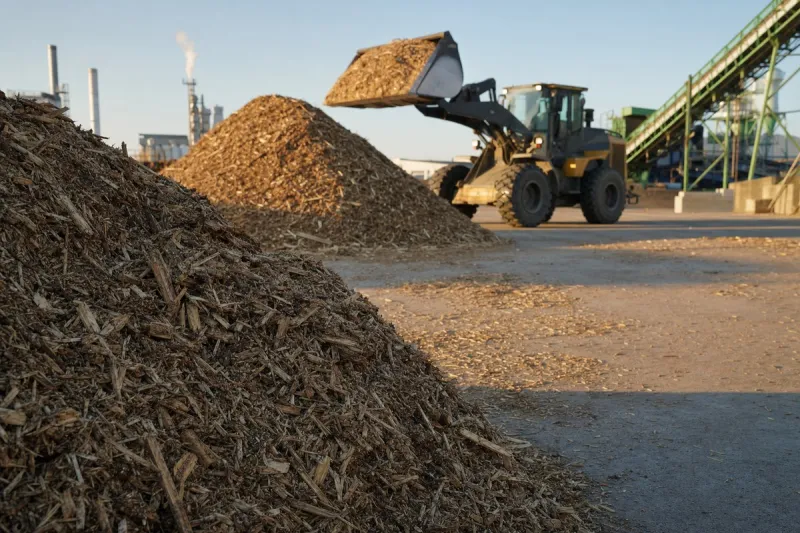
HEFA (Hydroprocessed Esters and Fatty Acids) is the most commercially mature pathway but is constrained by feedstock availability. Used cooking oil remains the majority of SAF feedstock supplied in Europe, and approximately 85% of feedstocks originate from outside the EU. Alcohol-to-jet and power-to-liquid pathways will also be needed; e-SAF is less mature and more expensive, and represents only a very small share of European aviation fuel consumption compared with the 2030 target.
On bankability, investors need confidence in feedstock supply, construction costs, operating performance, offtake, carbon accounting and regulatory stability. Chapelet says each risk should sit with the party best able to control it, with technology performance risk resting with the technology provider, construction risk managed through an appropriate EPC structure, and integration risk with the developer. He adds that a predictable permitting process may be more valuable than a larger but uncertain subsidy, and cites the financial close announced for SkyNRG's DSL-01 facility in the Netherlands, with a capacity of 100,000 tonnes per year.