Advanced Air Mobility May Find Its First Big Market in Public Services and Community Connections, Not Premium Taxis
Why It MattersIf governments and public-service operators become the early eVTOL buyers, demand would be built on subsidised community missions rather than the premium airport-transfer model that Joby and Archer raised billions to pursue.
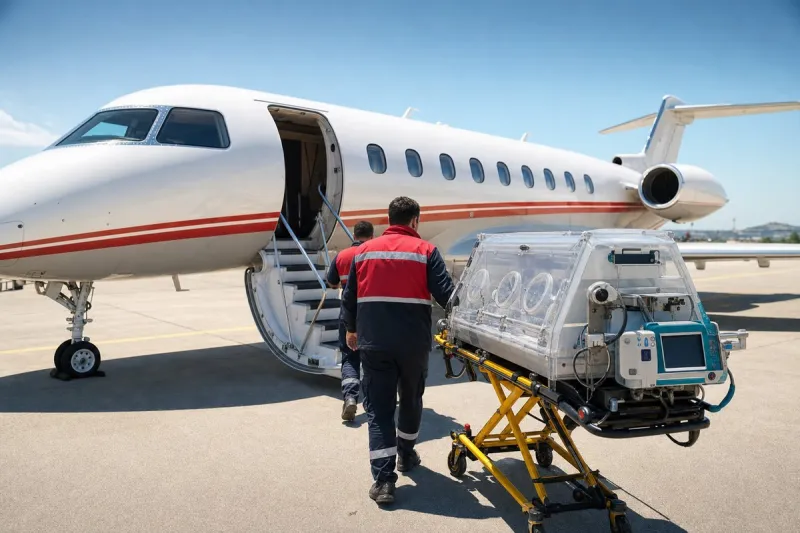
SimpliFlying argues that the advanced air mobility industry, which has spent a decade focused on flying taxis for business and elite-tier airline passengers between city centres and airports, may find a more immediate opportunity in serving communities. Companies such as Joby and Archer have raised billions of dollars on the premium airport-transfer premise. Elham Boozarjomehri, founder of the Canadian non-profit Grey Jay, says governments already spend substantial sums on roads, railways, subsidised transport links, healthcare and emergency services, and have a responsibility to provide essential services even where the economics would not attract a purely commercial operator. Premium airport transport is unlikely to justify public subsidies, while affordable connections to isolated communities or drone services that reduce the cost of wildfire monitoring and medical deliveries are more likely to show a public benefit.

A 2025 Bank of America Institute report forecasts that governments and public-service operators will be important early customers for eVTOL aircraft, while broader passenger markets may take longer to develop as costs fall. The institute describes the low-altitude economy as activity in airspace below 3,280 feet above the ground, and cites BofA Global Research estimating that global civil adoption of eVTOL could grow by 62% in 2025-30E. It lists six end-applications for eVTOLs: public security, logistics distribution, medical and fire fighting, tourism, urban commuting, and int…, and identifies 150-400 km as the potential sweet spot for AAM operations.
Boozarjomehri draws on Canada's transport history. In July 2018, Greyhound announced it would discontinue services across western Canada and northern Ontario, citing a 41% decline in passenger numbers since 2010; the decision affected 583 stops and up to two million annual passenger journeys. By May 2021, Greyhound Canada had closed its remaining domestic services, leaving gaps for rural and Indigenous communities. She founded Grey Jay in 2024 with a name echoing the Greyhound network. The organisation describes itself as a public-interest technology advisory organisation that helps local groups identify aviation solutions.
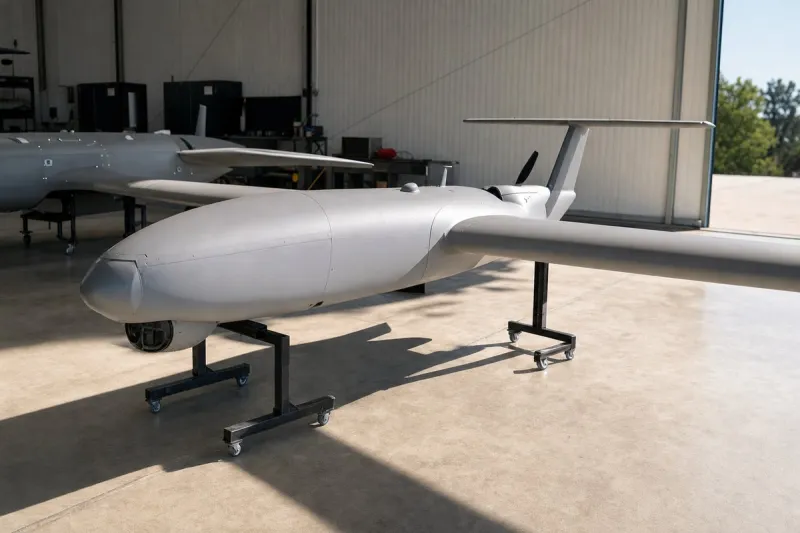
In September 2026, Grey Jay announced a partnership with Montana First Nation Management Inc. in Alberta and German remote-sensing company mundialis to develop a community-owned drone and satellite intelligence service, with commercial operations targeted for 2027. Montana First Nation Management will operate the drones, mundialis will handle satellite imagery processing and geospatial analysis, and Grey Jay will help develop the business and wider aviation framework. Proposed applications include wildfire monitoring, forestry and watershed management, environmental monitoring and emergency response.
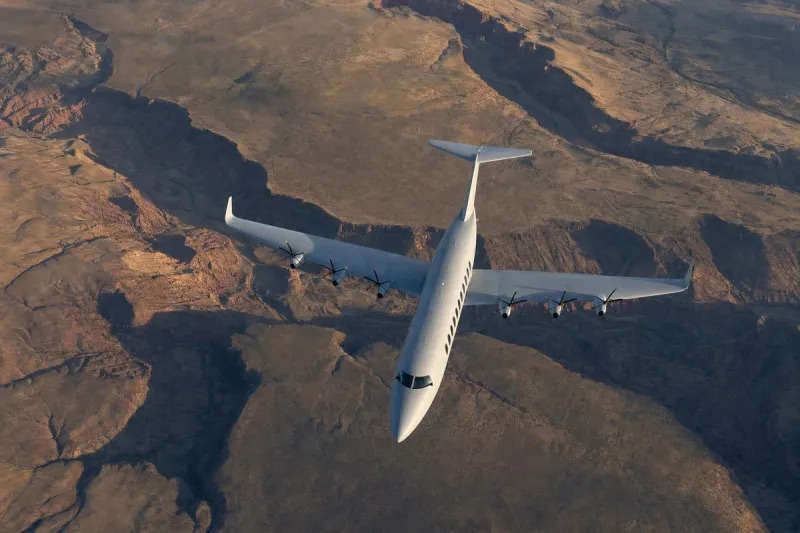
Grey Jay has also researched whether eVTOL aircraft could supplement Vancouver's public transport network, examining scenarios extending to 2050 covering routes, passenger demand, fares, subsidies and station locations. One possibility is connecting communities across waterways without building new bridges or railway extensions, with passengers taking a bus to an eVTOL station, flying across a river and continuing by SkyTrain. Aircraft manufacturers are exploring similar missions: Horizon Aircraft is developing the hybrid-electric Cavorite X7, a seven-seat aircraft for regional transport, medical missions and operations in challenging conditions, targeting a range of 300–500 miles, instrument flight capability and operation in known icing conditions. One potential use is completing the final leg to a remote community after conventional aircraft deliver supplies to a regional airport.