Boeing Forecasts Global Freighter Fleet Will Exceed 4,000 Airplanes by 2045
Why It MattersConversions of passenger airplanes will supply most of the freighter capacity needed, tying cargo fleet growth to the retirement flow of used widebodies and favouring operators with dedicated freighter operations.
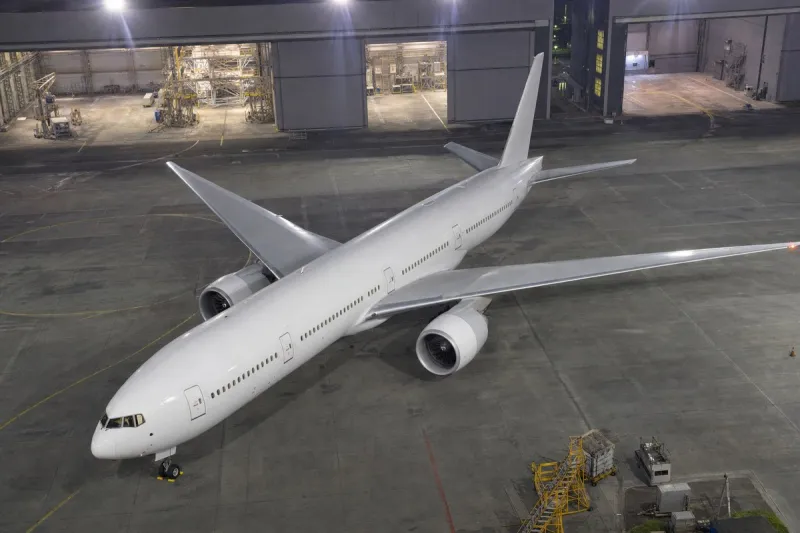
Boeing projects in its 2026 World Air Cargo Forecast that air cargo traffic will double over the next 20 years, taking the worldwide freighter fleet to 4,010 airplanes by 2045, up 67% from 2,395 airplanes in 2025. Boeing released the biannual forecast at The International Air Cargo Association's Air Cargo Forum in Miami.
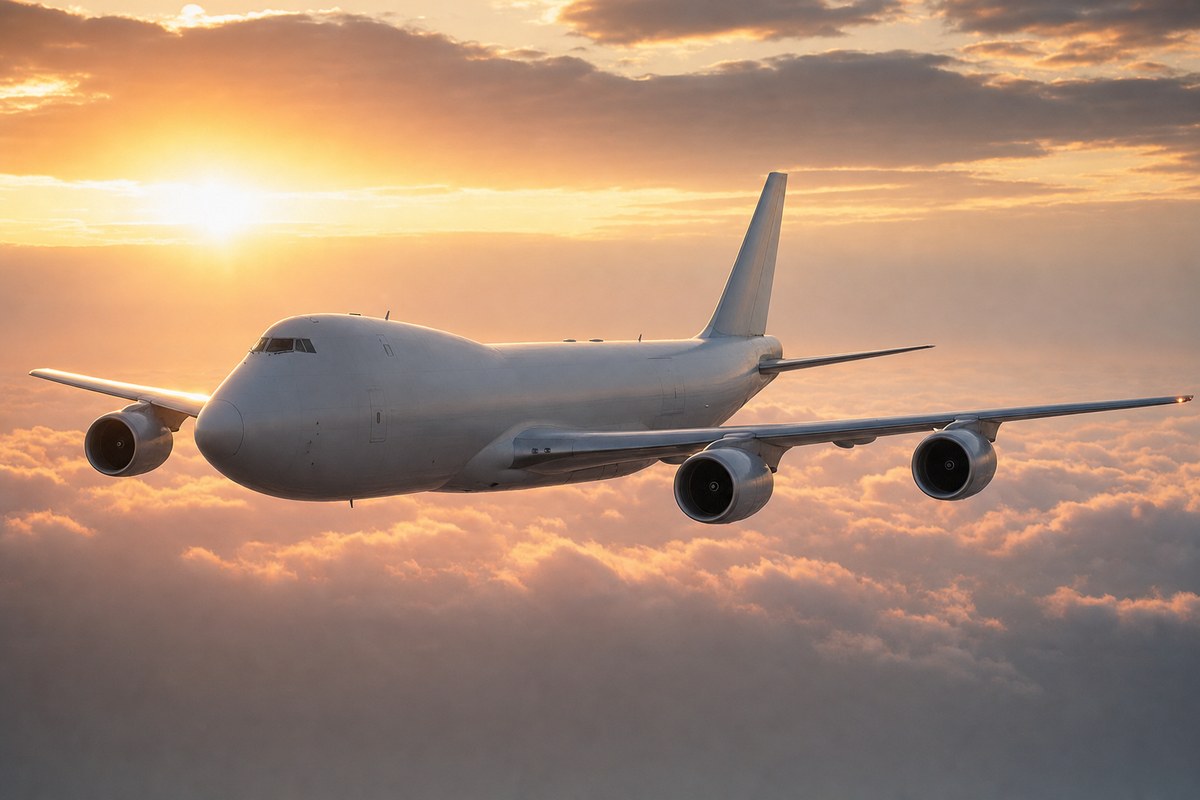
Global air cargo traffic reached a new annual record in 2025, growing 5% from 2024 despite trade volatility and geopolitical disruptions. Boeing expects traffic growth of 3.5% annually over the next two decades, outpacing long-term economic and trade growth. Trade flows touching Asia are set to lead growth and represent approximately 60% of the global market. Growth drivers include time-sensitive shipments for advanced manufacturing and AI hardware, diversifying supply chains, e-commerce and direct-to-consumer business models.
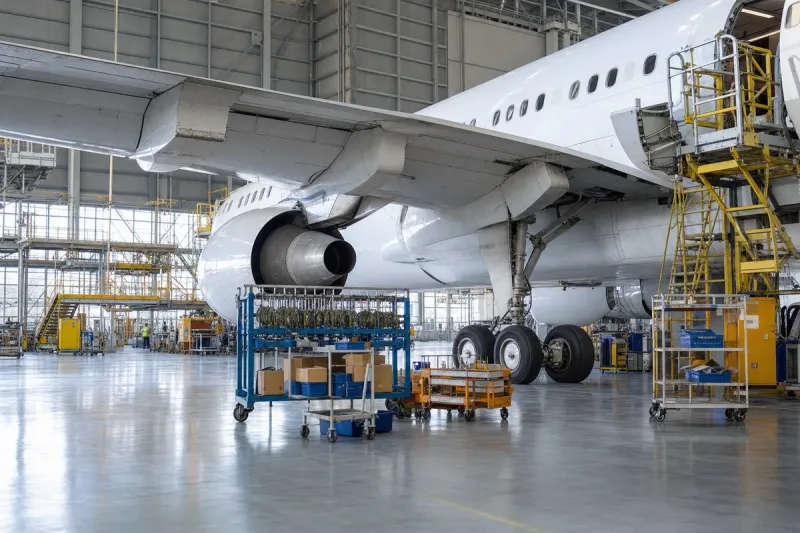
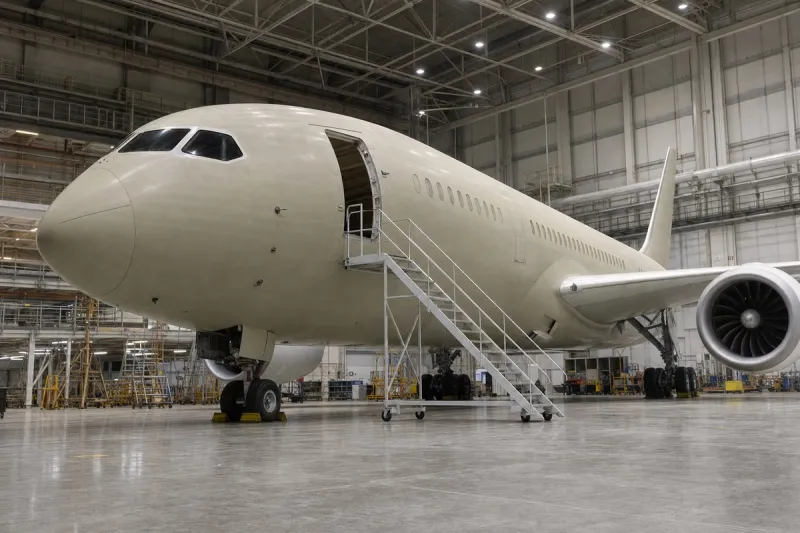
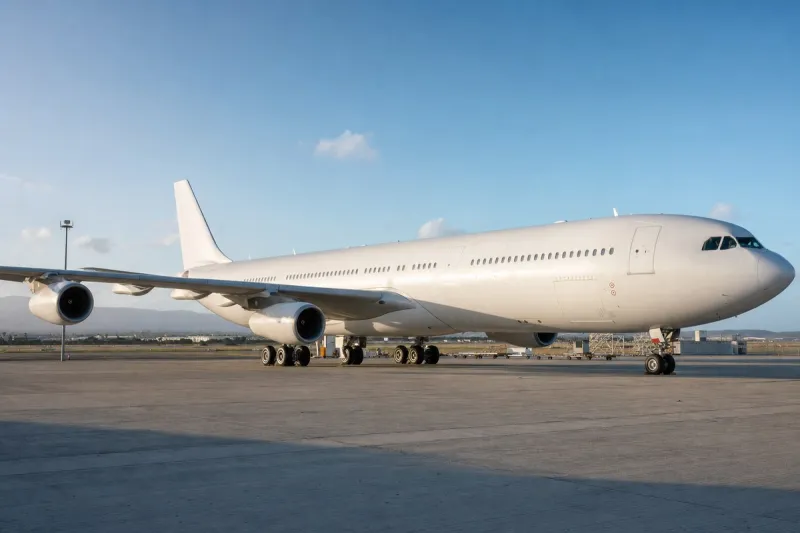
Operators will need 2,930 new and converted freighters over the 20-year period. About 55% of deliveries will add capacity and approximately 45% will replace older, less efficient freighters. Two-thirds of deliveries will be converted passenger airplanes, with the remainder new-production freighters. Dedicated freighters are expected to carry more than half of global air cargo traffic in the long term, and integrators' share of global air cargo traffic is expected to rise to 25% in 2045.
Boeing noted that goods moved by air represent less than 1% of global trade by volume but account for one-third of its value. Approximately 55% of air cargo traffic, measured in cargo tonne-kilometres, has historically moved on main-deck freighters. In 2025, airlines with freighter operations accounted for approximately 90% of air cargo industry revenue of about $170 billion. Darren Hulst, Boeing vice president of Commercial Marketing, said dedicated freighters will remain essential to global commerce as trade patterns change and demand for time-sensitive, high-value goods grows.