139 Acres of Additional Land Handed Over to AAI for Raxaul Airport Expansion in Bihar
Why It MattersBrownfield reopenings of dormant regional fields show how airport capacity is increasingly added near border and industrial catchments, where land handover and compensation settlement, not construction, set the pace of delivery.
What happened
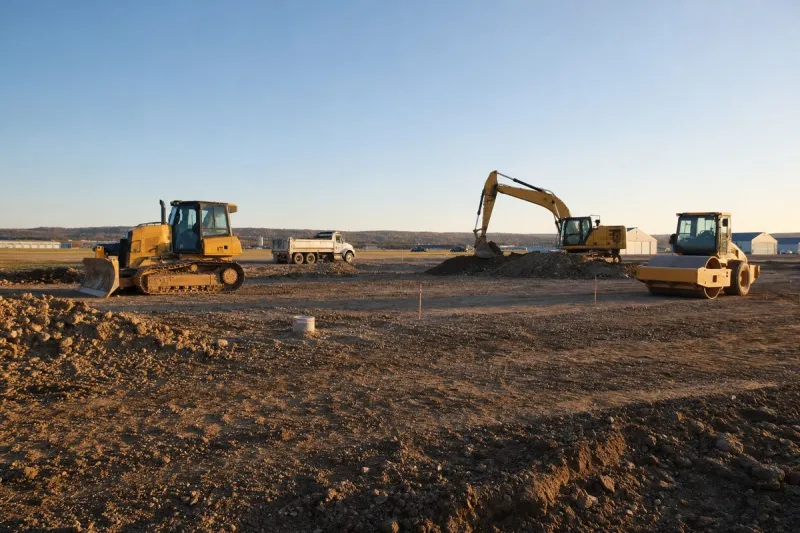
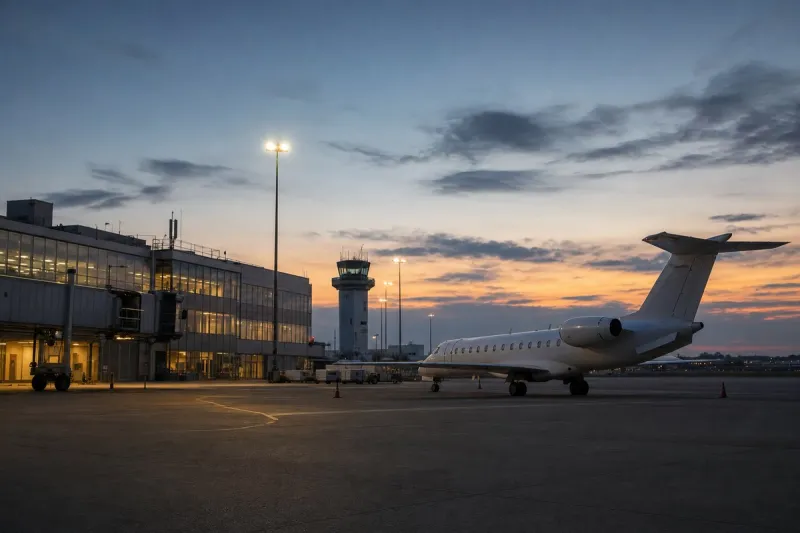
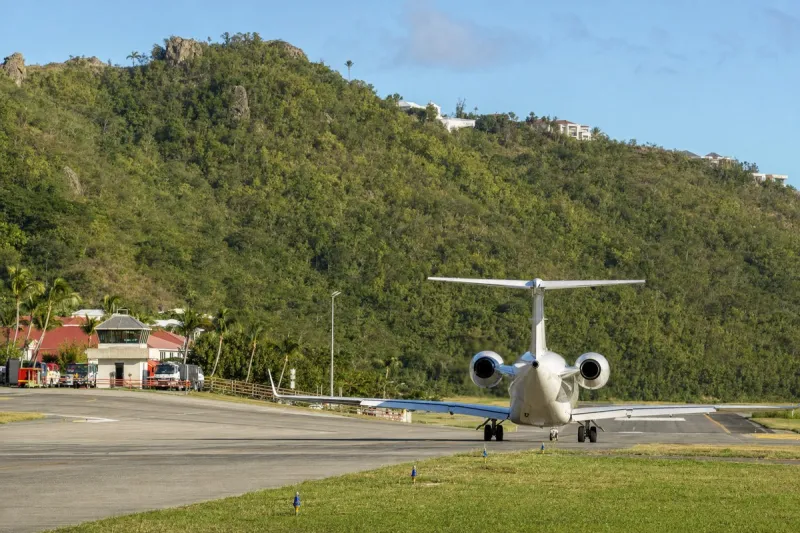
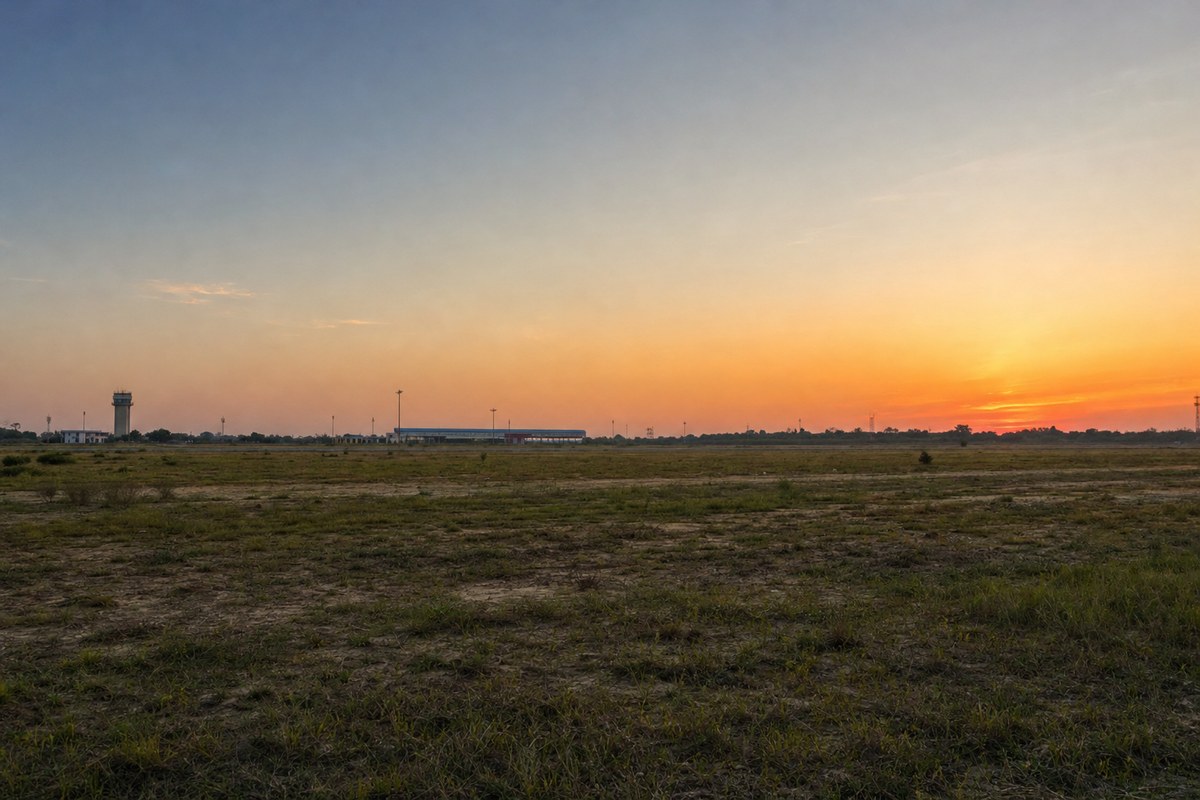
A further 139 acres of land has been transferred to the Airports Authority of India (AAI) for the expansion of Raxaul airport, which sits near the India-Nepal border in Bihar. The tender process for construction is expected to begin soon.
Bimal Prakash, additional district land acquisition officer of East Champaran, said the acquisition and verification of the land had been completed and that the land was handed over to AAI. Most tenants have received the compensation approved by the government, while the remaining cases will be settled soon.
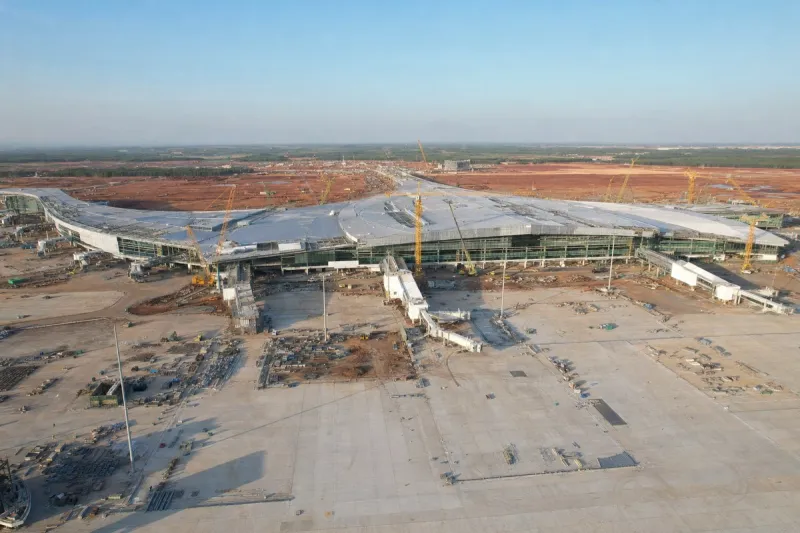
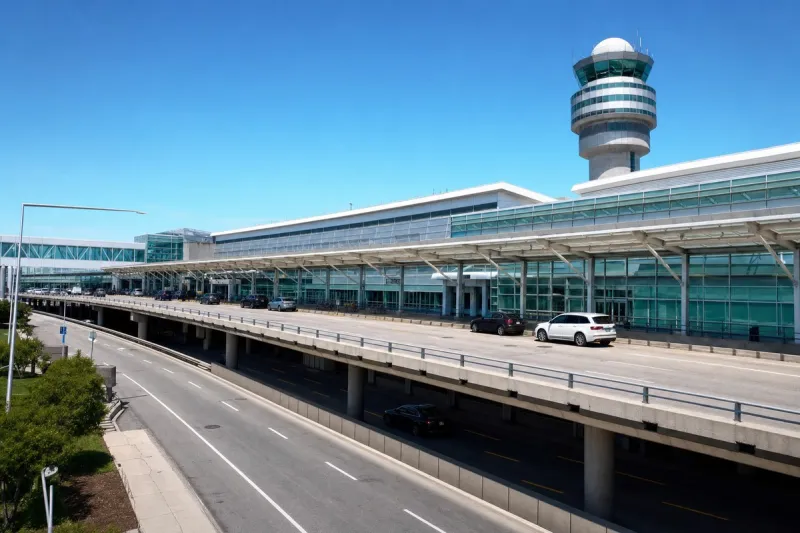
Under the proposed plan, the existing 1,372-metre runway will be extended to 2,360 metres. The project also includes an apron, a taxiway, an air traffic control (ATC) tower and a terminal building.
Raxaul airport was built in 1962 and is being developed as a brownfield project. Residents of East and West Champaran have long demanded its reopening.
Why the border location matters
Once operational, the airport is expected to improve connectivity across the border region and boost trade, tourism and commercial activity, particularly in the Raxaul-Birgunj industrial belt.
It is also expected to reduce dependence on the distant airports at Patna, Darbhanga, Kushinagar and Gorakhpur, besides creating employment and business opportunities.
Industry impact & what to watch
Raxaul is a case of a 1962-era airfield being brought back through a brownfield route, where the heavy lifting is land and compensation rather than greenfield site selection. Handover of the 139 acres and the near-complete settlement of tenant compensation clear the main precondition for construction, which is why the tender can now follow.
For the regional and general-aviation segments, projects of this kind matter because they add runway length, an apron, a taxiway and a control tower in a catchment that currently relies on airports a long way off. A runway moving from 1,372 metres to 2,360 metres changes the class of aircraft a field can realistically host, though the aircraft types and operators intended for Raxaul are not stated.
The next concrete milestone is the construction tender, which is expected to begin soon, alongside the settlement of the remaining compensation cases.