Carney Unveils Plan to Open Canada's Four Largest Airports to Private Investors
Why It MattersOpening Canada's busiest airport authorities to private capital could reshape ownership, funding and labour arrangements at the hubs through which most of the country's air traffic, business aviation included, passes.
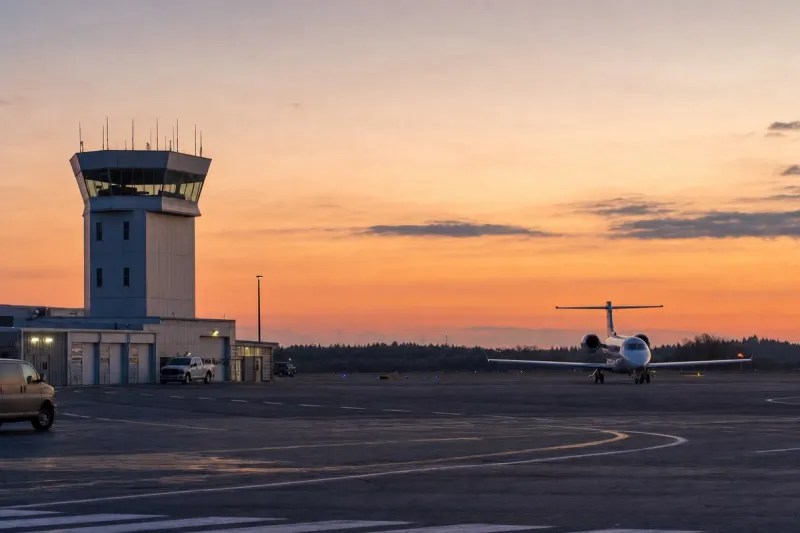
At the Canada Investment Summit in Toronto, Prime Minister Mark Carney announced plans to open Canada's four largest airports, in Montreal, Toronto, Calgary and Vancouver, to private investors. The government says the aim is to free up "the capital that is tied up in those airports" so it can be redeployed in other ventures that grow the economy.
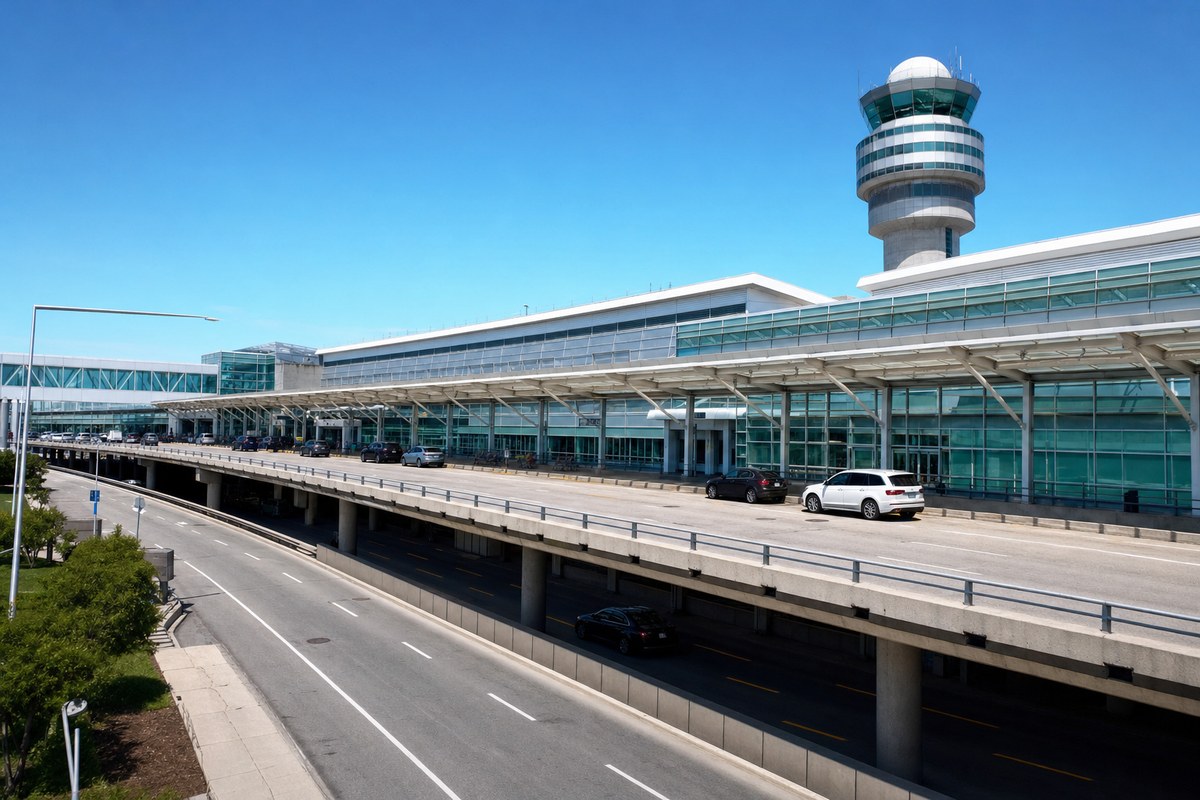
Canadian airports were semi-privatized in the 1990s, when the Chretien/Martin Liberal government transferred operations to nominally non-profit airport authorities. These authorities pay rent to the federal government, which remains the landowner, and must reinvest surpluses in airport operations. The announcement came with a business investment deduction worth $36 billion over five years, which would cut the marginal effective tax rate for corporations to 6.4 percent.
A Canadian Labour Congress report, "Public Runways, Private Profit," reviewed airport privatizations in New Zealand, Portugal, the US, the UK and Australia. It found that per-passenger revenues at Perth Airport rose by more than 60 percent within 10 years of privatization, and that Sydney's private operators eliminated 40 percent of the workforce once post-sale job protections expired. At San Juan Airport in Puerto Rico, privatization was followed by chronic shortages of firefighting staff.