EU ReFuelEU Aviation Mandate Sets No Buyout, Raises SAF Quota From 2% in 2025 to 70% in 2050
Why It MattersWith no buyout and eSAF projects still short of final investment decisions, suppliers face fines or rolled-over volumes, while the SAF supply chain depends heavily on imported feedstock, mostly from China.
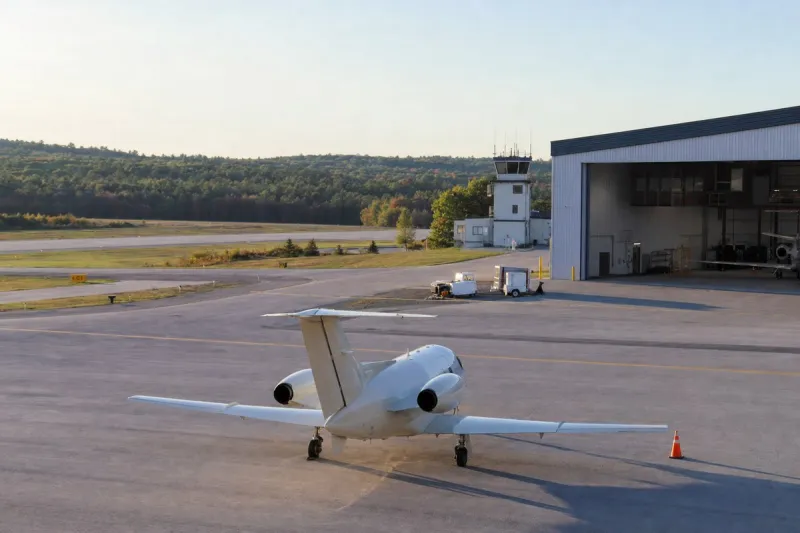
The EU's ReFuelEU Aviation Regulation (Regulation (EU) 2023/2405) binds fuel suppliers, aircraft operators and airports into a single compliance framework. Suppliers must ensure aviation fuel made available at each EU airport contains the minimum quota of sustainable aviation fuel (SAF) and synthetic aviation fuel, and airport managing bodies must facilitate access to it. Under Annex I, the core quota rises from 2% in 2025 to 70% in 2050, and the synthetic sub-quota rises from an average 1.2% in 2030–2031 to 35% in 2050.
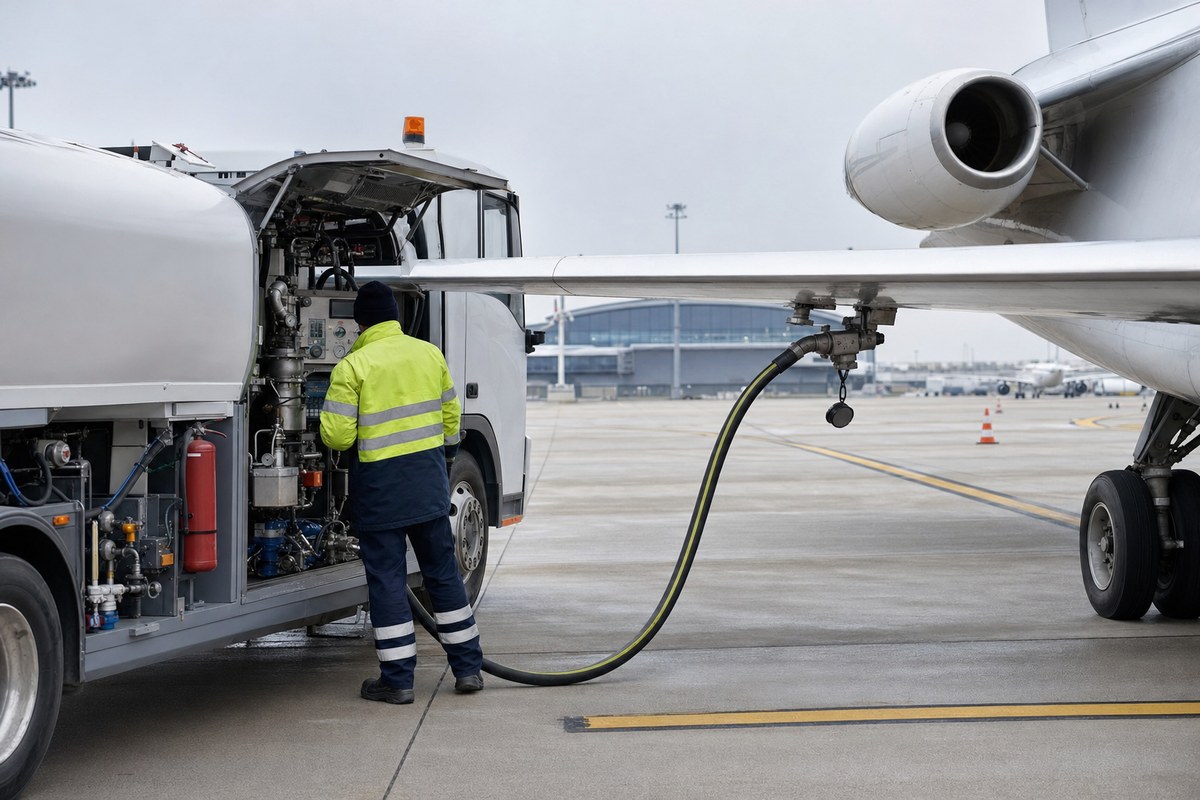
Aircraft operators have no direct SAF obligation but must follow an anti-tankering rule, lifting at least 90% of the fuel they require at each EU airport. Unlike the UK mandate, the regulation has no buyout: a shortfall triggers a fine, and the missing volume must be supplied the following year on top of that year's quota. The minimum fine is at least twice the relevant price gap multiplied by the non-compliant volume, based on EASA's 2024 reference prices of 2,085 euros per tonne for SAF versus 734 euros per tonne for conventional fuel.
In 2024, SAF made up 0.60% of fuel supplied to EU aviation, delivered across 33 airports by fewer than 10 suppliers; 98% of feedstock was used cooking oil or waste animal fats, and 68% was imported, including 38% from China and 12% from Malaysia. EASA's 2025 data shows SAF at 2.8% of fuel supplied, delivered to 121 airports across all 27 Member States, with 85% imported, including 61% from China, 8% from Malaysia and 5% from Indonesia.
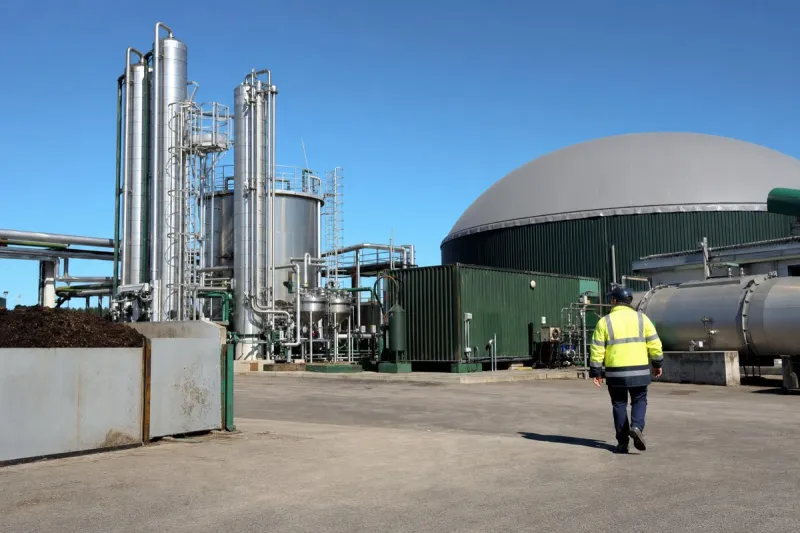
Investment barriers remain for eSAF, which requires compliant renewable electricity, electrolysis, eligible CO₂ and a Fischer-Tropsch or power-to-liquid process not yet commercially proven at the 50–80 kilotonne annual scale the regulation requires. Industrial CO₂ phases out for power stations in 2036 and fully in 2041. Commercial-scale eSAF projects need roughly €2–2.5 billion in capital expenditure, and EASA's second Annual Technical Report says none of the larger EU eSAF facilities has reached final investment decision.
To bridge the offtake gap, the EU model has the Hydrogen Intermediary Network Company (Hintco) award a long-term fixed-price purchase agreement to producers and resell through short-term, typically one-year, contracts, with public or philanthropic funding covering the price gap on a contract-for-difference basis. In mid-September 2026, the European Commission announced that Germany, Luxembourg and Austria will launch a pilot double-sided auction with over €2.1 billion in funding under the eSAF Early Movers Coalition.