Ghanaian Developer Plans $1.3 Billion Waste-to-SAF Plant Converting 2,000 Tonnes of Municipal Waste Daily
Why It MattersMunicipal waste offers a year-round SAF feedstock in a market where crop-based supply depends on harvests, though Fulcrum's collapse shows first-of-kind gasification plants carry heavy execution risk.
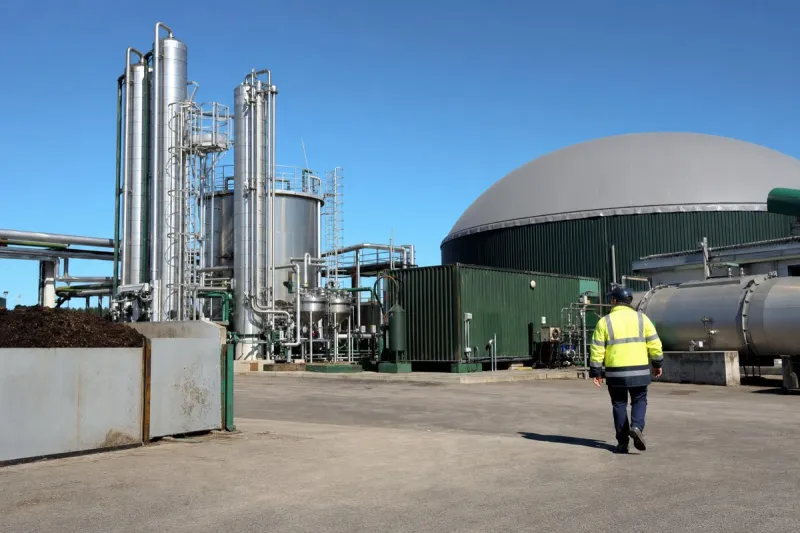
Greater Accra generates about 4,400 tonnes of municipal waste every day. Ghanaian developer F&B Bio Recyclage is planning a $1.3 billion facility that would convert 2,000 tonnes of that waste a day into 80,000–90,000 tonnes of sustainable aviation fuel (SAF) annually. The prepared waste would be turned into synthesis gas via gasification, then processed through Fischer-Tropsch synthesis and further steps to produce aviation fuel.
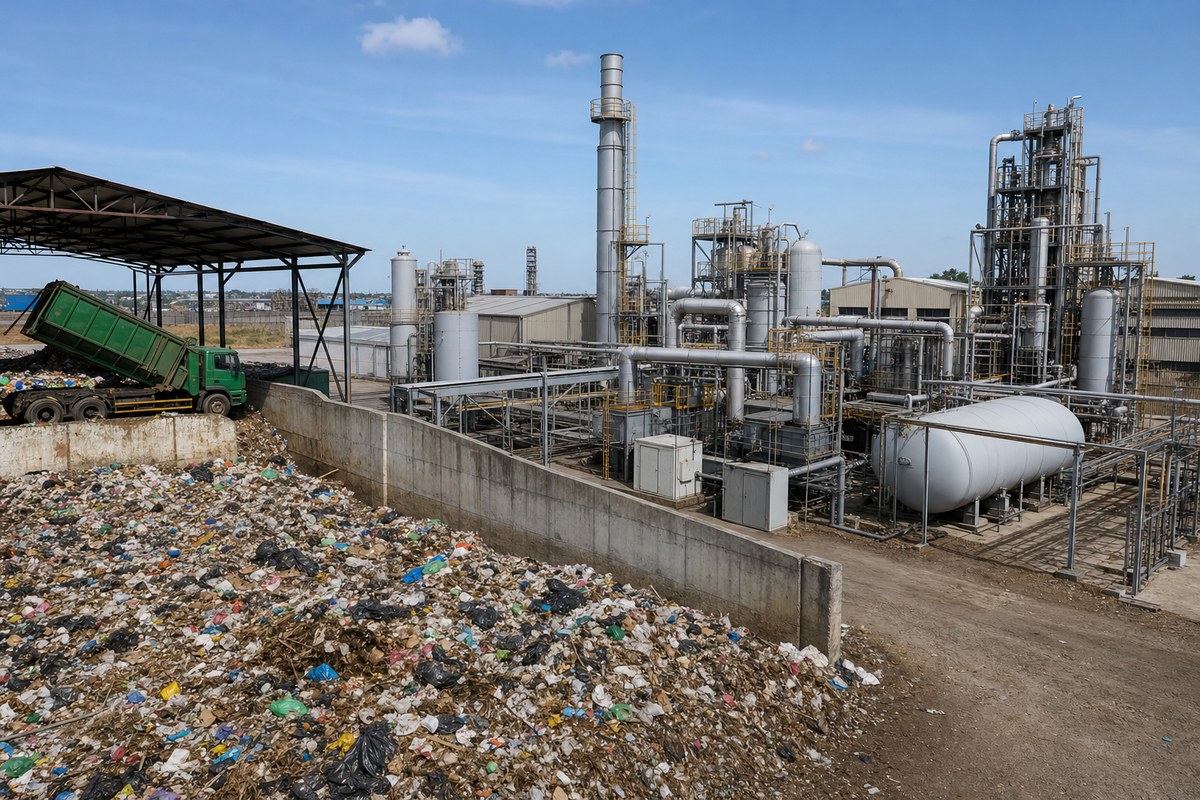
Frederick Opoku Agyekum, Project Development Director at F&B Bio Recyclage, said municipal waste has advantages over traditional SAF feedstocks: unlike agricultural crops, which are affected by harvest cycles, weather and competing demand, cities generate rubbish year-round. The waste is a mixture of plastics, paper, cardboard, textiles and organic material, so unsuitable materials must be removed and the remaining feedstock prepared before conversion. "Pre-treatment [of waste] is not an afterthought of our project," Agyekum said.
F&B says its approach has been shaped by the failure of Fulcrum BioEnergy's Sierra waste-to-fuels facility in Nevada, which attracted investment and interest from airlines including United. Operations stopped in 2024 and Fulcrum entered bankruptcy proceedings. It was later reported that the full production process had not been tested end-to-end at pilot scale, that a processing step added later damaged equipment during commissioning and caused months of delays, and that problems with engineering contractor Abengoa, which subsequently went bankrupt, together with pandemic disruption, raised costs. F&B is seeking $48 million in development equity to complete the engineering and commercial agreements needed before securing construction financing.
Separately, the UK Department for Transport published a 165-page SAF Business Implementation Study that examined 13 potential SAF production pathways in Ghana. It identified opportunities for feedstocks such as cassava, cocoa residues, fish oil, maize residues, palm oil residues and rice residues, and named Tema as a promising location for alcohol-to-jet production because of its established industrial infrastructure.