SAF Cuts Private Jet Lifecycle Emissions but Not Exhaust: What Blend, Supply and Cost Mean
Why It MattersSAF claims in private aviation hinge on blend share, pathway evidence and chain of custody, so buyers face a documentation test before any premium is paid.
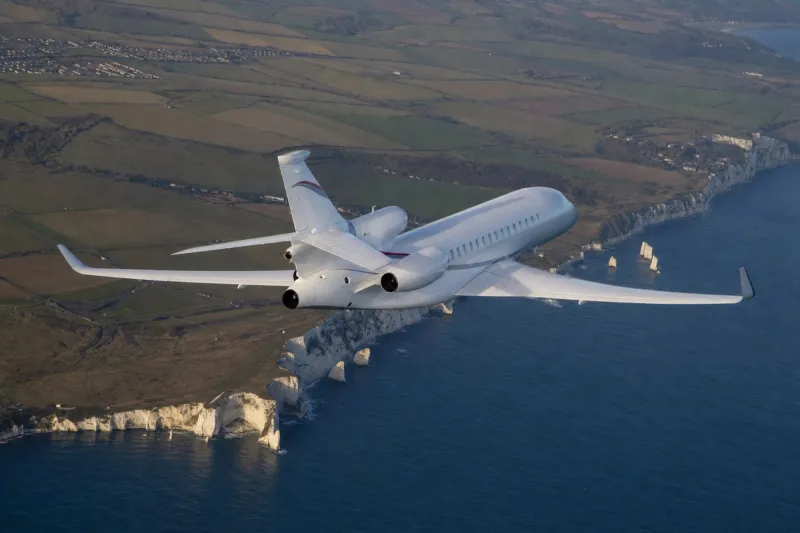
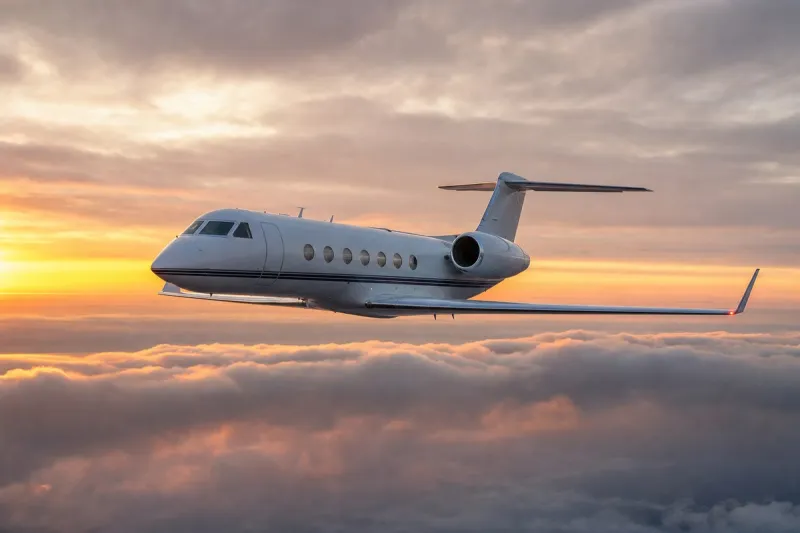
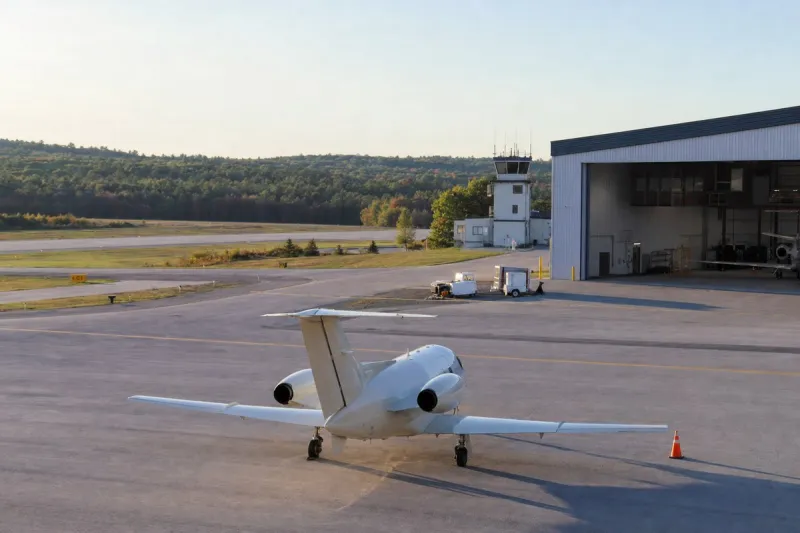
A guide published on October 25, 2026 sets out what sustainable aviation fuel does and does not change for a private jet. SAF can reduce the lifecycle greenhouse gas emissions associated with the fuel, but it does not eliminate the aircraft's fuel burn or its exhaust emissions. The size of the benefit depends on how the fuel is produced, the evidence behind its lifecycle calculation, and how much qualifying SAF is included in the supplied fuel.
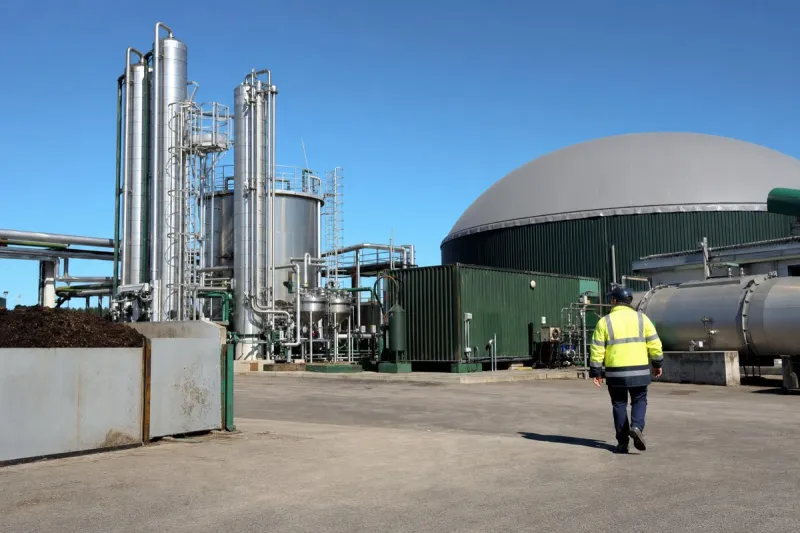
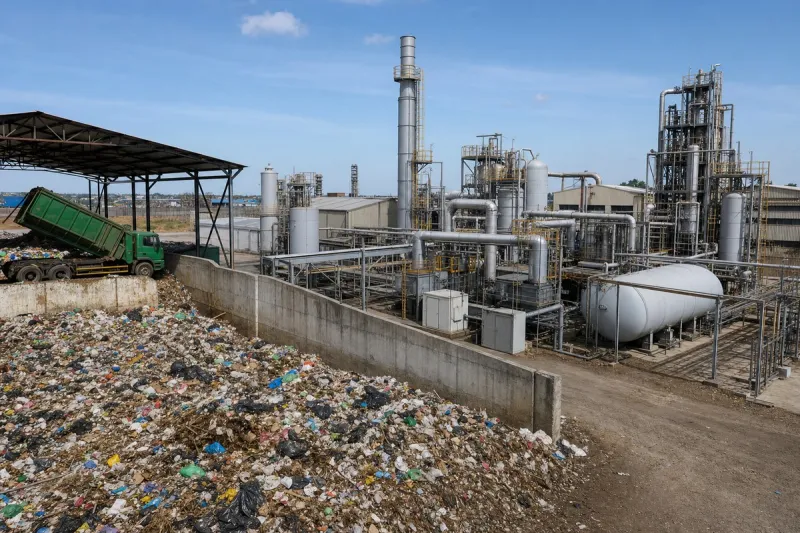
SAF is aviation fuel made through qualifying alternative pathways that meets technical and sustainability requirements. Possible inputs include certain wastes and residues, other eligible biomass, and synthetic processes using hydrogen and captured carbon. The US Department of Energy's Alternative Fuels Data Center notes that approved production pathways have pathway-dependent blending limits. For approved drop-in fuel, the aim is to fit existing aircraft and fuel infrastructure through qualification and quality control. Lifecycle assessment covers emissions from producing and supplying the fuel as well as using it, including feedstock sourcing, processing energy and transport. ICAO's CORSIA framework provides default and actual-value approaches for eligible fuels. The engine still releases CO2 when burning SAF-containing fuel, so a lifecycle reduction does not translate into the same percentage drop in exhaust or fuel consumed. EASA's assessment also discusses non-CO2 effects and feedstock integrity.
The guide distinguishes SAF's share of a fuel supply from the lifecycle reduction of the SAF component. In its energy-basis example, conventional fuel is 100 units and the SAF component is 30 units (70% lower). With SAF supplying 30% of fuel energy, the blend's weighted intensity is 79 units, a 21% reduction, not 70% or 30%. SAF does not remove the need for efficient mission planning, does not make an unnecessary repositioning flight use no energy, and does not cover footprint elements such as aircraft manufacture, airport buildings or passenger road transfers. Claims about non-CO2 effects such as contrails or nitrogen oxides need separate evidence.
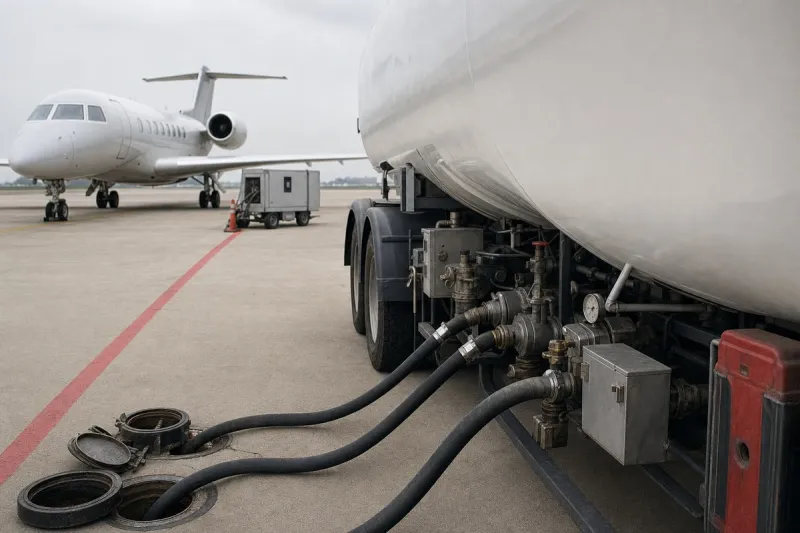
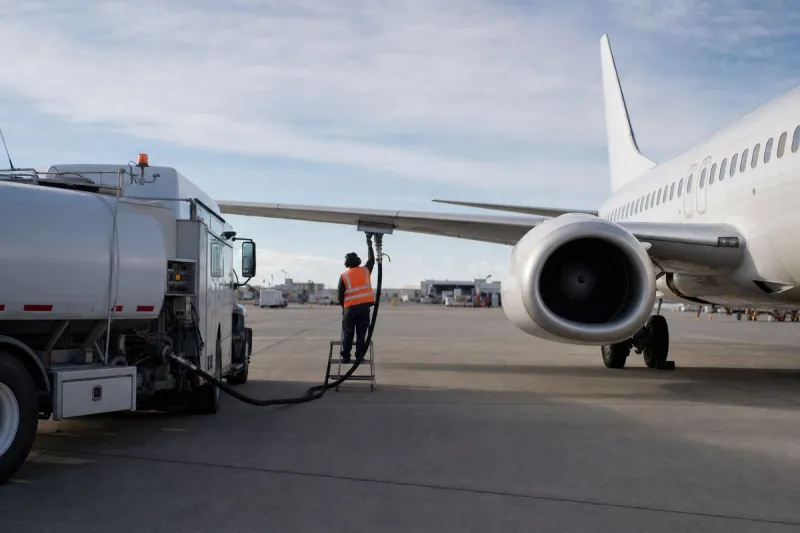
On supply, IATA's June 2026 production update estimated global SAF output at about 2.4 million tonnes in 2026, around 0.8% of aviation fuel use. That is a forecast covering the wider aviation market, not private aviation alone, and it does not establish availability at a specific FBO or a quoted price. The guide also separates physical SAF, delivered under a documented chain of custody, from book-and-claim, where environmental attributes are purchased separately from the physical fuel and the aircraft may uplift conventional fuel. Before paying a SAF premium, buyers are advised to ask for the quantity and supply or certificate arrangement, production pathway and sustainability certification, documented lifecycle intensity and baseline, the blend or attributed share used, chain-of-custody or registry evidence, the beneficiary and reporting period, and any restrictions on reporting claims.