Airbus Weighs Engine Options for Stretched A350-2000 as Rolls-Royce Trent XWB Nears Design Limits
Why It MattersA possible second engine supplier would end Rolls-Royce's sole position on the A350 and force airlines to weigh fleet commonality against the thrust a stretched widebody needs against the 777-9.
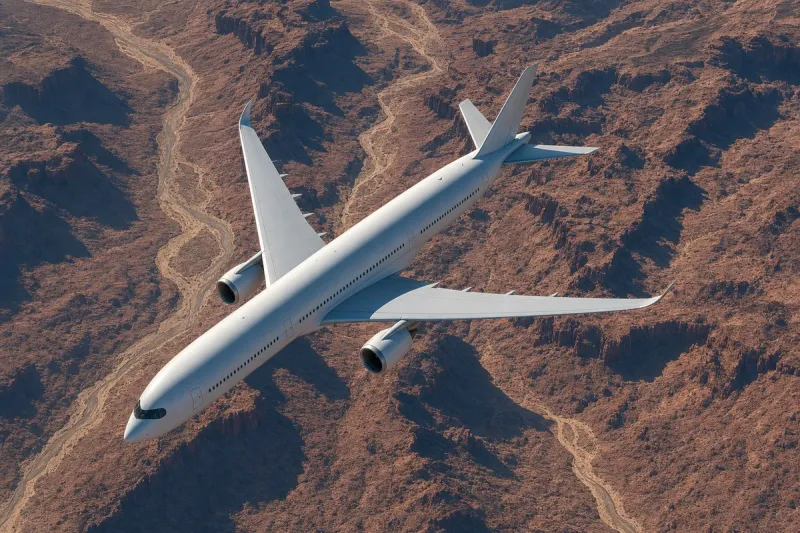
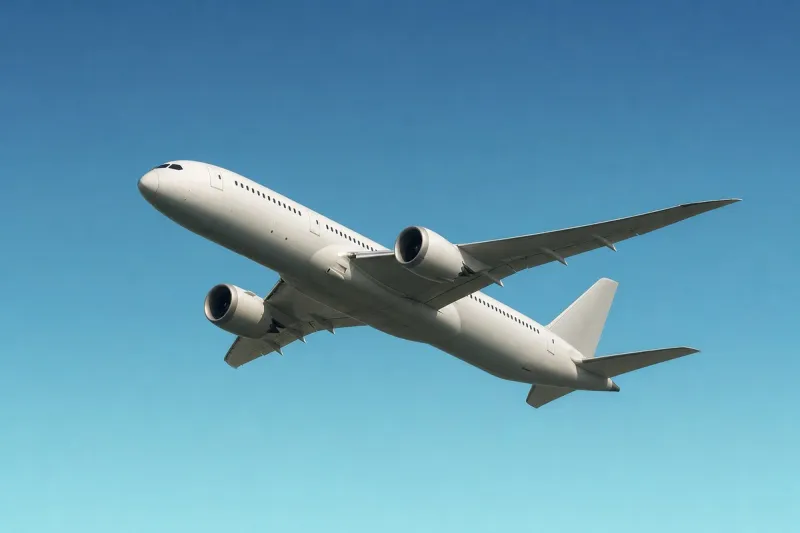
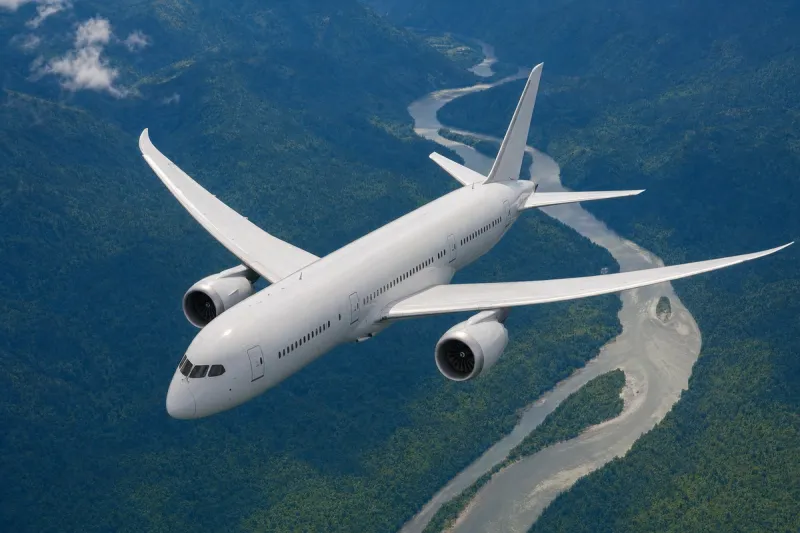
Airbus is weighing propulsion options for a potential further stretch of the A350 family, often referred to as the A350-2000, aimed at the roughly 400-seat segment now occupied by Boeing's 777-9. Airbus Commercial Aircraft CEO Lars Wagner said customer demand is forming around such a stretch, and that launch decisions on the A350-2000 and a possible A350-500 could come early in the manufacturer's next five-year planning cycle. No launch authorization for the A350-2000 has been given.
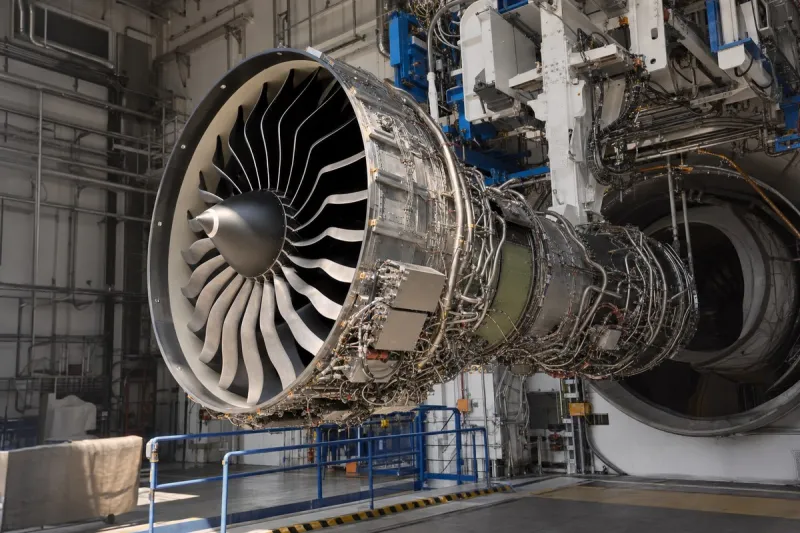
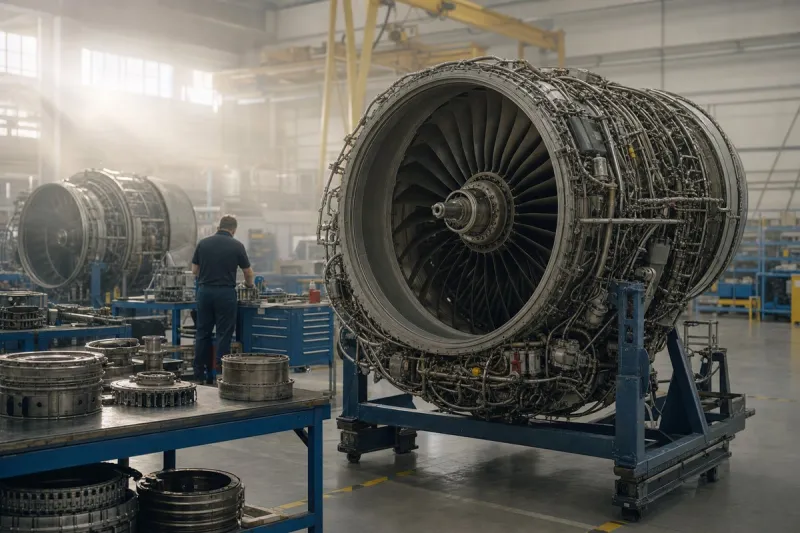
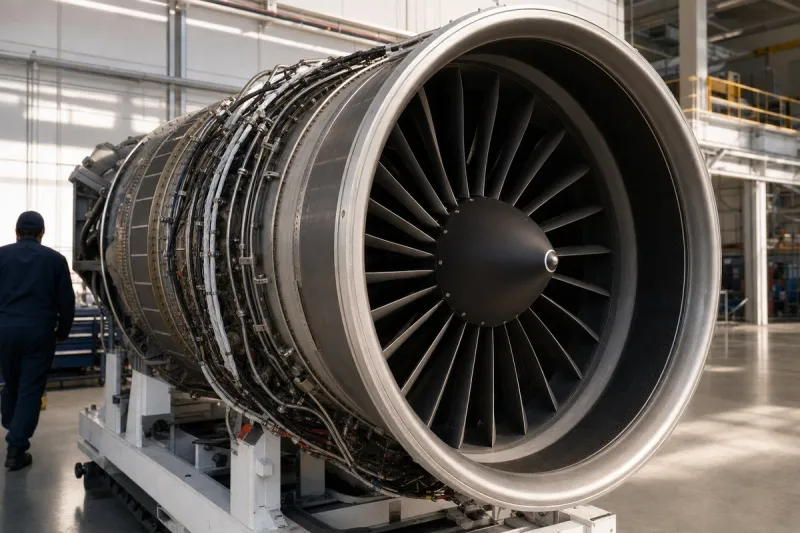
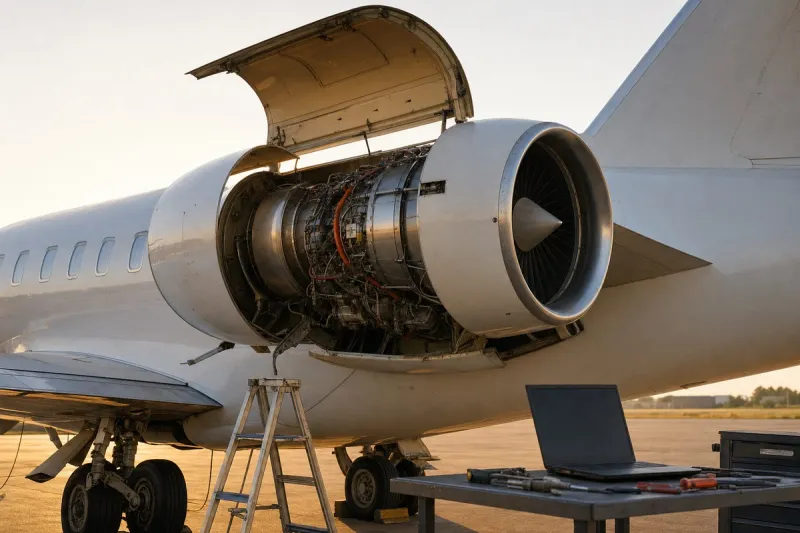
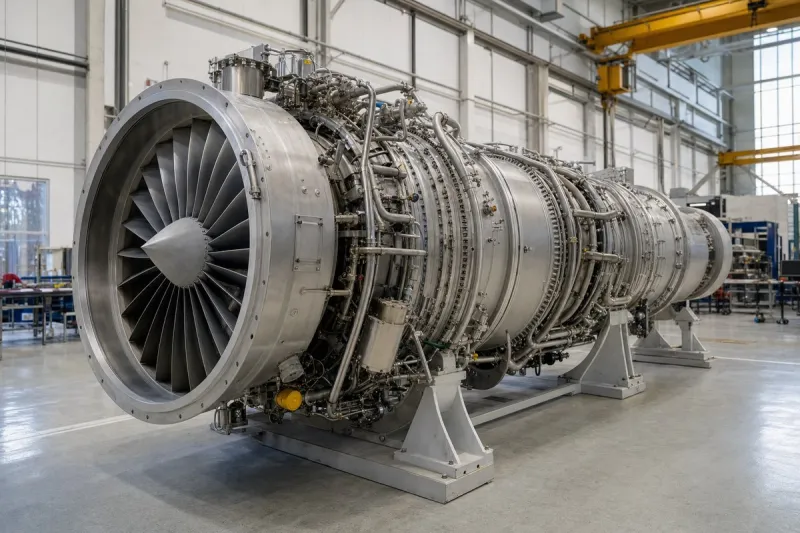
The Rolls-Royce Trent XWB-97, which powers the A350-1000 and the A350F freighter, delivers 97,000 pounds of thrust. Reaching that level required a core 5% larger than the baseline Trent XWB-84 used on the A350-900, a fan spinning 6% faster, a reinforced containment casing, thicker titanium fan blades and hotter internal turbine temperatures. In hot, sandy regions this accelerates component wear, and Rolls-Royce has been rolling out upgrades intended to raise time-on-wing by 50% under standard conditions and to double it in severe climates.
Rolls-Royce has been the sole engine supplier for the A350 family since the program began. Asked whether it would keep that exclusivity on an A350-2000, Wagner declined to confirm it. Airbus has held exploratory talks with GE Aerospace, whose GE9X, built for the 777X, is certified in a thrust class of 105,000 to 110,000 pounds. Fitting it to the A350 would require substantial redesign of pylon aerodynamics, mounting bulkheads and bleed-air systems, and would break fleet commonality for airlines operating A350-900s and A350-1000s alongside the larger variant.
Rolls-Royce CEO Tufan Erginbilgic has said that an airframe requiring a larger turbine and higher thrust would need six to seven years of engineering for a new or heavily modified engine, pointing to entry into service in the early 2030s. Airbus is also working to raise A350 output to 12 aircraft per month by 2028, a target that is difficult to reach at current rates.