GE Aerospace's T901 Engine Earns Army Preliminary Flight Rating, Clearing Path to Qualification Flight Testing
Why It MattersProgress on the T901 moves the Army's engine modernization for its Black Hawk and Apache fleets closer to qualification, tightening the timeline for the next generation of military rotorcraft propulsion.
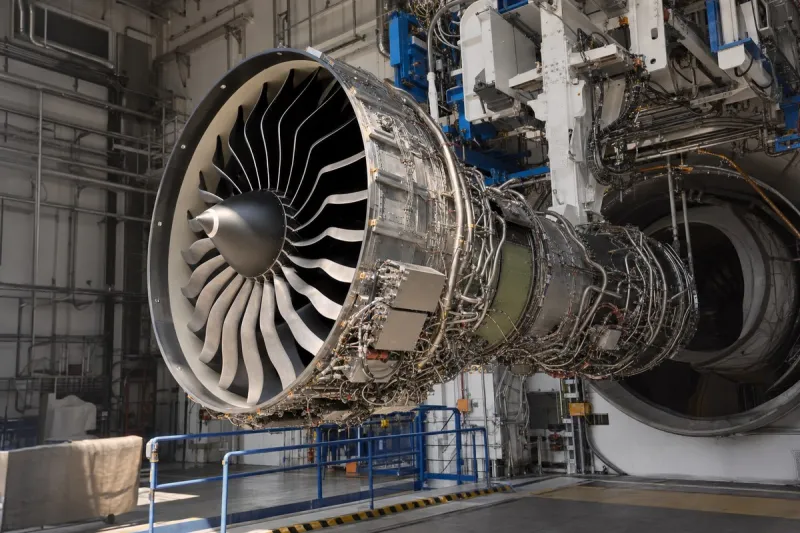
GE Aerospace's T901 rotorcraft engine earned its Preliminary Flight Rating (PFR) from the U.S. Army in June 2026. The PFR is the Army's formal acceptance that the engine meets the requirements for flight testing, and it clears the T901 to move from development testing into formal qualification, or "for credit" flight testing. The Army selected the T901 in 2019 to modernize its UH-60 Black Hawk and AH-64 Apache helicopter fleets. GE Aerospace says the engine delivers 50% more power than its predecessor, the T700, along with significantly improved fuel efficiency and specific fuel consumption.
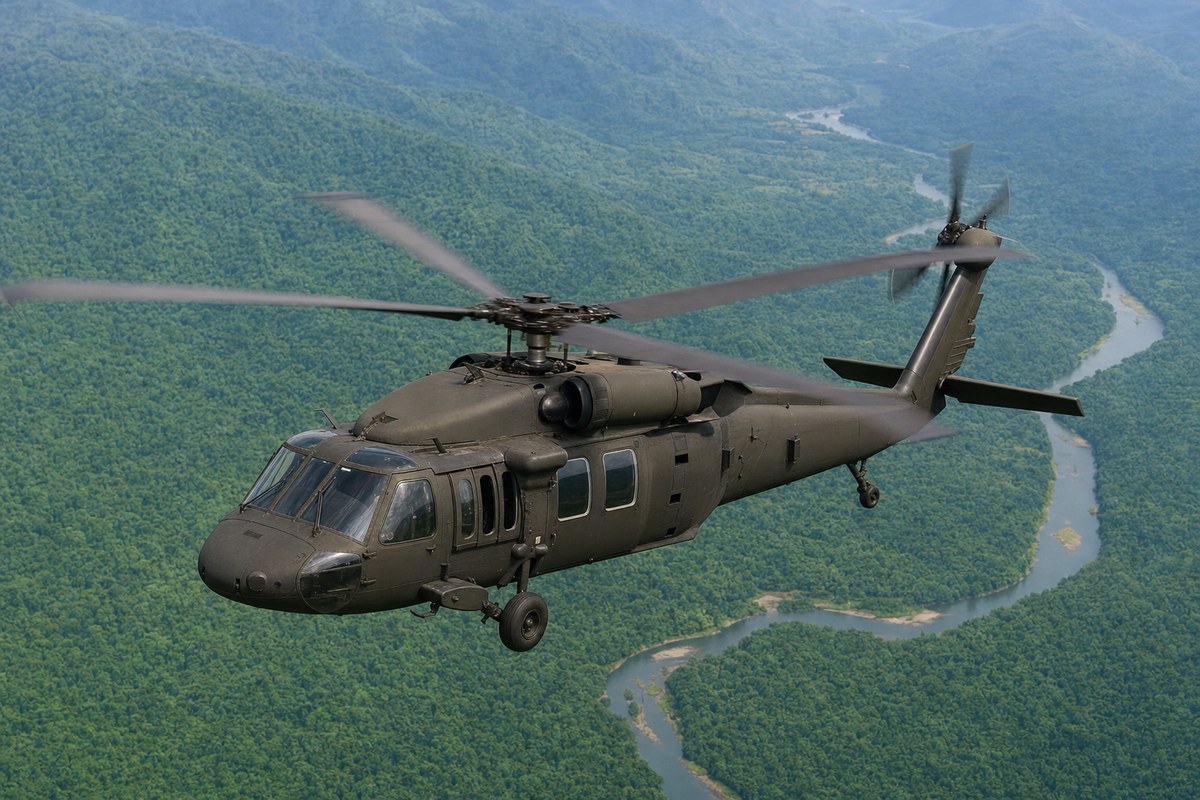
According to GE Aerospace, the engine has completed more than 2,900 hours of factory-engine tests and reached flight altitudes of 17,000 feet and airspeeds of 150 knots. Its first hover flight took place in May of the previous year, with first forward flight a few months later. Seven flight test engines have been delivered to the government, and the engine has been integrated into the Black Hawk and flight tested in Florida since last year. The first two T901 engines were delivered to the Army in June 2024.
GE Aerospace says that, working with the Army and Sikorsky following the Army Transformation Initiative announced in May 2025, it took 12 months out of the qualification schedule and saved approximately $75 million. In 2026, the U.S. House and Senate voted to provide $175 million for the Army's Improved Turbine Engine Program (ITEP), for which the T901 was developed, and the House Armed Services Committee added a further $63 million in a reconciliation package. GE Aerospace announced plans in 2025 to invest more than $200 million in U.S. manufacturing sites for T901 production.
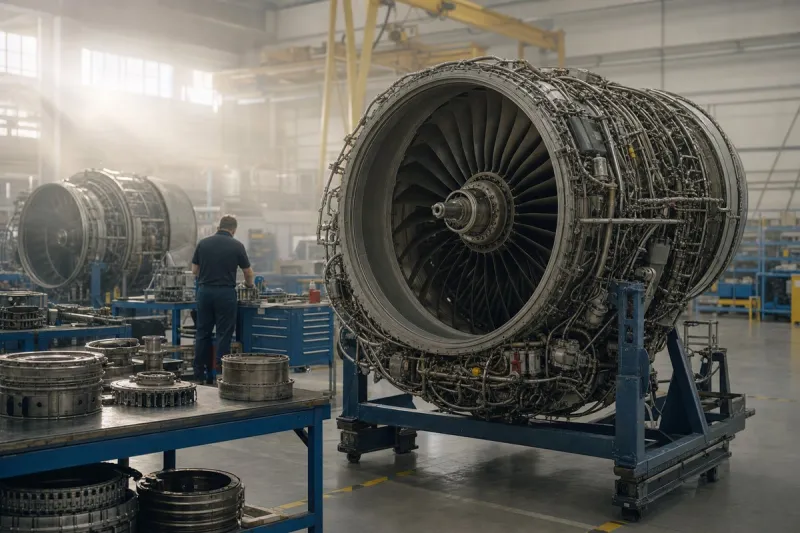
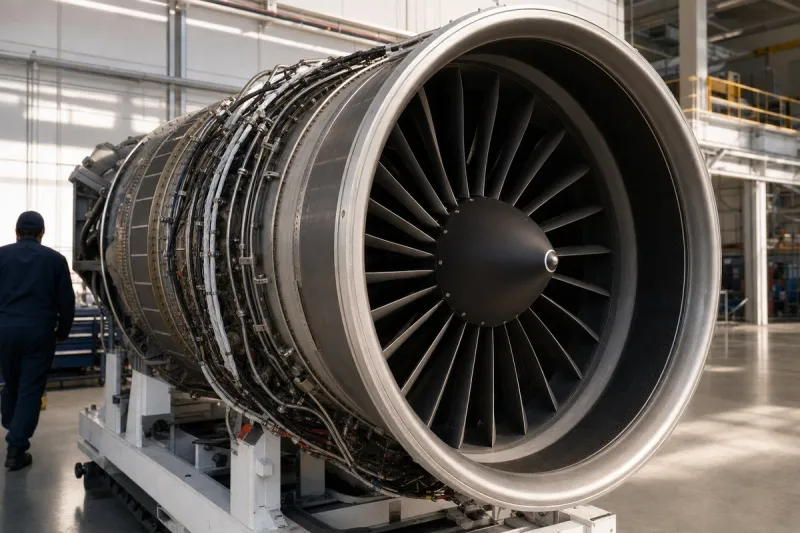
The engine uses ceramic matrix composite (CMC) parts, which are stronger than metal at high temperatures and weigh two-thirds less, and numerous 3D-printed components. Additively printed parts reduce part count, including a front frame that consolidates some 200 parts into one.